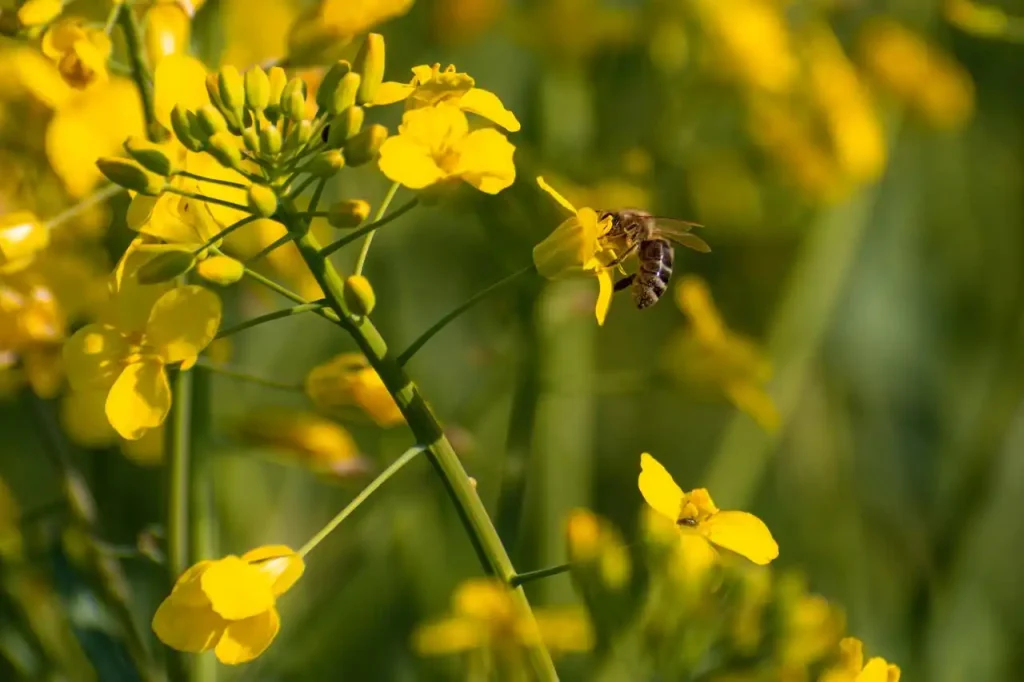
Nowadays, with all the busy cities and fast lives, we can often ignore the fact that thousands of other creatures, many vital for food, the environment, and our own lives, live where we do. Bees, butterflies, hummingbirds, and similar insects are some of the first examples: they serve to pollinate plants by crossing pollen between their flowers. Despite its aesthetic benefits, making your pollinator-friendly yard also helps to protect the environment. No matter if you plant lots of pollinator flowers in your yard or just add a few to your existing landscape, your actions help biodiversity. You can make your yard a place that’s home to pollinators using tips from natural gardening and now is a great time to begin.
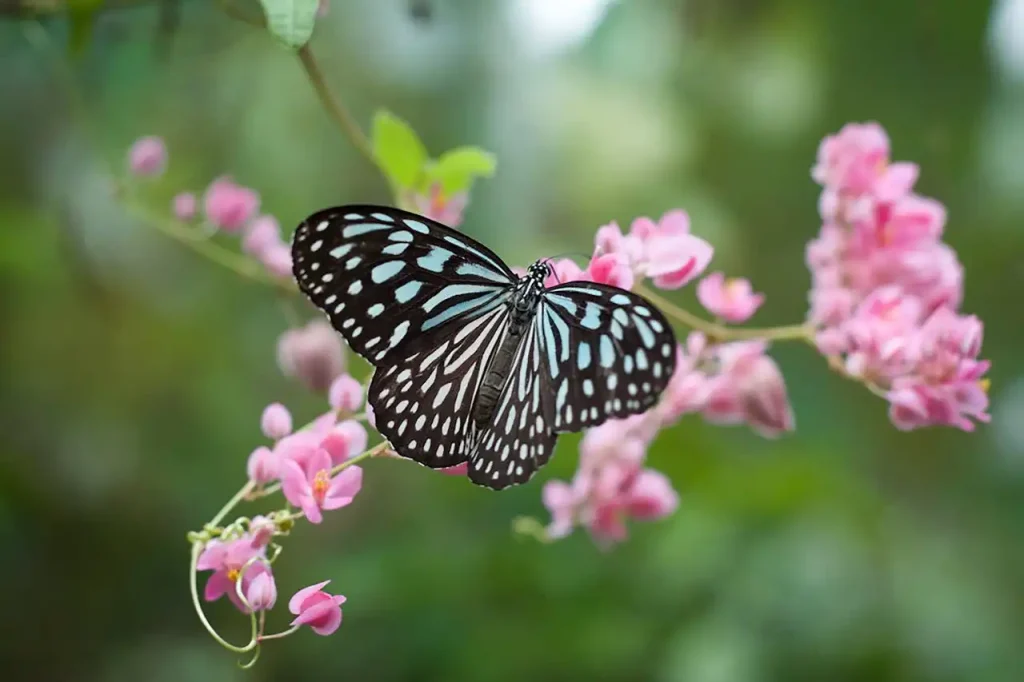
Why do Pollinators Matter?
About 35% of all crops would be affected if there were fewer pollinators. We wouldn’t be able to enjoy many fruits, vegetables, and nuts if it weren’t for them. Unfortunately, fewer pollinating species remain because of a lack of habitat, pesticides, diseases, and climate change. Since pollinators are needed, pollinator gardening is not just a new trend but a must.
Creating a Front Yard Pollinator Garden
Making your front yard a pollinator garden is an exciting and lovely idea. Let’s cover how to look good and take care of the environment.
Step 1: Understand What Pollinators Need
The first step in making a pollinator-friendly yard is to learn what they need.
- Nectar and pollen-rich plants such as flowers, form the main food supply of insects.
- Offer a variety of sites for nesting: Ground-nesting bees need undisturbed soil, bees that nest in cavities need old wood and native grasses support both.
- Water for birds can be a shallow dish or a birdbath filled with pebbles.
- Provide blooming plants throughout the growing season so food is available all year.
You can use these elements in a DIY gardening plan that suits your yard.

Step 2: Choose the Right Location
You don’t have to make your pollinator-friendly yard big—sometimes the smallest areas can help a lot. Choose a spot in the sun, as most bees and butterflies need lots of sunlight. For any kind of pollinator garden, make sure you give it six hours of clear sun every day.
Step 3: Plan Before You Plant
Drawing a quick outline for your garden will help you decide what plants to buy. Look at the arrangement of your yard, if there are any nearby flowered plants, and whether birds might want to build their nests. These pollinator garden ideas may inspire you:
Pollinator Pathway:
Use flowers as a border to make a walkway from outside to your front door.
Bee Garden Border:
Grow pollinator plants near the edges of your land. In Your lawn Replace an area with native wildflowers.
Container Pollinator Garden:
For a container pollinator-friendly yard, try using pots and raised beds to give your yard a nice appearance and allow easy movement.
Planning well helps your gardening for pollinators to be affordable and attractive.
Step 4: Choose the Right Plants for a Pollinator Garden
Success in a pollinator garden depends greatly on picking the right plants. Native species work well because they’ve adapted to the area’s climate and pollinating animals.
Here, you will find some fantastic plants to have in any pollinator-friendly yard, organized by season.
Spring Bloomers:
- Columbine (Aquilegia) attracts hummingbirds and bees.
- Lupine (Lupinus) is cherished by bumblebees.
- Wild geranium flowers in early spring and provide an important source of nectar.

Summer Stars:
- Bee balm (Monarda) is known for being loved by bees and gardeners.
- Milkweed or Asclepias, is very important for the survival of monarch butterflies.
- This flower (Rudbeckia) has a long blooming period and doesn’t require much work.
Fall Favorites:
- Having asters (Symphyotrichum spp.) in your yard supports bees before winter.
- Goldenrod (Solidago) is important because it provides needed nectar late in the season.
- Sedum genus (Sedum spp.), these plants are known as ornamental or foliage Sedums. – Suitable for honeybees and butterflies.
Make sure you have a mix of different flower types, colors, and when they will bloom. Because of this diversity, there is always food for people to eat and it appeals to a lot of pollinators.
Step 5: Practice Natural Gardening Methods
Pesticides and herbicides are some of the biggest things putting pollinators at risk. Try natural gardening methods to keep your
yard free from harm.
Avoid Chemicals:
Opt for using natural options and only when most pollinators are asleep. Natural compost can be used to make your soil healthier.
Mulch Responsibility:
Allow there to be some bare spots for bees that nest in the soil.
Let it be messy:
Leave dead stems and leaves in place throughout winter; they will protect overwintering insects.
Keep in mind that an organized lawn may not benefit the animals in your neighborhood.
Step 6: Add Supporting Features
Add things other than plants to your garden that support and attract pollinators.
- Bee hotels offer solitary bees a place to build their nests.
- Rocks and logs give fish areas to either hide or rest in. In cases, where the water depth is relatively low, add safe perching stones.
- To help butterflies, mix some soil and water in a dish as a place for them to get these minerals.
These changes allow your yard to provide a home to pollinators all year.
Step 7: Maintain and Monitor
You need to keep an eye on your pollinator garden from time to time, but maintaining it doesn’t take much work. When tilting the plant, remove spent blooms to help it grow more flowers. Pull out invasive weeds from your garden. Water in the summer drought as much as you can when there are flowers on your trees and shrubs.
Make a garden diary to note down the pollinators that enjoy the plants you plant. Eventually, it will allow you to choose better garden plants and make your ecosystem healthier.
Bonus Tips for a Beautiful and Functional Garden
Use color strategically:
Choose blue, purple, and yellow when coloring your garden. Red and orange colors are most attractive to hummingbirds. Pinks and purples attract butterflies.
Plant in Clusters:
Place the same type of plants side by side, so bees have a clear target for pollination.
Tall and Low Plants:
Add taller plants to the back and lower ones to the front for both beauty and different types of homes.
Incorporate Herbs:
Most of the pollinators like lavender, thyme, oregano and mint. These herbs add taste to cooking and are used in different dishes.
Real-Life Example: Transforming a Front Yard Pollinator Garden
While cruising through a suburb, it’s possible to see a brightly planted pollinator garden full of echinacea, bee balm, and milkweed. Rather than plain grass, I am pleased by the flight of butterflies and the soft buzz of bees.
Pollinator gardening has the capacity to change dead zones into nature-filled areas that benefit both us and animals. Otherwise, such gardens generally demand less attention and water compared to regular lawns.
Community and Global Impact
You can be a part of something significant just by working in your backyard garden. When several pollinator gardens in cities and suburbs are connected, they allow bees, butterflies, and birds to fly and find food even in developed places. There’s also the option of:
- Volunteer with groups in your local area that care for gardens.
- Sign up for projects such as the Great Sunflower Project or Monarch Watch and help with science research.
- Encourage planting native species both in public areas and schools.
Final Thoughts
Having a yard that helps pollinators means you are making a lifestyle choice that supports the health of the world. To have a pollinator-friendly yard that’s full of life, simply choose the right plants, think ahead, and pick natural methods.
No matter if you have a small bee garden on your balcony or grow wildflowers everywhere, every flower is beneficial. Look after your garden, but also pay attention to the health of the environment you are in. If your yard isn’t big, it can still have a huge impact.