Fungal diseases in leafy greens can devastate your garden harvest, turning vibrant kale, collards, mustard, and turnips into wilted, spotted disappointments. You’ve likely experienced the frustration of watching your carefully tended cruciferous vegetables succumb to mysterious leaf spots, powdery coatings, or sudden seedling collapse. These fungal disease treatment challenges affect gardeners worldwide, threatening both crop quality and your gardening confidence.

The good news? You can successfully combat these persistent pathogens with the right knowledge and approach. Garden fungal disease management doesn’t require expensive equipment or complex chemistry – it demands understanding, consistency, and strategic planning.
This guide reveals how to treat fungal disease in leafy greens through five proven methods that work together to create an inhospitable environment for harmful fungi. You’ll discover practical techniques ranging from simple crop rotation schedules to targeted irrigation strategies. Each method builds upon the others, creating a comprehensive defense system that protects your leafy greens while promoting vigorous, healthy growth throughout the growing season.
Understanding Fungal Disease in Leafy Greens
Fungal diseases are one of the biggest challenges you’ll face when growing leafy greens. These tiny organisms attack your plants by releasing spores that sprout on leaf surfaces, stems, and roots, causing infections that can wipe out entire crops. When fungal disease strikes, you’ll see signs like yellowing leaves, dark spots, or even the complete collapse of the plant.
Common Fungal Diseases in Leafy Greens
Cruciferous vegetables such as kale, collards, mustard, and turnips are particularly susceptible to specific fungal threats. Here are some of the most common fungal diseases you might come across:
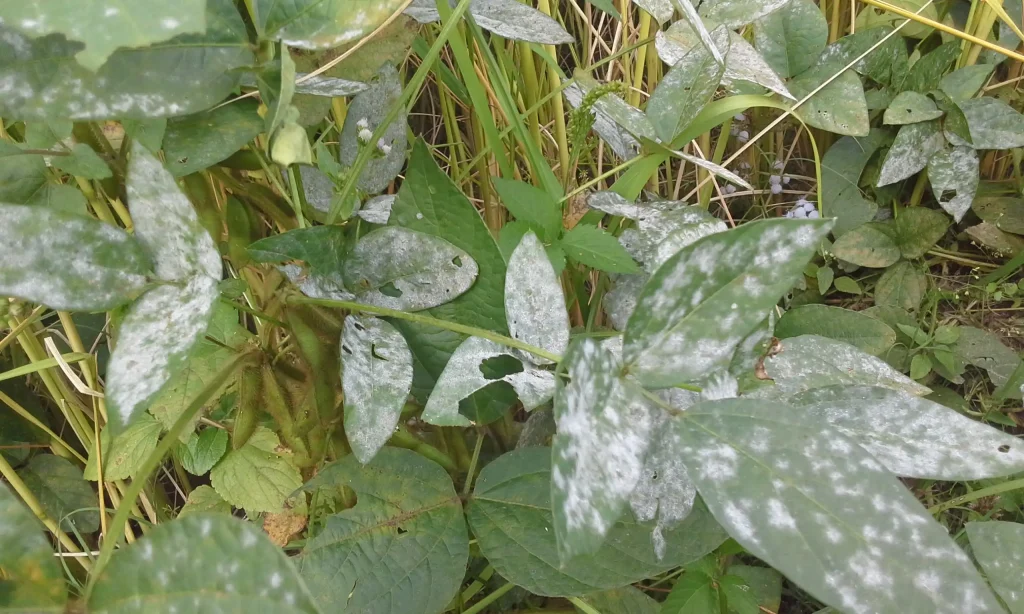
- Powdery mildew – Creates a white, powdery coating on leaves
- White leaf spot (Cercospora species) – Produces circular white spots with dark borders
- Black leaf spot (Alternaria brassicae) – Causes dark, concentric ring patterns
- Anthracnose (Colletotrichum higginsianum) – Creates sunken, dark lesions
- Downy mildew (Peronospora parasitica) – Forms yellow patches with fuzzy growth underneath leaves
Causes of Fungal Diseases
The causes of fungal disease are linked to specific environmental conditions that provide ideal breeding grounds for these pathogens:
- Water splash from irrigation or rain carries spores between plants
- Insects unknowingly transfer fungal disease from infected to healthy plants
- Contaminated tools become highways for pathogen spread when you move between garden areas without proper cleaning
Temperature and humidity also play critical roles in the development of these diseases. Most fungal pathogens thrive in warm, moist conditions with prolonged leaf wetness, making your garden vulnerable during humid weather or after heavy rainfall.
1. Crop Rotation to Reduce Fungal Pathogens
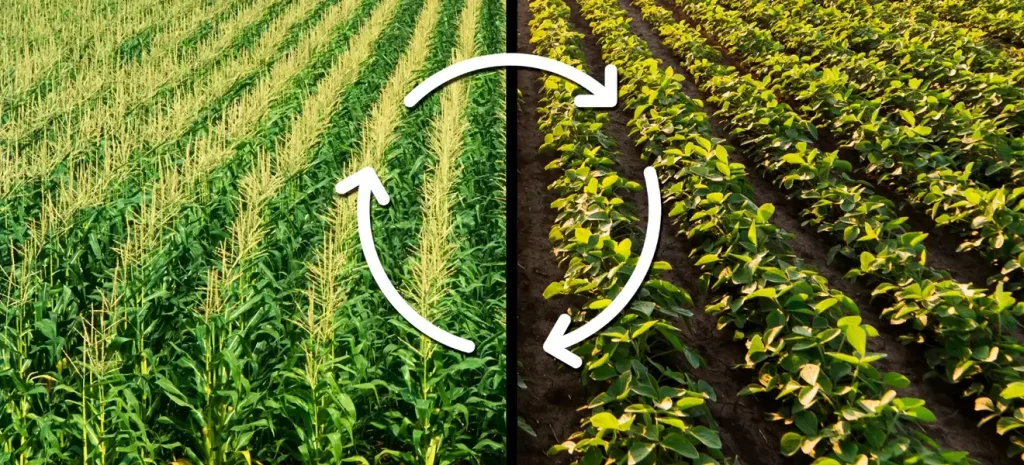
Crop rotation benefits your garden by breaking the life cycles of fungal pathogens that specifically target cruciferous vegetables. When you plant the same crop family in identical soil year after year, pathogen populations accumulate and create increasingly hostile growing conditions for your leafy greens.
Fungal spores and mycelium survive in soil and crop debris, waiting for their preferred host plants to return. You disrupt this cycle by denying pathogens their food source, forcing them to die off or remain dormant without suitable hosts to infect.
Recommended Rotation Timeline
Soilborne disease control requires patience and planning. You should avoid planting cruciferous crops like kale, collards, mustard, and turnips in the same location for a minimum of two years. This timeframe allows most fungal pathogens to decline to manageable levels without their preferred hosts.
Selecting Effective Non-Host Crops
Non-host crops serve as powerful allies in your disease management strategy. Consider these rotation options:

- Corn – Provides excellent soil structure improvement while starving crucifer pathogens
- Grain sorghum – Offers similar benefits to corn with different nutrient cycling patterns
- Legumes – Beans and peas fix nitrogen while breaking disease cycles
- Solanaceous crops – Tomatoes, peppers, and eggplants belong to completely different plant families
You maximize rotation effectiveness by choosing crops from entirely different botanical families, ensuring fungal pathogens specific to crucifers cannot survive on alternative hosts.
2. Site Selection and Proper Garden Preparation
Choosing the right location for your garden is crucial in preventing fungal diseases in your leafy greens. When deciding where to set up your garden, it’s important to prioritize soil drainage for leafy greens. This is because waterlogged conditions create an ideal environment for harmful root rot and damping-off diseases that can wipe out entire crops of kale, collards, and other cruciferous vegetables.
Why Soil Drainage Matters
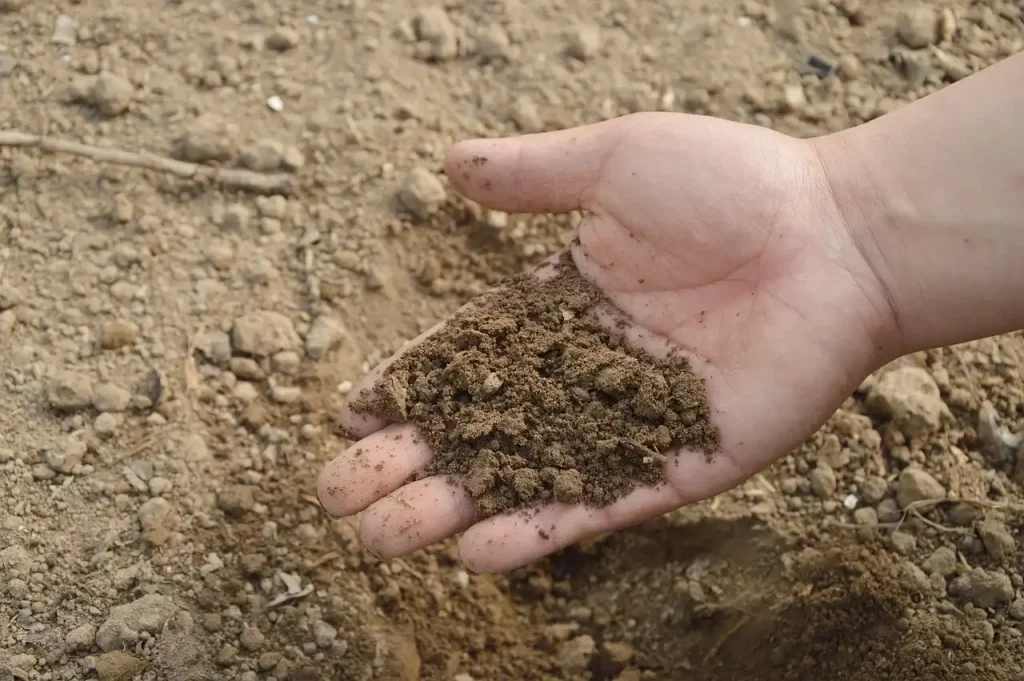
Fungal pathogens thrive in anaerobic conditions, which means they flourish in environments without oxygen. Well-drained soil is essential in preventing these conditions from forming around the roots of your plants. Here’s how it works:
- Water movement: Well-drained soil allows excess water to quickly move away from plant roots, preventing them from sitting in water.
- Oxygen availability: When water drains away, oxygen can reach the root zone, creating an inhospitable environment for fungal pathogens.
- Root health: Healthy roots are less susceptible to diseases, making your plants more resilient overall.
Testing Your Soil Drainage
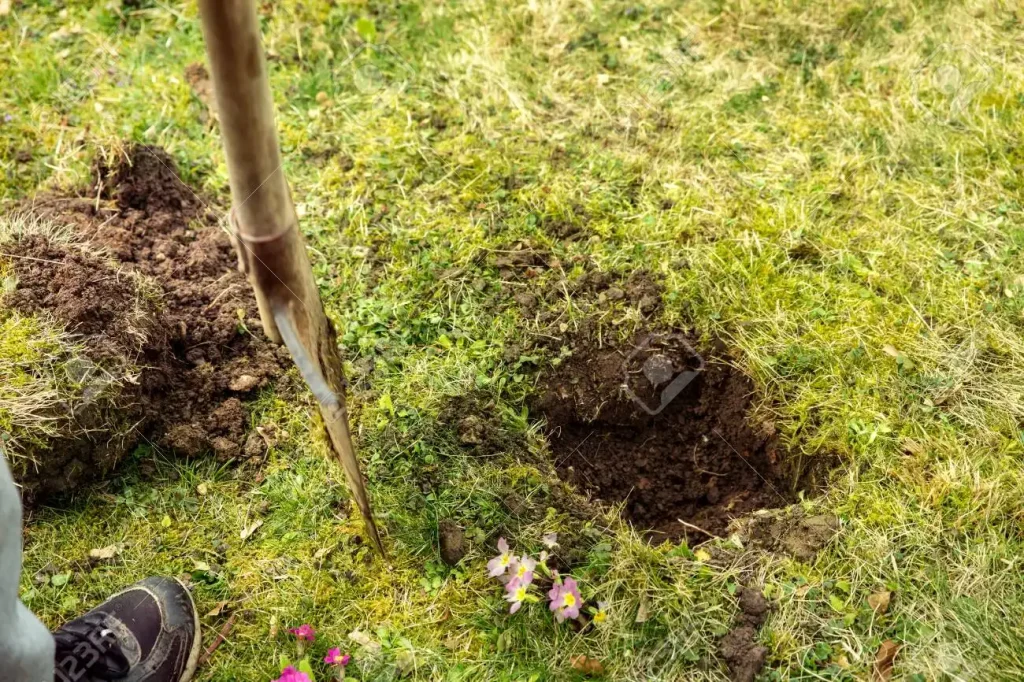
To ensure that your garden has adequate drainage, you can perform a simple test:
- Dig a hole about 12 inches deep.
- Fill the hole with water and let it drain completely.
- After 24 hours, check if there’s still water remaining in the hole.
If water remains after this period, it indicates poor drainage that needs immediate attention.
The Benefits of Raised Beds for Disease Prevention
When learning how to treat fungal diseases in leafy greens, it’s important to consider the advantages of using raised beds. These elevated growing areas offer several benefits that contribute to disease prevention:
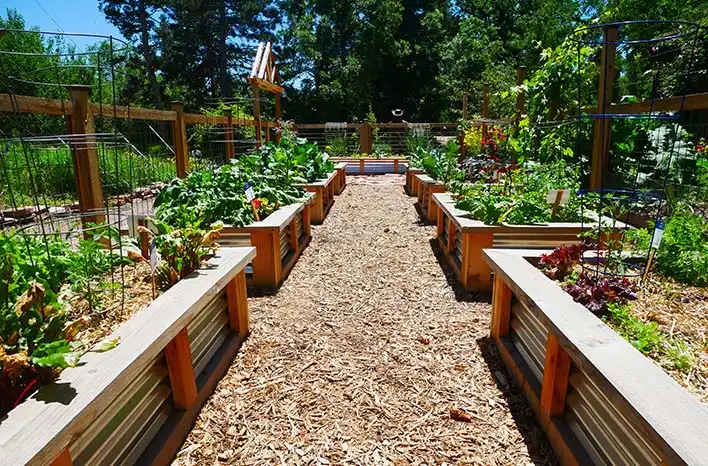
- Superior drainage control: Water flows away from plant roots more efficiently in raised beds, reducing the risk of waterlogging.
- Better soil aeration: The construction of raised beds prevents compaction, allowing air to circulate freely within the soil.
- Easier soil amendment: With raised beds, you have greater control over the composition of your soil mix. This enables you to create an optimal growing medium tailored specifically for healthy plants.
- Reduced splash-back: Rainfall or irrigation can cause soil particles to splash onto plant leaves, potentially transferring pathogens. By elevating your crops through raised beds, you minimize this risk.
To construct effective raised beds:
- Use untreated lumber or stone materials to build the frames.
- Make sure each bed is at least 6-8 inches high for proper drainage.
- Fill the beds with a mixture consisting of compost (for nutrients), topsoil (for structure), and coarse sand (for drainage).
Preparing Your Seedbed Properly
In addition to site selection and raised bed construction, proper seedbed preparation plays a crucial role in promoting healthy plant growth and minimizing disease risks.
Here are some key steps involved in preparing an ideal seedbed:
- Clear away any debris such as rocks or weeds from the area where you’ll be sowing seeds.
- Break up any large clumps of soil using a garden fork or tiller.
- Incorporate organic matter like compost into the existing soil to improve its structure and nutrient content.

By following these practices:
- You’ll create a fine-textured surface that encourages even germination across all seeds sown.
- Adequate drainage will be ensured by incorporating organic matter which enhances water infiltration rates.
Remember that healthy plants are better equipped at combating diseases!
3. Sanitation and Seed Health Management
Garden sanitation practices are crucial for effectively treating fungal diseases in your leafy greens. It’s important to consider your garden tools, equipment, and footwear as potential carriers of fungal pathogens. Here’s what you need to do:
- Clean and disinfect your pruning shears, hoes, and shovels with a solution of 10% bleach or 70% rubbing alcohol between different areas of your garden.
- Scrub your boots thoroughly before moving from infected areas to healthy plants, as they can carry fungal spores.
Immediate Action on Crop Debris
To prevent pathogens from spreading, it’s essential to take immediate action on crop debris after harvest. Follow these steps:

- Remove all plant residue, including fallen leaves and stems, from your garden beds.
- These materials can become breeding grounds for fungal pathogens that will attack your next planting.
- Compost healthy plant debris in a hot compost pile that reaches a temperature of 140°F to kill off any pathogens.
- Dispose of diseased materials in municipal waste to prevent further spread.
Importance of Seed Health
When growing cruciferous vegetables such as kale, collards, and mustard greens, the health of your seeds is extremely important. Here’s what you should keep in mind:

- Purchase seeds from reputable suppliers who conduct tests for common fungal pathogens.
- Look for certifications that indicate the seeds are free from pathogens.
- Avoid saving seeds from plants that exhibited any signs of disease during the growing season, as many fungal pathogens can survive on or inside seeds for years.
To maintain the health of your seeds and prevent fungal growth during storage, make sure to store them in cool and dry conditions.
Incorporating gardening best practices into your routine will significantly enhance the overall health of your garden. Additionally, understanding the benefits of maintaining community gardens can help foster a healthier environment for everyone involved.
4. Irrigation and Weed Control Strategies
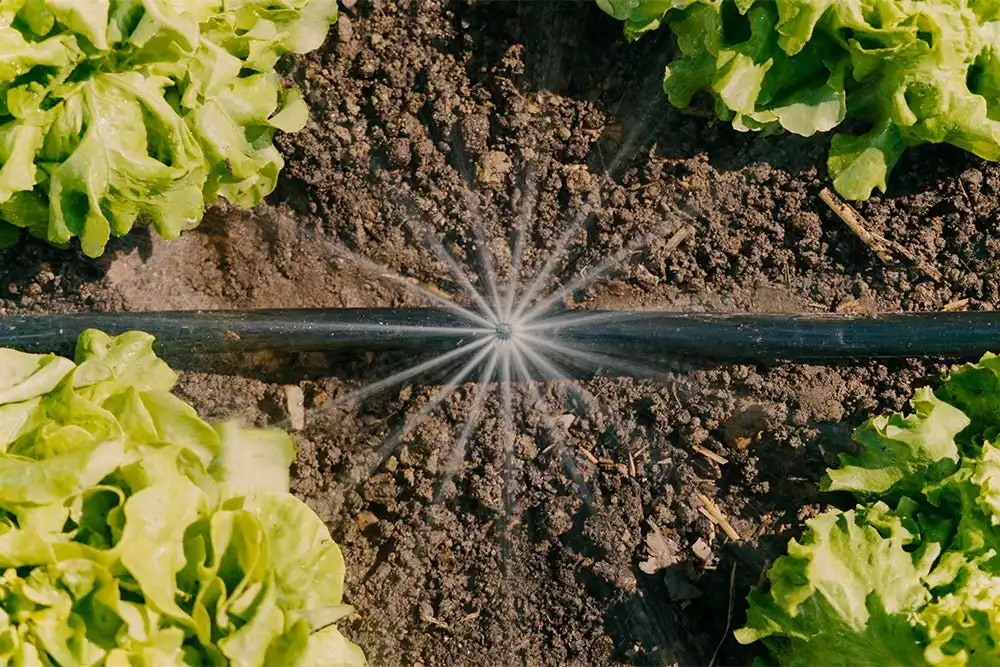
Irrigation management for fungi plays a crucial role in preventing disease outbreaks in your leafy greens. Overhead sprinkler systems create the perfect storm for fungal infections by keeping leaves wet for extended periods and physically spreading spores from infected plants to healthy ones. When water droplets hit diseased foliage, they pick up fungal spores and carry them to neighboring plants through splash dispersal.
Drip irrigation systems offer you a superior alternative for leaf wetness reduction. These systems deliver water directly to the soil around plant roots, keeping foliage dry and creating an environment hostile to fungal development. You can also use soaker hoses or hand watering at the base of plants to achieve similar results. Time your watering sessions for early morning hours, allowing any incidental moisture on leaves to evaporate quickly as temperatures rise.
Weed control in gardens extends beyond aesthetics—it’s a critical disease management strategy. Wild crucifers such as shepherd’s purse, field mustard, and wild radish act as reservoir hosts for the same fungal pathogens that attack your cultivated leafy greens. These weeds can harbor diseases like black rot, downy mildew, and white leaf spot throughout the year.
Maintain a 20-foot buffer zone around your garden beds free from cruciferous weeds. Regular cultivation, mulching, and targeted herbicide applications help you eliminate these disease harbors before they compromise your crop health.
5. Monitoring and Chemical Treatments Within an IPM Framework
Scouting for plant diseases forms the backbone of successful fungal disease management. You need to inspect your leafy greens at least twice weekly, examining both upper and lower leaf surfaces for early symptoms like yellowing, spotting, or unusual growth patterns. Check plants during different times of day, as some fungal signs become more visible in morning dew or evening humidity.
Early detection saves your entire crop. When you spot the first signs of infection, you can take immediate action before the disease spreads throughout your garden. Look for powdery white coatings, dark spots with yellow halos, or wilting seedlings that indicate damping-off disease.
Integrated pest management (IPM) combines monitoring with strategic chemical interventions. You should apply copper-based fungicides preventatively on a 7-14 day schedule, timing applications before predicted rain events when fungal spores spread most rapidly. This proactive approach protects healthy plants rather than trying to cure infected ones.

Seed treatments provide another layer of protection against soilborne pathogens. You can treat seeds with fungicides specifically targeting damping-off diseases before planting. This method prevents infection at the most vulnerable seedling stage.
How to treat fungal diseases in leafy greens requires balancing chemical controls with cultural practices. You must use fungicides judiciously, rotating active ingredients to prevent resistance development while maintaining the biological balance in your garden ecosystem.
Conclusion
Comprehensive fungal disease management requires dedication to multiple strategies working together as a unified system. You cannot rely on a single method to protect your leafy greens from persistent fungal pathogens that threaten your garden’s productivity.
The five approaches outlined here create a robust defense network:
- Crop rotation breaks disease cycles naturally
- Proper site preparation prevents waterlogged conditions
- Sanitation eliminates pathogen reservoirs
- Smart irrigation reduces infection opportunities
- Monitoring enables timely intervention

Sustainable garden care emerges when you combine these cultural practices with judicious chemical treatments. Your success depends on implementing these strategies consistently rather than waiting for problems to appear.
Start with the fundamentals – choose well-drained locations, rotate your crops, and maintain clean tools. Build upon this foundation with careful irrigation practices and regular plant inspections. When you understand how to treat fungal diseases in leafy greens through this integrated approach, you create an environment where healthy plants thrive and fungal pathogens struggle to establish themselves.
Your garden’s long-term health depends on this commitment to comprehensive disease management.