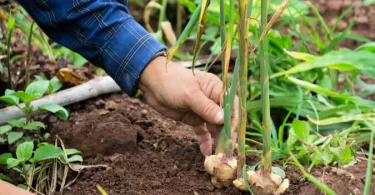
Healthy soil is the heart of every thriving organic garden. But what if your garden’s soil is dry, compacted, or low in nutrients? Don’t worry poor soil can be transformed into a fertile, life-filled base for your plants with the right organic methods. In this guide, you’ll learn how to enrich poor soil in organic gardening using natural techniques that are both sustainable and effective.
Understanding Poor Soil
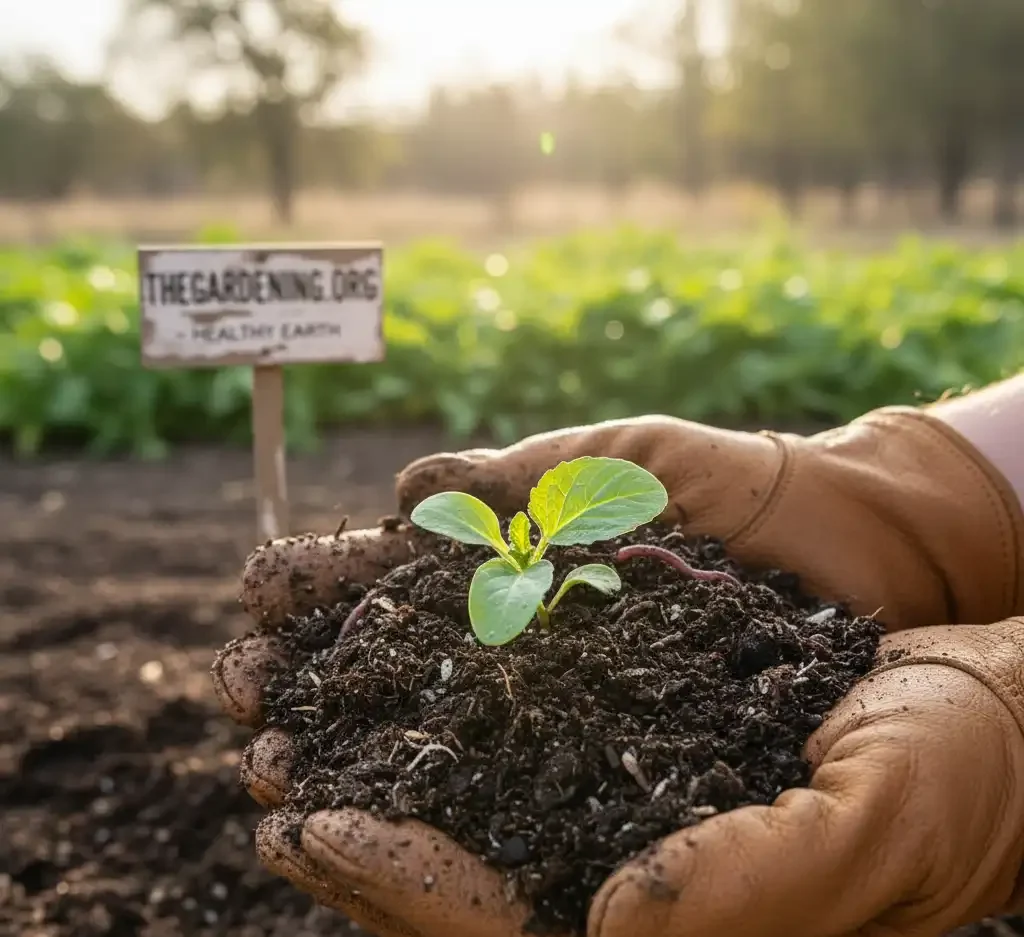
Before fixing the problem, you need to understand what makes soil “poor.” Poor soil generally lacks nutrients, organic matter, and proper structure to support healthy plant growth. The most common types include:
- Sandy Soil: Drains quickly, doesn’t hold nutrients or moisture well.
- Clay Soil: Heavy, compacted, and slow to drain, making it hard for roots to grow.
- Silty Soil: Can hold nutrients but often becomes crusty or compacted.
- Acidic or Alkaline Soil: Unbalanced pH levels hinder nutrient absorption.
Identifying your soil type is the first step. You can use a simple soil test kit to check its pH and nutrient levels. Once you know what you’re working with, it’s time to rebuild it organically.
Why Choose Organic Methods?
Many gardeners are tempted to use chemical fertilizers to fix soil problems quickly. However, these synthetic options provide only short-term results and can harm soil life in the long run.
Organic gardening, on the other hand, focuses on nurturing the soil ecosystem feeding beneficial microbes, improving structure, and creating balance. Over time, this leads to:
- Long-lasting fertility
- Better moisture retention
- Enhanced biodiversity
- Stronger, more resilient plants
1.Add Organic Matter Regularly

The most effective way to enrich poor soil is to feed it organic matter. This not only improves structure but also boosts microbial activity.
Types of Organic Matter:
- Compost: A mixture of decomposed kitchen scraps and yard waste rich in nutrients.
- Manure: Well-aged animal manure adds nitrogen and other minerals. Avoid fresh manure as it can burn plants.
- Leaf Mold: Decomposed leaves improve soil texture and moisture retention.
- Grass Clippings: Add in thin layers to avoid clumping and nitrogen overload.
Spread 2–3 inches of organic matter on top of the soil and mix it into the top 6–8 inches. Repeat this process seasonally for best results.
2. Use Green Manure and Cover Crops
Cover crops, also known as green manure, are plants grown specifically to improve soil quality. They add nutrients, prevent erosion, and encourage beneficial organisms.

Popular Cover Crops:
- Clover and Alfalfa – add nitrogen to the soil
- Rye – prevents erosion and suppresses weeds
- Buckwheat – grows fast and attracts pollinators
Once these crops mature, till or cut them down and let them decompose directly into the soil. This natural process enriches the soil with organic nutrients and humus.
3. Mulch for Moisture and Nutrients
Mulching is an underrated yet powerful method for improving poor soil. It protects against erosion, conserves water, and breaks down slowly to add nutrients.
Best Organic Mulch Options:
- Straw or hay
- Shredded leaves
- Wood chips or bark
- Cocoa husks or compost
Apply a 2–4 inch layer of mulch around plants, keeping it slightly away from stems to avoid rot. Over time, the mulch decomposes, turning into rich humus that enhances soil fertility.
4. Adjust Soil pH Organically

pH plays a crucial role in nutrient availability. Most vegetables prefer a slightly acidic to neutral pH (6.0–7.0).
If your soil is too acidic or alkaline, it can prevent plants from absorbing key nutrients.
Organic Ways to Adjust pH:
- For Acidic Soil (low pH): Add crushed limestone or wood ash.
- For Alkaline Soil (high pH): Add elemental sulfur, pine needles, or peat moss.
Always test your soil before applying amendments to avoid over-correction.
5. Encourage Earthworms and Microbes
A sign of healthy soil is the presence of earthworms and microbial life. These organisms aerate the soil, break down organic material, and release nutrients for plants.
To attract them:
- Avoid chemical fertilizers and pesticides.
- Keep the soil moist but not waterlogged.
- Add compost or worm castings regularly.

If your soil is lifeless, you can even introduce vermicompost, compost created by worms to jumpstart biological activity.
6. Avoid Over-Tilling
While tilling helps mix soil and organic matter, excessive tilling can disrupt soil structure and kill beneficial organisms.
Instead, adopt a no-till or low-till gardening method.
This involves layering organic materials on top of the soil (a process known as “sheet mulching”) and letting nature do the rest. Over time, worms and microbes will integrate the nutrients naturally.
7. Use Organic Fertilizers Wisely
Sometimes, poor soil needs an extra nutrient boost. Organic fertilizers release nutrients slowly and improve soil structure without harming the environment.
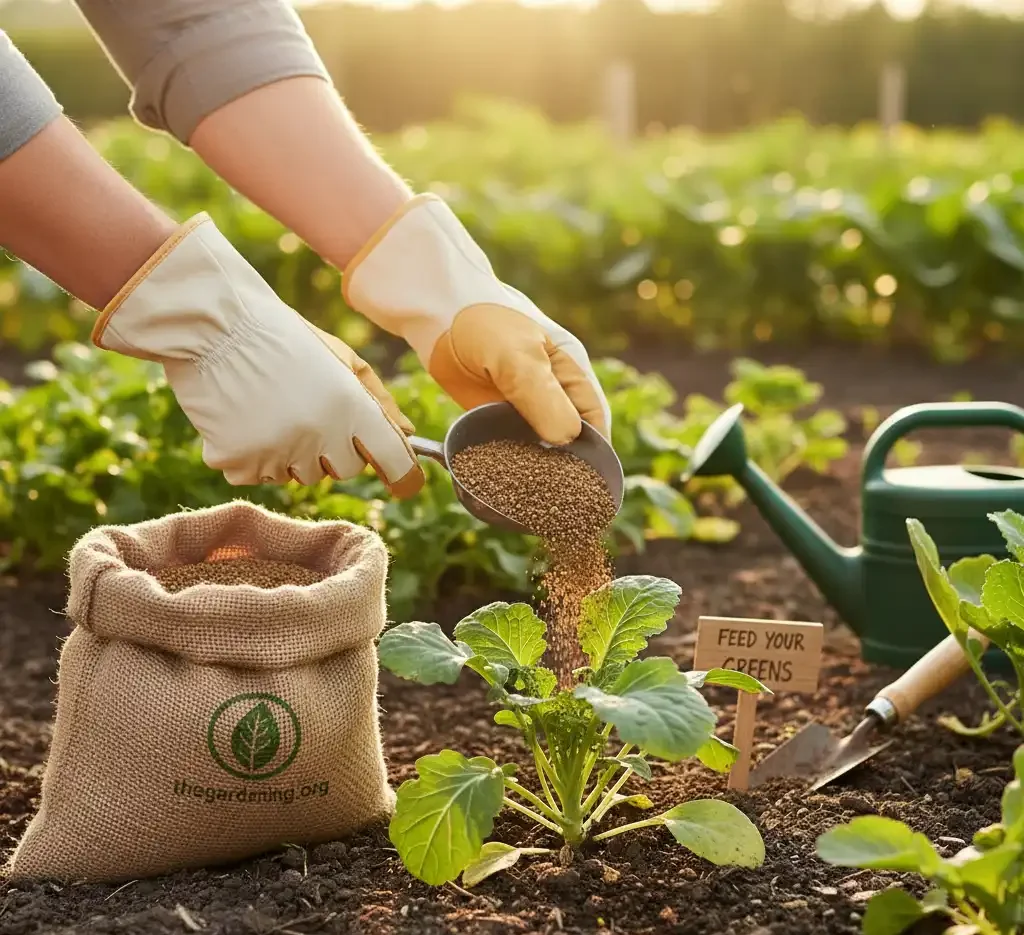
Good Options Include:
- Bone Meal: Adds phosphorus for root growth.
- Blood Meal: Provides nitrogen for leafy growth.
- Fish Emulsion: Liquid fertilizer that promotes overall health.
- Kelp Meal: Supplies trace minerals and boosts plant resilience.
Apply these according to package directions and avoid over-fertilizing, which can lead to nutrient imbalances.
8. Add Biochar for Long-Term Improvement
Biochar is a carbon-rich material made by burning organic waste in low oxygen. It acts like a sponge, holding nutrients and water while providing a habitat for beneficial microbes.
Adding biochar to your soil can:
- Improve nutrient retention
- Increase water-holding capacity
- Reduce soil acidity
- Support microbial life

Mix biochar with compost before adding it to your garden for best results.
9. Practice Crop Rotation
Growing the same plants in the same spot every year depletes soil nutrients. Rotate your crops annually to maintain a healthy nutrient balance.
Example:
- Year 1: Legumes (beans, peas) add nitrogen.
- Year 2: Leafy greens benefit from nitrogen-rich soil.
- Year 3: Root crops like carrots improve soil texture.
Crop rotation also helps prevent soil-borne diseases and pest buildup.
10. Harness the Power of Compost Tea
Compost tea is a nutrient-rich liquid made by steeping compost in water. It acts as a natural fertilizer and boosts microbial life in the soil.
How to Make It:
- Fill a bucket with water and add a few shovelfuls of compost.
- Let it steep for 24–48 hours, stirring occasionally.
- Strain and apply the liquid to soil or as a foliar spray.
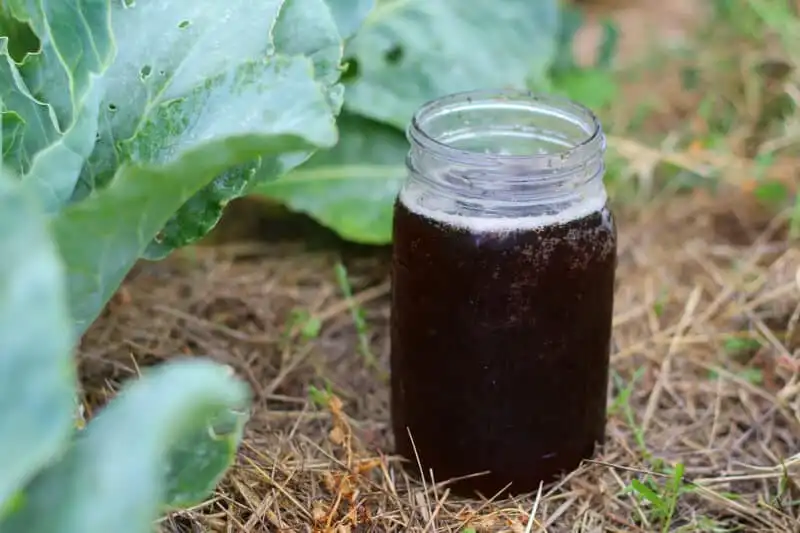
This gentle tonic nourishes plants and strengthens soil health without any chemicals.
Long-Term Benefits of Enriching Poor Soil Organically
Improving soil naturally is a gradual process, but the rewards are worth it. Within a few seasons, you’ll notice:
- Better water absorption and retention
- Healthier root systems
- Fewer pest and disease problems
- Abundant, nutrient-rich harvests
By following organic methods, you’re not only creating fertile soil but also contributing to a healthier planet.
Final Thoughts
Transforming poor soil into rich, productive earth is completely possible with patience and the right organic techniques. Whether you’re starting from sandy ground or heavy clay, these natural methods will help you enrich poor soil in organic gardening and enjoy a thriving, sustainable garden for years to come