A thriving vegetable garden starts with nutrient-rich soil. Among the essential nutrients, calcium plays a vital role in ensuring strong plant growth, preventing diseases, and boosting yield. Whether you’re a beginner or a seasoned gardener, understanding. Ways to add Natural Calcium Sources for Strong Vegetable Growth
Why Do Vegetables Need Calcium?
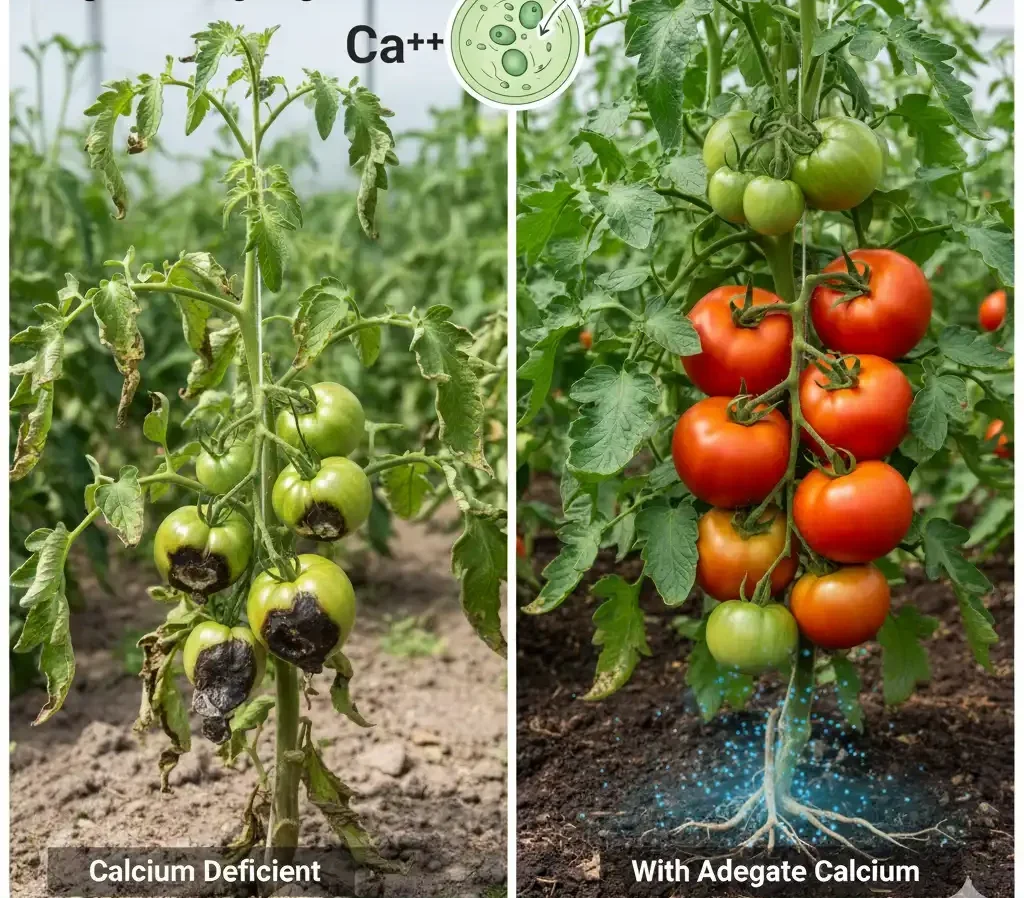
Calcium is not just important for human bones, it’s equally vital for plants! It strengthens plant cell walls, aids in root and leaf development, and supports nutrient uptake. Without enough calcium, vegetables can suffer from common problems such as:
- Blossom End Rot: Seen in tomatoes, peppers, and eggplants.
- Tip Burn: Common in lettuce and cabbage.
- Weak Stems and Poor Root Growth: Seen across many garden plants.
By maintaining a steady calcium supply, your vegetables will grow firm, healthy, and more resistant to diseases.
Signs of Calcium Deficiency in Vegetables
Watch out for these early warning signs that your soil might lack calcium:
- Young leaves turn yellow or distorted.
- Blossom end rot appears on fruits (dark sunken spots).
- Stunted plant growth or poor root development.
- Curling or dying leaf tips, especially on newer growth.
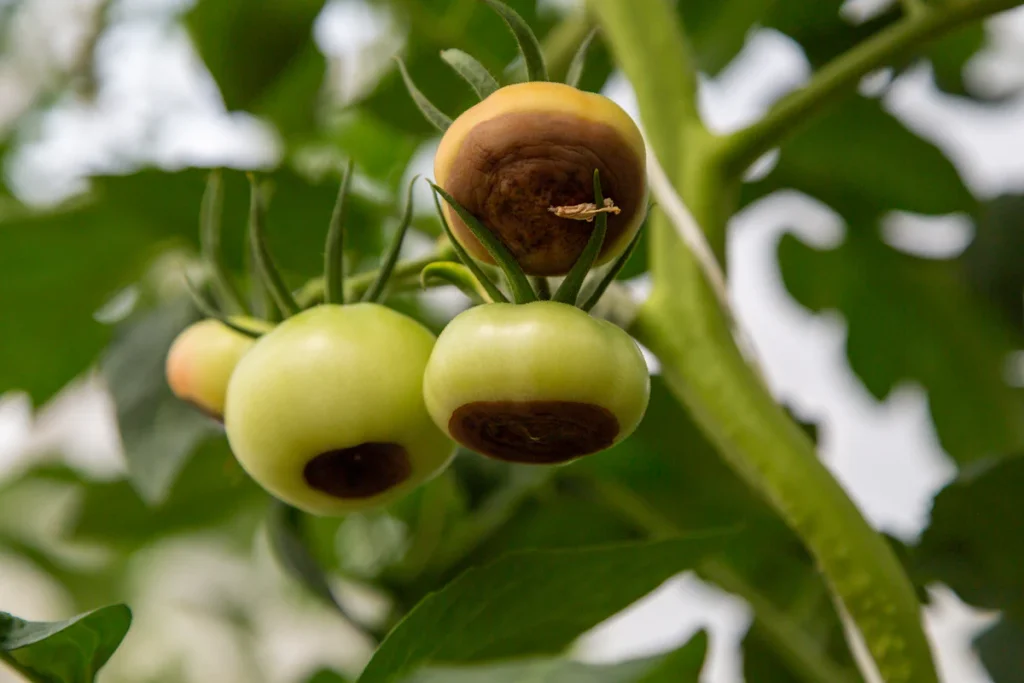
If you notice these symptoms, it’s time to enrich your soil with natural calcium sources.
Top Natural Calcium Sources for Your Garden
Here are some eco-friendly and cost-effective ways to add calcium to your vegetable garden naturally:
1. Crushed Eggshells
One of the easiest and most common sources of calcium. Simply rinse, dry, and crush eggshells into small pieces. Mix them into your compost or directly into the soil around plants.
Best for: Tomatoes, peppers, and leafy greens.

2. Bone Meal
Bone meal is a finely ground powder made from animal bones. It provides both calcium and phosphorus, promoting strong roots and flowering. Apply it during planting for long-lasting benefits.
Tip: Use sparingly, too much can raise soil pH.
3. Dolomite Lime
Dolomite lime contains calcium carbonate and magnesium carbonate. It’s perfect for balancing acidic soils, improving calcium levels, and enhancing nutrient absorption.
Use only if soil pH is below 6.5.
4. Wood Ash
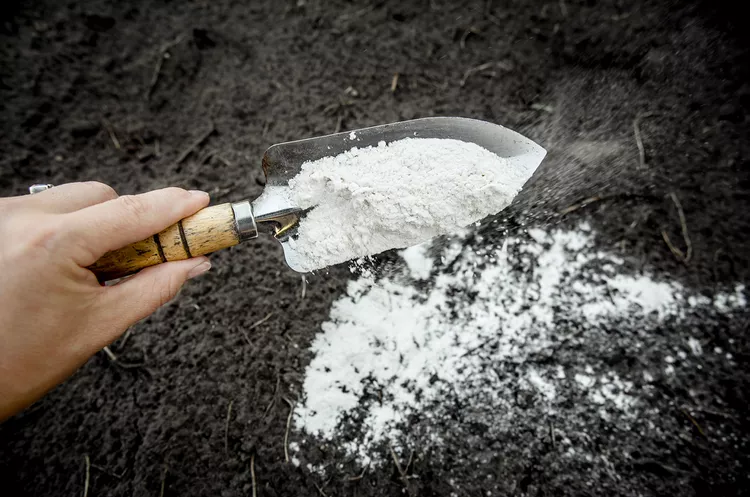
Wood ash from untreated wood is a great natural source of calcium carbonate and potassium. Sprinkle a small amount around your plants or mix it into compost.
Caution: Use moderately, too much can make soil too alkaline.
5. Gypsum (Calcium Sulfate)
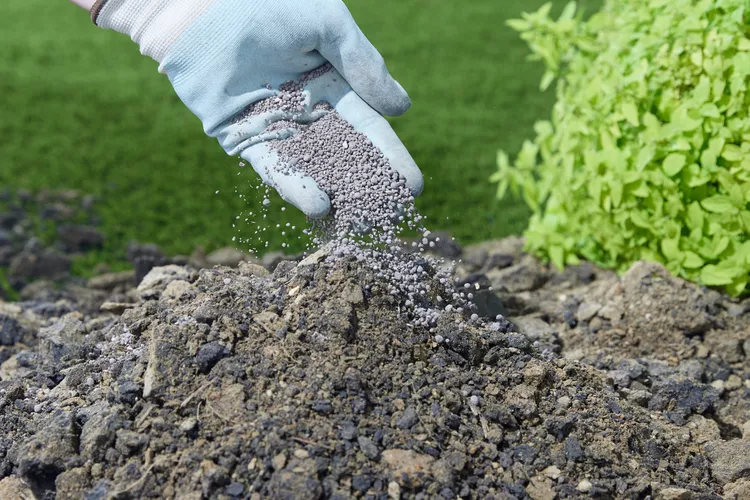
Gypsum improves soil structure, especially in clay-heavy soils, without affecting pH. It provides a steady calcium supply and helps with water penetration.
Ideal for: Garden beds with poor drainage.
6. Composted Vegetable Waste
Organic compost made from vegetable scraps, leaves, and garden waste contains trace amounts of calcium. Over time, it builds up your soil’s nutrient content and microbial activity.
Sustainable and chemical-free.
How to Add Calcium Naturally
Here’s how you can boost your garden’s calcium the right way:
- Replenish annually – Natural calcium sources work slowly, so consistent feeding is key.
- Test your soil – Check calcium and pH levels using a soil test kit.
- Choose the right source – Eggshells for mild boosts, lime or gypsum for bigger corrections.
- Apply during preparation – Add calcium sources when preparing your garden beds or compost piles.
- Water regularly – Calcium moves best through moist soil, so keep it evenly watered.
Eco-Friendly Benefits of Natural Calcium
Using natural calcium sources is not only great for plants but also for the planet. Unlike synthetic fertilizers, these methods:
- Reduce soil chemical buildup
- Encourage beneficial microbes
- Improve long-term soil fertility
- Recycle kitchen and garden waste
Your garden becomes more self-sufficient and sustainable over time!
Final Thoughts
Calcium is a cornerstone of healthy vegetable growth. By using natural sources like eggshells, bone meal, and gypsum, you can enrich your soil, prevent diseases, and boost plant productivity without chemicals.
A calcium-rich garden means stronger plants, bigger harvests, and a greener planet. Start small, stay consistent, and watch your backyard bloom with vitality!