Introduction
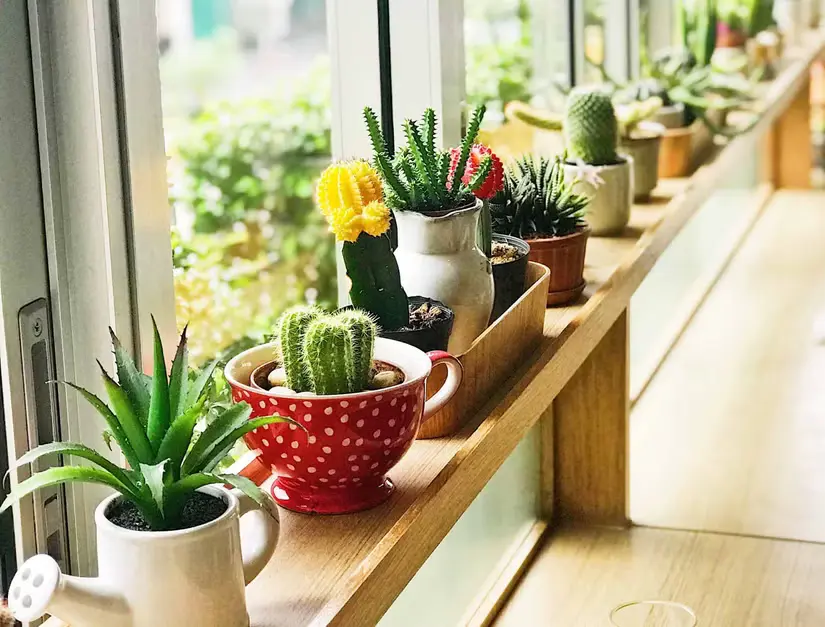
Planting compact plants for indoor living spaces has become one of the most effective ways to bring nature indoors without sacrificing comfort or square footage. As modern homes and apartments become smaller, indoor gardening has shifted toward smart, space-saving plant choices that deliver beauty, freshness, and wellness benefits. Compact plants are ideal for shelves, desks, windowsills, and corners, making them perfect for apartments, studios, and urban homes.
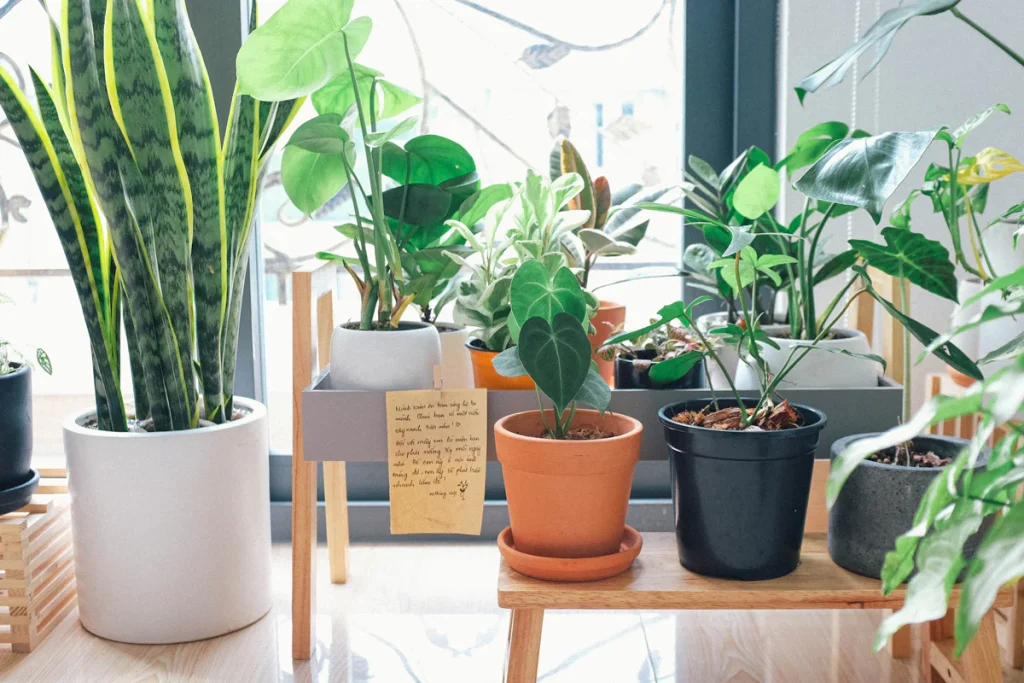
This comprehensive guide will walk you through everything you need to know about planting compact plants for indoor living spaces from choosing the right plants and containers to care tips, styling ideas, and troubleshooting common problems.
Choosing the Right Containers
When planting compact plants for indoor living spaces, container selection plays a major role.
Key Tips:
- Use small to medium pots to prevent overcrowding
- Ensure drainage holes to avoid root rot
- Choose lightweight containers for shelves
- Opt for neutral or minimalist designs for modern interiors
Self-watering pots are also a great option for busy lifestyles.
Best Soil for Compact Indoor Plants

The right soil mix ensures healthy growth. Most compact indoor plants prefer:
- Well‑draining potting mix
- Added perlite or sand for aeration
- Organic matter for nutrients
Avoid using garden soil, as it can compact easily and lead to drainage issues indoors.
Light Requirements for Indoor Compact Plants
Light is one of the most important factors when planting compact plants for indoor living spaces.
Light Types Explained:
- Low light: Snake plant, ZZ plant
- Medium light: Peace lily, pothos
- Bright indirect light: Succulents, herbs
Rotate plants occasionally to ensure even growth and prevent leaning.
Watering Tips for Compact Indoor Plants
Overwatering is the most common mistake in indoor gardening.
Smart Watering Practices:
- Check soil moisture before watering
- Water only when the top inch of soil is dry
- Use room‑temperature water
- Reduce watering in winter
Compact plants generally require less water than large houseplants.
Fertilizing Compact Plants Indoors
Indoor plants need nutrients, but over‑fertilizing can harm them.

- Use a balanced liquid fertilizer
- Fertilize once every 4–6 weeks during growing season
- Avoid fertilizing in dormant months
Organic fertilizers are gentle and ideal for indoor use.
Styling Ideas for Indoor Living Spaces
Planting compact plants for indoor living spaces is also about visual balance.
Creative Styling Ideas:
- Arrange plants on floating shelves
- Use hanging planters near windows
- Create a mini plant corner
- Combine plants of varying heights
- Place small plants on work desks or side tables
Minimalist styling prevents the space from feeling crowded.
Common Problems and Troubleshooting Table

Below is a quick troubleshooting table to help resolve common indoor plant issues:
| Problem | Possible Cause | Solution |
|---|---|---|
| Yellow leaves | Overwatering | Reduce watering and improve drainage |
| Wilting plant | Underwatering | Increase watering gradually |
| Brown leaf tips | Low humidity | Mist plants or use a humidifier |
| Slow growth | Low light or lack of nutrients | Move to brighter area and fertilize |
| Root rot | Poor drainage | Repot with fresh, well‑draining soil |
| Pests (gnats, aphids) | Excess moisture | Let soil dry and use neem oil |
Seasonal Care Tips
Summer:
- Increase watering frequency slightly
- Protect plants from direct sunlight
Winter:
- Reduce watering
- Keep plants away from cold drafts
- Avoid fertilizing

Seasonal adjustments ensure long‑term plant health.
Benefits of Indoor Compact Plants
Planting compact plants for indoor living spaces offers multiple lifestyle benefits:
- Enhances home aesthetics
- Improves air quality
- Boosts productivity
- Creates a calming environment
- Encourages sustainable living
Even a few small plants can transform the feel of a room.
Conclusion
Planting compact plants for indoor living spaces is a smart, stylish, and practical solution for modern homes. With the right plant selection, proper care, and creative placement, even the smallest space can become a green sanctuary. Compact plants not only beautify interiors but also support mental well‑being and healthier living.
Whether you are a beginner or an experienced indoor gardener, starting small with compact plants is the perfect way to grow your indoor oasis, one plant at a time.