Beautiful flower beds filled with vibrant, long-lasting petals don’t happen by chance. One of the most important yet often misunderstood aspects of successful flower gardening is fertilizing flower beds properly. When flowers receive the right nutrients at the right time, they reward you with intense color, stronger stems, extended blooming periods, and overall healthier growth.
Whether you’re growing roses, petunias, marigolds, lilies, or seasonal annuals, understanding how and when to fertilize can completely transform your garden. This detailed guide will walk you through everything you need to know about fertilizing flower beds for bright and long-lasting petals.
Why Fertilizing Flower Beds Is Essential for Bloom Quality
Flowers rely heavily on nutrients stored in the soil. Over time, especially during active blooming seasons, soil nutrients become depleted. Without replenishment, flowers may produce dull petals, fewer blooms, or short flowering cycles.
Proper fertilization helps:
- Enhance petal color and vibrancy
- Extend flowering duration
- Promote strong root development
- Improve resistance to pests and diseases
- Encourage continuous blooming
In short, fertilizing flower beds is the foundation of long-lasting floral beauty.
Choosing the Best Fertilizer for Flower Beds
Selecting the right fertilizer depends on your flowers, soil condition, and gardening style.

Organic Fertilizers
Organic fertilizers release nutrients slowly and improve soil structure.
Popular organic options include:
- Compost
- Bone meal
- Fish emulsion
- Seaweed extract
- Well-rotted manure
Benefits:
Eco-friendly, improves soil health, safe for long-term use
Chemical (Synthetic) Fertilizers
These fertilizers provide fast results and precise nutrient ratios.
Common types:
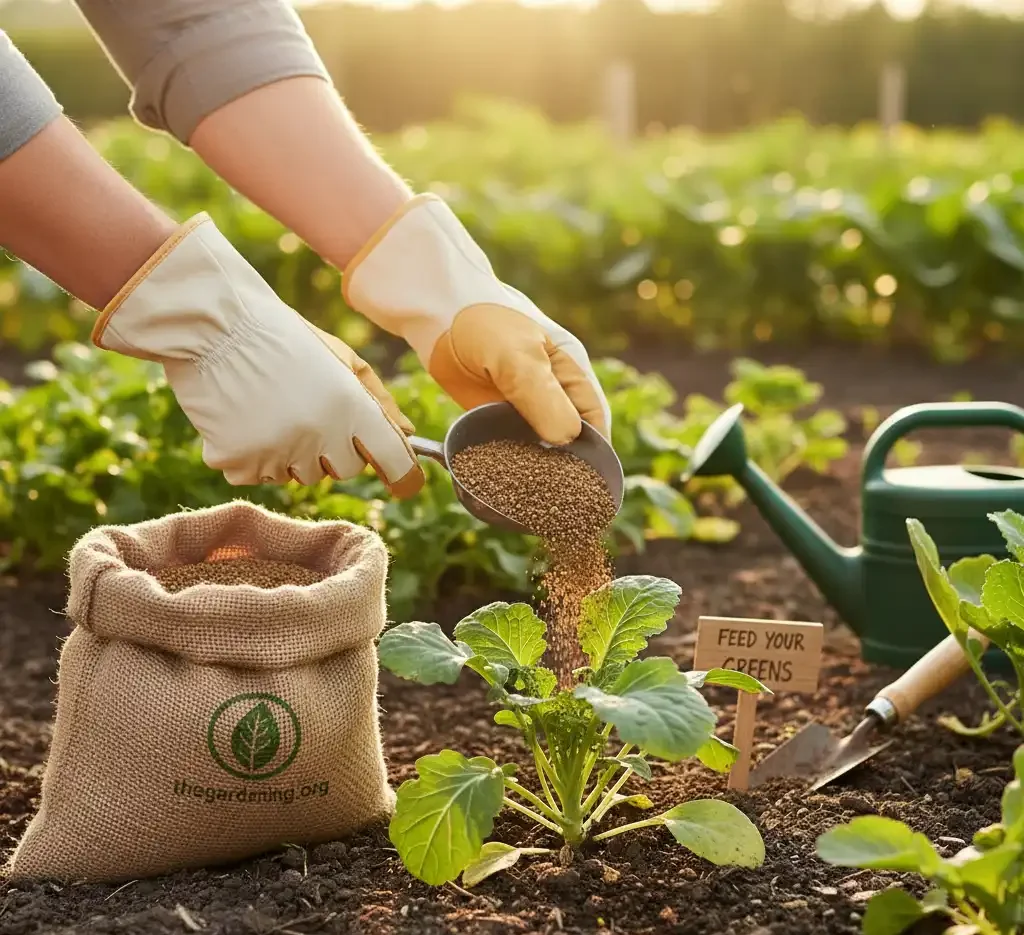
- Granular bloom fertilizers
- Water-soluble flower feeds
- Slow-release pellets
Benefits:
Quick nutrient availability, controlled dosing
For best results, many gardeners use a combination of organic matter and targeted synthetic fertilizers.
When to Fertilize Flower Beds for Maximum Bloom
Timing plays a huge role in fertilizing flower beds for bright and long-lasting petals.
Early Spring
- Apply compost or balanced fertilizer
- Supports strong root and leaf development
Pre-Bloom Stage

- Switch to bloom-boosting fertilizer
- Encourages bud formation
During Flowering
- Light, regular feeding every 2–3 weeks
- Helps maintain vibrant petals and continuous blooms
Late Season
- Reduce fertilization
- Allows plants to slow growth naturally
Avoid fertilizing during extreme heat or drought, as this can stress plants.
How to Fertilize Flower Beds Correctly
Improper fertilization can do more harm than good. Follow these best practices for optimal results.
Step 1: Test Your Soil

A soil test reveals nutrient deficiencies and pH levels. Most flowers prefer slightly acidic to neutral soil (pH 6.0–7.0).
Step 2: Prepare the Soil
Loosen soil and mix in organic compost to improve nutrient retention and drainage.
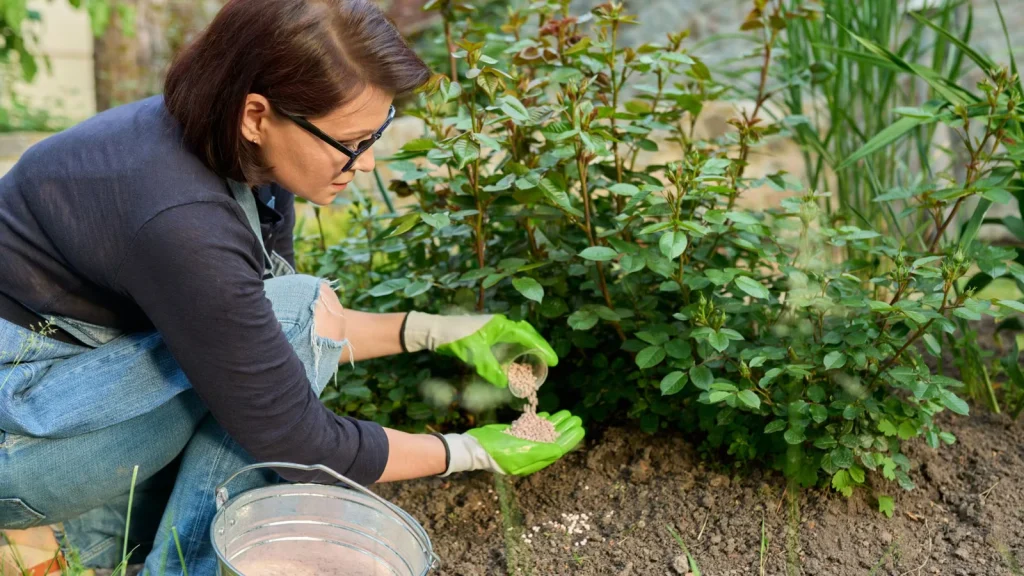
Step 3: Apply Fertilizer Evenly
- Granular fertilizers should be spread evenly
- Liquid fertilizers should be diluted properly
Step 4: Water Thoroughly
- Watering helps nutrients reach the roots and prevents fertilizer burn.
- Consistency is key when fertilizing flower beds for long-lasting petals.
Organic Boosters for Extra-Brilliant Blooms
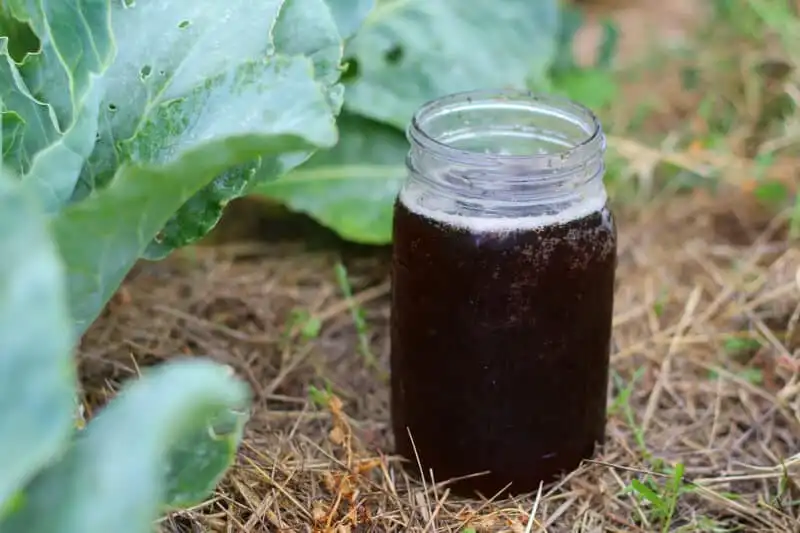
If you want naturally vibrant petals, consider adding these organic bloom enhancers:
- Epsom salt (for magnesium-loving flowers)
- Banana peel tea (potassium boost)
- Compost tea (microbial activity)
- Wood ash (for potassium, use sparingly)
These supplements work best when combined with proper fertilization.
Watering and Fertilization: A Perfect Partnership
Water and nutrients work together. Without proper watering, fertilizers cannot be absorbed efficiently.
Best practices include:
- Water deeply but less frequently
- Avoid overhead watering during bloom
- Mulch flower beds to retain moisture
Well-hydrated soil enhances the effects of fertilizing flower beds for bright petals.
Seasonal Maintenance for Long-Lasting Flowers
Fertilization alone isn’t enough. Combine it with good maintenance habits:
- Deadhead spent blooms regularly
- Remove weak or diseased growth
- Mulch to regulate soil temperature
- Rotate flowers annually to prevent nutrient depletion
Healthy plants respond better to fertilizers and bloom longer.
Final Thoughts
Fertilizing flower beds for bright and long-lasting petals is both a science and an art. By understanding plant nutrient needs, choosing the right fertilizer, applying it at the correct time, and avoiding common mistakes, you can enjoy colorful, vibrant blooms throughout the growing season.
Whether you prefer organic methods or modern fertilizers, consistency and balance are the keys to success. With proper care, your flower beds will not only look stunning but will continue to bloom beautifully year after year.