Water is one of the most valuable resources in gardening, yet a large amount of rainwater goes to waste every year. Rainwater harvesting is a simple, eco-friendly, and cost-effective way to collect and reuse rainwater for garden watering. Whether you have a small home garden, a balcony setup, or a larger landscape, harvesting rainwater can help you maintain healthy plants while conserving water.
This detailed guide explores practical rainwater harvesting ideas for garden watering, explains their benefits, and provides troubleshooting tips to help you get started with confidence.
Simple Rainwater Harvesting Ideas for Home Gardens
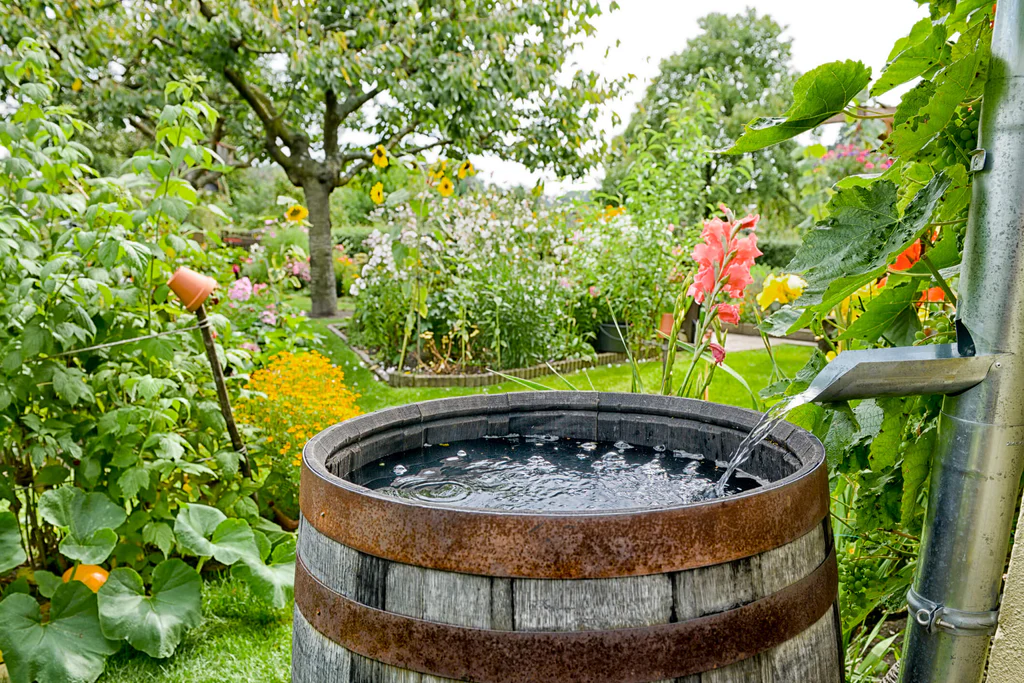
1. Rain Barrels
Rain barrels are one of the most popular and beginner-friendly rainwater harvesting solutions. They are placed under downspouts to collect water from rooftops.
Tips for use:
- Choose food-grade plastic or rust-free barrels.
- Install a mesh screen to keep debris and mosquitoes out.
- Elevate the barrel slightly to improve water flow.
Rain barrels are ideal for watering flower beds, vegetable patches, and potted plants.
2. Rooftop Collection Systems
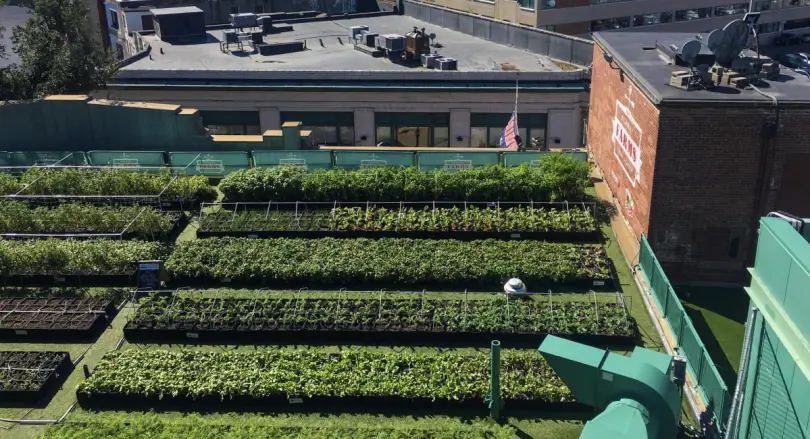
Rooftop rainwater harvesting involves directing rainwater from roofs into larger storage tanks. Gutters and pipes guide water into tanks where it can be stored for extended periods.
Best practices:
- Clean roofs and gutters regularly.
- Add a first-flush system to remove initial dirty runoff.
- Use covered tanks to prevent algae growth.
This system works well for medium to large gardens that require consistent watering.
3. Underground Storage Tanks
For gardeners with limited surface space, underground tanks are an excellent solution. These tanks store rainwater below ground, keeping it cool and protected from sunlight.
Advantages:
- Saves space above ground.
- Reduces evaporation losses.
- Provides large storage capacity.
Although installation costs are higher, underground tanks are efficient and long-lasting.
4. DIY Rainwater Harvesting Systems
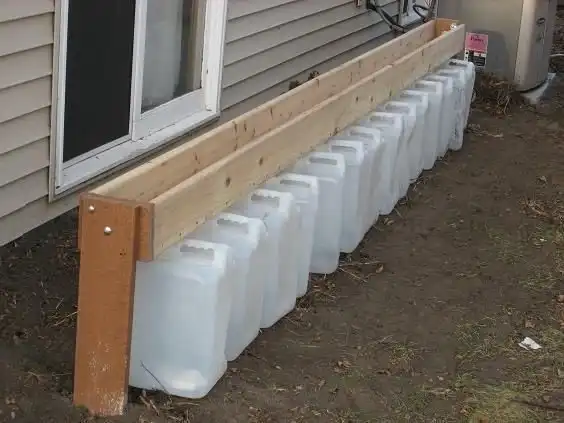
DIY systems are perfect for gardeners on a budget. Using recycled containers, pipes, and connectors, you can create a customized rainwater harvesting setup.
Common DIY ideas:
- Connecting multiple buckets with overflow pipes.
- Using old drums or containers as storage units.
- Creating gravity-fed watering systems.
DIY solutions allow flexibility and creativity while promoting sustainability.
5. Rain Gardens
A rain garden is a shallow, planted depression designed to collect and absorb rainwater runoff. Instead of storing water, it allows rainwater to slowly soak into the soil.
Benefits of rain gardens:
- Prevents waterlogging.
- Improves soil health.
- Supports native plants and pollinators.
Rain gardens are especially useful in areas prone to heavy rainfall.
6. Drip Irrigation Using Harvested Rainwater
Drip irrigation systems can be connected to rainwater storage tanks to deliver water directly to plant roots. This method reduces water waste and improves efficiency.
Why it works well:
- Minimizes evaporation.
- Prevents overwatering.
- Saves time and effort.
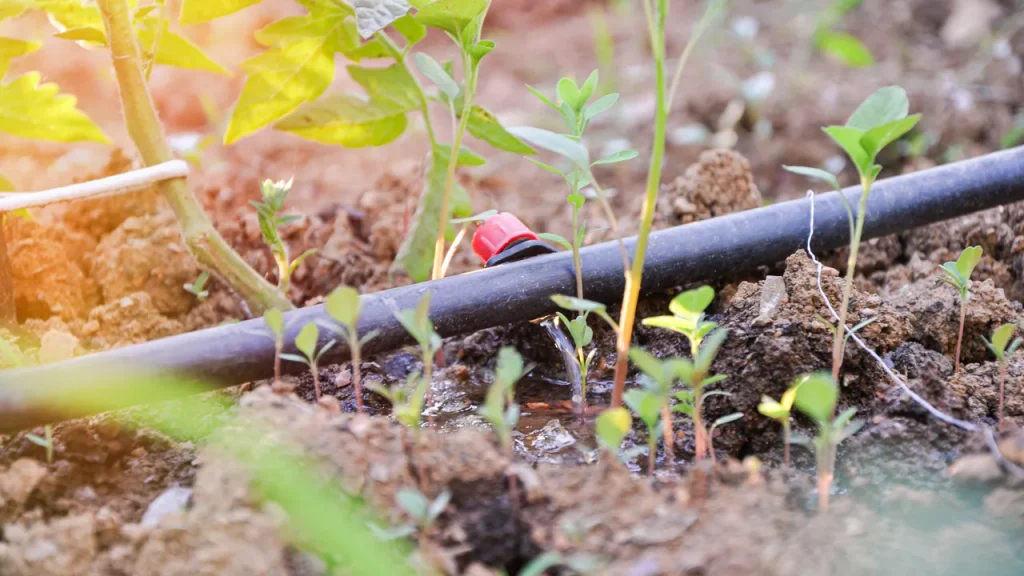
Combining drip irrigation with rainwater harvesting creates a highly sustainable watering system.
How to Use Harvested Rainwater Safely
To ensure safe and effective garden watering, follow these guidelines:
- Avoid using harvested rainwater on edible leaves without washing.
- Keep storage containers covered to prevent contamination.
- Clean filters, screens, and gutters regularly.
- Use stored water within a reasonable time to maintain freshness.
Proper maintenance ensures that your rainwater harvesting system remains reliable and hygienic.
Troubleshooting Rainwater Harvesting Systems
The table below highlights common problems and practical solutions for rainwater harvesting systems used in garden watering:
| Problem | Possible Cause | Solution |
|---|---|---|
| Low water collection | Small roof area or light rainfall | Increase collection surface or add more barrels |
| Mosquito breeding | Open or uncovered storage | Install tight lids and mesh screens |
| Bad odor in water | Organic matter buildup | Clean tank and install a filter system |
| Overflow during heavy rain | Insufficient storage capacity | Add overflow pipes or extra tanks |
| Algae growth | Sunlight exposure | Use opaque containers or cover tanks |
| Blocked gutters | Leaves and debris | Clean gutters regularly |
| Slow water flow | Improper elevation | Raise barrel height or use gravity-fed pipes |
Maintenance Tips for Long-Term Success
Regular maintenance keeps your rainwater harvesting system efficient:
- Inspect gutters and downspouts monthly.
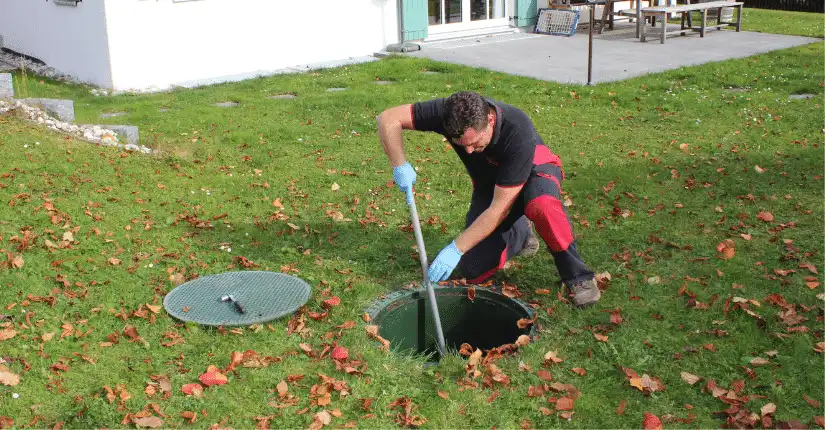
- Clean storage tanks at least twice a year.
- Check for leaks or cracks in containers.
- Flush the system before monsoon or heavy rain seasons.
A well-maintained system can last for many years with minimal cost.
Final Thoughts
Smart rainwater harvesting ideas for garden watering offer an effective way to conserve water, reduce expenses, and support sustainable gardening. From simple rain barrels to advanced irrigation systems, there are solutions for every gardener.
By harvesting rainwater and using it wisely, you not only protect the environment but also create a healthier, more resilient garden. Start small, maintain your system regularly, and enjoy the long-term benefits of eco-friendly garden watering.