In today’s rapidly urbanizing world, gardens are more than just decorative spaces, they can become lifelines for birds, bees, butterflies, and other wildlife. Wildlife friendly gardening practices focus on working with nature rather than against it, creating a healthy ecosystem right in your backyard. Whether you have a small balcony, lawn, or large garden, simple changes can make a big impact on local biodiversity.
This guide will walk you through proven wildlife friendly gardening practices, benefits, plant choices, and common problems with practical solutions.
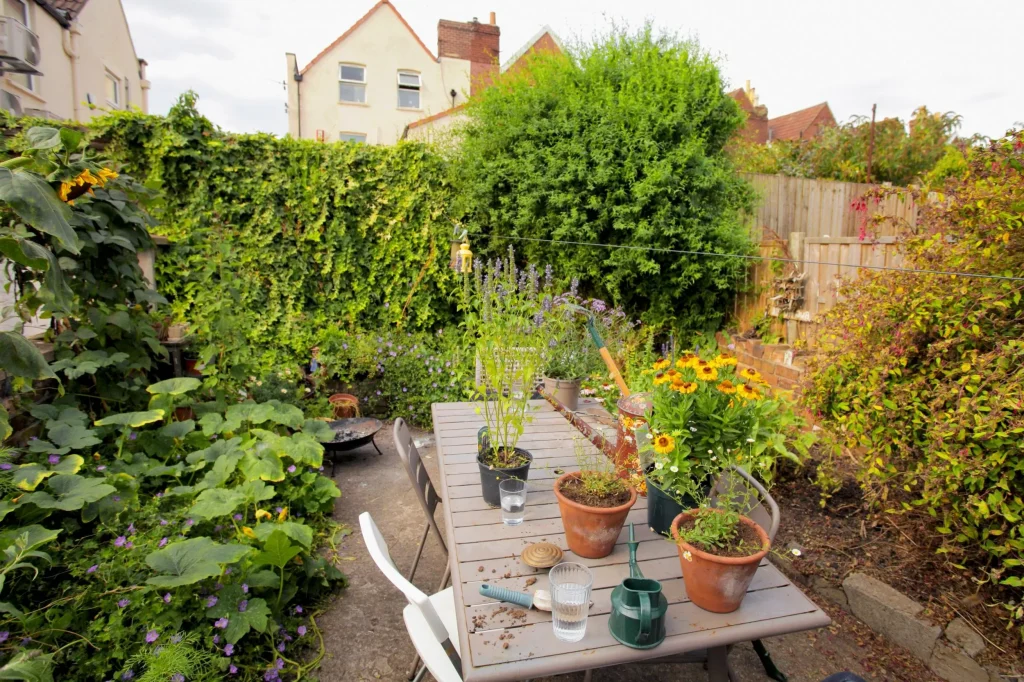
Key Wildlife Friendly Gardening Practices
1. Grow Native Plants
Native plants are adapted to your local climate and provide the best food and shelter for wildlife.
Benefits of native plants:
- Require less water
- Resist pests naturally
- Attract native birds and insects
Examples:
- Wildflowers
- Native grasses
- Flowering shrubs and trees
Tip: Replace exotic ornamentals with native flowering plants gradually.
2. Avoid Chemical Pesticides and Fertilizers
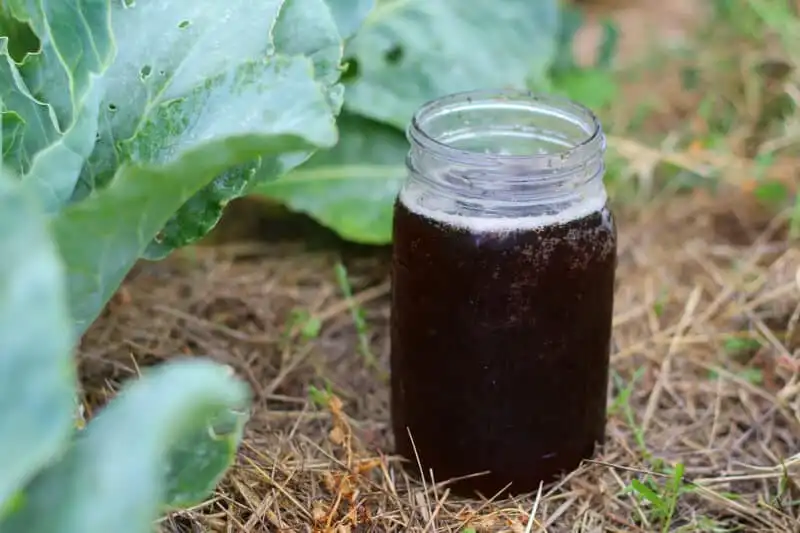
Chemicals harm beneficial insects like bees and ladybugs.
Natural alternatives:
- Neem oil
- Compost tea
- Hand-picking pests
- Companion planting
A chemical-free garden encourages natural predators like frogs, birds, and spiders.
3. Provide Food Sources for Wildlife
Different wildlife species need different foods.
Food ideas:
- Nectar-rich flowers for bees and butterflies
- Seed-producing plants for birds
- Berry bushes for small mammals
- Host plants for caterpillars
Planting a variety ensures year-round food availability.
4. Create Shelter and Nesting Spaces
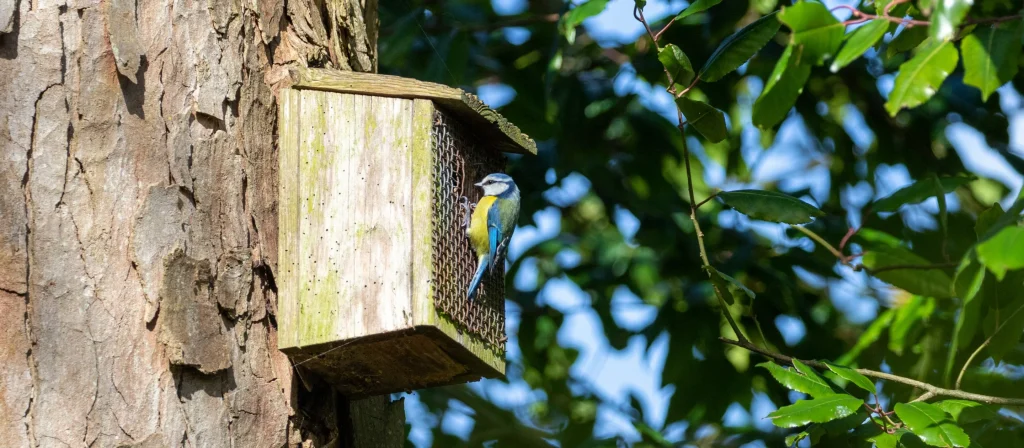
Wildlife needs safe places to rest, hide, and breed.
Shelter ideas:
- Birdhouses and nesting boxes
- Dense shrubs and hedges
- Rock piles or log stacks
- Leaving some leaf litter
Avoid over-cleaning your garden—nature thrives in “messy” spaces.
5. Add a Water Source
Water is essential for survival, especially during hot weather.
Simple water features:
- Shallow birdbaths
- Small ponds
- Water bowls with stones for insects
Ensure water is clean and refreshed regularly.
6. Encourage Pollinators
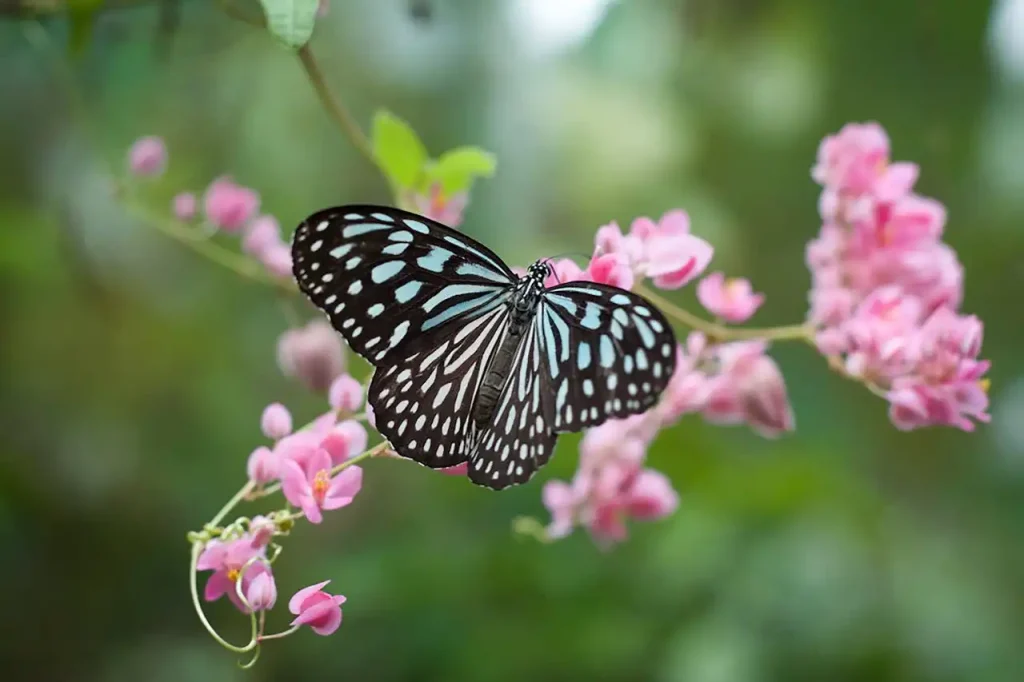
Pollinators are crucial for plant reproduction.
Pollinator-friendly tips:
- Plant flowers with different bloom times
- Choose open, single-petal flowers
- Group similar plants together
- Avoid hybrid plants with little nectar
7. Reduce Lawn Areas
Traditional lawns offer little value to wildlife.
Alternatives to lawns:
- Wildflower meadows
- Ground covers
- Native grasses
- Herb gardens
Even reducing a small lawn area can significantly help biodiversity.
8. Practice Sustainable Gardening
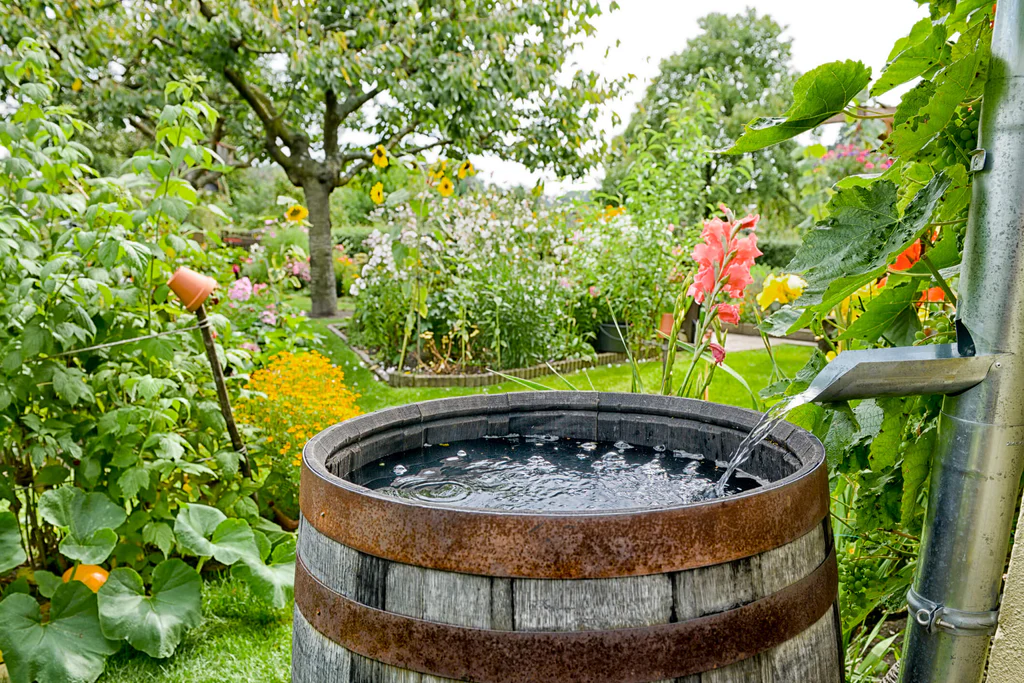
Sustainability and wildlife-friendly gardening go hand in hand.
Eco-friendly practices include:
- Using recycled garden materials
- Rainwater harvesting
- Composting kitchen waste
- Mulching to retain moisture
Best Plants for Wildlife Friendly Gardens
| Plant Type | Wildlife Attracted |
|---|---|
| Sunflowers | Birds, bees |
| Lavender | Bees, butterflies |
| Milkweed | Monarch butterflies |
| Berry bushes | Birds, mammals |
| Native grasses | Insects, birds |
Wildlife Friendly Gardening for Small Spaces
You don’t need a large yard to make a difference.

Ideas for balconies and patios:
- Pots with native flowers
- Hanging bird feeders
- Shallow water dishes
- Vertical gardens
Even a few containers can support pollinators.
Long-Term Benefits of Wildlife Friendly Gardening Practices
A positive impact on local ecosystems
- Healthier soil and plants
- Reduced garden costs
- Natural pest control
- Increased crop yields
- Emotional well-being and stress relief
Wildlife Friendly Gardening Troubleshooting Table
| Problem | Possible Cause | Solution |
|---|---|---|
| Few birds visiting | Lack of food or shelter | Add bird feeders, berry plants, and shrubs |
| No pollinators | Chemical use or wrong plants | Switch to native flowering plants and avoid pesticides |
| Plants being eaten | Wildlife feeding | Use fencing, plant sacrificial crops |
| Stagnant water attracting mosquitoes | Poor water circulation | Change water frequently, add moving water |
| Plants dying quickly | Wrong plant selection | Choose native, climate-appropriate plants |
| Soil drying out fast | Poor soil health | Mulch and add organic compost |
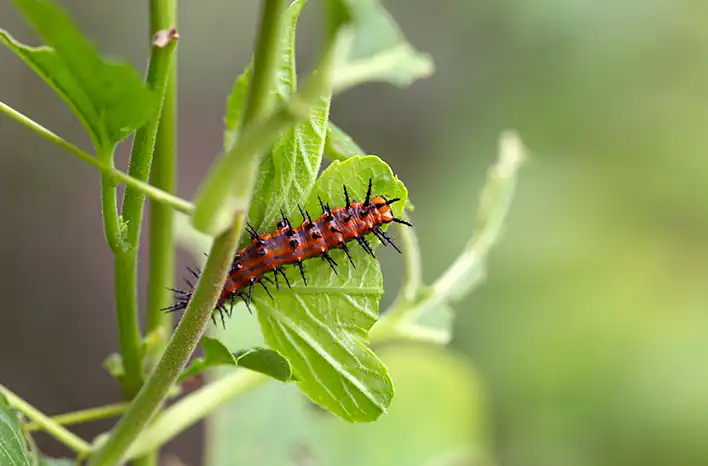
| Caterpillars damaging leaves | Host plant activity | Leave them—they support butterflies |
Final Thoughts
Wildlife friendly gardening practices transform your garden into a thriving ecosystem where plants, animals, and humans coexist naturally. By planting native species, avoiding chemicals, providing food and water, and allowing nature to guide your gardening choices, you create a space that is both beautiful and beneficial.
Every wildlife-friendly garden, no matter how small helps protect biodiversity and supports a healthier planet