Starting an edible garden in the spring is one of the smartest decisions a home grower can make. The earth wakes up, daylight increases, and plants naturally prepare to grow faster. Yet many beginners fail – not because gardening is difficult, but because they start without a clear plan.
This spring edible garden starter guide will walk you through simple, proven tips to help you grow fresh, healthy food. Whether you’re working with containers in the backyard, in raised beds or on the balcony, this guide will help you avoid common mistakes and set your garden up for success.
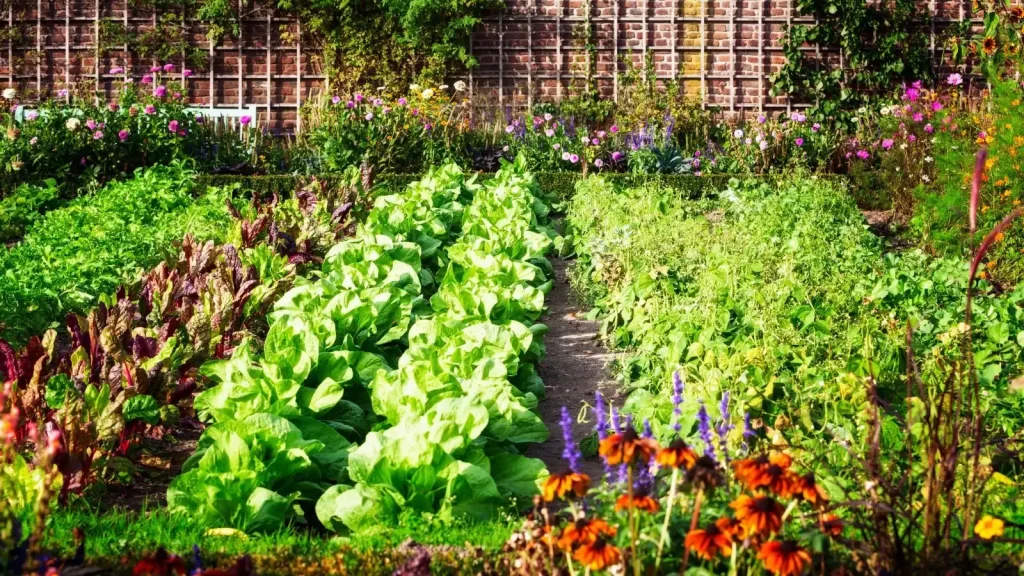
Step 1: Choose the Right Location (Sunlight Matters)
Check your location before buying seeds or soil.
Most edible plants require at least 6-8 hours of direct sunlight per day. Tomatoes, peppers, cucumbers and beans require full sun, while lettuce, spinach and herbs tolerate partial shade.
Quick checklist:
- See where the sunlight falls during the day
- Avoid areas in the shadow of walls or trees
- Ensure good ventilation
If you are gardening in containers, choose a location where you can easily move around as the sun changes.
Step 2: Decide What to Grow (Beginner-Friendly Crops)
One of the biggest beginner mistakes is growing too much or the wrong crops.
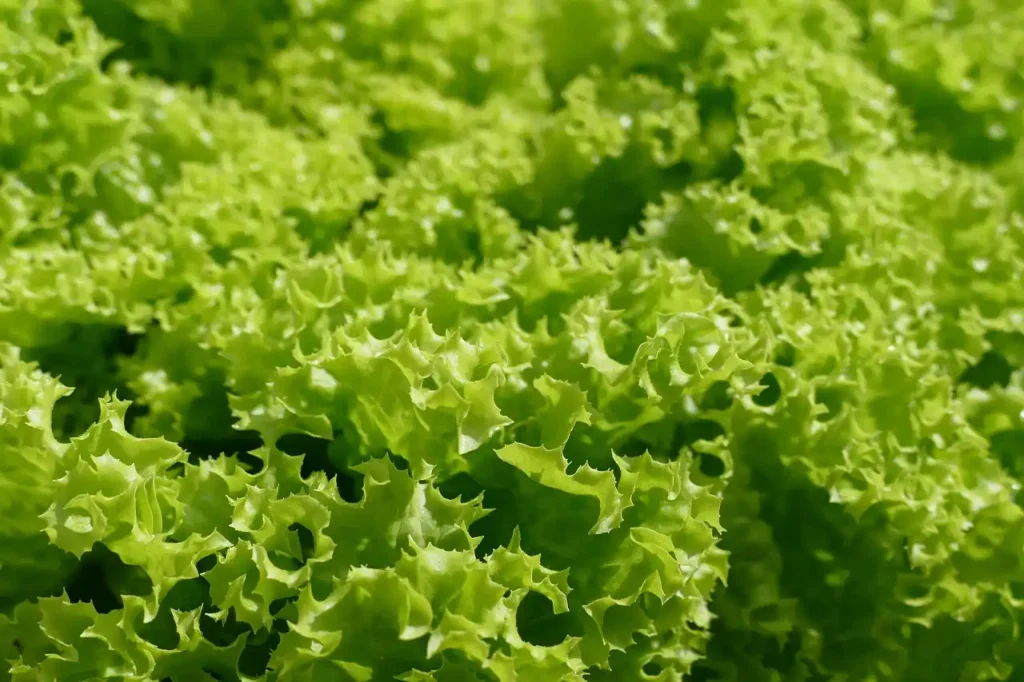
Start with plants that are fast-growing, forgiving, and productive.
Best Crops for a Spring Edible Garden
- Leafy greens: Lettuce, spinach, arugula
- Root vegetables: Radishes, carrots, beets
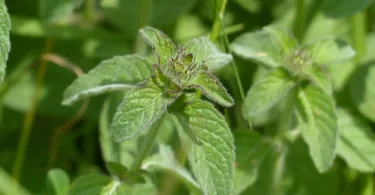
- Herbs: Cilantro, parsley, mint, chives
- Cool-season vegetables: Peas, broccoli, cabbage
Tip: Grow what you actually eat. A small harvest you use is better than a large one that goes to waste.
Step 3: Prepare Healthy Soil (This Is Non-Negotiable)
Great gardens start with great soil. Poor soil leads to weak plants, low yields, and constant problems.
How to Prepare Soil for Spring Planting
- Loosen soil 8–12 inches deep
- Remove rocks and weeds
- Mix in compost or well-rotted manure
- Ensure good drainage
For containers or raised beds, use a high-quality vegetable potting mix, not garden soil.
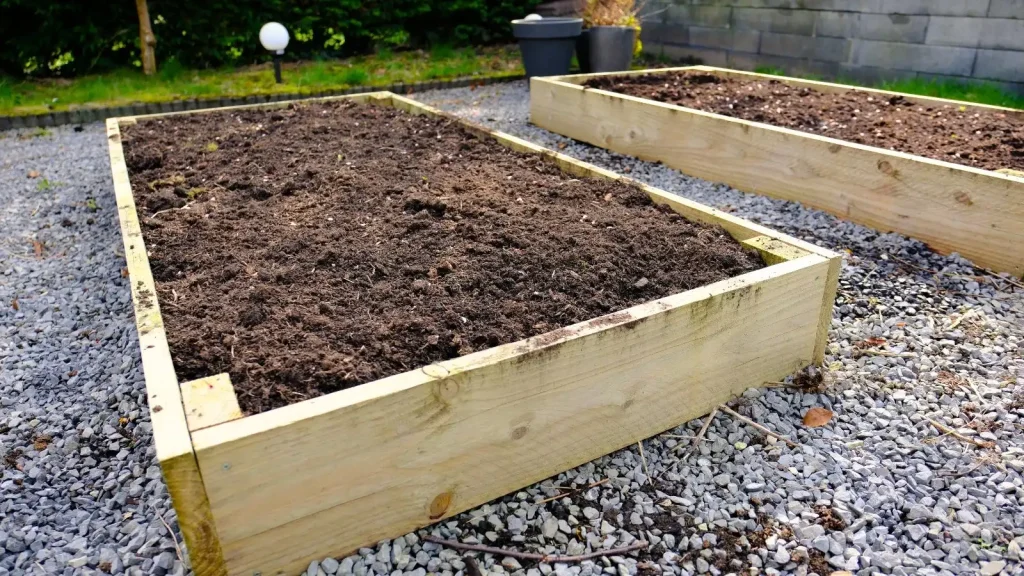
Healthy soil = strong roots = fewer pests and diseases later.
Step 4: Start Seeds or Buy Transplants?
Both options work—it depends on your time and confidence.
Start Seeds If:
- You want more variety
- You’re on a budget
- You enjoy hands-on gardening
Buy Transplants If:
- You want faster results
- You’re short on time
- You’re growing tomatoes or peppers
For beginners, a mix of both seeds and transplants is the easiest and most reliable approach.
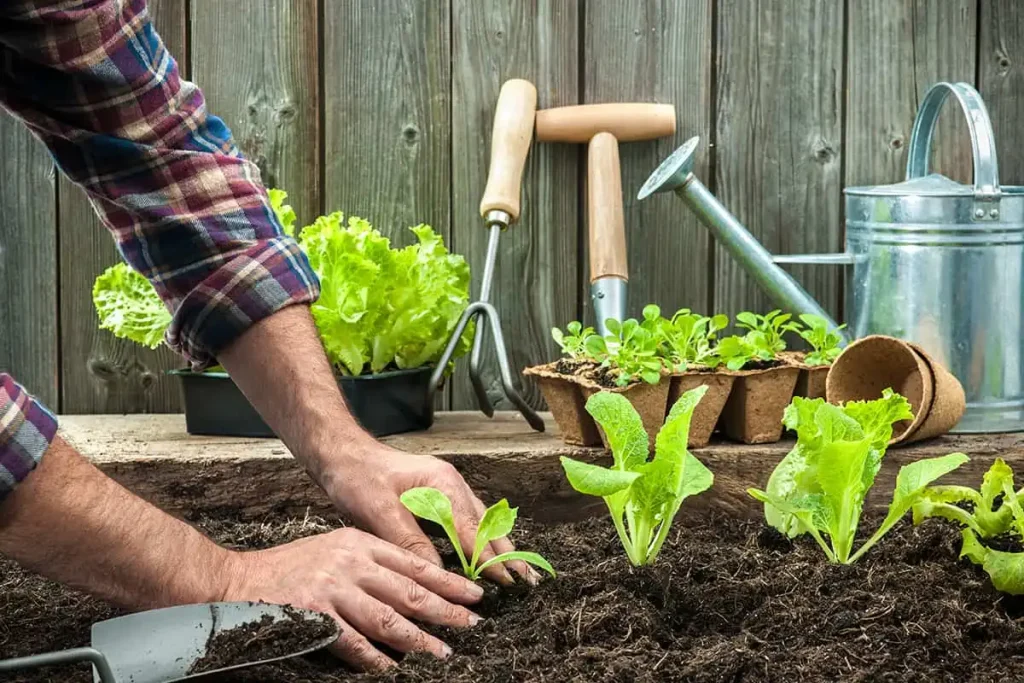
Step 5: Water Smart, Not More
Overwatering kills more edible gardens than underwatering.
Spring soil stays moist longer, so water deeply but less often. The goal is to encourage roots to grow downward.
Watering tips:
- Water early in the morning
- Avoid soaking leaves
- Check soil before watering (2 inches deep)
If soil feels damp, wait. Plants prefer consistency, not constant wetness.
Step 6: Mulch Early for Big Benefits
Mulching is a secret weapon many beginners skip.
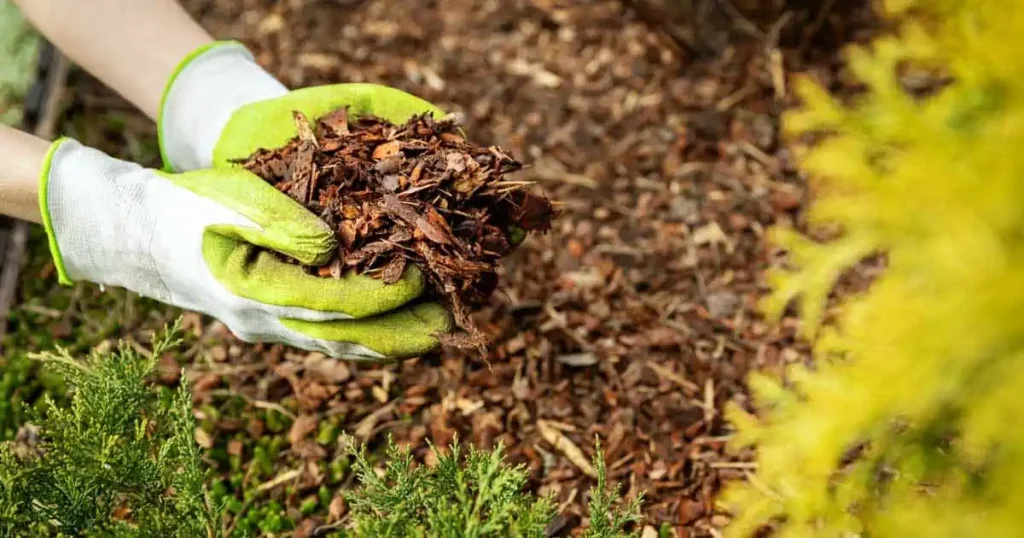
A 2–3 inch layer of mulch:
- Retains moisture
- Suppresses weeds
- Regulates soil temperature
- Improves soil over time
Use straw, shredded leaves, grass clippings (dry), or compost.
Step 7: Feed Your Plants Naturally
Spring vegetables don’t need heavy feeding, but they do need nutrients.
Best beginner-friendly fertilizers:
- Compost tea
- Fish emulsion
- Balanced organic fertilizer
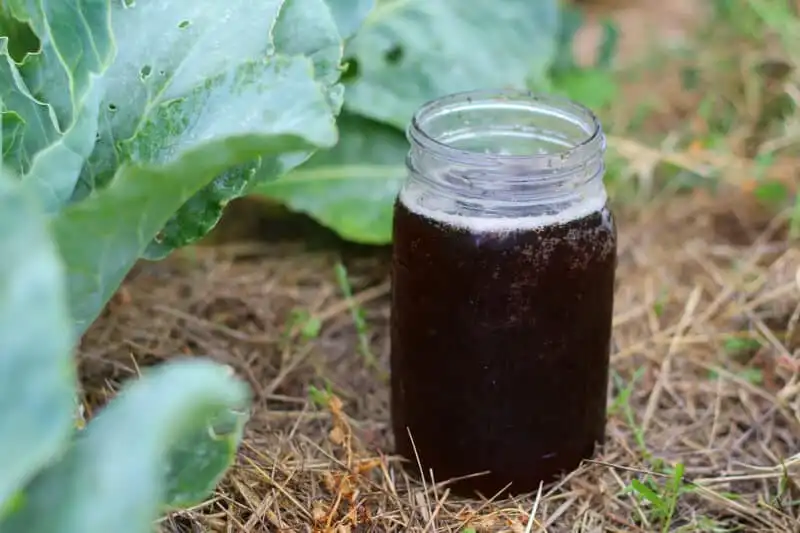
Feed lightly every 2–3 weeks. Over-fertilizing causes leafy growth with poor yields.
Step 8: Protect Young Plants from Pests & Weather
Early spring can be unpredictable.
Simple Protection Methods
- Row covers for frost protection
- Netting to block insects
- Hand-picking pests early
Healthy plants resist pests better than stressed ones, another reason soil and watering matter.
Common Spring Edible Garden Problems (Troubleshooting Table)
| Problem | Likely Cause | Easy Fix |
|---|---|---|
| Seeds not germinating | Soil too cold or dry | Wait for warmer days, keep soil moist |
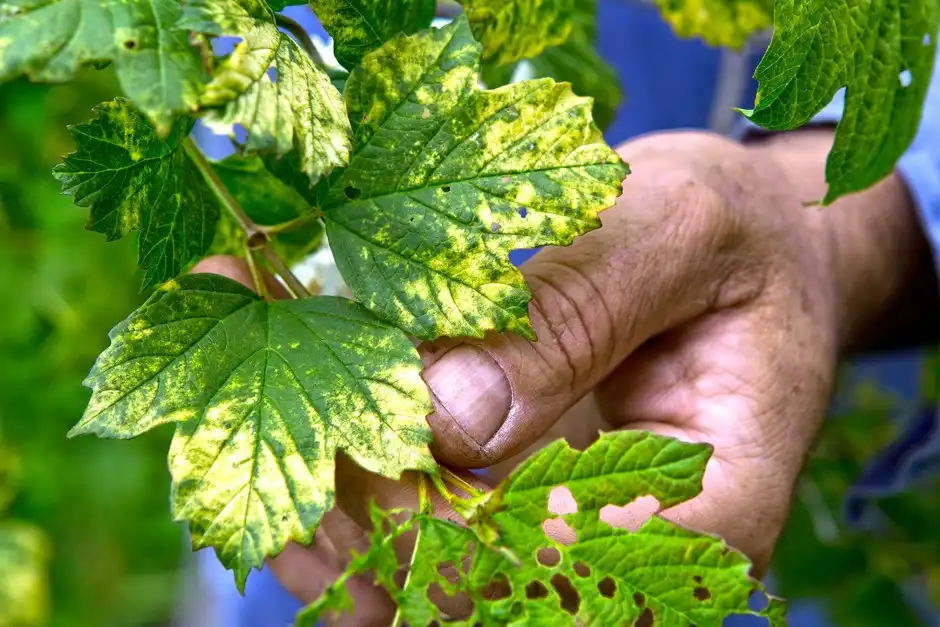
| Yellow leaves | Overwatering or nutrient deficiency | Reduce watering, add compost |
| Slow growth | Poor soil or lack of sunlight | Improve soil, move plants |
| Wilting plants | Shallow watering | Water deeply, less often |
| Holes in leaves | Early pests | Use neem oil or hand removal |
| Leggy seedlings | Not enough light | Move to sunnier spot |
| Moldy soil surface | Poor air circulation | Reduce watering, improve airflow |
Final thoughts: Start simple, get smart
A successful edible garden isn’t about perfection – it’s about smart basics done consistently. With the right location, healthy soil, beginner-friendly crops and careful watering, your spring edible garden can flourish from day one.
Use this spring edible garden starter guide as your foundation, and you’ll enjoy fresh, home-grown food while building skills that will last for years. Start small. Be firm. Autumn with pride.