Spring does not begin with planting; It starts under your feet.
Boosting Soil health is almost always the answer. Have you ever wondered why, despite quality seeds and attention, some gardens thrive while others suffer? Early spring is the ideal time to replenish, restore and repair the soil for the growing season.
Good news? You don’t need expensive products or complicated techniques. By following a few simple, proven steps, you can transform tired winter soil into rich, vibrant soil that naturally nourishes your plants.
Let’s take a step-by-step look at how to get your garden in the best possible way.

Why Boosting Soil Health in Early Spring Matters So Much
Soil is not just “dirt”. Healthy soil is a living ecosystem consisting of micro-organisms, organic matter, air reserves, moisture and nutrients – all together.
In winter:
- Microbial activity is reduced
- Rain and snow compact the soil
- Nutrients are lost
- Organic material breaks down unevenly
Early spring is when the earth wakes up. What you do now determines:
- Root development
- Nutritional intake
- Water retention
- Resistance to insects and diseases
- Total dividend
In short: healthy soil = easy gardening all season.
Step 1: Assess Your Soil Before Doing Anything Else
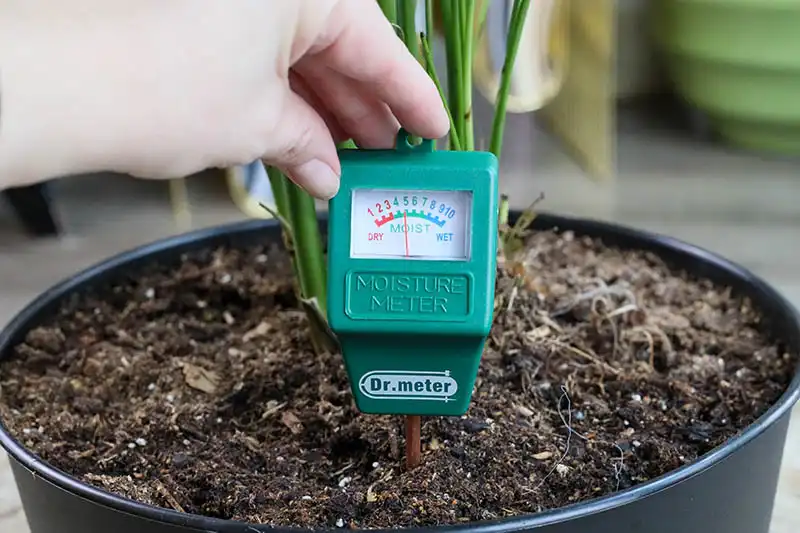
Before adding compost or amendments, take the time to understand what you are dealing with.
Quick soil health check you can do at home;
- Texture test: Take a handful of moist soil. If it forms a hard ball, it is clay heavy. If it crumbles immediately, it is sand.
- Drainage test: Dig a small hole, fill it with water and see how fast it flows. Slow drainage = compaction.
- Life check: Turn the soil with a trowel. insects? This is a good sign.
If you want accuracy, a basic soil test (pH + nutrients) is worth it – especially for edible gardens.
Step 2: Clean Up But Don’t Overdo It
Spring cleanup helps soil but aggressive cleanup can actually hurt it.
What to Remove
- Diseased plant debris
- Rotten vegetables left from winter
- Thick layers of soggy mulch
What to Leave (Yes, Really)
- Some leaf litter
- Old root systems (they improve structure as they decay)
- Light organic debris
Leaving some organic material protects soil microbes and prevents erosion.
Step 3: Add Organic Matter (The Real Soil Superfood)
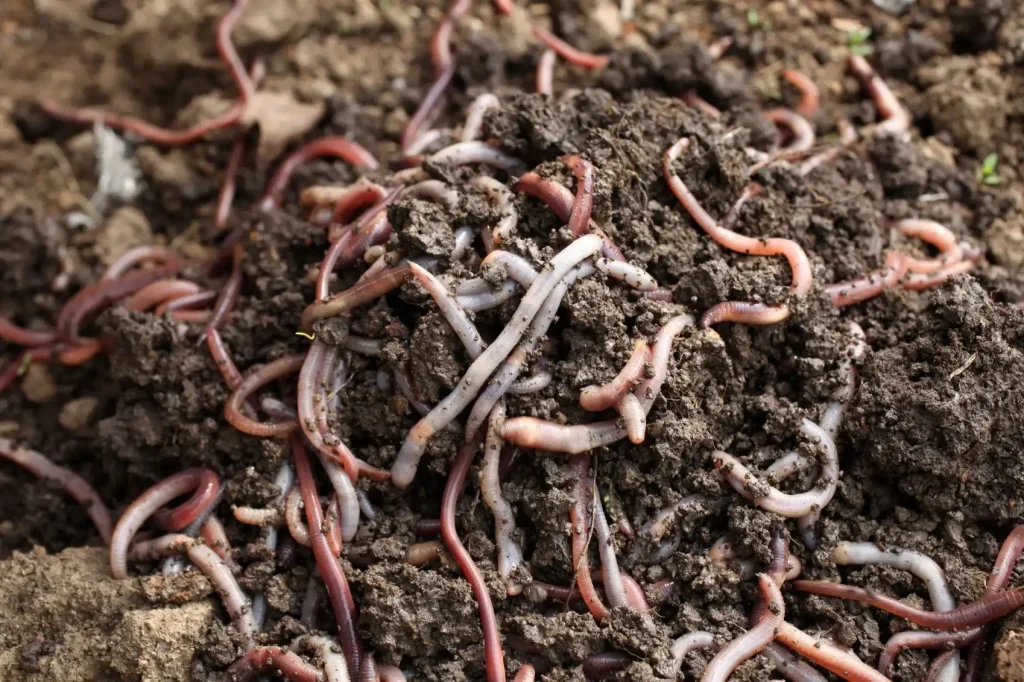
If soil health had a magic ingredient, this would be it.
Best Organic Matter to Add in Early Spring
- Finished compost
- Aged manure (never fresh)
- Vermicompost (worm castings)
- Leaf mold
Spread 1–2 inches on top of the soil. You don’t need to dig it in—nature will do that for you.
Why it works:
- Releases nutrients slowly
- Improves soil structure
- Feeds beneficial microbes
- Increases water retention
Step 4: Avoid Tilling—It’s Doing More Harm Than Good
Traditional advice says “till in spring.” Modern soil science says… don’t.
Tilling:
- Destroys beneficial fungal networks
- Brings weed seeds to the surface
- Dries out soil faster

Instead, try:
- Broadforking (loosens soil without turning it)
- Gentle raking
- Top-dressing with compost
Healthy soil thrives when left mostly undisturbed.
Step 5: Balance Soil pH Early
Soil pH controls how well plants absorb nutrients. Even nutrient-rich soil won’t help if the pH is off.
Ideal pH Ranges
- Vegetables: 6.0–7.0
- Flowers: 6.0–6.8
- Blueberries: 4.5–5.5
Spring pH Adjustments
- Too acidic? Add garden lime
- Too alkaline? Add elemental sulfur or compost
Make changes early, pH adjustments take time.

Step 6: Feed Soil Life, Not Just Plants
Healthy gardens aren’t fed, they’re cultivated.
Ways to Activate Soil Biology in Spring
- Apply compost tea
- Use organic fertilizers (fish emulsion, seaweed extract)
- Avoid synthetic chemicals
- Keep soil moist, not soggy
Microbes break nutrients into plant-available forms. No microbes = wasted fertilizer.
Step 7: Cover Bare Soil Immediately
Bare soil is vulnerable soil.
When soil is exposed, it:
- Loses moisture
- Erodes
- Heats and cools too quickly
- Loses microbial life
Best Spring Mulches
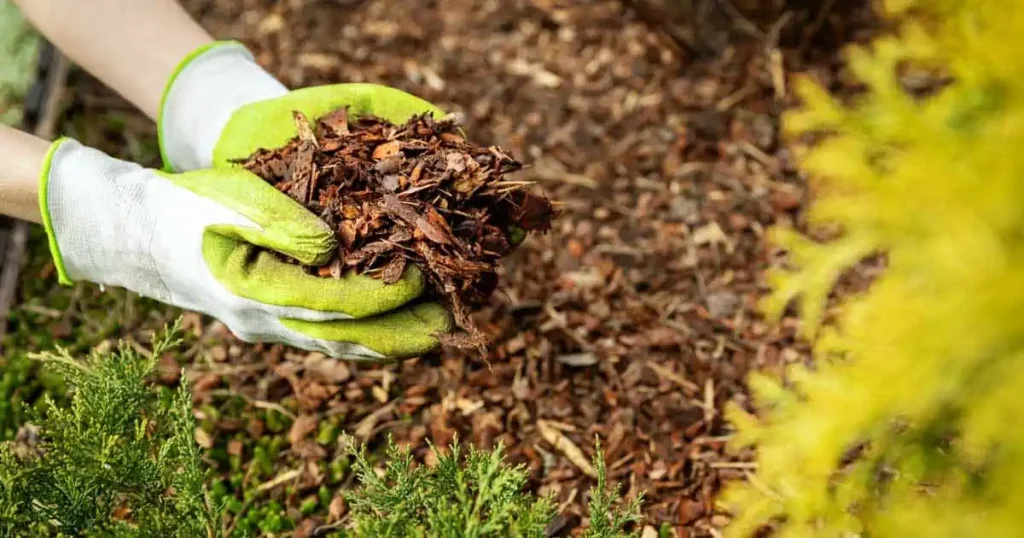
- Straw
- Shredded leaves
- Grass clippings (dry, untreated)
- Wood chips (for paths and perennials)
Mulch locks in everything you’ve just improved.
Step 8: Use Cover Crops If You’re Not Planting Yet
If part of your garden will stay empty for a few weeks, don’t leave it bare.
Spring-Friendly Cover Crops
- Oats
- Field peas
- Clover
They:
- Prevent erosion
- Add organic matter
- Improve nitrogen levels
- Suppress weeds

Even short-term cover crops make a huge difference.
Troubleshooting Table: Spring Soil Health Problems & Fixes
| Problem | Likely Cause | Simple Fix |
|---|---|---|
| Soil is hard and compacted | Winter rain, foot traffic | Broadfork, add compost |
| Poor drainage | Clay soil or compaction | Organic matter + raised beds |
| Plants look weak despite fertilizer | Poor soil biology | Compost tea, organic inputs |
| Soil dries out too fast | Sandy soil or no mulch | Mulch + compost |
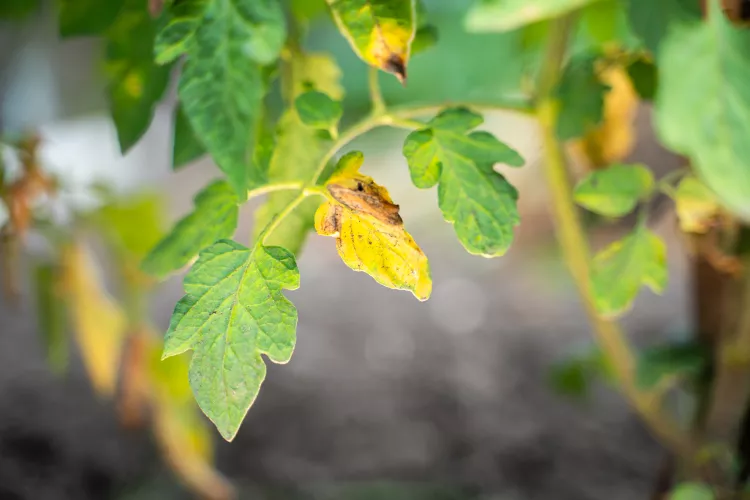
| Yellowing leaves early | pH imbalance | Test soil, adjust pH |
| Lots of weeds | Disturbed soil | Mulch heavily, avoid tilling |
| Bad smell from soil | Waterlogged soil | Improve drainage, aerate |
Final thoughts: Healthy soil is a long-term investment
Boosting soil health in early spring isn’t about quick fixes, it’s about setting your garden up for success.
When the soil is healthy:
- Plants naturally resist pests
- Watering becomes easier
- Fertilizer works better
- The crops will improve
And the best part? Every year there is construction on the last one.Sstart small. Be persistent. let the soil do the heavy lifting.