Are you sick of store-bought, wilty, can’t walk away from the beautiful greens for more than just a second, overpriced bags of salad? What if you could open your door, walk into your backyard (or balcony), and welcome yourself with freshly picked, crisp lettuce, peppery arugula, and hearty spinach to your dinner plate? Growing salad vegetables at home is one of the simplest ways to get started gardening, especially for new gardeners. These leafy vegetables are fast-growing, require minimal space, and will produce nutrient-rich produce within weeks.
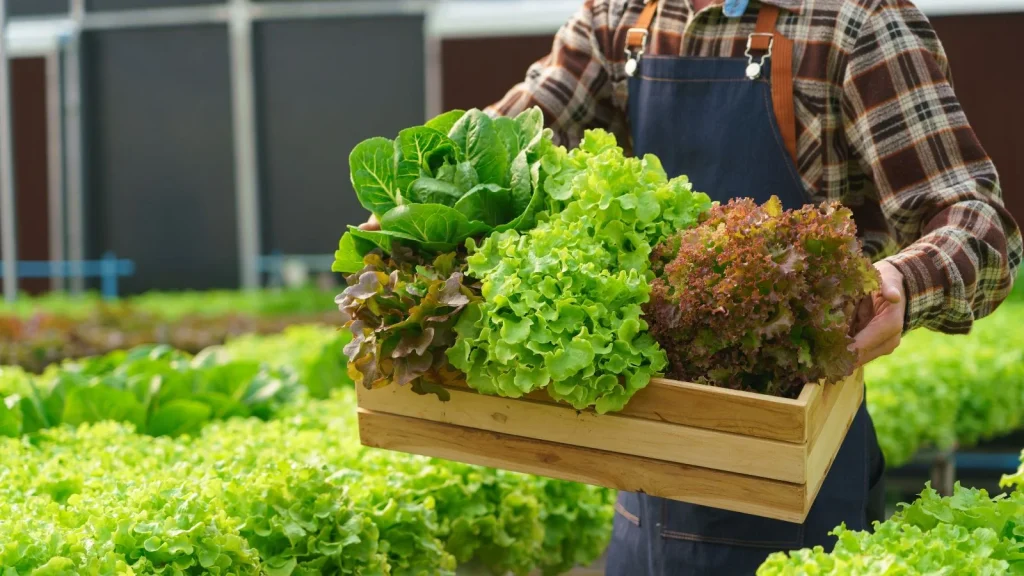
This guide provides everything you need to know about growing salad vegetables including how to choose varieties and harvest them using the “cut-and-come-again” method so you always have salad vegetables available year-round. You can enjoy the benefits of homegrown food, whether you are living in a small apartment or have a large yard, by creating your own “salad paradise.”
Best Salad Vegetables and Varieties to Grow at Home
Focus on these easy, productive salad greens for beginners:
- Lettuce: The salad star! Loose-leaf types like ‘Black Seeded Simpson’ (crisp, lime-green) or ‘Red Sails’ (ruffled red) are heat-tolerant and perfect for cut-and-come-again. Romaine (‘Little Gem’) adds crunch.
- Arugula (Rocket): Peppery flavor, super fast-growing. ‘Astro’ or standard varieties thrive in cool weather.
- Spinach: Nutrient powerhouse. ‘Bloomsdale’ or bolt-resistant ‘Tyee’ for spring/fall.
- Swiss Chard: Rainbow stems add color; baby leaves are mild for salads.
- Other Winners: Mizuna (mild mustardy), tatsoi (spoon-shaped, cold-hardy), kale baby leaves, and mustard greens for zing.
Mix varieties in a “salad bowl” planter for diverse textures and colors. Buy organic, untreated seeds for best germination.

When and Where to Plant Salad Vegetables
Cool-season veggies can thrive in the range of 50–70 Fahrenheit. You should plant salad greens around two to four weeks before the last frost in early spring and between late summer and fall to have a continuing harvest throughout the fall.
Select an area where there is four to six hours of sunlight per day. If you are growing salad greens in extremely warm locations, plant them where they will have some morning sunlight, and some afternoon shade will help prevent them from bolting. If you want to grow them in a container, use a 6–8 inch deep container with good drainage.
Soil; loose, fertile and well draining. Soil should have a pH of 6.0 to 7.0. The addition of compost as an organic matter will prepare your soil. If your ground soil is inadequate, consider utilizing raised beds or containers to grow your salad greens.
Step-by-Step: How to Plant Salad Greens Easily
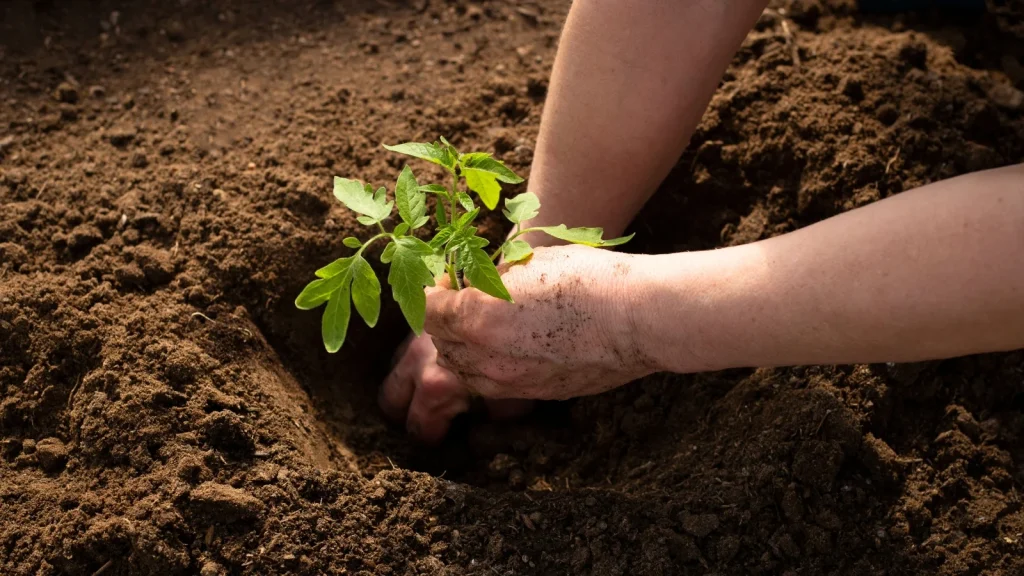
- Soil Preparation: Loosen top 6 and mix composts in. When making potting soil use the highest quality.
- Seed Sowing: Very lightly scatter seeds evenly (lettuce needs light to sprout-from magazine). Must lightly compress to not cover with soil that is premixed-with compost.
- Gently Water: Water-soil so wet that it resembles the wet sponge after squeezing compressing out moisture from the compressed sponge. Use a fine mist to water-soil and do not use a strong jet of water as a result of jetting-out of water may lift and dislodge seeds.
- Pruning Seedlings: Make sure to thin out seedlings that are 2 and 3 inches tall to 4-6 inches in-between each plant to allow for growth of full edible heads or space seedlings closer to allow for baby-sized edible heads and leaves.
- Plant Successively: Plant new seeds every 7-14-days for continuous cutting and harvesting.
There is no reason that you cannot herb sow directly outdoors. If planting your seedlings in the winter, row covers will help protect your seedlings from harsh weather conditions.
Watering, Feeding, and Daily Care Tips
Moisture is essential to growing salad greens – they have shallow roots which dry out quickly and will wilt. Water your salad greens deeply twice a week for a total of 1 inch of water per week (more frequently if it is very hot). Apply a straw mulch around your salad greens to help keep the soil moist and prevent weeds from germinating.
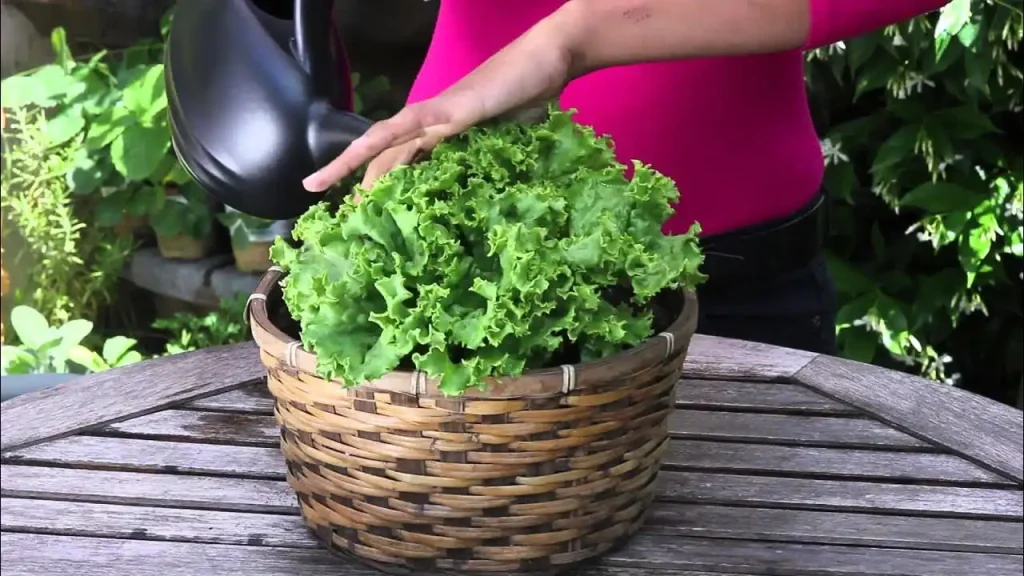
Feed your salad greens frequently with an organic liquid fertilizer (fish emulsion, compost tea, etc.). To prevent excessive nitrogen and leggy growth, use only light applications every 2 to 3 weeks.
Be sure to weed regularly and maintain good air movement to help prevent disease. Provide shade cloth over the plants when the sun is hottest.
Troubleshooting Common Salad Vegetable Problems
Even easy crops face issues. Here’s a quick troubleshoot table for common salad green problems:
| Problem | Symptoms | Causes | Solutions |
|---|---|---|---|
| Bolting (Flowering) | Tall stem, bitter leaves | Heat stress, long days, maturity | Plant bolt-resistant varieties; shade in heat; harvest early; succession plant in cool seasons |
| Wilting Leaves | Droopy, limp plants | Underwatering, heat, root issues | Water consistently; mulch; check drainage; provide afternoon shade |
| Yellowing Leaves | Pale or yellow from base | Overwatering, nutrient lack, poor drainage | Improve soil drainage; fertilize with balanced organic feed; avoid soggy soil |
| Bitter Taste | Leaves turn bitter | Heat, drought, over-maturity | Harvest young; keep soil moist; grow in cooler seasons |
| Holes in Leaves | Chewed or perforated foliage | Slugs, aphids, caterpillars | Hand-pick pests; use beer traps for slugs; neem oil or row covers; encourage beneficial insects |
| Leggy/ Stretched Growth | Tall, thin stems | Insufficient light, overcrowding | Ensure 4-6+ hours sun; thin seedlings; start indoors if needed |
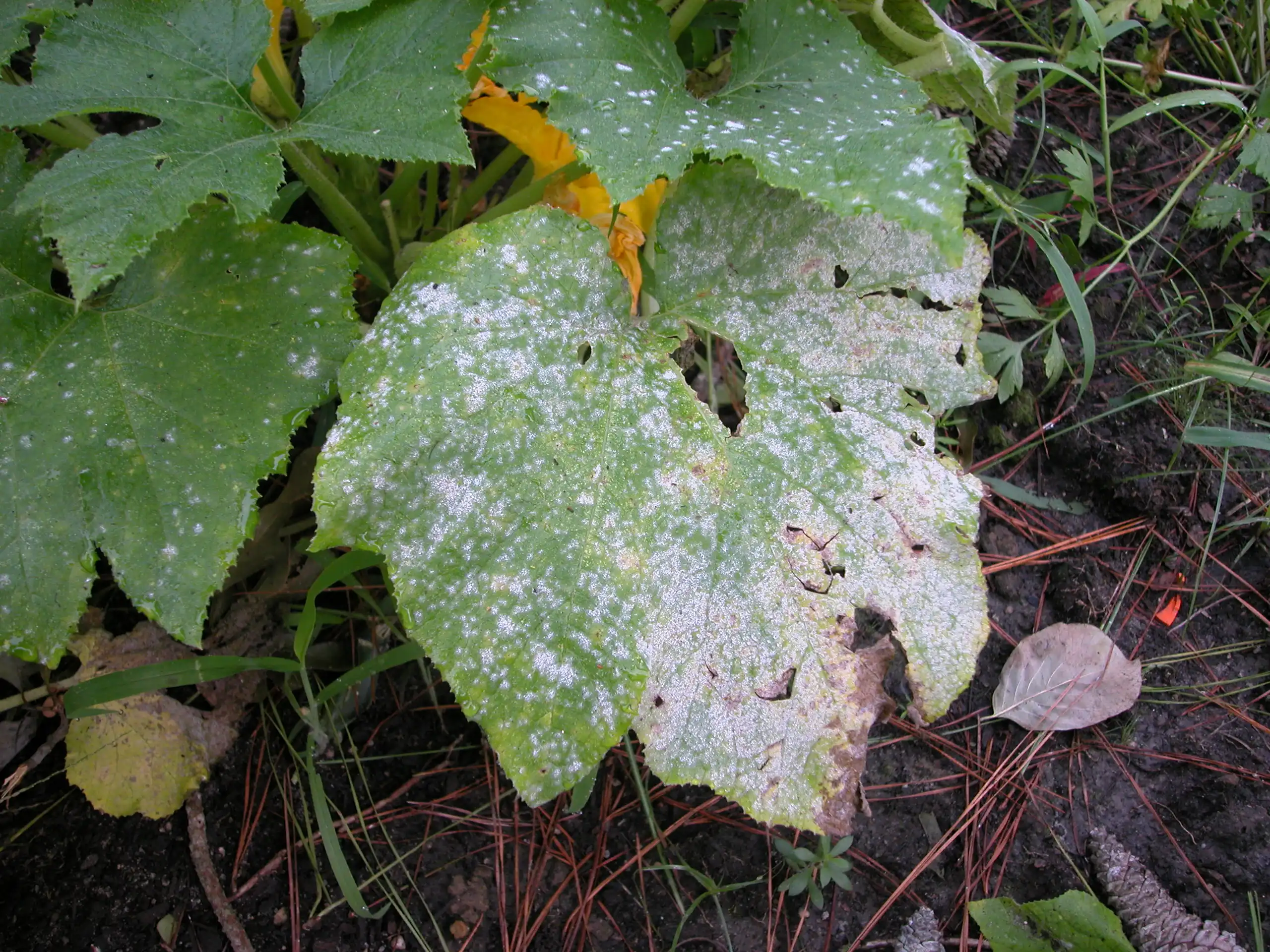
| Powdery Mildew | White powdery spots on leaves | High humidity, poor airflow | Improve spacing/airflow; water at base; baking soda spray (1 tsp/quart water) |
| Tip Burn | Brown edges on leaves | Calcium deficiency, uneven watering | Keep soil evenly moist; add lime if pH low; avoid over-fertilizing |
| Slow Germination | Few/no seedlings | Cold soil, old seeds, dry conditions | Sow when soil >45°F; use fresh seeds; keep moist with gentle watering |
Monitor plants weekly – early fixes save your crop!
Companion Planting and Pest Prevention Tips
Plant salad greens alongside herbs (dill, basil for pest control), onions (aphid repellent), or radishes (quick harvest, loosen soil). Steer clear of heavy feeders in the area.
Use floating row covers early, apply neem oil to aphids, and draw ladybugs to naturally repel pests. Disease risk is reduced by practicing good hygiene (removing debris).
Get Started Growing Salad Vegetables Today!
Growing your own salad vegetables is easy, takes up little room, and is very rewarding. It’s the ideal introduction to home gardening because of its rapid growth, low maintenance requirements, and limitless fresh harvests.
Get some seeds, prepare a pot or sunny spot, and begin planting. Your own garden will soon produce crisp, tasty salads. Which salad green is your favorite? Leave a comment below with any queries or advice you may have!
Your freshest salads are waiting for you, so happy gardening!