The heavy rain from a recent monsoon season can often cause your garden (whether vegetable or flower) to become completely waterlogged. One minute, your tomato, chilies or lettuce are growing beautifully and the next they are looking wilted, even though there is still plenty of water in the soil. Sound familiar? The common misconception of “monsoon plant wilting” has impacted many gardeners in areas affected by heavy rains.
The main reason is that too much rainfall has caused your garden to become flooded with water, which in turn has deprived the roots of oxygen and ultimately caused root rot. Fortunately for you, with quick response and good preventative measures, most monsoon wilted plants can be saved. This simple how-to guide will show you what causes the condition, how to determine if it’s underwatering vs. over watering, how to fix the plants and how to use natural methods to help protect your garden throughout the rainy season. Perfect for backyard gardeners in the rainy season! Create your garden, and save it!
Why Plants Wilt in Monsoon Despite Plenty of Rain
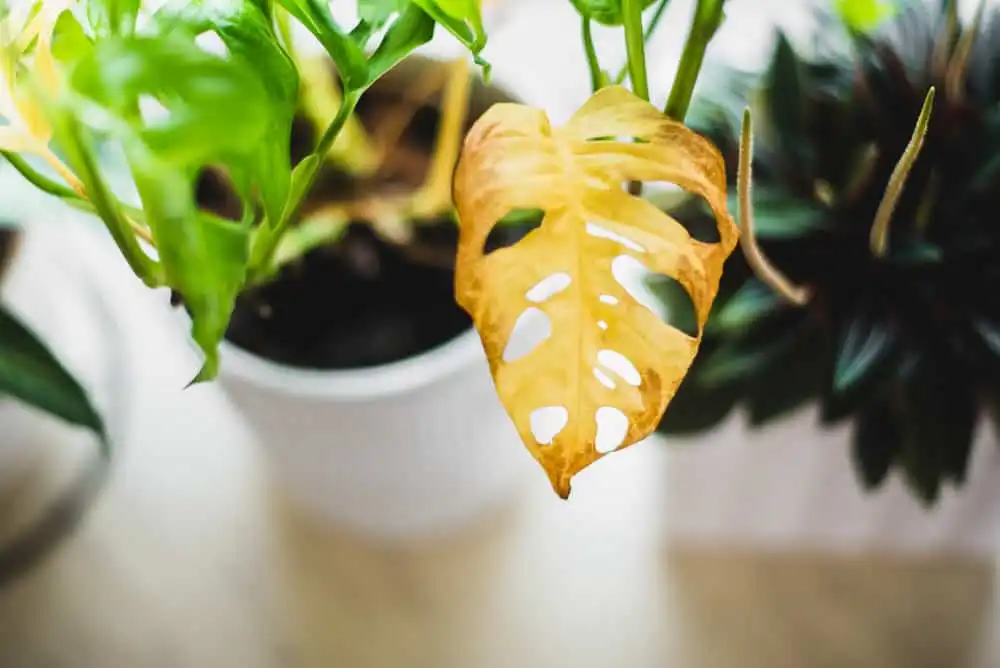
When roots are unable to supply water and nutrients to leaves, plants wilt. The opposite occurs during the monsoon: the soil remains saturated, the roots suffocate due to a lack of oxygen, and the plant effectively “drowns” while appearing thirsty. This is evident in dry conditions.
Typical monsoon triggers:
- Long periods of intense rain saturate the soil, particularly in regions with a high clay content or poor drainage.
- Absence of natural drainage leads to standing water near roots.
- Root rot is caused by fungal pathogens that flourish in damp environments, such as Pythium or Fusarium.
- Leaching of nutrients: Excessive rainfall removes vital components, further weakening plants.
Vegetables with shallow roots that are susceptible to oxygen deprivation, such as tomatoes, peppers, beans, and leafy greens, exhibit wilting quickly.
Step-by-Step Fix: How to Rescue Monsoon-Wilted Plants
Act fast – the sooner you intervene, the better the recovery.
Step 1: Stop All Watering (Even Rain!)
Pause manual watering completely. For potted plants:
- Move pots to a covered area (veranda, under eaves, or temporary shelter) to block rain.
- Elevate pots on bricks or pot feet for better drainage.
For in-ground beds:
- Gently pull back mulch temporarily to speed drying.
- Avoid walking on wet soil (compacts it worse).
Step 2: Check and Improve Drainage Immediately
- Pots: Ensure drainage holes aren’t blocked. If soil is heavy/soggy, repot into fresh, well-draining mix (add perlite, sand, or coco coir).
- Beds: Gently aerate soil with a fork (avoid deep digging near roots). Create shallow trenches or mounds to channel excess water away.
- Raised beds: If possible, raise beds higher next season for natural runoff.
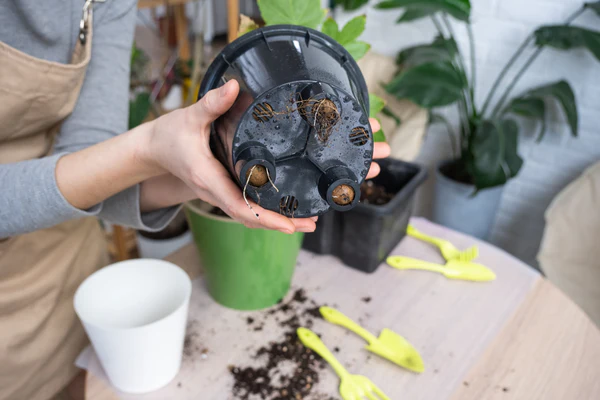
Step 3: Inspect and Prune Roots & Foliage
Gently remove plant from pot (or dig carefully):
- Trim mushy, black/brown roots with clean scissors.
- Rinse healthy roots if needed.
- Cut away yellowed, wilted, or dead leaves/stems – this reduces stress and redirects energy.
Let roots air-dry briefly in shade before replanting.
Step 4: Repot or Amend Soil
- Use fresh, well-draining potting mix (avoid garden soil in pots during monsoon).
- Add organic matter like compost (aged, not fresh) for better structure.
- Top-dress with slow-release organic fertilizer once soil dries slightly – rain may have leached nutrients.
Step 5: Provide Recovery Conditions
- Place in bright, indirect light or partial shade (full sun stresses wilted plants).
- Maintain good airflow to dry foliage.
- Mist leaves lightly if humidity is low, but avoid wetting soil.

Most plants show new growth in 1–2 weeks if roots weren’t too damaged.
Prevention: How to Protect Plants During Monsoon Rains
Prevention is easier than rescue!
- Choose well-draining spots: Plant in raised beds or mounds.
- Improve soil: Mix in sand, perlite, or organic matter before monsoon.
- Mulch wisely: Apply 2–3 inches of organic mulch (straw, bark) to regulate moisture – pull back during heavy rain.
- Shelter pots: Use rain covers, move under shelter, or group under temporary plastic sheeting (with ventilation).
- Water only when needed: Check soil before watering – skip if wet.
- Fungicide prevention: Apply neem oil or copper-based organic spray preventively on vulnerable plants.
- Resistant varieties: Opt for veggies tolerant of wet conditions (e.g., certain beans, okra).
- Spacing & airflow: Wider spacing reduces humidity pockets.
Troubleshooting Monsoon Plant Wilting Or Overwatering Issues: Quick-Reference Table
Here’s a handy table for common problems and fixes:
| Problem | Symptoms | Causes | Quick Fixes & Prevention |
|---|---|---|---|
| Wilting in soggy soil | Droopy leaves despite wet ground | Waterlogged roots, oxygen deprivation | Stop watering; improve drainage; aerate soil; move to shelter |
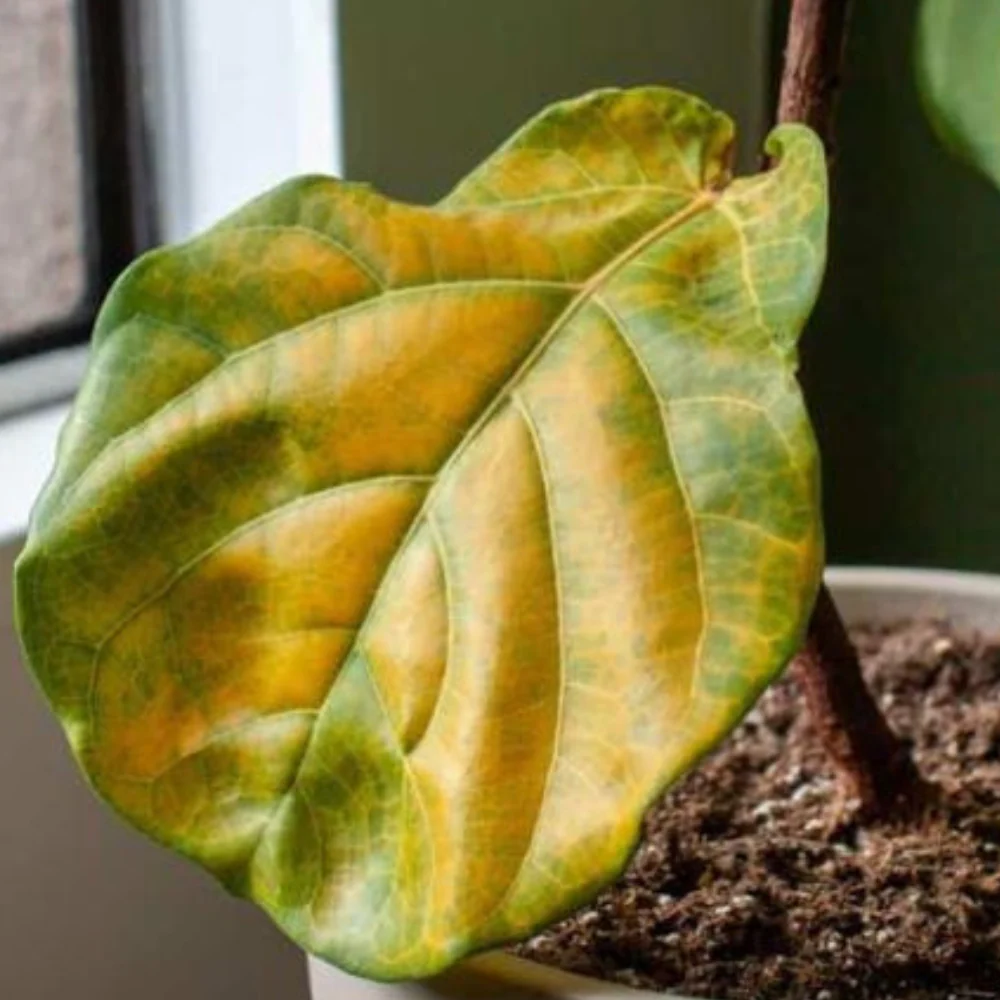
| Yellowing leaves (lower first) | Pale/yellow from base, soft texture | Root rot, nutrient lockout | Trim affected parts; repot in fresh mix; add balanced organic feed later |
| Mushy/black roots | Brown/black, soft roots when checked | Fungal root rot (Pythium/Fusarium) | Prune rotten roots; repot; apply neem/copper spray; better drainage |
| Foul soil smell | Rotten odor from soil | Anaerobic bacteria in saturated soil | Aerate; repot; change to drier mix; avoid over-mulching during rain |
| Leaf drop or scorching | Sudden leaf loss, brown edges after sun | Root damage + sudden sun exposure | Shade temporarily; consistent moisture once drying; gradual re-acclimation |
| Stunted growth / no recovery | No new growth after 2+ weeks | Severe root loss, fungal infection | Check for viable roots; propagate healthy cuttings if possible; start fresh |
| Blossom end rot (tomatoes etc.) | Dark sunken spots on fruit | Calcium uptake blocked by wet roots | Consistent (not excessive) moisture; add calcium source; mulch |
| Fungal spots on leaves | White/gray powdery or brown spots | High humidity + wet foliage | Improve airflow; neem spray; avoid overhead watering |
Monitor plants daily during heavy rain – early action saves most!
Final Thoughts: Turn Monsoon Challenges into Garden Wins
Your garden doesn’t have to be destroyed by monsoon overwatering or wilting. You can keep your vegetables and flowers flourishing even during downpours by being aware of the oxygen-water balance, taking prompt corrective action, and preparing for heavy rains.
Check drainage now, move pots if necessary, and see how your plants grow. What is the most difficult monsoon gardening task you face? Let’s support one another in surviving the rain by leaving a comment with your advice or tales of wilted plants!
Happy gardening! The future holds drier roots and clearer skies!