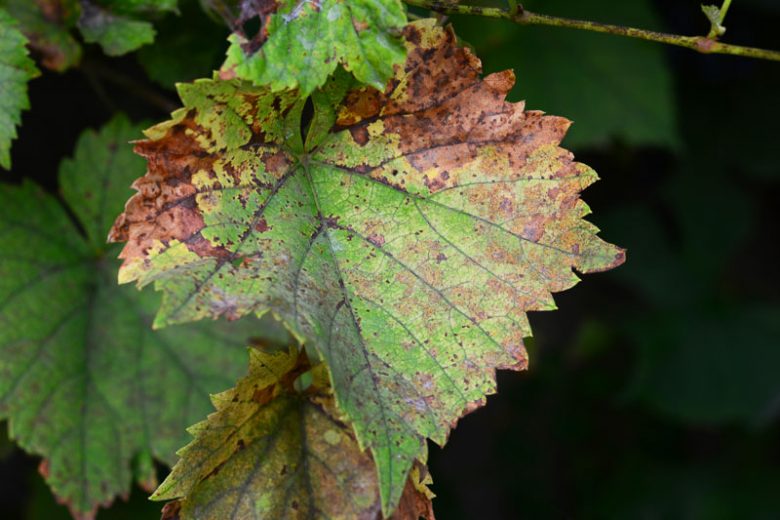
Are you noticing that your apple, peach, cherry or plum trees have sunken areas on the branches, black blemishes or early ripening of the fruit? You may be affected by anthracnose, a common fungal ailment of fruit trees! Stop Anthracnose on fruit trees tends to be incredibly vigorous, particularly during humid summertime months following a wet spring. Once it begins to affect a tree, it will likely cause leaf spots, dieback of twigs, complete branch dieback (cankers), as well as ugly rotting of the fruit. If left untreated, the anthracnose fungus will ruin your harvest and severely weaken your tree.
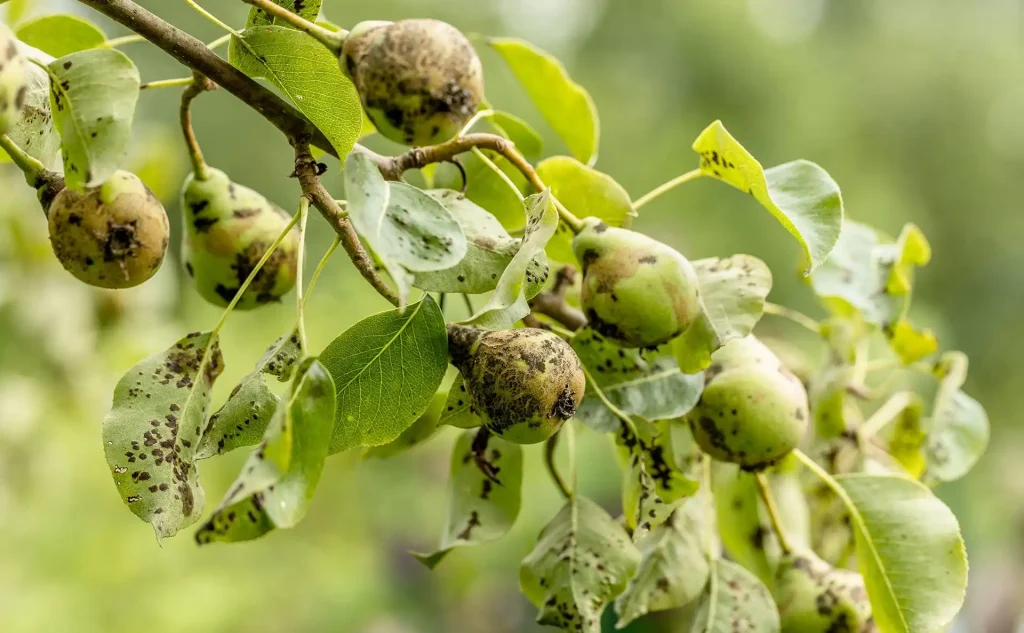
However, you can stop anthracnose quickly through a combination of simple cultural changes, organic treatments, and targeted treatment options. This how-to guide will provide you with all of the necessary information to identify anthracnose, take fast-acting measures to stop the spread of the disease (or fungus), how to employ proven techniques to prevent future outbreaks, and a troubleshooting table for common problems.
Fast Ways to Stop Anthracnose On Fruit Trees Once It’s Active
Time is of the essence; anthracnose can be spread via splashing after it rains, so the quicker you act, the better your chance of stopping it.
- Prune Infected Parts Immediately Remove affected twigs, branches, leaves, and fruit. Cut 6-12 inches below visible infection into healthy wood. Sanitize tools with alcohol between cuts. Bag and dispose (don’t compost) debris to eliminate spores. This reduces inoculum fast and is the #1 immediate step.
- Apply Organic or Low-Impact Fungicides For fast control:
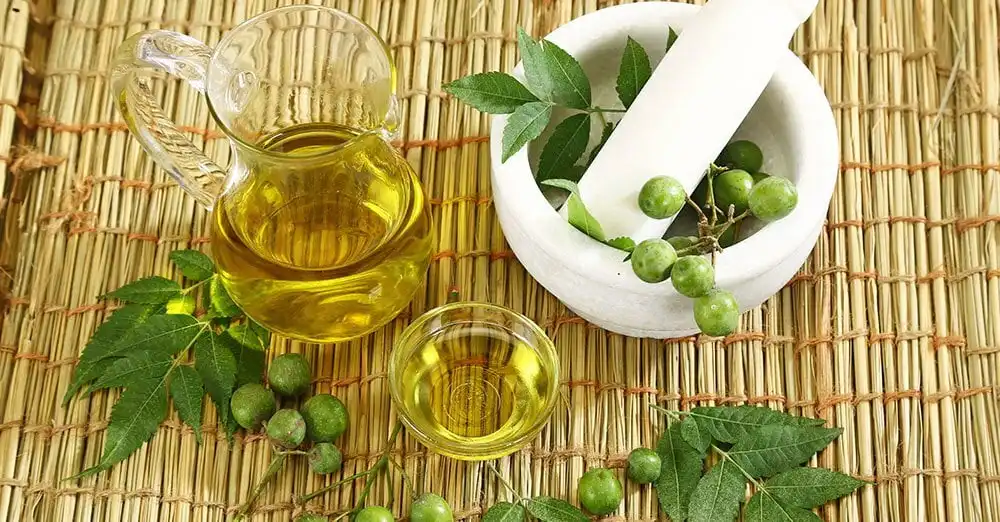
- Copper-based sprays (e.g., Bordeaux mix, Liqui-Cop, copper soap) – protective and organic-approved; apply every 7-10 days during wet weather. Neem oil – natural antifungal; spray weekly to disrupt spores. Milk solution (1:9 milk: water) – boosts plant immunity; preventive/early treatment. Biofungicides (Bacillus subtilis or Trichoderma-based) – suppress fungi naturally.
- Improve Tree Health Quickly Water at base (avoid overhead) to reduce leaf wetness. Thin crowded branches for better airflow. Mulch around base (not touching trunk) to prevent soil splash.
These steps can stop active infections in 1-3 weeks with consistent effort.
Proven Prevention Strategies to Keep Anthracnose Away
Prevention is far easier than cure – focus here for long-term success.
- Plant Resistant Varieties Choose anthracnose-tolerant cultivars (e.g., for apples: some hybrids; peaches: check local extension for resistant types).
- Site and Spacing Full sun, well-drained soil. Space trees properly (15-25 ft depending on type) for airflow.
- Sanitation Year-Round Rake and destroy fallen leaves/fruit in fall. Remove mummified fruit. Prune dormant in winter to open canopy.
- Water Wisely Drip/soaker hoses; morning watering so leaves dry fast.
- Fertilize Balanced Avoid excess nitrogen (promotes susceptible growth). Use balanced organic fertilizer in spring.
- Protective Sprays in High-Risk Seasons Dormant oil + copper in late winter; preventive copper/neem at bud swell and leaf-out.
Follow these, and anthracnose becomes rare.
Quick-Reference Table: Troubleshooting Anthracnose on Fruit Trees
| Issue/Symptom | Likely Cause | Fast Fix / Treatment | Prevention Tip |
|---|---|---|---|
| Sunken brown spots on fruit with orange spores | Active fruit infection (peach/plum common) | Prune/remove infected fruit; apply copper fungicide weekly | Harvest promptly; avoid overhead watering; use resistant varieties |
| Twig dieback / cankers (sunken, discolored bark) | Perennial canker from overwintering fungus | Prune out cankers 6-12″ below; burn/dispose debris | Prune dormant; improve airflow; sanitize tools |
| Leaf spots / blotches, early drop | Foliar infection from splashing rain | Remove affected leaves; spray neem or copper every 7 days | Rake fall leaves; mulch base; plant in sunny, airy spot |
| No fruit set or small/rotting fruit | Severe infection weakening tree | Prune heavily; apply biofungicide + balanced feed | Fertilize properly (low N); thin fruit load |
| Recurring every wet season | High inoculum from debris | Full sanitation + dormant copper spray | Rotate sprays (copper/neem); choose tolerant cultivars |
| Orange spore masses on lesions | Peak humid/wet conditions | Immediate copper spray; improve drainage/airflow | Monitor weather; spray preventively before rain |
| Tree stress (weak growth, dieback) | Chronic infection + poor health | Systemic approach: prune + trunk injection if severe (pro) | Mulch, water deeply but infrequently; test soil nutrients |
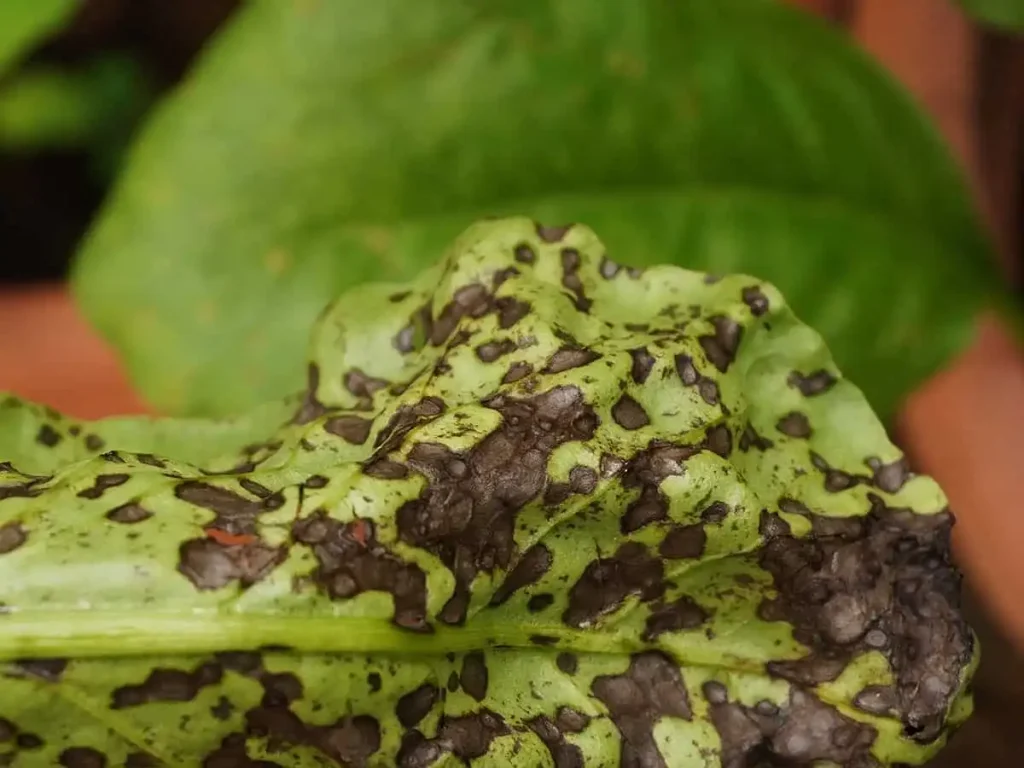
Check trees weekly in wet weather – early action stops fast spread!
When to Call a Pro and Long-Term Outlook
For severe cases (girdling cankers, repeated defoliation), consult an arborist – trunk injections (e.g., phosphite-based) may help. Most backyard trees recover with consistent care; anthracnose rarely kills healthy trees outright.
Stop Anthracnose Fast – Protect Your Fruit Trees Today!
Your fruit crop doesn’t have to be ruined by anthracnose. You can stop it quickly and maintain the health of trees with preventive sprays, smart sanitation, and prompt pruning. This season, start with a thorough inspection and cleanup; you’ll be rewarded with higher yields from your apples, peaches, cherries, and plums.
Have you tried these techniques? In your orchard, what has worked best? Post any queries or advice in the comments section below!