Mint is a fast-growing, low-maintenance herb that provides flavor and fragrance to cooking. How to grow mint both indoors and outdoors, and has a wide range of uses, such as in drinks, desserts, salads and home remedies.
If you have just begun gardening or are looking for an easy-care herb to grow at home, learning how to propagate mint will give you great experience. You can enjoy using fresh mint in your kitchen by following proper methods for its planting and maintenance.

This guide will provide you with complete instructions on how to successfully grow mint, including information on the best way to plant it, how much to water, the type of sunlight required, how often to trim, and how to avoid the most common growing problems.
Types of Mint You Can Grow
Before planting mint, it helps to know the most popular varieties.
| Mint Variety | Flavor | Best Uses |
|---|---|---|
| Spearmint | Sweet and mild | Teas, salads, garnishes |
| Peppermint | Strong and cool | Herbal tea, desserts |
| Chocolate Mint | Slight chocolate aroma | Desserts and drinks |
| Apple Mint | Fruity scent | Fruit salads, teas |
| Pineapple Mint | Light tropical flavor | Garnishes and cocktails |
Each variety grows in similar conditions, so the care tips below apply to most mint plants.

Step-by-Step: How to Grow Mint (3 Foolproof Methods)
- Cuttings (Simple Fastest Way – This is How I Start)
Snip off a healthy plant’s 4-6 inch branch, removing any leaves at the bottom. Dip it in rooting hormone, if you want (optional). Place the cut into the water for a few days so that roots can develop; or place it in damp soil. In 7-14 days you will have roots, and you can transplant once it has grown to about 1″ long.
- Seeds (Least Expensive – Slowest}
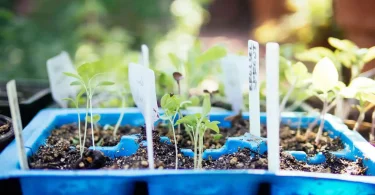
Place seeds on top of damp soil; do not bury them as they require light for germination. Keep soil warm (70°F) and mist daily. Your seedlings will sprout in 10-15 days; thin out and keep only the strongest ones.
- Nursery Plants (You Can Do This Right Away)
Pick a nursery plant with healthy dark green leaves – no yellow/black. Transfer the plant to new soil, water it thoroughly and keep it away from direct sunlight for the first week.
You can plant these in spring after all chance of frost has disappeared. Or you may plant them indoors any time. Water lightly until established.
Daily Mint Plant Care: Watering, Feeding & Pruning Made Simple

Mint benefits from a consistently moist environment (cold). Water when the top 1 inch of the soil is dry to the touch (typically 2 – 3 times a week). The best time to water is early in the morning to allow the leaves to dry quickly and minimize the chance of developing fungal diseases.
Fertilize lightly (1/2 of recommended strength) with a balanced liquid fertilizer every 4 – 6 weeks. Too much fertilizer produces weak, long, and bland-flavored leaves.
Pruning is the key to creating a bushy, healthy plant. Pinch off the top 2 – 3 sets of leaves every few weeks to promote growth of side shoots and prevent flowering (which results in a bitter taste of the leaves). You can harvest up to 1/3rd of the plant at once and it will recover even stronger!
Mint Care At a Glance: Your Quick-Reference Table
Here’s the exact schedule I follow for thriving mint year-round:
| Care Aspect | Ideal Conditions | Pro Tips for Success | Common Mistakes to Avoid |
|---|---|---|---|
| Sunlight | 4–6 hours bright indirect light | Rotate pots weekly for even growth | Full direct sun in hot climates (scorching) |
| Watering | Keep soil evenly moist | Water at base, use room-temperature water | Letting soil dry out completely or overwatering |
| Soil & Pot | Well-draining, rich potting mix | Add mulch to retain moisture | Using heavy garden soil or pots without drainage |
| Temperature | 60–75°F (15–24°C) day / above 50°F night | Bring indoors before first frost | Cold drafts or sudden heat waves |
| Fertilizer | Balanced liquid every 4–6 weeks | Use half strength during active growth | Over-fertilizing (causes weak flavor) |
| Pruning | Pinch tips every 2–3 weeks | Harvest before flowers appear | Letting it go to seed (reduces flavor) |
| Humidity | Moderate to high (great for indoors) | Mist leaves in dry winter air | Dry indoor heating (leaves turn crispy) |

Print this table and stick it near your plants — it’s saved my mint more times than I can count!
Common Mint Problems (and How to Fix Them Fast)
Even the most straightforward plants encounter difficulties. The main problems I see are as follows:
- Yellow leaves are typically caused by inadequate drainage or excessive watering. Allow the soil to dry slightly before repotting if necessary.
- Lack of light causes lanky growth. Get nearer to a window or install a grow light.
- Brown, crispy edges: Underwatering or low humidity. Check the soil and mist every day.
- Use insecticidal soap or neem oil to spray pests like spider mites and aphids. Wipe leaves weekly.
- Rust (orange spots): Fungal disease from wet leaves. Remove affected leaves and improve air circulation.
The #1 rule: catch problems early by checking plants every few days. Healthy mint bounces back amazingly fast.
Final Thoughts: Your Mint Success Story Starts Today
Mint cultivation is incredibly addictive, but in a positive way. You’ll have more fresh leaves than you know what to do with if you follow these simple suggestions. You’ll have healthy plants for years if you keep the roots contained, provide light and moisture, and prune frequently.
Are you prepared to begin? Take a cutting from a friend (or the herb section of the grocery store), a pot, and some soil. I can assure you that your first mojito made with fresh mint will taste ten times better!
Leave a remark below: How do you like to use fresh mint? Or send me a picture of your mint plant; I enjoy hearing about your achievements!