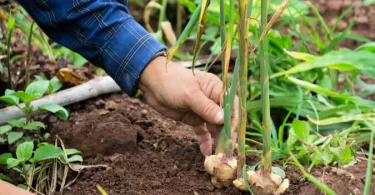
All home gardeners have experienced this, or at least have heard about it. You can spend hundreds of dollars on beautiful tomatoes, marigolds, herbs, and other high-quality plants that you want to grow in your garden. You plant them with so much excitement and anticipation, watering them every day and waiting for something magical to happen. After a few weeks, you’ve got yellow leaves, stunted growth, and you realize there are countless pests and insects attacking your garden and eating the leaves of your beautiful plants. This is where improving soil health organically becomes essential, as healthy soil strengthens plants, boosts growth, and naturally helps them resist pests and diseases.
The hard truth is that the majority of the time, when this happens, it isn’t the plants or the fertilizer that caused the problems that occurred in your garden. The cause of the problem is the soil that you planted your plants in.
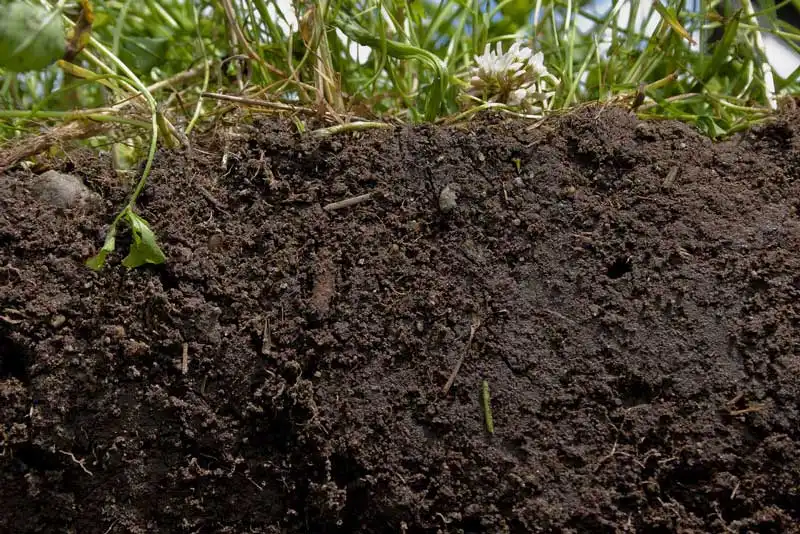
Almost all home gardeners place an emphasis on feeding their plants when they grow them but the real magic of gardening occurs when you make an effort to improving soil health organically. The soil that your plants grow in is more than just a storage area for the roots of your plants; when your soil is full of life it is full of a large number of different microorganisms (bacteria, fungi, etc.) and nutrients. When your soil is alive your plants grow better with less water, have fewer insects and do not require any harsh chemicals.
This guide will show you exactly how to turn compacted, dead soil into a nutrient rich sponge that will grow the best plants you’ve ever grown, using only the tools that nature provides.
The Problem With Chemical Quick Fixes
Many gardeners reach for synthetic fertilizers when plants struggle, but these come with significant downsides. Chemical fertilizers provide a rapid nutrient boost but do nothing to improve soil structure or long-term fertility. They can actually harm the beneficial microorganisms that create truly healthy soil, leading to a dependency on repeated applications.
Worse yet, these chemicals can leach into groundwater and disrupt local ecosystems. The organic approach might take slightly longer to show results, but it creates sustainable soil health that improves year after year without the environmental toll.
Your Complete Guide to Organic Soil Amendments
One of the most effective ways to improve soil health is through organic amendments. These natural materials add nutrients, improve structure, and feed soil microorganisms. Here’s a comprehensive table of the most effective organic amendments and how to use them:

| Amendment | Primary Benefits | Best For | Application Method |
|---|---|---|---|
| Compost | Improves soil structure, adds nutrients, increases moisture retention | All soil types | Mix 2-4 inches into top 6-8 inches of soil before planting |
| Well-rotted Manure | High in nitrogen, phosphorus, and potassium | Vegetable gardens, heavy feeders | Apply 1-2 inches in spring, mix into soil |
| Leaf Mold | Excellent moisture retention, improves soil structure | Sandy soils, mulch around plants | Apply 2-3 inches as mulch or till into soil |
| Grass Clippings | Source of nitrogen, suppresses weeds | As mulch around plants | Apply thin layers (½ inch) to avoid matting |
| Wood Ash | Adds potassium and raises pH | Acidic soils | Apply sparingly (no more than ¼ inch) in winter |
| Coffee Grounds | Source of nitrogen, attracts earthworms | Acid-loving plants | Sprinkle thinly around plants or compost first |
| Eggshells | Source of calcium | Tomatoes, peppers | Crush finely and work into soil |
| Biochar | Improves nutrient retention, carbon sequestration | All soil types | Mix 5-10% by volume into soil |
Step-by-Step: Building Healthy Soil From the Ground Up
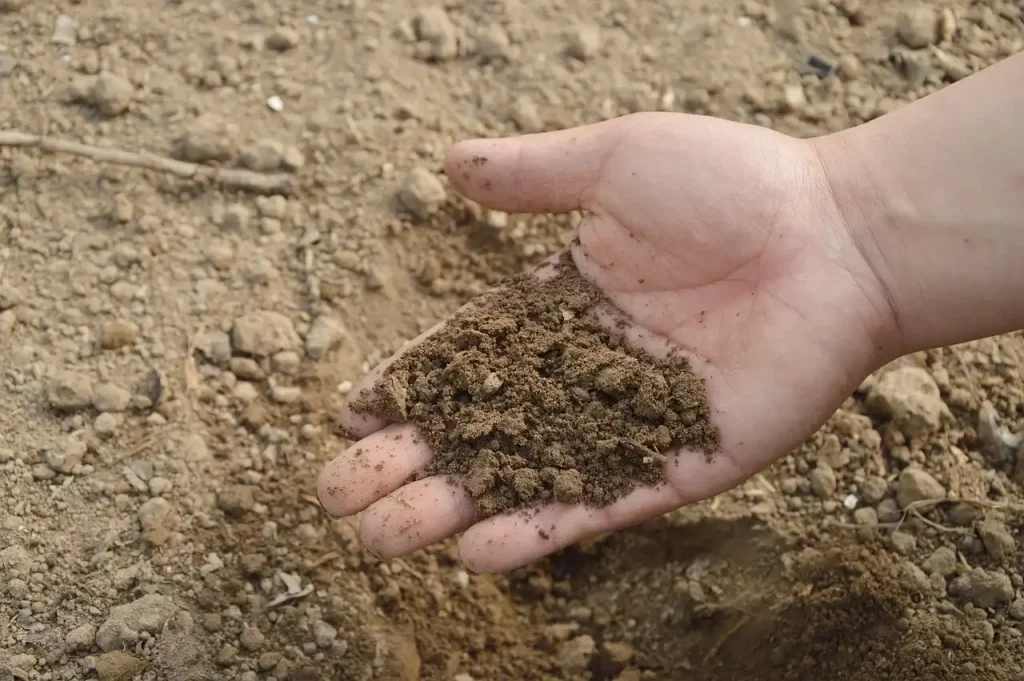
1. Start with a Soil Test (But Don’t Stress!)
Many gardening resources will tell you to begin with an elaborate soil test, and while these can be helpful, they’re not strictly necessary for home gardeners starting out. If you want to understand your soil’s specific needs, affordable home test kits or professional services can reveal pH levels and nutrient deficiencies.
That said, you can make significant improvements without ever testing, many organic amendments benefit all soil types, and observing how plants respond will tell you much of what you need to know.
2. Embrace the Magic of Composting
Compost is quite possibly the single best amendment for improving soil health organically. It’s often called “black gold” for good reason, it improves soil structure, provides a slow-release source of nutrients, and introduces beneficial microorganisms.
Creating your own compost is simpler than you might think:
- Choose a location – Find a discreet spot in your yard for a bin or pile
- Layer materials – Alternate between green materials (kitchen scraps, grass clippings) and brown materials (dry leaves, cardboard)
- Turn regularly – Mix the pile every week or two to aerate and speed decomposition
- Be patient – In 2-6 months, you’ll have rich, dark compost ready for your garden
No space for outdoor composting? Vermicomposting (worm composting) can be done indoors with minimal odor.
3. Mulch Like You Mean It
Mulching might be the most underappreciated gardening technique. A proper layer of organic mulch:

- Conserves moisture by reducing evaporation
- Suppresses weeds naturally
- Regulates soil temperature
- Breaks down slowly, adding organic matter to soil
- Prevents soil erosion during heavy rains
Apply 2-3 inches of organic mulch like wood chips, straw, or shredded leaves around your plants, being careful not to pile it directly against stems.
4. Practice Smart Planting Techniques
How you plant makes a difference in soil health:
- Rotate crops – Prevent nutrient depletion and pest buildup by changing what you plant where each year
- Use cover crops – Plant clover, buckwheat, or winter rye during off-seasons to protect soil, prevent erosion, and add organic matter when turned under
- Go no-till – Minimize soil disturbance to protect soil structure and microorganisms
- Plant densely – Use companion planting and close spacing to shade soil, conserve moisture, and suppress weeds
5. Make Your Own Organic Fertilizers
While store-bought organic fertilizers are available, you can create effective alternatives at home:
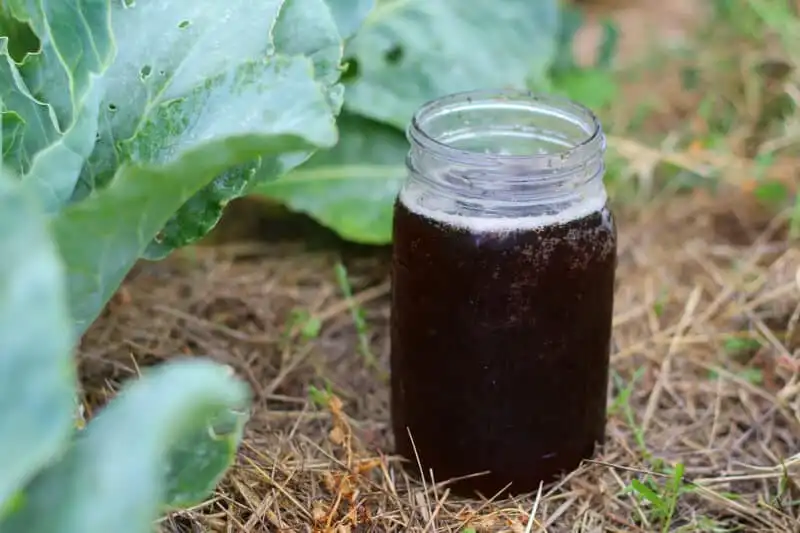
- Compost tea – Steep finished compost in water for 24-48 hours, then use the nutrient-rich liquid to water plants
- Weed tea – Soak nutrient-rich weeds like nettles in water to create a nitrogen-rich fertilizer
- Banana peel fertilizer – Soak banana peels in water for a potassium boost for flowering plants
Troubleshooting Common Soil Problems
Clay Soil: Heavy clay soil drains poorly and can become rock-hard when dry. Improve it by adding generous amounts of compost, leaf mold, or well-rotted manure. Raised beds filled with amended soil can provide an immediate solution while you work on improving native soil4.
Sandy Soil: Sandy soil drains too quickly and doesn’t hold nutrients well. Add compost, leaf mold, or biochar to increase water and nutrient retention.
Compacted Soil: Avoid walking on planting beds, and use a broadfork to aerate without turning the soil completely. Add organic matter and plant deep-rooted cover crops like daikon radish to break up compaction naturally.
The Living Soil: Understanding Soil Microbiology
The most fascinating aspect of organic soil improvement is the hidden world beneath our feet. Healthy soil contains billions of microorganisms; bacteria, fungi, protozoa, nematodes that form complex relationships with plant roots.
These microorganisms help plants access nutrients, protect against diseases, and create soil structure. When we add synthetic chemicals, we disrupt these delicate relationships. Organic practices, by contrast, feed and support this invisible ecosystem.
You can encourage soil life by:

- Adding compost and organic matter regularly
- Avoiding synthetic pesticides and herbicides
- Using microbial inoculants (available at garden centers)
- Maintaining soil moisture without waterlogging
- Planting diverse species to support diverse soil life
Beyond the Garden: Why Organic Soil Health Matters
Improving your soil organically isn’t just about better tomatoes or prettier flowers—it’s part of a larger environmental solution. Healthy soil:
- Sequesters carbon from the atmosphere, helping combat climate change
- Reduces water pollution by filtering rainwater and preventing chemical runoff
- Conserves water by increasing the soil’s ability to retain moisture
- Supports biodiversity above and below ground
- Creates resilience against droughts and extreme weather
Your First Steps Toward Healthier Soil
Starting can feel overwhelming, but remember: soil improvement is a journey, not a destination. Begin with one or two techniques that seem manageable:
- Start a compost pile or bin this weekend
- Apply mulch to your garden beds
- Replace one chemical product with an organic alternative
- Plant a cover crop in any empty garden space
Even small changes add up to significant improvements over time. The best time to start improving your soil was last year; the second best time is today.
Conclusion: Patience and Persistence Pay Off
Improving soil health organically requires a shift in perspective, from seeking immediate results to building long-term vitality. The organic approach works with nature rather than against it, creating gardens that become increasingly productive and trouble-free with each passing season.
Remember that every handful of compost, every layer of mulch, every avoided chemical application contributes to creating soil that’s not just growing medium, but a thriving ecosystem. Your plants will be healthier, your garden more beautiful, and you’ll have the satisfaction of knowing you’re gardening in harmony with nature.
The secret to amazing gardens has been right under your feet all along. Now you have the knowledge to unlock it.