Are you interested in growing your own mushroom garden at home? A beginner mushroom growing kit makes it easy to begin. You’ll enjoy the many benefits of having mushrooms you grow yourself.
Growing mushrooms at home is a fascinating and rewarding hobby. It lets you control the growing process. This means your mushrooms won’t have contaminants or pesticides. A mushroom grow kit makes it easy for anyone to start, no matter their experience.
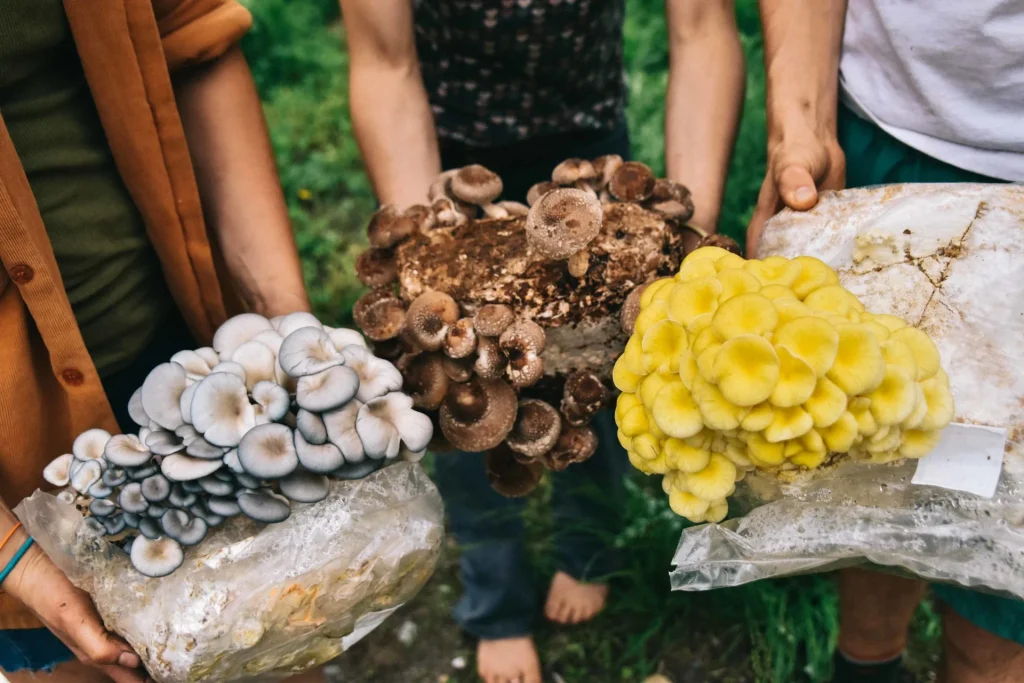
This guide will teach you how to use a beginner mushroom kit to start your garden. You’ll learn about the benefits of growing mushrooms. And you’ll get the knowledge to grow your own mushrooms at home.
Key Takeaways
- Learn how to start your mushroom garden with a beginner mushroom growing kit.
- Understand the benefits of growing mushrooms at home.
- Discover how to simplify the mushroom cultivation process.
- Gain knowledge on using a mushroom grow kit effectively.
- Explore the advantages of homegrown mushrooms.
The Magic of Growing Your Own Mushrooms
Cultivating mushrooms at home is fun, rewarding, and surprisingly easy. With a beginner mushroom growing kit, you can start your mushroom garden today. Enjoy the many benefits of growing mushrooms at home.
Benefits of Home Mushroom Cultivation
Growing mushrooms at home lets you control the growing conditions. This means your mushrooms are free from contaminants and pesticides. You can also harvest them at the peak of freshness, enhancing their flavor and nutritional value.
Using a beginner friendly organic oyster mushroom kit is a great way to start. It provides everything you need to get started.

What to Expect from This Guide
This guide will show you how to grow mushrooms at home with a beginner kit. You’ll learn about setting up your kit, caring for your mushrooms, and tips for a high yield. By the end, you’ll be well on your way to becoming a successful mushroom grower.
Understanding Beginner Mushroom Growing Kits
A beginner mushroom growing kit is your first step to growing mushrooms at home. It comes with everything you need to start. You can grow your favorite mushroom varieties.
What’s Included in a Standard Kit
A standard kit has a substrate with mushroom mycelium, a growing container, and instructions. Some kits also include a spray bottle for humidity and a thermometer for temperature.
Popular Mushroom Varieties for Beginners
Beginners often start with easy-to-grow mushrooms. Here are some popular ones:
Oyster Mushrooms
Oyster mushrooms grow fast and are easy to care for. They’re rich in protein and taste great.

Lion’s Mane
Lion’s mane mushrooms look unique and taste like seafood. They’re also good for your brain.

Shiitake
Shiitake mushrooms have a smoky flavor and are easy to grow. They work well on different substrates, making them a favorite for beginners.

When picking a mushroom, think about how fast it grows, what it needs to grow, and how you like to eat. Many start with oyster mushrooms or shiitake because they’re easy to grow and versatile in cooking.
Choosing the Right Beginner Mushroom Growing Kit
Finding the right mushroom growing kit for beginners can seem hard. But with some advice, you’ll soon be growing tasty mushrooms. It’s important to think about a few things to get a good harvest.
Factors to Consider Before Purchasing
Before you buy a mushroom grow kit, think about your space and the conditions you can offer. Most kits need a cool, humid spot. Also, decide if you want to grow a certain type of mushroom and if the kit is for indoors or outdoors.
Organic Oyster Mushroom Kits
Organic oyster mushroom kits are great for beginners. They grow well in many conditions. Plus, oyster mushrooms are versatile in cooking and can be used in many dishes.
Lion’s Mane Kits for Beginners
Lion’s mane mushroom kits are also good for new growers. Lion’s mane mushrooms look unique and might have health benefits. They’re also easy to care for, which is perfect for beginners.
Best Mushroom Species for First-Time Growers
When picking a beginner mushroom kit, choose species that are hardy and easy to grow. Oyster and lion’s mane mushrooms are great. They’re forgiving if you make small mistakes, making them ideal for beginners.

Step-by-Step Guide to Setting Up Your Mushroom Kit
To start growing mushrooms at home, follow this easy guide. Setting up your mushroom kit is simple. Just pay attention to the details for the best results.
Unboxing and Initial Preparation
First, carefully open your mushroom growing kit. It usually has a substrate with spores, a growing bag, and instructions. Check the contents for damage before starting.
Make sure your hands are clean to avoid contamination. Then, follow the kit’s instructions for the first hydration and misting.
Finding the Ideal Location
The place you choose for your mushroom kit is very important. It should be away from sunlight and have a steady temperature. Basements or shaded spots are best.
Keep the area clean and draft-free. This helps prevent contamination and stress to the mushrooms.

Humidity and Temperature Requirements
Right humidity and temperature are key for mushroom growth. Most mushrooms like temperatures between 55°F to 65°F (13°C to 18°C). To keep humidity up, mist the area daily or use a humidifier.
The substrate should be moist but not too wet. Check the humidity by seeing if the misting makes the kit visibly moist.
| Mushroom Variety | Ideal Temperature (°F) | Humidity Level |
|---|---|---|
| Oyster Mushrooms | 55-65 | High |
| Lion’s Mane | 60-70 | Medium-High |
| Shiitake | 50-60 | High |
By following these steps and keeping the right conditions, you’ll grow mushrooms at home successfully. Remember, patience and watching your mushrooms closely are important for a good harvest.
Daily Care and Maintenance of Your Mushroom Garden
To keep your mushroom garden healthy and productive, daily care is key. Your beginner mushroom growing kit makes this easy. But knowing the basics will help you get the best results.
Watering Schedule and Techniques
Watering is very important for mushrooms. Most kits have specific watering instructions. You’ll need to mist your mushrooms 2-3 times a day, depending on your area’s humidity.
Use a spray bottle to mist the substrate gently. Avoid overwatering, which can cause mold.

Tips for Effective Watering:
- Use filtered or distilled water to prevent contamination.
- Keep a regular watering schedule.
- Adjust based on your growing area’s humidity and temperature.
Monitoring Growth Progress
Check your mushroom garden often for growth or problems. Healthy mushrooms should appear in a week or two, depending on the variety and conditions.
Look out for:
- Pinning – the first sign of mushrooms.
- Cap expansion – as mushrooms grow.
- Any signs of mold or contamination.
Troubleshooting Common Issues
Even with the best care, problems can still happen. Common issues include contamination, not enough humidity, or not enough watering. Check the troubleshooting guide below for solutions.
| Issue | Cause | Solution |
|---|---|---|
| Mold or Contamination | Overwatering or poor ventilation | Improve air circulation, reduce watering |
| No Mushroom Growth | Insufficient humidity or incorrect temperature | Adjust environment to meet kit’s requirements |
By following these tips and keeping a consistent care routine, you’ll enjoy a great harvest from your beginner mushroom growing kit.
Proper Storage of Your Mushroom Growing Kit
Storing your mushroom growing kit right is key. It keeps it ready to grow mushrooms when you’re ready. Make sure it’s stored in a way that keeps it fresh.
Refrigeration Methods (Up to 3 Months)
To keep your kit in the fridge, put it in a bag that breathes. Or wrap it in a damp cloth to keep it moist. This way, it can stay good for up to three months. Keep your fridge cool, below 40°F (4°C).
When to Activate a Stored Kit
Before you start growing, check if your kit is still good. If it looks and feels healthy, it’s time to start. Move it to a place with the right temperature and humidity.
Signs of Kit Deterioration
Look for mold, sliminess, or a bad smell. If you see any, throw it away.
Harvesting and Using Your Homegrown Mushrooms

Now that your mushroom kit is thriving, it’s time to learn how to harvest your homegrown mushrooms. Harvesting at the right time ensures the best flavor and texture.
Identifying When Mushrooms Are Ready to Harvest
Check your mushrooms daily. They are ready to harvest when the caps are fully open but not yet flat. For varieties like the lion’s mane kit, the cascading spines will be fully developed.
Proper Harvesting Techniques
To harvest, gently twist the mushroom at the base. Use a clean tool to avoid contaminating the kit. For oyster mushrooms from a beginner friendly organic oyster mushroom kit, cut the stem near the substrate.
Cooking Ideas for Fresh Mushrooms
Enjoy your fresh mushrooms in a variety of dishes. Sauté them with garlic, add to soups, or use in stir-fries. The flavor and texture of homegrown mushrooms elevate any meal.

Getting Multiple Flushes from One Kit
After the first harvest, continue to maintain your kit’s humidity and temperature. Many kits can produce multiple flushes, increasing your yield.
Conclusion: Enjoying the Fruits of Your Mushroom Garden
Harvesting your homegrown mushrooms is a rewarding experience. It shows the joy of growing your own food. A beginner mushroom kit or mushroom grow kit makes it easy to start.
With the right care, your kit will give you a lot of mushrooms. You can enjoy them in many dishes. Fresh, delicious mushrooms are just a step away.
Growing mushrooms at home is fun and educational. It also gives you a sustainable source of nutritious food. As you get better, you might want to grow more or try new types.
Whether you’re new or experienced, mushroom cultivation offers a lot. This guide has helped you start enjoying homegrown mushrooms. With your kit, you can keep exploring mycology and enjoying your own mushrooms.