
Choosing the right container is just as important as choosing the right plant. Whether you are growing herbs on a balcony, flowering plants indoors, or vegetables on a patio, the type of pot you use can directly impact plant health, water retention, root development, and long-term maintenance. Two of the most commonly used options are ceramic pots vs plastic pots. Each has unique advantages and drawbacks, making them suitable for different gardening needs.
In this blog, we’ll explore the benefits of planting in ceramic pots vs plastic pots, compare their performance, and help you decide which option is best for your garden.
Why Pot Material Matters in Gardening
Pot material directly affects:
- Soil moisture retention
- Root temperature regulation
- Drainage and aeration
- Plant growth and longevity
- Maintenance and cost
Understanding the difference between ceramic and plastic pots allows gardeners to avoid common mistakes like overwatering, root rot, or heat stress.
What Are Ceramic Pots?
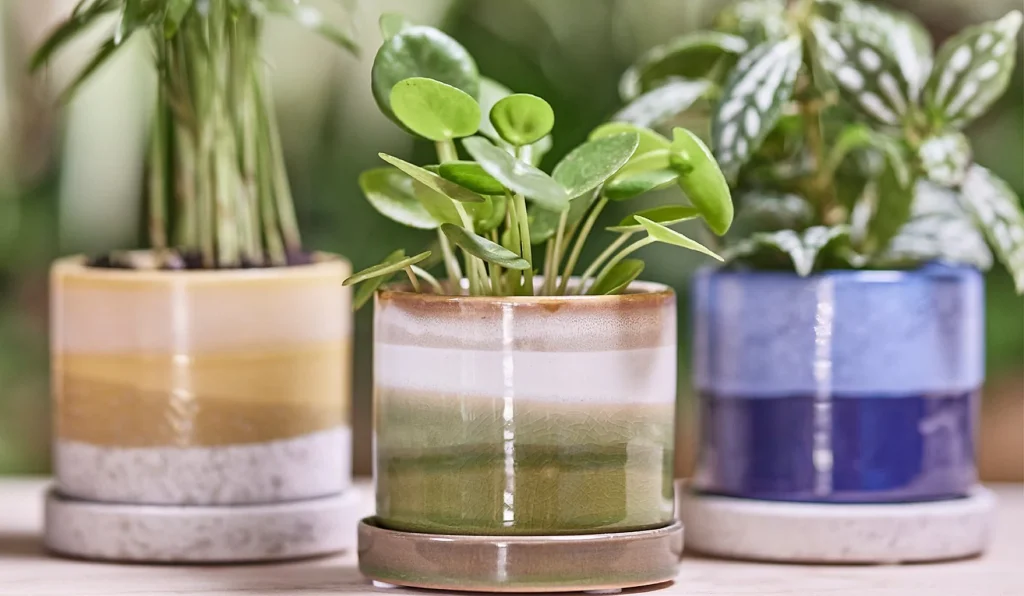
Ceramic pots are made from natural clay and are usually fired in a kiln. They can be glazed or unglazed (terracotta) and are widely used for both decorative and functional gardening.
Benefits of Planting in Ceramic Pots
1. Better Airflow for Roots
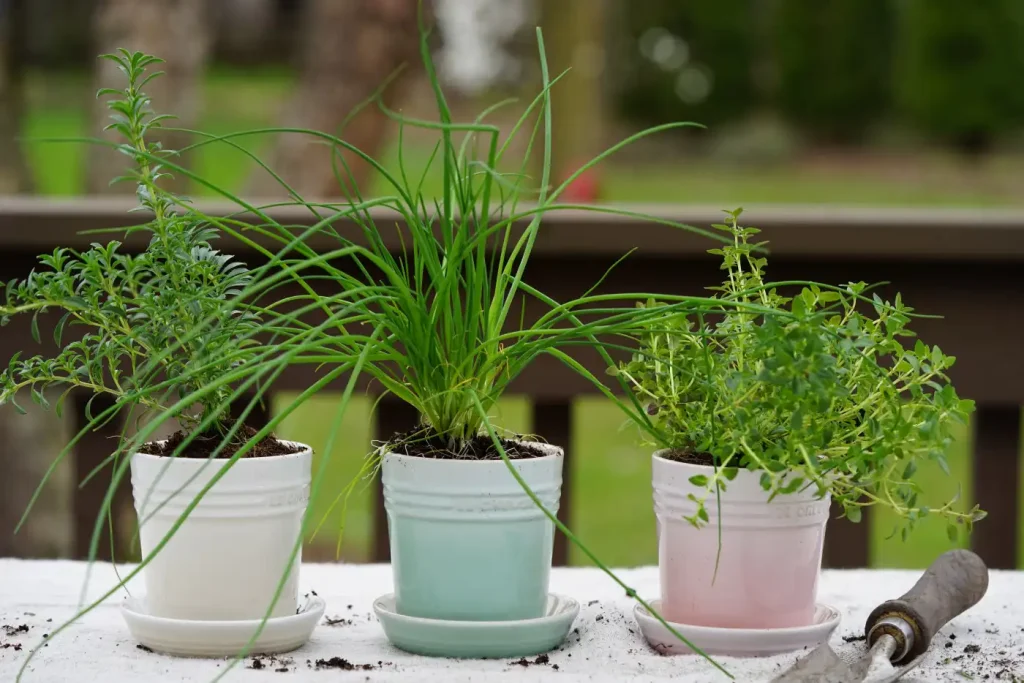
Unglazed ceramic pots are porous, allowing air and moisture to pass through the walls. This improves root aeration and reduces the risk of root rot.
2. Improved Drainage
Ceramic pots naturally wick away excess moisture, making them ideal for plants that prefer dry or well-drained soil, such as succulents and herbs.
3. Temperature Regulation
Clay absorbs heat slowly, helping maintain a more stable root temperature. This is beneficial in warm climates where plastic pots can overheat.
4. Eco-Friendly Choice
Ceramic pots are made from natural materials and are more environmentally friendly compared to plastic.
5. Aesthetic Appeal

Ceramic pots offer a premium, decorative look, making them perfect for indoor plants, patios, and balconies.
Drawbacks of Ceramic Pots
- Heavier and harder to move
- Can crack in freezing temperatures
- More expensive than plastic
- Require more frequent watering
What Are Plastic Pots?
Plastic pots are made from synthetic materials and are widely used due to their affordability and lightweight design.
Benefits of Planting in Plastic Pots
1. Lightweight and Portable
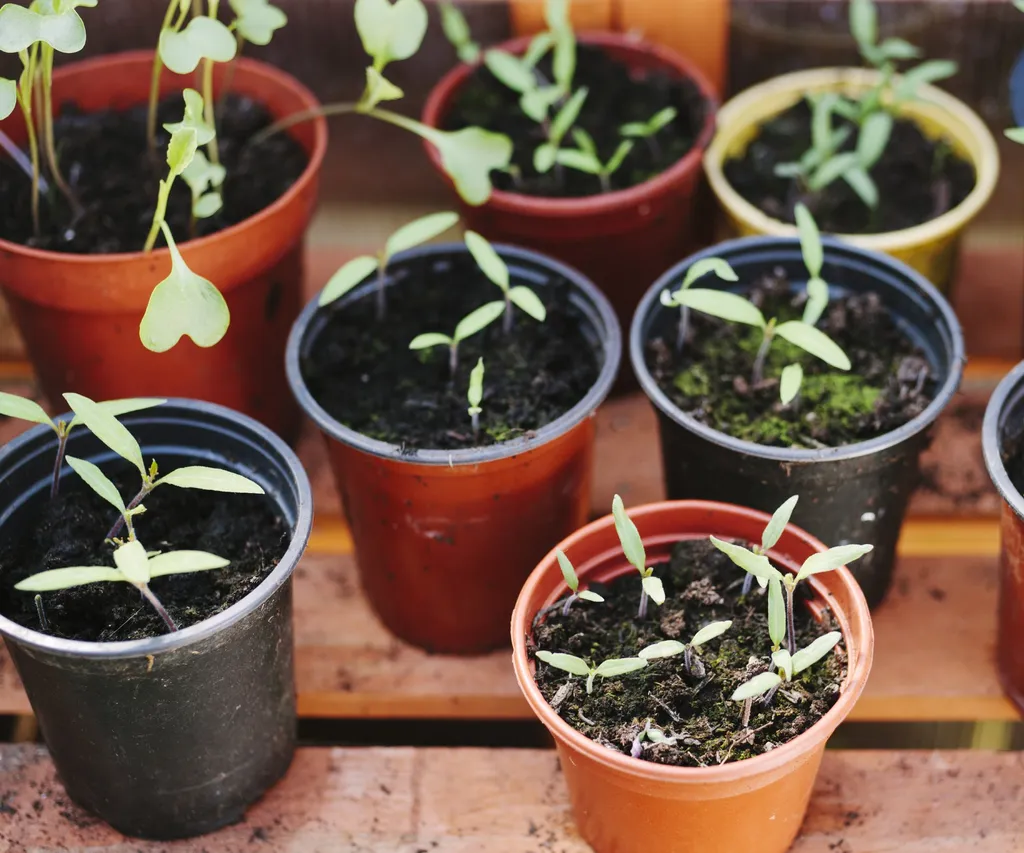
Plastic pots are easy to move, making them ideal for balcony gardens, hanging plants, and seasonal rearrangements.
2. Excellent Moisture Retention
Plastic is non-porous, so soil stays moist longer. This benefits plants that prefer consistently damp soil, such as ferns and tropical plants.
3. Cost-Effective
Plastic pots are budget-friendly and available in a wide range of sizes and styles.
4. Durable and Weather Resistant
They don’t crack easily and perform well in cold climates where ceramic may break.
5. Low Maintenance
Less frequent watering and minimal care make plastic pots beginner-friendly.
Drawbacks of Plastic Pots

- Not biodegradable
- Poor airflow for roots
- Can overheat in direct sunlight
- Less visually appealing
Indoor Gardening: Ceramic vs Plastic Pots
For indoor plants, ceramic pots are preferred for their visual appeal and breathability. However, plastic pots placed inside decorative ceramic planters offer the best of both worlds, good moisture control and attractive design.
Outdoor Gardening: Ceramic vs Plastic Pots
- Windy areas: Heavy ceramic pots stay stable
- Hot climates: Ceramic pots prevent overheating
- Cold climates: Plastic pots resist cracking
Watering Differences You Should Know

Ceramic pots dry out faster due to evaporation through the walls. Plastic pots retain water longer, increasing the risk of overwatering if drainage holes are poor.
Tip: Always ensure drainage holes regardless of pot material.
Environmental Impact Comparison
Ceramic pots are biodegradable and made from natural clay, while plastic pots contribute to long-term environmental waste. However, reusing plastic pots can reduce their environmental footprint.
Troubleshooting Table: Common Problems & Solutions
| Problem | Cause in Ceramic Pots | Cause in Plastic Pots | Solution |
|---|---|---|---|
| Soil drying too fast | High porosity | Rare | Water more often or mulch |
| Root rot | Poor drainage hole | Excess moisture retention | Improve drainage, reduce watering |
| Overheating roots | Rare | Direct sun on plastic | Shade pot or use light-colored plastic |
| Cracked pots | Frost damage | Not common | Move ceramic indoors in winter |
| Stunted growth | Frequent drying | Poor aeration | Match pot to plant type |
| Algae growth | Moist surface | Excess moisture | Improve airflow and sunlight |

Final Verdict: Ceramic Pots vs Plastic Pots
When it comes to planting in ceramic pots vs plastic pots benefits, the best choice depends on your plant’s needs, environment, and maintenance style.
- Choose ceramic pots for airflow, aesthetics, and drought-tolerant plants
- Choose plastic pots for moisture-loving plants, beginners, and budget gardening
Smart gardeners often use both, selecting the right pot for each plant rather than sticking to one material.


