Compost-based gardening methods focus on improving soil health by using compost as the primary soil amendment and nutrient source. Instead of relying heavily on chemical fertilizers, this approach builds a living soil ecosystem that supports plants naturally. Whether you are a home gardener, balcony grower, or managing a backyard garden, compost-based gardening can help you grow healthier plants while protecting the environment.
In this guide, you will learn what compost-based gardening is, its benefits, different methods, how to apply compost correctly, common mistakes, and a troubleshooting table to solve everyday gardening problems.

Types of Compost Used in Gardening
Different compost types serve different gardening needs:
- Kitchen Compost: Made from vegetable scraps, fruit peels, coffee grounds, and eggshells.
- Garden Compost: Includes dried leaves, grass clippings, and pruned plant material.
- Vermicompost: Produced using earthworms; rich in nutrients and ideal for potted plants.
- Leaf Mold Compost: Decomposed leaves that improve soil texture and moisture retention.
- Manure-Based Compost: Aged animal manure composted properly for safe use.
Each type can be used alone or mixed depending on soil requirements.
Popular Compost-Based Gardening Methods
1. Compost-Amended Soil Gardening

This is the most common method. Compost is mixed directly into existing soil before planting. It improves fertility and prepares beds for vegetables, flowers, and herbs.
How to apply:
- Spread 2–4 inches of compost over the soil
- Mix it into the top 6–8 inches
- Water thoroughly before planting
2. No-Dig Compost Gardening
No-dig gardening avoids disturbing soil layers. Compost is added on top of the soil surface and allowed to naturally integrate.
Benefits:
- Preserves soil structure
- Protects beneficial organisms
- Reduces weed growth
This method is ideal for organic and sustainable gardens.
3. Compost Mulching
Compost is used as a mulch layer around plants. It conserves moisture, suppresses weeds, and slowly releases nutrients.

Best for:
- Fruit trees
- Flower beds
- Perennial plants
4. Raised Bed Compost Gardening
Raised beds rely heavily on compost-rich soil mixes. Compost is blended with garden soil, coco peat, or sand to create nutrient-dense growing media.
This method works well for areas with poor native soil.
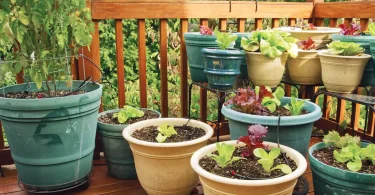
5. Container Gardening with Compost
Compost-based potting mixes are excellent for balcony and indoor plants. Compost should be mixed with lightweight materials for proper drainage.
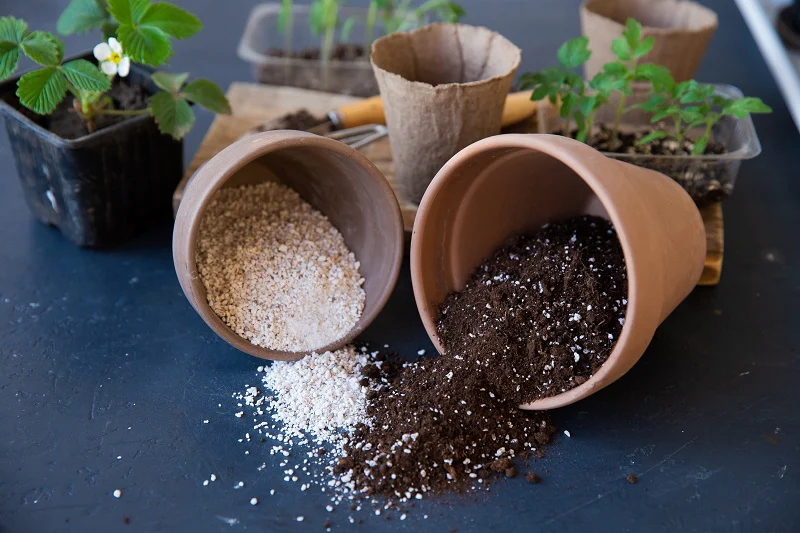
Ideal mix:
- 20% sand or perlite
- 40% compost
- 40% coco peat or peat moss
How to Make Compost at Home
Making compost at home is simple and cost-effective.
Basic Composting Steps:
- Choose a compost bin or corner of your garden
- Add green waste (vegetable scraps, grass)
- Add brown waste (dry leaves, paper, straw)
- Keep the pile moist but not wet
- Turn every 1–2 weeks for aeration
Compost is ready when it becomes dark, crumbly, and earthy-smelling.
Troubleshooting Compost-Based Gardening Problems

| Problem | Possible Cause | Solution |
|---|---|---|
| Plants growing slowly | Compost low in nutrients | Add vermicompost or aged manure |
| Bad smell from soil | Poor drainage or excess moisture | Improve drainage and reduce watering |
| Yellow leaves | Nitrogen deficiency | Apply well-aged compost or compost tea |
| Too many pests | Unbalanced compost or excess kitchen waste | Add dry materials and cover compost |
| Soil too dense | Excess compost without aeration | Mix compost with sand or coco peat |
| Plants wilting | Compost retaining too much moisture | Reduce compost layer and improve airflow |
Compost-Based Gardening for Sustainable Living
By adopting compost-based gardening methods, gardeners contribute to a healthier ecosystem. Compost improves soil resilience, supports biodiversity, and reduces dependency on chemical fertilizers. Over time, gardens become more productive, balanced, and easier to maintain.
This approach is especially valuable for home gardeners seeking organic produce, stronger plants, and long-term soil improvement.
Final Thoughts
Compost-based gardening methods are a powerful and natural way to grow thriving plants. By feeding the soil with organic compost, you create a self-sustaining environment that benefits plants, people, and the planet. Whether you use compost in raised beds, containers, or traditional gardens, consistency and patience will reward you with healthier soil and abundant growth.
Start small, observe your soil, and let compost do the work naturally.