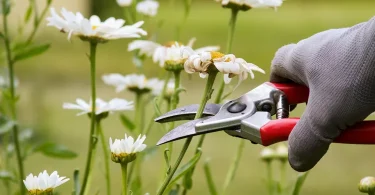
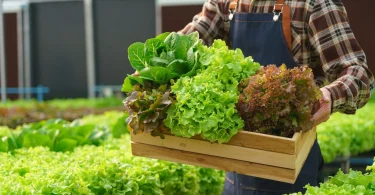
Picture a garden full of life. Bees hum around bright flowers. Tall corn stalks hide beans beneath them. Squash vines spread wide. They keep weeds from taking over. No harsh sprays are ever used. You won’t need fake plant food either. Plants simply help each other grow strong. This is the joy of companion planting. It works wonders in organic gardens.

Companion planting means putting good neighbor plants together. They help each other grow stronger. Gardeners have used this smart idea for many years. It builds healthy soil. You fight garden pests without bad chemicals. This method saves water and space too. You just grow more food from less land. This guide shows you how to start Eco Friendly Planting. Learn the basics here. Find the best plant pairs and get quick tips to help you begin. New growers can use these ideas. Even old hands will find new ways to make their garden greener and kinder to the earth.
Understanding Eco Friendly Planting Basics
Organic gardens love companion planting. It’s a natural fit. This method copies nature. Plants work together in wild places. Imagine a forest. Trees give shade to ferns. Their roots share food. Gardens become strong this way. They handle dry times better. Storms don’t hurt them as much. Farmers used this for ages. People in old Europe did. Native peoples also knew this trick.
The Principles of Companion Planting in Organic Gardens

Companion planting means plants help each other. One plant adds nutrients to the soil. This helps other plants grow. Another plant gives shade. It keeps delicate plants like lettuce cool. This method avoids chemical boosts. It sticks to nature’s rules. Your garden stays organic this way.
Starting is easy. Get a notebook. Write down what you plant together. Note how each pair performs. Soon, you will see what works. You will find the best matches for your yard.
Benefits for Soil Health and Biodiversity
When you plant certain things together, soil bugs get busy. They turn dead bits into food for plants. Strong roots keep soil from washing away in the rain. Different kinds of plants bring in birds, helpful bugs, and bees. This natural team keeps harmful pests away.
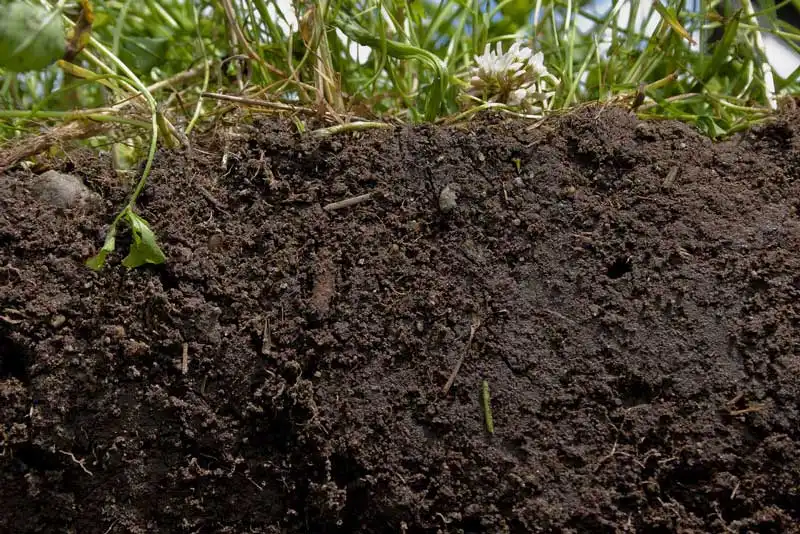
Think about the Three Sisters method from Native American traditions. Corn stalks grow tall, giving beans a place to climb. The beans put helpful nitrogen back into the soil. Squash plants spread out, blocking weeds and holding moisture in the ground. Growers still use this smart method even now. Tests show it can cut soil loss by almost one-third.
Try changing your plant pairs each growing season. Move them to new spots. This lets the soil rest. It also helps keep the dirt full of good things.
Common Myths and Misconceptions
Some plants just don’t get along. They might hog the sun. Or bring in pests. Forget the idea that anything works. See what plants pair up best.
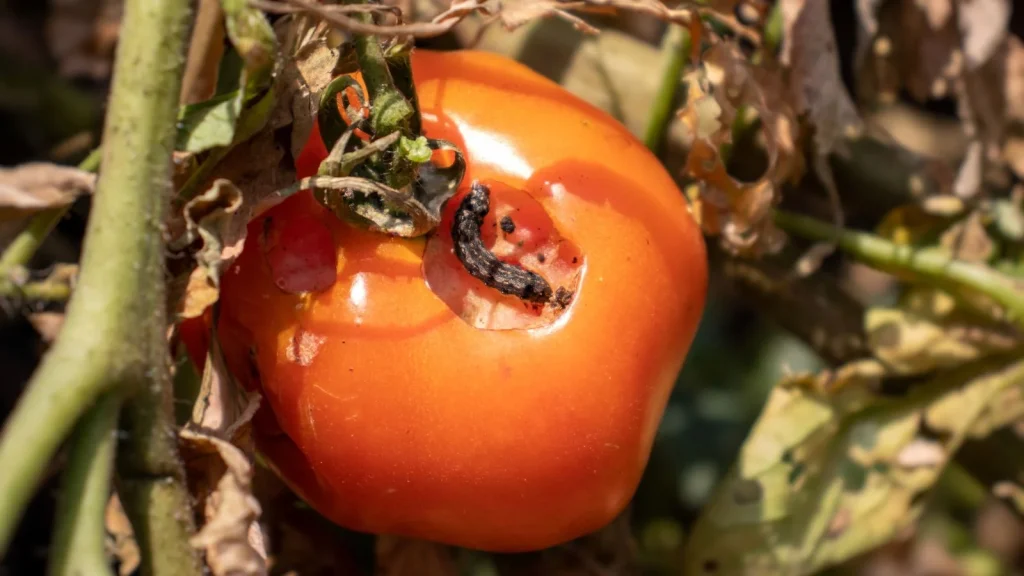
Soil pH also counts. Get a cheap kit from the store. Test your soil. Find the right balance. Then carrots and onions grow great.
Top Eco-Friendly Companion Planting Combinations
We get these plants from organic farms. They choose types that need less water. These plants also help our bees. Pick the right ones for your yard. Many are easy to grow yourself.
Vegetable Pairings for Pest-Repellent Gardens
Plant basil near your tomatoes. Basil’s smell scares off aphids. This keeps your tomato plants bug-free.
Carrots grow best next to onions. Onions give off a scent. This smell keeps carrot flies away. Give them 12 to 18 inches of space. Plenty of air stops mold from growing.

The Rodale Institute did tests. They found these plant pairings cut pests by half. No harmful sprays were needed. This means healthier food for you.
Other winners include:
- Potatoes with beans: Beans fix soil food, potatoes get stronger.
- Lettuce under sunflowers: Shade keeps it crisp in heat.
Fruit and Perennial Pairings for Long-Term Sustainability
Strawberries taste sweeter when planted near borage. Borage attracts helpful bees. It also puts good minerals into the soil.
Apples grow better with garlic at their base. Garlic scares away moths. These moths often bore into the fruit.
These plant pairs can last years in European gardens. Spread leaves or straw around them as mulch. This mulch holds water. It also feeds the ground.

More ideas:
- Blueberries with pine needles: Acidic cover matches their needs.
- Raspberries near clover: Clover shades roots and adds nitrogen.
Implementing Companion Planting in Your Organic Garden
Now let’s get your hands dirty. Plan smart to avoid clashes. Watch sun and water needs. This builds a garden that runs on its own.
Planning Your Garden Layout
Map out your garden area. Mark where the sun hits each spot. Note the shady parts too. Plant tall crops together, like corn. They can shade smaller plants nearby.

Avoid mixing some crops. For example, keep potatoes away from tomatoes. These pairs often get the same pests. Look up charts in the Old Farmer’s Almanac. They show which plants grow well together.
Start with a small garden. Pick just three plant types for your first try. Space your rows evenly. This helps all your plants grow better.
Seasonal Strategies for Year-Round Success
Plant peas and radishes each spring. Peas like to climb. Radishes work to loosen the dirt below. Come fall, add kale and garlic. Garlic helps keep flea beetles away. Those pests often bother green leaves. Check USDA advice for your specific area. Plant new seeds every few weeks. This practice is called succession planting. It ensures you always have fresh produce. It also brings in a wide range of beneficial bugs.
Maintenance Tips to Maximize Eco-Benefits
Use drip lines for watering. They save water. Roots get what they need.
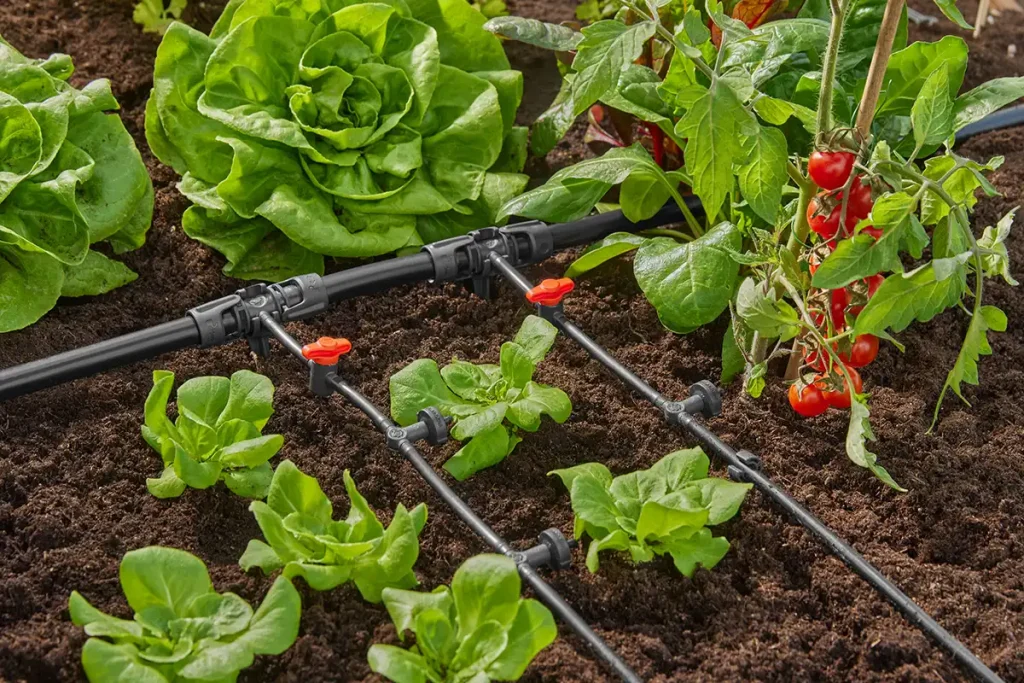
Yearly compost feeds your plants. Skip buying expensive store products.
Watch for aggressive plants. Cut back large leaves. This helps all plants get light. Pull weeds as soon as they appear. Your garden buddies will grow strong.
Overcoming Challenges in Eco-Friendly Companion Planting
Issues pop up, but fixes are simple. Stay alert and tweak as you go. Many organic pros face the same.
Dealing with Pests and Diseases Naturally
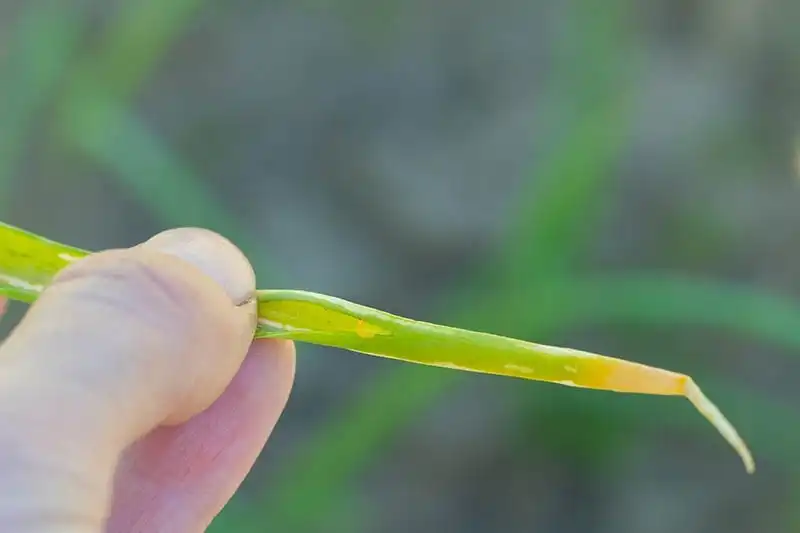
Plant chives near your roses. They stop black spot fungus. Their smell confuses many garden bugs. Buy ladybugs from a local garden shop. These small insects eat aphids. They do no harm to your plants. When spots appear, pull off the affected leaves. Throw these bad leaves in a compost pile far away.
Adapting to Climate and Soil Variations
Dry garden areas? Try planting beans and sunflowers together. Sunflowers reach deep for water. Your beans will then share that moisture.
Test your soil every spring. If it is not good, mix in some worm castings.
For cold regions, pick strong plant pairs. Garlic and kale are perfect. They can handle the frost easily.
Scaling Up for Larger Organic Plots
For big areas, rotate every three years. It breaks pest cycles.
Organic farms from the Research Foundation use wide rows of Three Sisters. Yields jump 20% with less work.
Join a local group. Share seeds and tips for community wins.

Conclusion
Eco-friendly companion planting cuts your garden’s harm to the planet. It builds strong soil, nixes chemicals, and ups your harvest. You save time and money too.
Pick pairs that match your needs. Test a few spots first. Watch how they grow and change what doesn’t work.
Head out this season. Plant a combo or two. Your organic garden will thank you—and so will the earth. Share your wins with friends to spread the green way.