Seed propagation is one of the oldest and most common methods of growing plants, whether in home gardens, nurseries, or agricultural fields. It’s affordable, natural, and often highly productive. Yet many growers especially beginners, often wonder why plants grown from seed sometimes look or behave differently from one another. Even when all seeds come from the same parent plant, you might notice differences in height, color, leaf shape, flavor, disease resistance, or growth speed. Understanding how genetic variation effects is essential for gardeners, plant breeders, and commercial growers who want healthier, more predictable, and higher-quality plants.
The reason behind these differences lies in genetic variation.

Why Genetic Variation Effects Matters in Seed Propagation
When growing plants from seed, genetic variation affects:
- Growth rate
- Plant size and structure
- Fruit color, flavor, and yield
- Flowering time
- Resistance to pests and diseases
- Stress tolerance (heat, cold, drought, salinity)
- Overall plant vigor
Understanding these effects helps growers choose the right propagation method, select high-quality seeds, and manage expectations for the final results.
How Genetic Variation Influences Seed Propagation
Let’s break down the most important ways genetic variation affects plants grown from seed.
1. Variation in Germination Rates

Even when seeds are fresh and high-quality, not all germinate at the same time. This is partly due to genetic differences that affect:
- Dormancy behavior
- Seed coat thickness
- Enzyme activity
- Response to temperature or moisture
Some seeds sprout quickly, while others stay dormant for days or even weeks longer.
Impact: uneven seedling trays, difficulty in scheduling propagation, unpredictable growth cycles.
2. Differences in Seedling Vigor
Genetic variation results in seedlings that grow at different speeds. Some will be taller, greener, and stronger, while others may be smaller or weaker.
Factors influenced by genetics:
- Nutrient uptake efficiency
- Photosynthesis rate
- Root development
- Hormonal balance
Impact: Larger seedlings may overshadow smaller ones, affecting their access to light and nutrients.
3. Variation in Physical Traits
Seed-grown plants often differ in:
- Leaf shape and size
- Stem thickness
- Plant height
- Flower color
- Fruit shape and taste

For example, if you plant seeds from an open-pollinated tomato plant, you might see tomatoes that vary slightly in size or flavor.
Impact: Beautiful diversity for home gardeners, but variable quality for commercial growers.
4. Different Flowering and Fruiting Times
Plants with genetic variation won’t always bloom or set fruit at the same time. Some may mature earlier, while others take longer.
Traits affected:
- Photoperiod response
- Temperature sensitivity
- Hormonal triggers
Impact: variable harvest times, inconsistent yield planning.
5. Sensitivity to Environmental Stress
Genetic variation leads to different levels of tolerance to:
- Heat
- Cold
- Drought
- Humidity
- Salinity
- Soil pH fluctuations
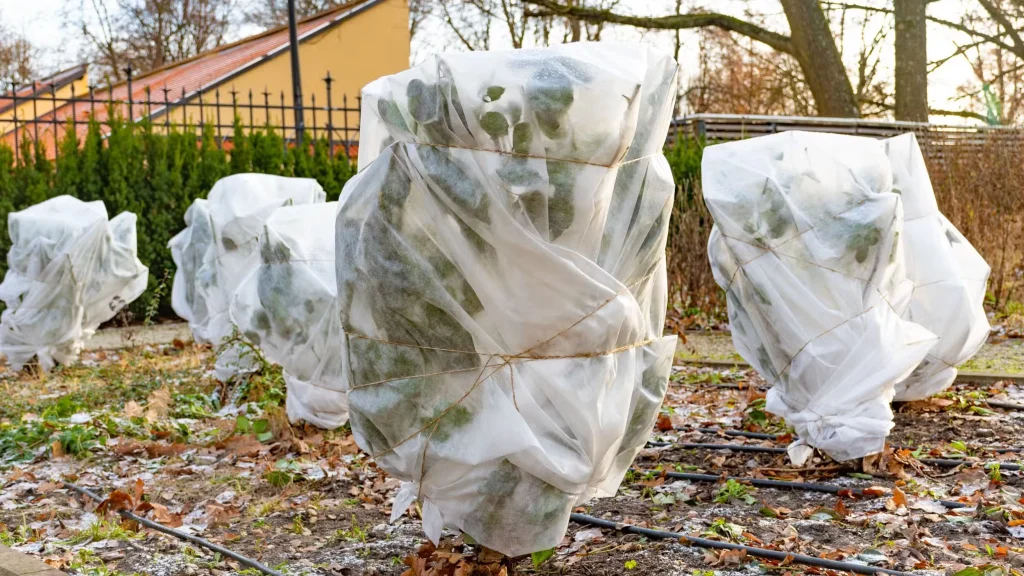
Some seedlings thrive in difficult conditions, while others may wilt or die.
Impact: only some plants survive harsh conditions, making large-scale uniform cultivation challenging.
6. Disease and Pest Resistance
Some plants naturally resist specific pathogens or insects better than others. This is due to genes related to:
- Immune response
- Cellular defense mechanisms
- Secondary plant compounds
For example, in a batch of cucumbers, some seedlings may resist powdery mildew better than others.
Impact: uneven plant survival, inconsistent quality.
7. Yield and Productivity Variation
Genetic diversity contributes to differences in:
- Number of fruits or flowers
- Fruit or vegetable size
- Flavor and aroma profile
- Oil, fiber, or medicinal compound content

Uniformity is especially important in agriculture where crops must meet commercial quality standards.
How to Manage Genetic Variation Effectively
1. Choose the Right Seed Type
- For uniform crops: F1 hybrid seeds
- For diversity: OP or heirloom seeds
2. Use Controlled Pollination
Isolate plants to prevent unwanted cross-pollination.
3. Select the Best Mother Plants
Pick plants with desirable traits for seed saving.
4. Test Germination Before Large-Scale Planting
A small test can reveal variation earlier.
5. Thin Seedlings
Remove weak or slow-growing seedlings to maintain a uniform batch.
6. Label and Track Plant Traits
Keep notes to identify which parent plants produce the best offspring.
Troubleshooting Table: Genetic Variation Issues in Seed Propagation
| Problem | Likely Cause (Genetic) | Visible Symptoms | Solution |
|---|---|---|---|
| Uneven germination | Genetic dormancy differences | Some seeds sprout late | Sow more seeds, pre-soak, or use uniform hybrid seeds |
| Weak or slow seedlings | Low-vigor genes | Pale, short seedlings | Remove weak plants; select high-vigor parents |
| Plants look different from each other | Natural genetic recombination | Differences in height, leaf shape | Use heirloom/hybrid seeds for uniformity |
| Inconsistent fruit size or flavor | Open-pollination variation | Mixed quality produce | Choose stabilized varieties or F1 hybrids |
| Some plants die while others thrive | Variation in stress tolerance | Wilting under heat/cold | Select the strongest surviving plants for future seeds |
| Uneven flowering times | Different genetic maturity rates | Plants bloom at different times | Grow stabilized cultivars; prune to balance growth |
| Unexpected traits appear | Cross-pollination | Different colors, shapes | Isolate plants during flowering |
| Poor disease resistance | Lack of resistant genes | Some plants infected, others healthy | Select disease-resistant parent lines |

Conclusion
Genetic variation plays a vital role in seed propagation. While it introduces unpredictability, it also creates resilience, beauty, and endless opportunities for plant improvement. By understanding how genetic differences influence germination, growth, flowering, disease resistance, and yield, growers can make smarter choices—whether they want uniform crops or a diverse, adaptable garden.
Managing genetic variation strategically helps you produce stronger plants, improve your seed-saving practices, and create more successful gardens year after year.