Introduction: Overview and Importance of the Topic

If you’ve ever thought about growing your own vegetables, broccoli is a fantastic option to start with. It’s a nutritious powerhouse packed with vitamins, fiber, and antioxidants that are great for your health. Plus, the satisfaction of growing your own fresh, crisp broccoli is hard to beat.
You’ll also save money and avoid any chemicals that often come with store-bought produce. Grow Broccoli thrives in cooler weather, making it perfect for spring or fall gardens. By learning the basics, you’ll not only have a thriving garden but also enjoy homegrown vegetables on your plate. Let’s get started!
Understanding the Core Concepts and Background
When you’re diving into growing broccoli, it helps to know the basics about this cool-season veggie. First, broccoli thrives best in temperatures between 60–70°F, making it perfect for spring or fall planting. It’s part of the Brassica family, like cabbage and cauliflower, so it shares some care requirements.
You’ll also need to know the difference between types, such as heading varieties with a central crown or sprouting types with multiple small florets. Broccoli loves full sun and rich, well-draining soil with a slightly acidic pH (around 6.0–7.0). Keeping these factors in mind will set you up for success.
Key Benefits and Advantages of the Subject
Growing broccoli has so many perks that it’s worth adding it to your garden. Here’s why:
- Fresh and Flavorful: When you grow your own broccoli, you get to enjoy it straight from the garden—no store-bought veggies can match that flavor.
- Nutritional Powerhouse: Broccoli is packed with vitamins like C and K, plus antioxidants to boost your health.
- Cost Savings: Growing it at home is way cheaper than buying organic broccoli from the grocery store.
- Eco-Friendly Choice: You’ll reduce your carbon footprint by skipping the packaging and transport costs of store-bought produce.
- Gardening Rewards: Watching your broccoli thrive is super rewarding—it’s a confidence boost for any gardening newbie!
Challenges and How to Overcome Them
Growing broccoli can come with its fair share of hurdles, but don’t stress—there’s a solution for almost everything!
- Pests like aphids and cabbage worms: Combat these with insecticidal soap or by introducing natural predators like ladybugs. You can also try floating row covers to keep pests away.
- Temperature sensitivity: Broccoli loves cool weather. If it gets too hot, you’ll see bolting. Plant early in spring or later in summer for fall crops. Mulch helps regulate soil temperature.
- Nutrient deficiencies: Yellow leaves may mean nitrogen is lacking. Feed your plants with a balanced fertilizer or compost.
- Overwatering or poor drainage: Soggy soil leads to root rot. Make sure your soil drains well, and water consistently, but not excessively.

Keep an eye on your plants daily to catch and fix problems early!
Practical Applications and Real-world Examples
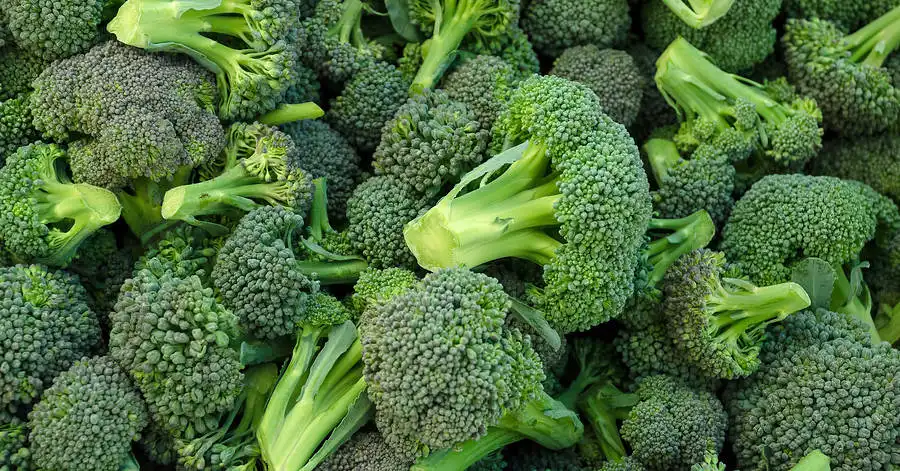
When growing broccoli, you can use garden beds, raised beds, or even containers, which are perfect for small spaces. Try planting companion plants like onions or herbs nearby; they help repel pests. If you live in colder climates, consider investing in row covers or frost cloth to protect young plants during unexpected temperature dips. Pay attention to the firmness and green color of the broccoli heads when harvesting; you’ll know they’re ready once they hold tightly packed buds. For water, aim for consistent moisture to avoid bitter-tasting broccoli. Compost from your kitchen scraps can make an excellent natural fertilizer to enrich your soil.
Future Trends and Potential Developments
If you’re into growing broccoli, you’re going to love how technology and innovation are stepping in to make things cooler! Here are some trends you’ll want to keep an eye on:
- Smart Gardening Tools: Imagine using sensors to track soil nutrients and moisture levels. You’ll just need to follow app alerts for when to water or fertilize.
- Sustainable Practices: Hydroponics and vertical gardening are becoming big. These methods save space and use less water.
- Climate-Resilient Seeds: Super exciting! There are new seed varieties being developed to handle extreme weather better.

Catch on to these trends, and growing broccoli might feel futuristic! Keep experimenting—you’ve got this.
Conclusion: Final Thoughts and Takeaways
You’ve got this! Growing broccoli is all about timing, care, and patience. If you plant at the right time, track your soil quality, and stay consistent with watering, your efforts will pay off. Keep pests like cabbage worms under control, and don’t forget to thin out those seedlings to allow room for growth. Watching your broccoli thrive is such a rewarding experience. Plus, harvesting and enjoying a veggie you’ve grown yourself is a whole new level of satisfaction. Keep learning as you go—you’ll get better with each season! Enjoy the process and your homegrown broccoli feast!