Root crops such as beets and carrots are among the most rewarding vegetables to grow in your garden. They’re nutrient-packed, easy to cultivate, and perfect for small backyard spaces or raised beds. Whether you’re an experienced gardener or just getting your hands dirty for the first time, learning how to grow root crops properly can lead to an abundant and flavorful harvest.

In this comprehensive guide, we’ll walk you through everything you need to know from soil preparation and planting tips to watering, fertilizing, and harvesting techniques. By the end, you’ll be ready to grow beautiful, healthy, and delicious root vegetables right in your own garden.
Why Grow Root Crops Like Beets and Carrots?
Growing root crops is one of the most efficient ways to produce fresh, nutritious food at home. Beets and carrots are particularly popular because they’re versatile, store well, and thrive in many climates.

Here are a few benefits of growing these crops:
- Nutrient-rich harvest – Carrots are loaded with beta-carotene and vitamins, while beets are full of antioxidants and minerals like iron and potassium.
- Long storage life – When properly cured and stored, both beets and carrots can last for months.
- Low maintenance – These crops don’t require much space or complex care routines.
- Soil improvement – Their roots help loosen compacted soil, improving its structure over time.
- Continuous harvest – With proper planning, you can enjoy multiple harvests throughout the growing season.
Choosing the Right Location and Soil
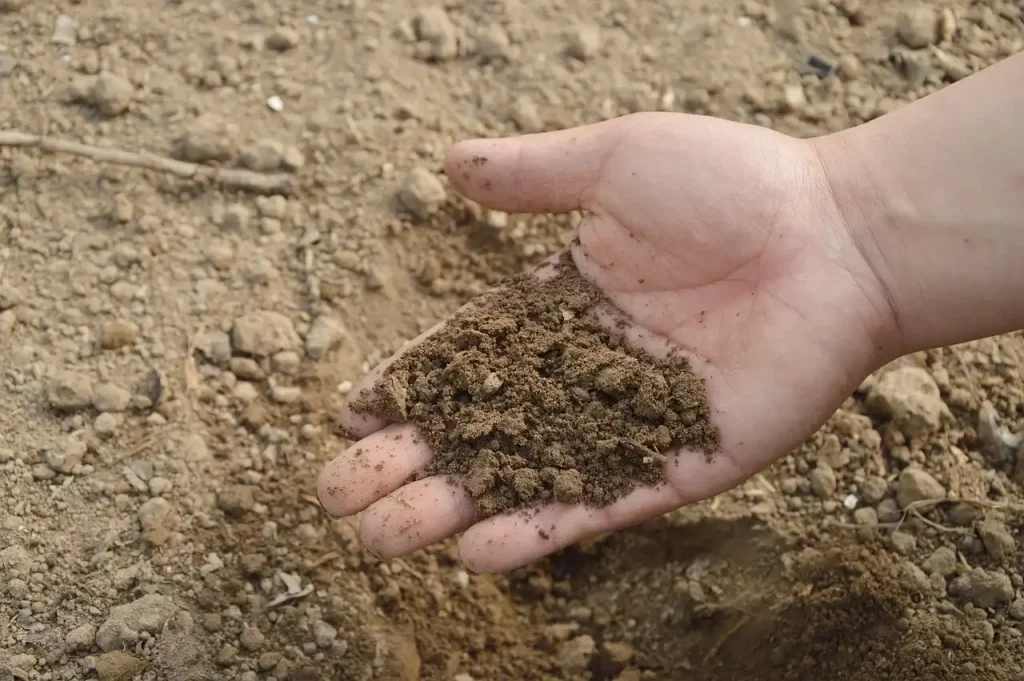
Root crops develop underground, so the soil quality is the most critical factor for success. Beets and carrots need loose, well-draining, and nutrient-rich soil to grow long, smooth roots.
Ideal Soil Conditions
- Texture: Sandy loam or loamy soil is best. Avoid heavy clay, which can cause misshapen roots.
- pH level: Maintain a neutral pH between 6.0 and 7.0.
- Nutrients: Enrich the soil with compost or well-rotted manure before planting.
- Drainage: Ensure the bed drains well, waterlogging leads to rot.
If your soil is compacted or rocky, consider using raised garden beds or deep containers. This allows better control over the soil structure and encourages healthy root development.
Selecting the Best Varieties of Beets and Carrots
Not all root crops grow the same way. Choose the right variety based on your climate, soil type, and taste preferences.

Popular Beet Varieties
- Detroit Dark Red: Classic round shape, great flavor, and excellent for storage.
- Chioggia: Known for its striking red-and-white rings.
- Golden Beet: Milder and less earthy flavor with bright golden color.
Popular Carrot Varieties
- Nantes: Sweet and crisp, perfect for home gardens.
- Danvers: Tolerant of heavier soils and stores well.
- Imperator: Long and slender; ideal for deep, loose soil.
By mixing varieties, you can extend your harvest season and enjoy different flavors and textures.
When to Plant Beets and Carrots
Both beets and carrots prefer cooler weather, making them ideal for spring and fall planting.
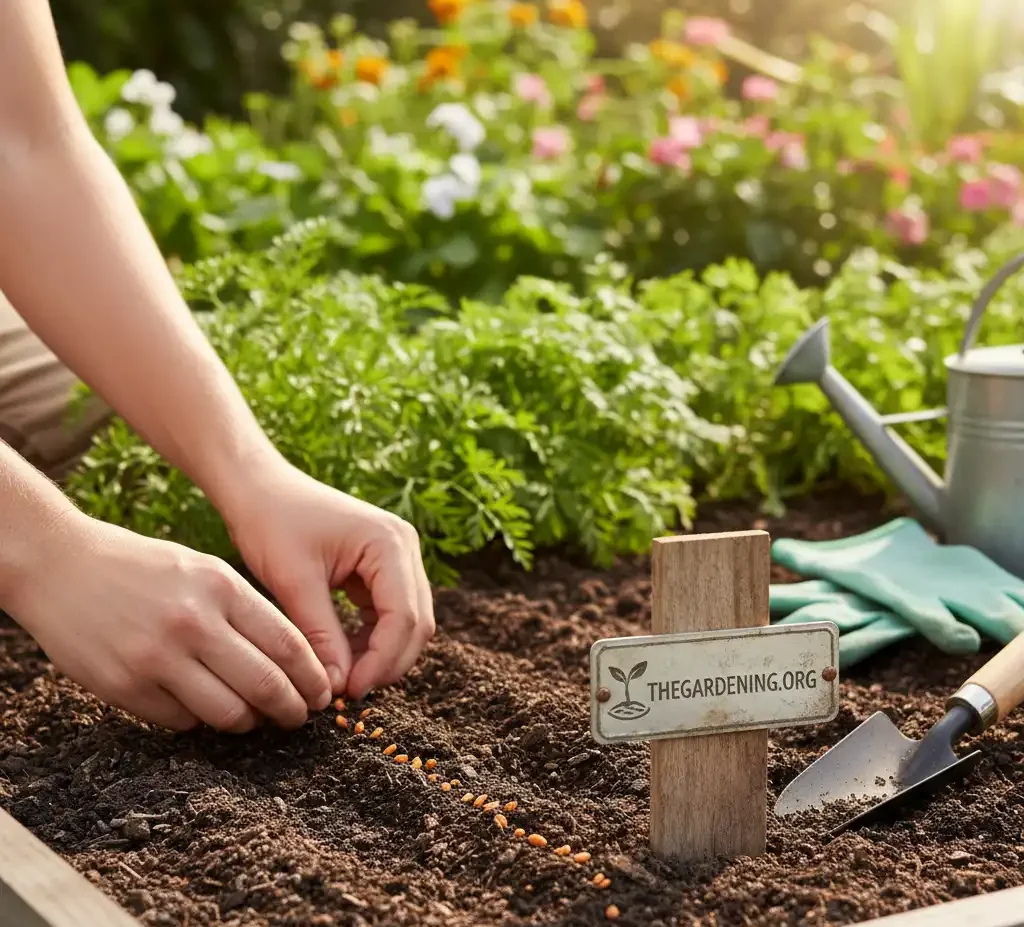
- Spring Planting: Sow seeds 2–3 weeks before the last frost date.
- Fall Planting: For a late-season harvest, plant 8–10 weeks before the first expected frost.
In warmer climates, you can even grow root crops through winter, as long as you protect them with mulch or row covers.
How to Plant Root Crops
Step 1: Prepare the Soil
Loosen the top 10–12 inches of soil to make it easy for roots to expand. Mix in compost or organic matter but avoid fresh manure, it can cause forked roots.
Step 2: Sow the Seeds
- Carrots: Sow seeds about ¼ inch deep and 1 inch apart.
- Beets: Plant beet seeds ½ inch deep and 2 inches apart.
- Rows: Space rows about 12–18 inches apart for easy weeding and watering.

Carrot seeds are tiny and can be mixed with sand for even distribution. Beets grow in clusters (each seed contains several), so thinning will be necessary after germination.
Step 3: Thin the Seedlings
Once seedlings reach about 2 inches tall, thin them to prevent overcrowding.
- Carrots: Thin to 2 inches apart.
- Beets: Thin to 3–4 inches apart (you can eat the baby greens!).
Thinning ensures each plant has enough space to develop strong, healthy roots.
Caring for Your Root Crops
1. Watering
Keep the soil consistently moist, especially during germination. Root crops need about 1 inch of water per week. Uneven watering can lead to cracked roots, so avoid letting the soil dry out completely between watering sessions.
2. Mulching
Apply a layer of organic mulch, such as straw or shredded leaves, around the plants. Mulching helps:

- Retain soil moisture
- Regulate temperature
- Reduce weeds
3. Fertilizing
Root crops don’t need excessive nitrogen, too much will encourage leafy tops instead of root growth.
Use a balanced fertilizer (10-10-10) or one lower in nitrogen. Compost tea or organic potassium-based fertilizers work well for beets and carrots.

4. Weeding
Keep weeds under control, especially in the early stages. Weeds compete for nutrients and can cause root deformities. Gently hand-weed to avoid disturbing shallow roots.
Common Problems and Solutions
Even with the best care, root crops can face some challenges. Here’s how to tackle them:
| Problem | Cause | Solution |
|---|---|---|
| Forked or twisted roots | Hard or rocky soil | Loosen soil, remove stones |
| Cracked roots | Uneven watering | Maintain consistent moisture |
| Poor germination | Dry soil or planting too deep | Keep soil moist, plant shallow |
| Leaf spots or yellowing | Fungal disease or pests | Use neem oil, rotate crops |
| Small roots | Overcrowding or too much nitrogen | Thin seedlings, balance fertilizer |
Regularly inspect plants for signs of pests like carrot flies, aphids, or nematodes, and take preventive measures such as using floating row covers.
Harvesting Beets and Carrots
Timing is everything when it comes to harvesting root crops.
Beets:
- Ready in 50–70 days.
- Harvest when the roots are 1.5–3 inches in diameter.
- Gently pull from the soil or loosen with a fork.
- Don’t discard the tops — beet greens are delicious sautéed or added to salads.
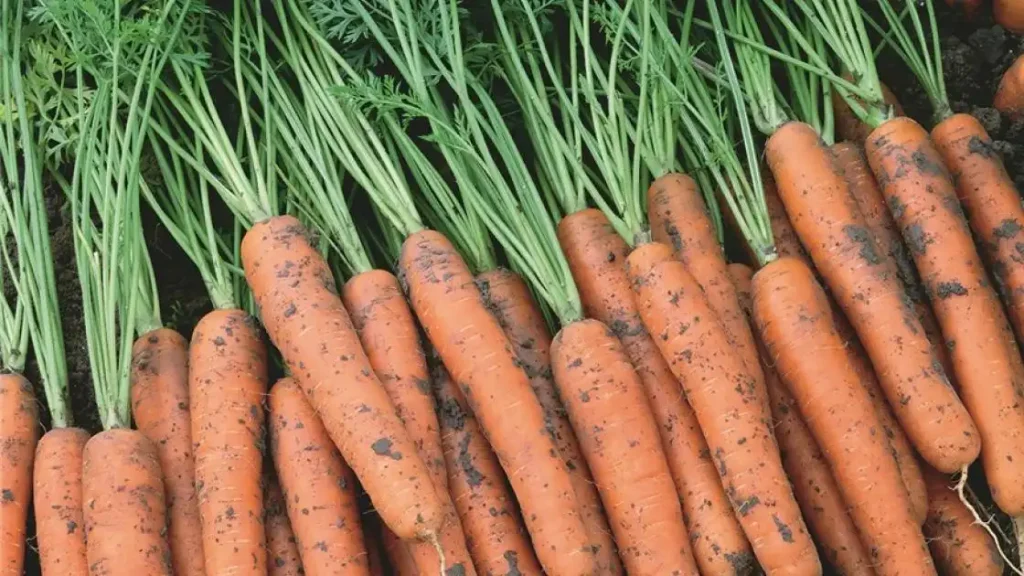
Carrots:
- Mature in 60–80 days, depending on variety.
- Check the crown size; most are ready when ¾–1 inch thick.
- Pull carefully to avoid breaking the roots.
For a sweeter flavor, leave carrots in the ground until after a light frost cold temperatures convert starches into sugars.
Conclusion: Dig Deep for Delicious Rewards
Learning how to grow root crops like beets and carrots is a fulfilling journey that yields tasty, nutrient-rich vegetables right from your backyard. With the right soil, watering routine, and care, you can enjoy vibrant, homegrown produce that enhances your health and garden alike.
Whether you’re aiming for a sustainable food source or simply love gardening, these underground treasures will reward your effort with flavor, color, and satisfaction all season long.