Growing your own strawberries is a rewarding experience. It gives you fresh, juicy fruit right in your backyard. Starting from seeds lets you choose from a wider variety and can save money.
By following a simple, step-by-step process, you can grow strawberries successfully. This guide will show you how, from preparing your seeds to caring for your plants.

Key Takeaways
- Starting strawberries from seeds allows for a wider variety of strawberry types.
- It’s a cost-effective way to grow strawberries.
- The process involves several straightforward steps.
- Proper care is essential for a bountiful harvest.
- With the right guidance, anyone can successfully grow strawberries from seeds.
Understanding Strawberry Varieties and Seeds
To grow strawberries well, knowing the different types of varieties and seeds is key. This knowledge helps you choose the right seeds for your garden.
Common Strawberry Varieties for Home Growing
For home gardens, Albion, Camarosa, and Seascape are great choices. They taste good, grow well, and resist diseases. Think about your climate, when you want to harvest, and what you like to eat.
The Difference Between Store-Bought and Wild Strawberry seeds
They might grow bigger fruit or more. Wild strawberry seeds, on the other hand, make plants that are strong and fit many places. Knowing this helps you pick the right seeds for you. Store-brought seeds are often special hybrids
When to Start Growing Strawberries from Seeds
When to start seeds depends on where you live and the weather. Usually, start them indoors 8-10 weeks before the last frost. This gives them a good start in the growing season.
Benefits of Growing Strawberries from Seeds
Starting with seeds to grow strawberries offers unique benefits. It makes gardening more rewarding. You get to enjoy advantages that make growing strawberries a special experience.
Cost-Effectiveness Compared to Buying Plants
Growing strawberries from seeds is cost-effective. It saves money compared to buying plants. This way, you can spend less and grow more.
Greater Variety Selection
Seeds let you grow a wider variety of strawberries. You can try heirloom and hybrid types. This adds flavor, texture, and color to your garden.
| Benefit | Description |
| Cost-Effectiveness | Reduces initial investment by starting with seeds |
| Variety Selection | Access to a broader range of strawberry varieties |
| Personal Satisfaction | Fulfillment from growing plants from scratch |

Satisfaction of Growing from Scratch
Growing strawberries from seeds brings personal satisfaction. Seeing them grow from seed to fruit is rewarding. It deepens your connection to nature and garden.
Essential Supplies and Equipment
To start growing strawberries from seeds, you need the right tools and materials. Having the correct supplies is key for a healthy start for your strawberry plants.
Seed Selection and Storage
Choosing high-quality strawberry seeds is crucial. Find seeds from trusted suppliers or nurseries that focus on strawberry varieties. Keep the seeds in a cool, dry spot until you’re ready to plant them. This keeps the seeds fresh.
Containers and Growing Medium
You’ll need containers that let water drain well to avoid soggy soil. Seed starting trays or small pots work great. Use a seed starting mix that drains well. Don’t use regular potting soil, as it’s too dense for young plants.
| Supply | Description |
| Strawberry Seeds | High-quality seeds from reputable suppliers |
| Containers | Seed starting trays or small pots with good drainage |
| Growing Medium | Well-draining seed starting mix |
| Watering Can | Gentle watering can or spray bottle for watering |

Tools and Accessories
A watering can or spray bottle is essential for gentle watering. You’ll also need a seed starting heat mat(if your spot is not warm enough), grow lights (for indoor starts in winter), and a misting bottle to keep humidity up.
With these essential supplies and equipment, you’re ready to grow strawberries from seeds successfully.
How to Grow Strawberries from Seeds
Starting strawberries from seeds is a fun gardening project. It’s rewarding to grow your own delicious strawberries at home.
Seed Preparation and Stratification
Before planting, strawberry seeds need preparation and stratification. This step involves cold stratification to mimic winter. It helps seeds to germinate
To stratify, mix seeds with moistened peat moss. Then, store them in a fridge for 1-2 weeks.
Planting Depth and Spacing
After stratification, plant seeds about 1/8 inch deep in seed starting mix. Space them 2 inches apart from growth. Keep the soil moist but not too wet.
Optimal Germination Conditions
Strawberries need specific conditions for germination. This includes the right temperature and light.
Temperature Requirements
Keep the temperature between 65-75°F (18-24°C) for best germination. Avoid extreme temperatures that can slow down germination.

Light Requirements
Strawberry seeds need indirect light to germinate. Place them near a sunny window or under grow lights. Make sure they get enough light without getting scorched.
By following these steps and providing the right conditions, you can grow strawberries from seeds. For more tips on caring for strawberry seedlings, see the next section.
Caring for Strawberry Seedlings
As your strawberry seedlings grow, they need the right care for a healthy harvest. This includes watering, fertilizing, and protecting them from pests and diseases.
Watering Techniques for Young Plants
Water your seedlings gently but thoroughly. Make sure the soil is moist but not too wet. Overwatering can cause root rot, A big problem in growing strawberries. Check the soil by inserting your finger up to the first knuckle. If it’s dry, it’s time to water.
Fertilization Schedule
Start fertilizing your seedlings when they have two sets of leaves. A 10-10-10 NPK fertilizer is best for growth. Always follow the fertilizer’s instructions to avoid too much.
Common Problems and Solutions
Seedlings might face pests or diseases. Managing pests means using organic methods. For diseases, keep air flowing and remove sick plants.
Pest Management
Aphids and slugs are common pests. Use organic methods like neem oil or pick them off by hand.
Disease Prevention
Stop diseases by keeping air moving and removing sick leaves. Regular checks are crucial to stop disease spread.

Transplanting Seedlings to Garden or Containers
When your strawberry seedlings have their first true leaves, it’s time to move them. This is key for their growth and fruit production.
When to Transplant
Transplant when they have 2-3 sets of leaves and are 2-3 inches tall. This is 1-2 weeks after they sprout. Be gentle with the seedlings to protect their roots.
Preparing the Garden Bed
Before moving them, loosen the soil to 8-10 inches deep. Add compost or well-rotted manure to make the soil better.

Container Growing Options
For containers, pick pots that are 6-8 inches deep with holes for water. You can use plastic or wooden planters.
Spacing and Arrangement
Plant strawberries 12-18 inches apart in rows 3 feet wide. In pots, they can be 6-8 inches apart. Try a
- circular pattern
- zig-zag pattern
to save space.
By following these steps, you’ll successfully transplant your seedlings. Enjoy a great harvest. Remember, growing strawberries from seeds takes patience and care.
Harvesting and Enjoying Your Homegrown Strawberries
There’s nothing quite like biting into a juicy, ripe strawberry that you’ve grown yourself. After putting in the effort to grow strawberries from seeds, the reward is sweet and tangible.
Signs of Ripeness
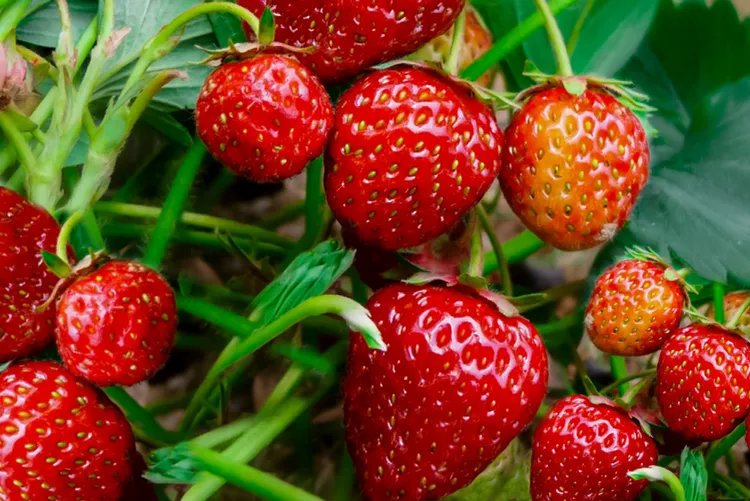
Strawberries are ready to harvest when they are bright red and slightly soft to the touch. Check your plants regularly, as strawberries ripen quickly.
Harvesting Techniques
Gently grasp the strawberry between your thumb and index finger, and twist it off the stem. Avoid pulling on the strawberry to prevent damaging the plant.

Storage and Preservation Methods
To keep your strawberries fresh, store them in a cool, dry place. You can also freeze or jam them for longer preservation.
Culinary Uses for Your Harvest
Enjoy your strawberries fresh, or use them in salads, desserts, or as a topping for yogurt or oatmeal.
| Culinary Use | Description |
| Fresh | Enjoy strawberries as is, or with a bit of sugar. |
| Salads | Add sliced strawberries to green salads or fruit salads. |
| Desserts | Use strawberries in cakes, tarts, or as a topping for ice cream. |
Conclusion
Now you know how to grow strawberries from seeds. You’re all set to start your strawberry growing journey. Follow the steps in this guide to enjoy a big harvest of tasty homegrown strawberries.
Growing strawberries from seeds is cost-effective and lets you choose from many varieties. You’ll also feel proud of growing them yourself. With the right tools, you can grow strawberry seedlings and move them to your garden or pots.
Knowing the best conditions for germination and caring for your seedlings is key. Harvesting your strawberries at the right time will make your growing experience a success. So, start today and enjoy growing strawberries from seeds.