Growing vegetables that thrive in cooler seasons is one of the most rewarding ways to enjoy fresh, healthy produce when summer crops slow down. Many gardeners mistakenly believe that vegetable gardening ends with warm weather, but cool-season vegetables often grow faster, taste better, and face fewer pest problems.
From crisp leafy greens to sweet root vegetables, cooler temperatures provide ideal conditions for nutrient-rich harvests. Whether you have a backyard garden, raised beds, or containers, this guide will help you successfully grow vegetables that flourish in cool weather.
Best Vegetables That Thrive in Cooler Seasons
Leafy Greens
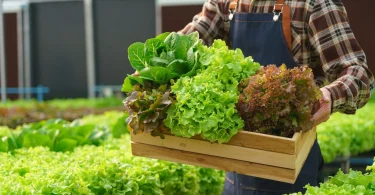
Leafy greens are some of the easiest and fastest-growing cool-season vegetables.
- Spinach
- Lettuce
- Kale
- Swiss chard
- Arugula
- Mustard greens
These crops thrive in cool soil and can be harvested multiple times.
Root Vegetables
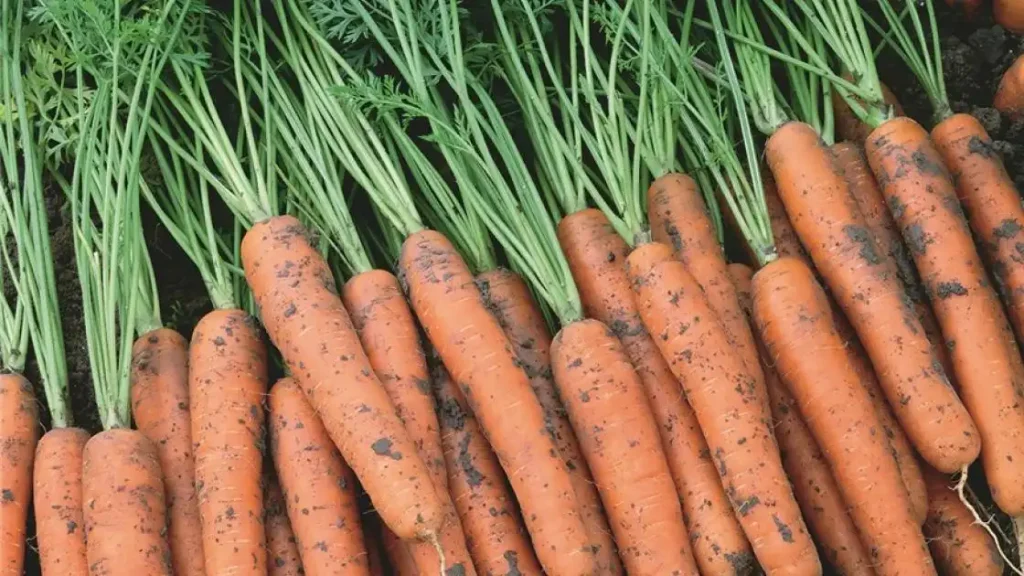
Root vegetables store energy underground, making them highly tolerant of cold weather.
- Carrots
- Beets
- Radishes
- Turnips
- Parsnips
Cool temperatures enhance their sweetness and texture.
Brassicas (Cole Crops)
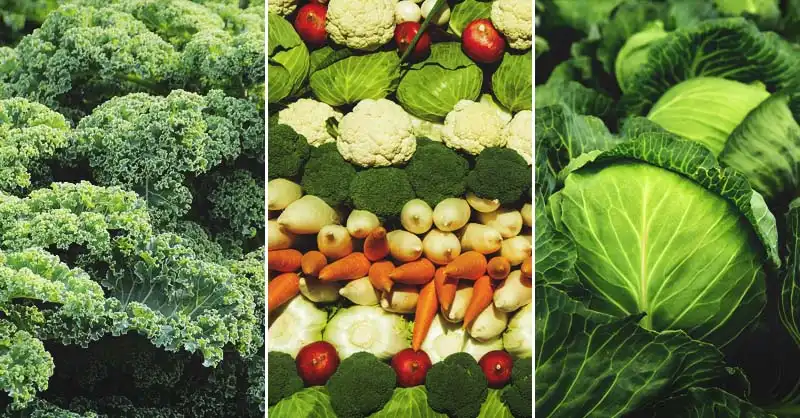
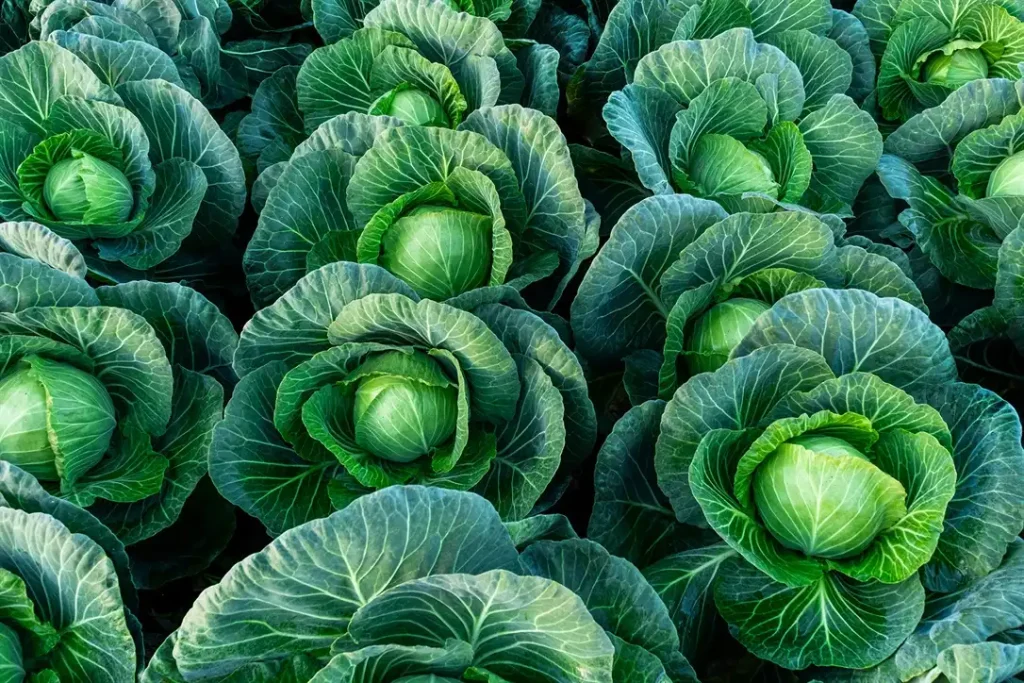
Brassicas are cold-hardy vegetables that grow exceptionally well in cool seasons.
- Broccoli
- Cauliflower
- Cabbage
- Brussels sprouts
- Bok choy
They perform best in consistent cool temperatures with proper spacing.
Legumes and Others
Some legumes and herbs also thrive in cooler weather.
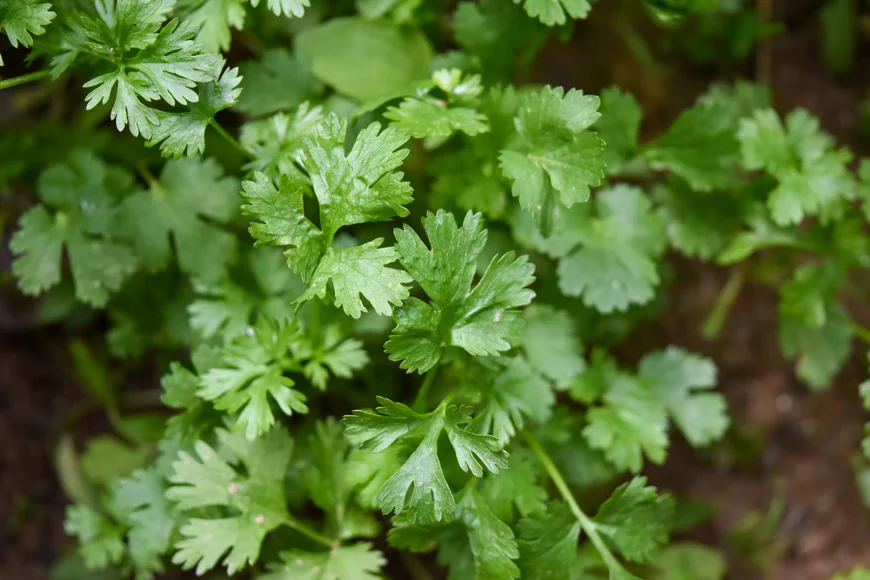
- Parsley
- Peas
- Fava beans
- Cilantro
- Dill
Best Time to Plant Cool-Season Vegetables
Timing is crucial when growing vegetables that thrive in cooler seasons.
Spring Planting
- Sow seeds 4–6 weeks before the last frost
- Focus on leafy greens and fast-growing crops
Fall Planting
- Plant 6–8 weeks before the first expected frost
- Ideal for root crops and brassicas
Winter Growing (Mild Climates)
- Use row covers or cold frames
- Choose frost-tolerant varieties
Soil Preparation for Cool-Season Gardening

Healthy soil ensures strong growth and disease resistance.
Soil Requirements
- Well-draining soil
- pH between 6.0 and 7.0
- Rich in organic matter
Soil Improvement Tips
- Mulch lightly to regulate temperature
- Add compost or well-rotted manure
- Avoid compacted soil
Sunlight and Water Needs

Sunlight
Most cool-season vegetables need:
- 4–6 hours of sunlight daily
- Partial shade is beneficial in warmer regions
Watering
- Drip irrigation works best
- Water consistently but avoid overwatering
- Cold soil retains moisture longer
Protecting Vegetables from Frost
While cool-season vegetables tolerate cold, extreme frost can damage crops.

Frost Protection Methods
- Row covers
- Mulching with straw
- Cold frames
- Cloches
These methods extend your growing season significantly.
Troubleshooting Table: Growth Issues
| Problem | Possible Cause | Solution |
|---|---|---|
| Slow growth | Cold soil or poor nutrition | Add compost, use mulch |
| Yellow leaves | Nitrogen deficiency | Apply organic fertilizer |
| Stunted plants | Overcrowding | Thin seedlings properly |
| Wilting | Poor drainage | Improve soil structure |
Harvesting Cool-Season Vegetables
Harvesting at the right time improves taste and yield.

Harvest Tips
- Pick leafy greens early and often
- Harvest roots when firm and mature
- Cut brassicas before flower buds open
Many cool-season vegetables allow multiple harvests, increasing productivity.
Storage Tips for Cool-Season Vegetables
Proper storage keeps vegetables fresh longer.
- Use breathable bags
- Store leafy greens in the refrigerator
- Root vegetables last longer in cool, dark places
- Remove excess soil before storage
Tips for Higher Yields
To maximize success when growing vegetables that thrive in cooler seasons:
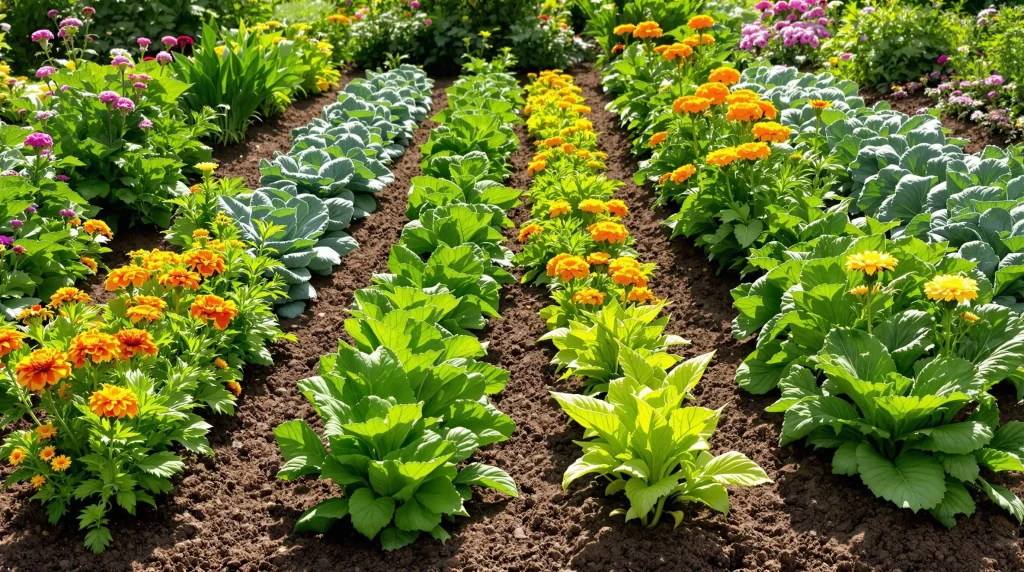
- Rotate crops annually
- Succession plant every 2–3 weeks
- Choose cold-hardy varieties
- Monitor soil temperature
- Keep beds weed-free
Troubleshooting Table: Pest Problems
| Pest | Symptoms | Control Method |
|---|---|---|
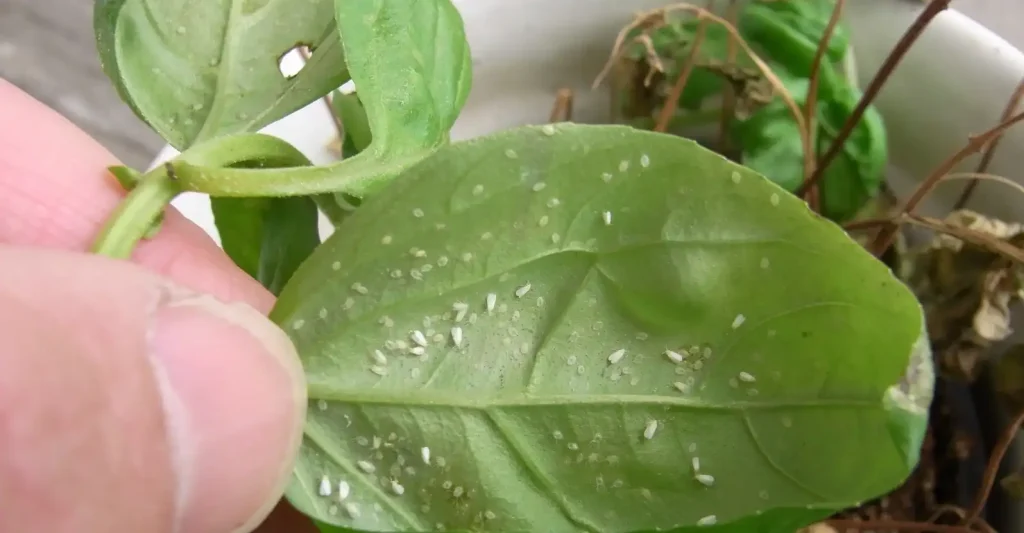
| Aphids | Curled, sticky leaves | Neem oil or insecticidal soap |
| Slugs | Holes in leaves | Hand-picking, organic bait |
| Caterpillars | Chewed leaves | Row covers, BT spray |
| Flea beetles | Tiny holes | Mulch, floating row covers |
Why Cool-Season Gardening Is Perfect for Beginners
Cool-season vegetables are forgiving and fast-growing, making them ideal for beginner gardeners.
- Less watering required
- Fewer pests
- Faster harvest times
- Minimal maintenance
With basic care, even new gardeners can enjoy abundant harvests.
Final Thoughts
Growing vegetables that thrive in cooler seasons is an excellent way to extend your gardening year, improve crop quality, and enjoy fresh produce when others stop planting. With the right soil preparation, planting timing, and frost protection, cool-season gardening can be both simple and highly productive.
Whether you’re planting leafy greens, root crops, or brassicas, cooler temperatures offer the perfect environment for healthy growth. By following the tips and troubleshooting advice in this guide, you’ll be well on your way to successful cool-season vegetable gardening.