
Leggy seedlings are frustrating for gardeners to deal with after all the effort you put into starting your seeds. After you have replanted them in hopes that they can survive the next round of growth, you will probably see a long thin stem that bends, flops over, or falls over. The good news is that leggy seedlings are correctable if you act quickly and use proper methods.
In this complete guide, you will discover what causes leggy seedlings and fixing leggy seedlings after being placed in the ground. Ultimately, this article will provide tips on how to avoid having leggy seedlings throughout the entire growing process. No matter if you are growing vegetables, flowers, or herbs, this information will turn these weak starts into strong productive plants.
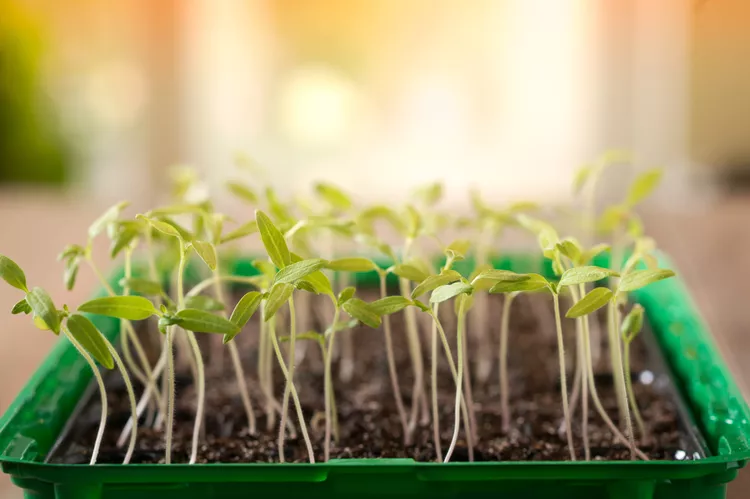
Why Seedlings Become Leggy (Even After Planting)
Understanding the causes helps you fix the issue properly instead of guessing.
1. Insufficient Light
The #1 cause of leggy seedlings. When light is weak or too far away, plants stretch upward to reach it.
2. Overcrowding
When seedlings are planted too close together, they compete for light and space, forcing upward growth.
3. Excess Nitrogen
Too much nitrogen fertilizer promotes fast, leafy growth without strengthening stems.
4. Warm Temperatures
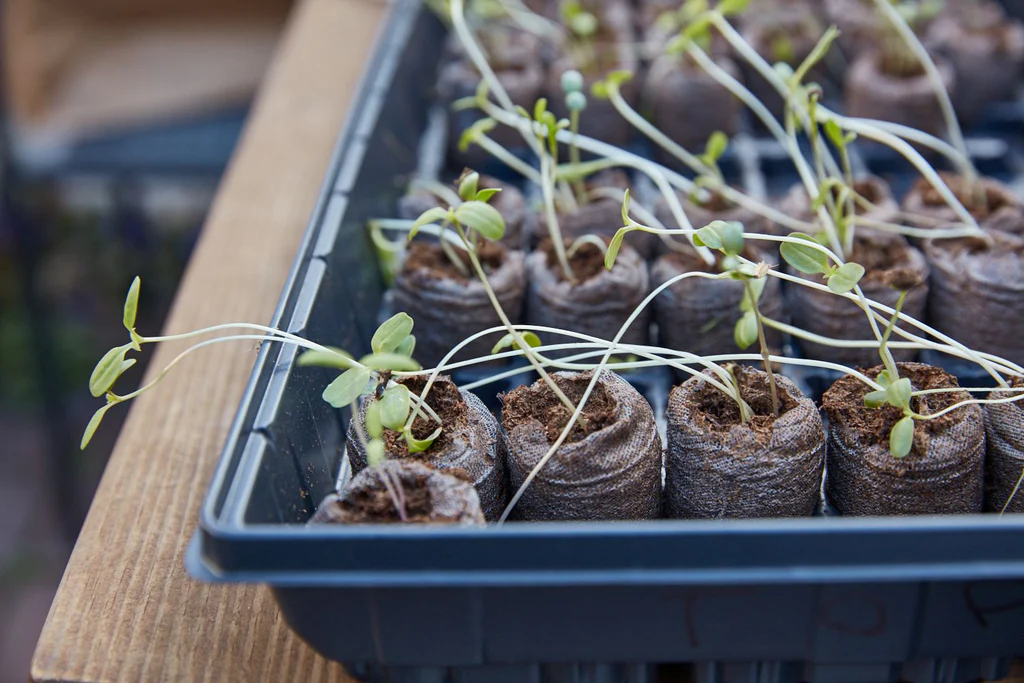
High temperatures combined with low light cause rapid, weak stem elongation.
5. Late Transplanting
Seedlings left too long in trays before planting often become leggy before they ever reach the soil.
Can You Fix Leggy Seedlings After Planting?
Yes, absolutely. While prevention is best, many leggy seedlings can be rescued after planting using smart techniques that encourage stronger roots and thicker stems.
The key is support + correction + prevention.
How to Fix Leggy Seedlings After Planting
1. Bury the Stem Deeper
One of the most effective fixes is planting seedlings deeper than they were before.
- Tomatoes, peppers, and many flowers can grow roots along buried stems
- Remove lower leaves before burying
- Leave only the top leaves above soil level
This instantly improves stability and root strength.

Avoid deep burying for plants that dislike stem burial, such as lettuce or onions.
2. Firm the Soil Around the Stem
Loose soil allows seedlings to wobble, preventing roots from anchoring.
- Gently press soil around the base
- Avoid compacting too hard
- Ensure good root-to-soil contact
This helps seedlings stand upright and absorb nutrients efficiently.
3. Improve Light Immediately
If seedlings remain leggy after planting, lighting is still an issue.
Outdoor plants:
- Move to full sun gradually (hardening off)
- Aim for 6–8 hours of sunlight daily
Indoor or greenhouse plants:
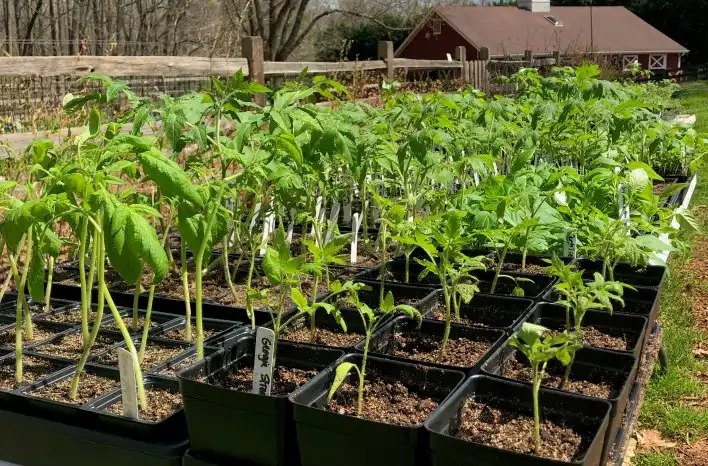
- Place grow lights 2–3 inches above plants
- Use lights for 12–16 hours per day
Strong light stops stretching and promotes thicker stems.
4. Use Gentle Support
Temporary support prevents breakage while plants strengthen.
- Use toothpicks, bamboo skewers, or small stakes
- Tie loosely with soft string or garden tape
- Remove support once stems thicken
Support is a helper not a long-term crutch.
5. Encourage Airflow
Mild movement strengthens stems naturally.
- Use a small fan indoors
- Allow outdoor breezes (avoid strong wind)
This simulates nature and triggers stronger growth.
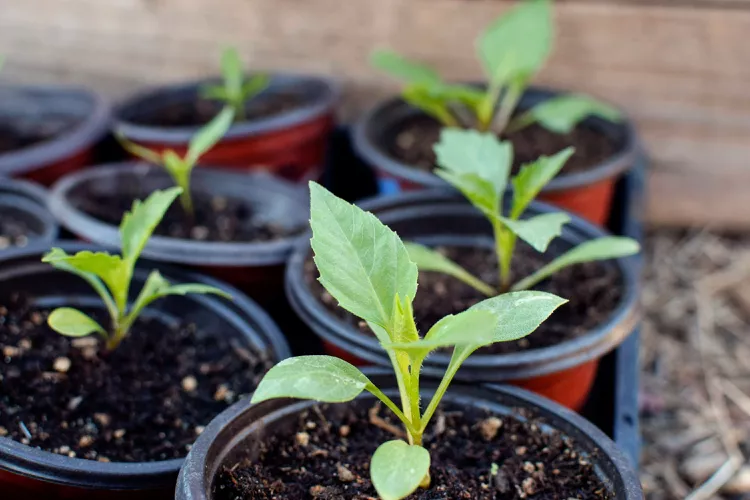
6. Water Correctly
Overwatering weakens roots and stems.
- Water deeply but less frequently
- Let the topsoil dry slightly between watering
- Avoid constantly wet soil
Healthy roots = sturdy plants.
7. Reduce Nitrogen Feeding
Pause high-nitrogen fertilizers until plants strengthen.
- Use balanced or low-nitrogen fertilizer
- Focus on root development first
Too much nitrogen makes legginess worse.
Best Plants That Recover Well From Legginess
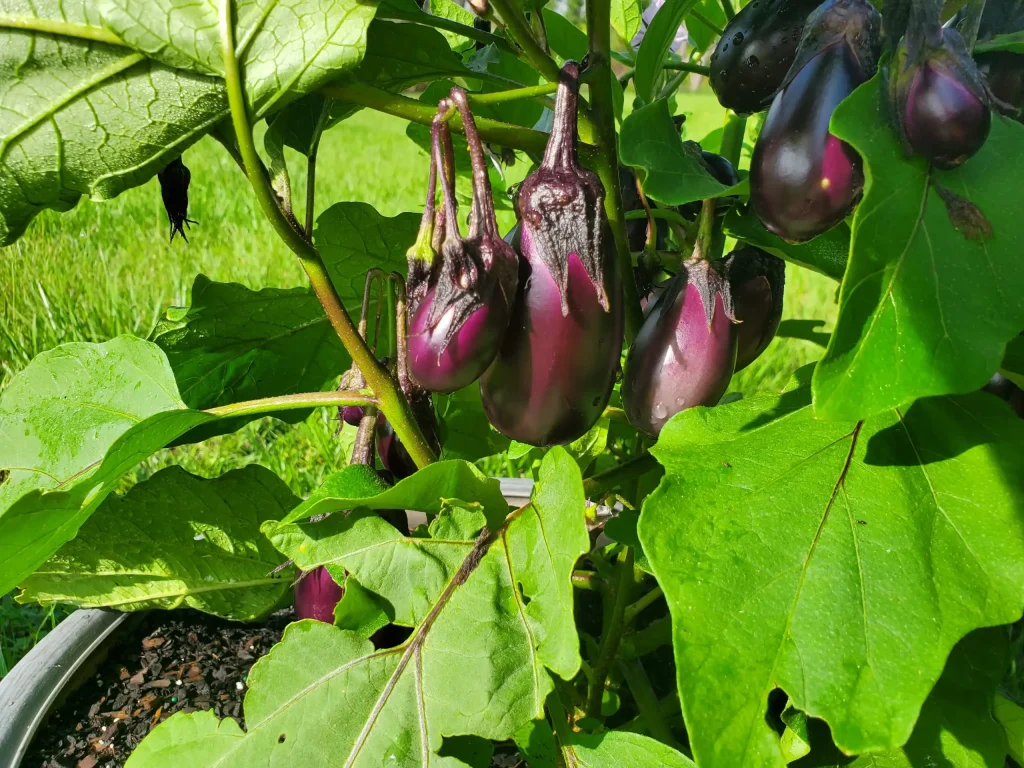
Some plants bounce back better than others:
- Tomatoes
- Peppers
- Eggplants
- Zinnias
- Cosmos
- Marigolds
Plants with woody or stiff stems recover more slowly.
Quick Fix Table: Leggy Seedlings After Planting
| Problem | Cause | Best Fix |
|---|---|---|
| Tall, thin stems | Low light | Increase light exposure |
| Seedlings falling over | Weak stem base | Bury stem deeper |
| Pale green leaves | Excess nitrogen | Reduce fertilizer |
| Slow recovery | Poor roots | Improve watering & soil |
| Bent stems | No support | Add temporary stake |
How to Prevent Leggy Seedlings in the Future
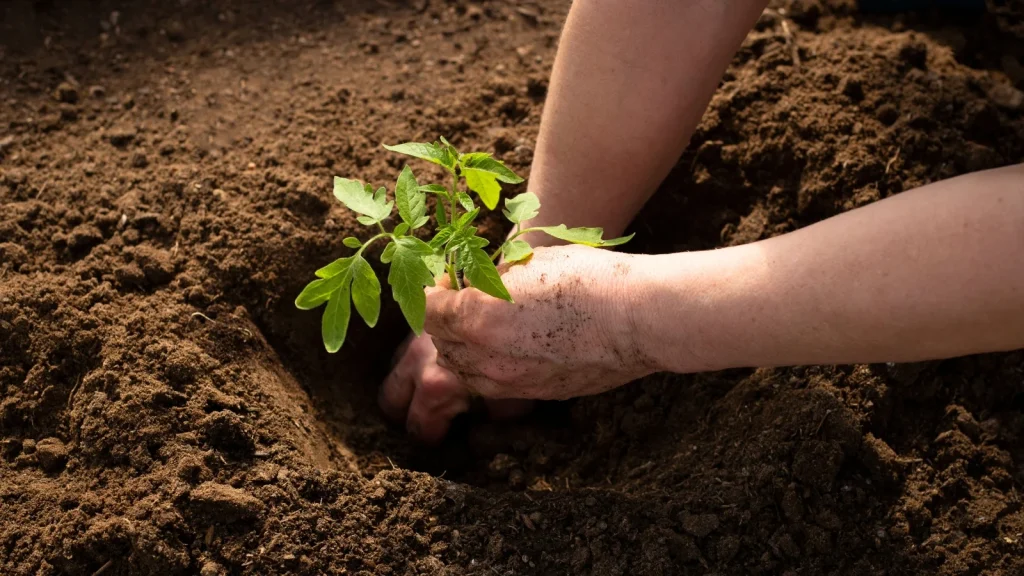
Prevention saves time and plants.
Start With Strong Light
- Use grow lights early
- Place lights close to seedlings
Don’t Overcrowd
- Thin seedlings early
- Give each plant space
Control Temperature
- Cooler nights slow excessive growth
- Avoid heat stress indoors
Harden Off Properly
- Gradually expose seedlings to outdoor conditions
- Prevent shock after planting
Transplant on Time
- Plant while compact and healthy
- Don’t wait until seedlings stretch

Final Thoughts: Turn Weak Seedlings Into Strong Plants
With the correct strategy, it is entirely possible to fix lanky seedlings after planting. You can save weak seedlings and help them flourish by burying stems deeper, increasing light, controlling water, and offering gentle support.
The goal of gardening is to learn, adapt, and grow alongside your plants rather than to achieve perfection. You’ll know exactly what to do the next time your seedlings appear tall and frail.
Strong roots grow strong gardens.


