
Many people view gardening as an environmentally conscious pastime. However, Low Carbon Footprint Gardening practices that contribute to global warming.
Use of gasoline-powered tools, synthetic fertilizers, overwatering, and buying plants from outside the area all add hidden emissions to your carbon footprint. But you do not need to stop gardening to be environmentally responsible; rather, you can use smarter methods of gardening. The following article provides examples of low-carbon footprint gardening practices that will work for you. Practical, inexpensive, and beginner-friendly steps can be taken to create a greener garden while helping the Earth.
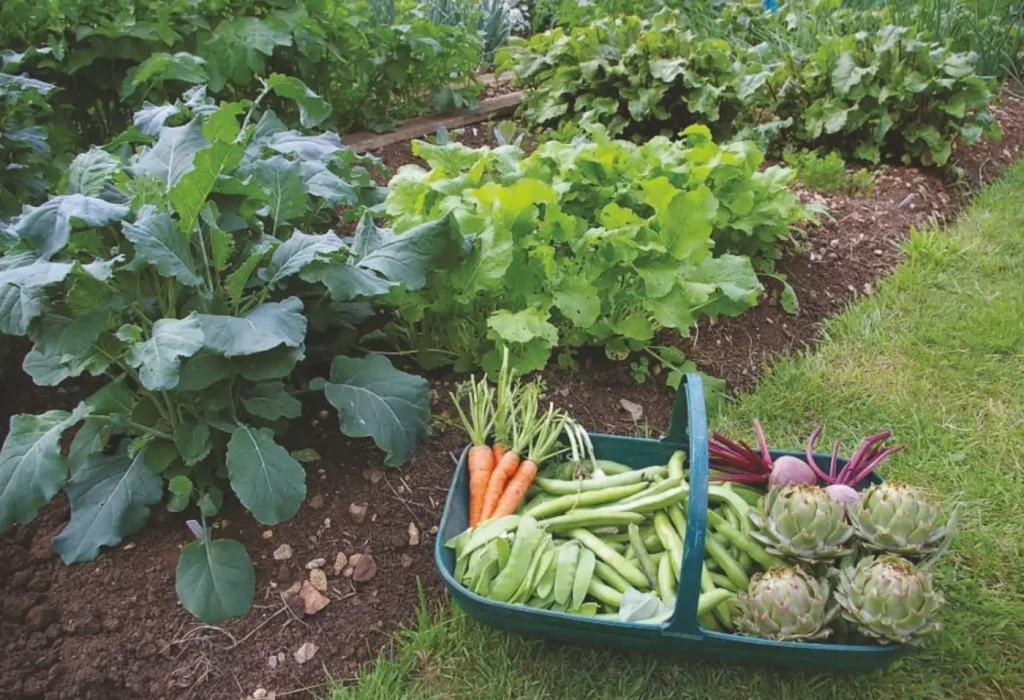
Why Low Carbon Gardening Matters More Than Ever
Factories and automobiles are not the only things contributing to climate change; little, daily acts also have an impact. Gardening decisions are important because
- More carbon can be stored in soil than in the atmosphere.
- Nitrous oxide, a potent greenhouse gas, is released by chemical fertilizers.
- Energy consumption for pumping and treatment is increased by water waste.
- CO2 is directly released into the atmosphere by gas tools.
Making the transition to climate-smart gardening benefits:
- Cut down on emissions
- Boost biodiversity
- Grow plants and food that are healthier.
Yes, you will frequently save money as well.
Proven Low Carbon Footprint Gardening Practices That Work
1. Build Healthy, Carbon-Rich Soil
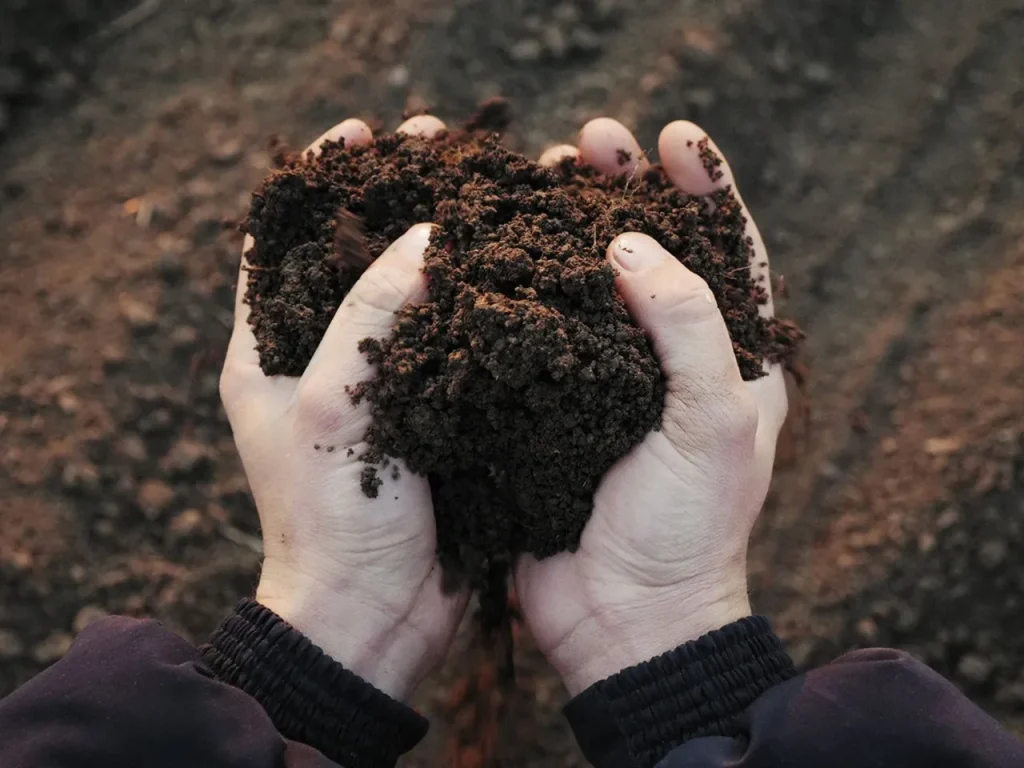
The foundation of low-carbon gardening is healthy soil.
What functions:
- Regularly add compost
- Steer clear of excessive digging (no-dig gardening).
- Utilize organic materials such as grass clippings and leaves.
- Plant growth is naturally enhanced by healthy soil, which stores carbon underground.
Why it functions
While enhancing moisture retention and nutrient availability, carbon stored in soil is kept out of the atmosphere.
2. Make Compost Instead of Buying Fertilizers
Fertilizers purchased from stores must be manufactured and transported using a lot of energy.
Low-carbon substitute:
- Eggshells and vegetable peels are examples of kitchen scraps.
- Waste from the garden (pruned branches, dry leaves)
- Tea leaves and coffee grounds

Compost made at home:
- Minimizes waste going to landfills
- Reduces emissions of fertilizer
- Enhances soil health organically
Tip: Over time, composting, even in tiny amounts, has a noticeable effect.
3. Choose Native and Climate-Adapted Plants
High-maintenance or imported plants require more care, fertilizer, and water.
Better option:
- Local flora
- Types that can withstand drought
- Prefer perennials to annuals
Benefits:
- Use less water.
- Naturally withstand pests
- Encourage local pollinators

With long-term benefits, this is one of the best low-carbon gardening techniques.
4. Reduce Lawn Size (Yes, Really)
Lawns are one of the biggest carbon offenders in home gardens.
Why lawns increase emissions:
- Frequent mowing
- High water use
- Fertilizer dependency
Low-carbon alternatives:
- Ground covers
- Wildflower patches
- Vegetable beds
- Mulched pathways
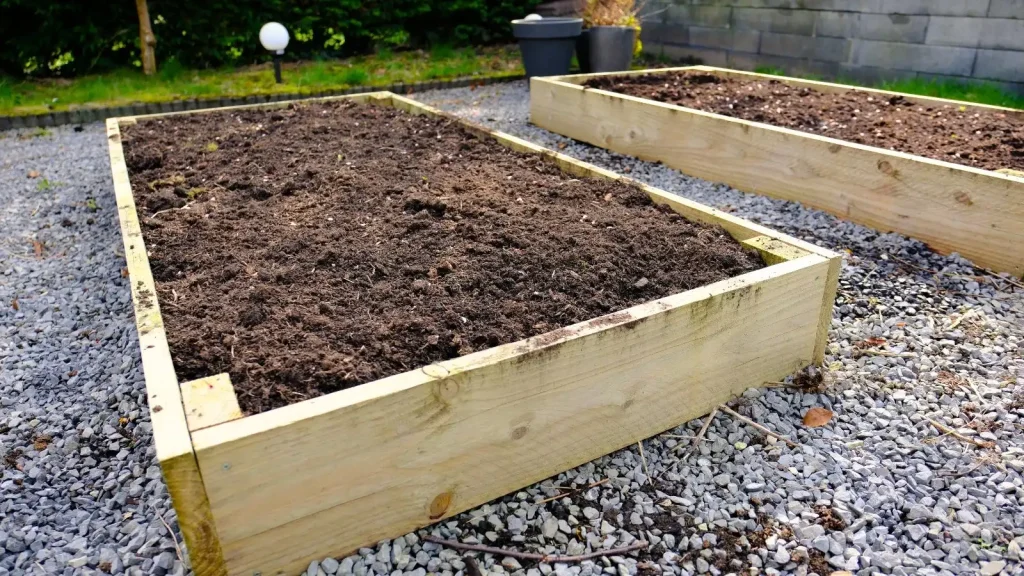
Even reducing lawn space by 25–30% can significantly cut emissions.
5. Switch to Hand Tools or Electric Tools
Gas-powered tools are small but mighty polluters.
Better options:
- Hand pruners and hoes
- Manual lawn mowers
- Electric or solar-powered tools
This change alone can cut dozens of kilograms of CO₂ per year.
6. Water Smart, Not More
Overwatering wastes both water and energy.
Proven water-saving techniques:
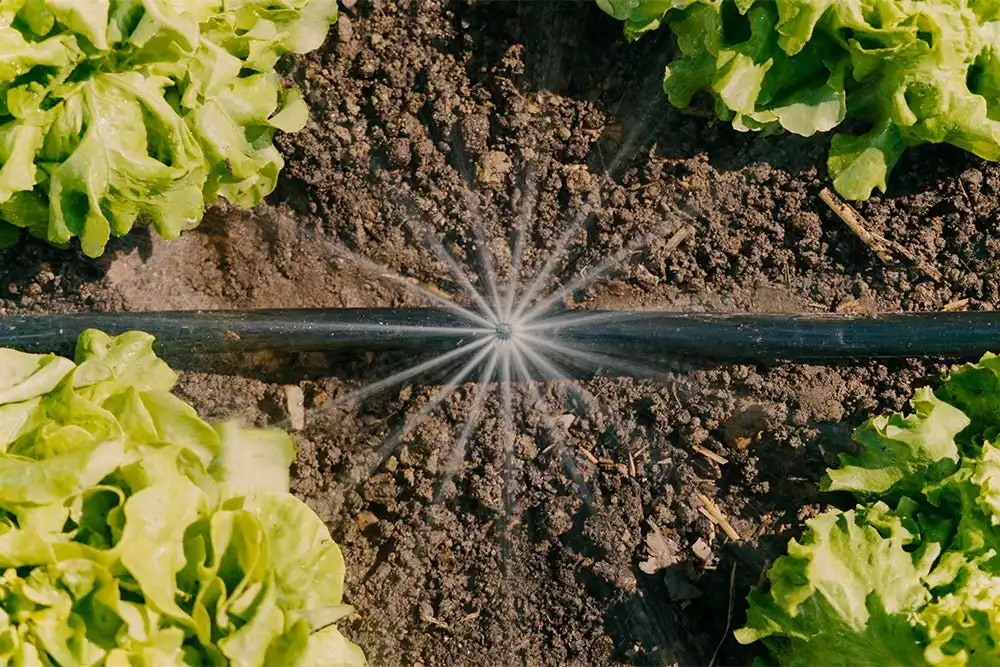
- Drip irrigation
- Soaker hoses
- Early morning watering
- Rainwater harvesting
Mulching is especially powerful, it reduces evaporation and improves soil health at the same time.
7. Mulch Like a Pro
Mulch is an underrated climate hero.
Best low-carbon mulches:
- Straw
- Wood chips
- Shredded leaves
- Grass clippings (dried)
Mulch helps by:

- Locking moisture in soil
- Suppressing weeds naturally
- Feeding soil microbes
Less watering + less weeding = lower emissions.
Troubleshooting Table: Low Carbon Gardening Problems & Fixes
| Problem | Likely Cause | Low-Carbon Solution |
|---|---|---|
| Plants growing slowly | Poor soil health | Add compost, reduce digging |
| High water usage | Overwatering | Mulch + drip irrigation |
| Frequent pests | Lack of biodiversity | Companion planting |
| Weeds returning fast | Bare soil | Apply organic mulch |
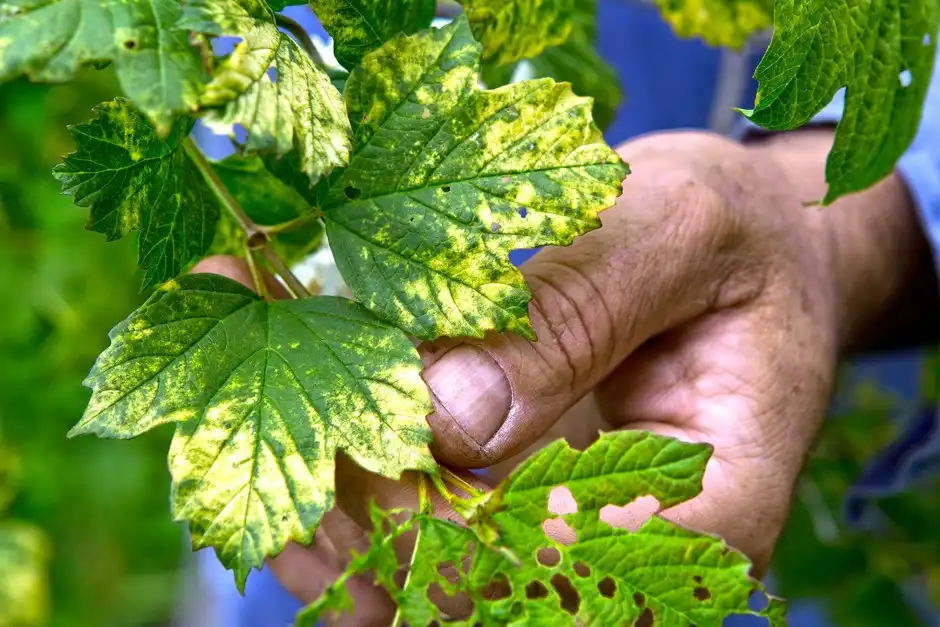
| Yellow leaves | Nutrient imbalance | Compost tea instead of chemicals |
| Lawn maintenance too hard | Large lawn area | Replace with ground covers |
| Compost smells bad | Too wet or compact | Add dry leaves, turn pile |
Final Thoughts: Small Garden, Big Impact
To make an impact, you don’t need a flawless garden or pricey equipment.
By using these tried-and-true low-carbon gardening techniques, you:
- Grow more wholesome plants
- Minimize the impact on the environment
- Conserve funds and resources.
- Support a sustainable future
Start with just one or two changes this season. Your garden and the planet will thank you.


