
Healthy gardens don’t start with plants.
They start on the bottom of your feet.
If your plants are struggling, growth seems slow, or the soil looks lifeless, the problem is usually not the fertilizer or watering schedule, it’s the soil ecosystem. Good news? You don’t need expensive products or advanced gardening skills for nurturing soil ecosystems to get it right.
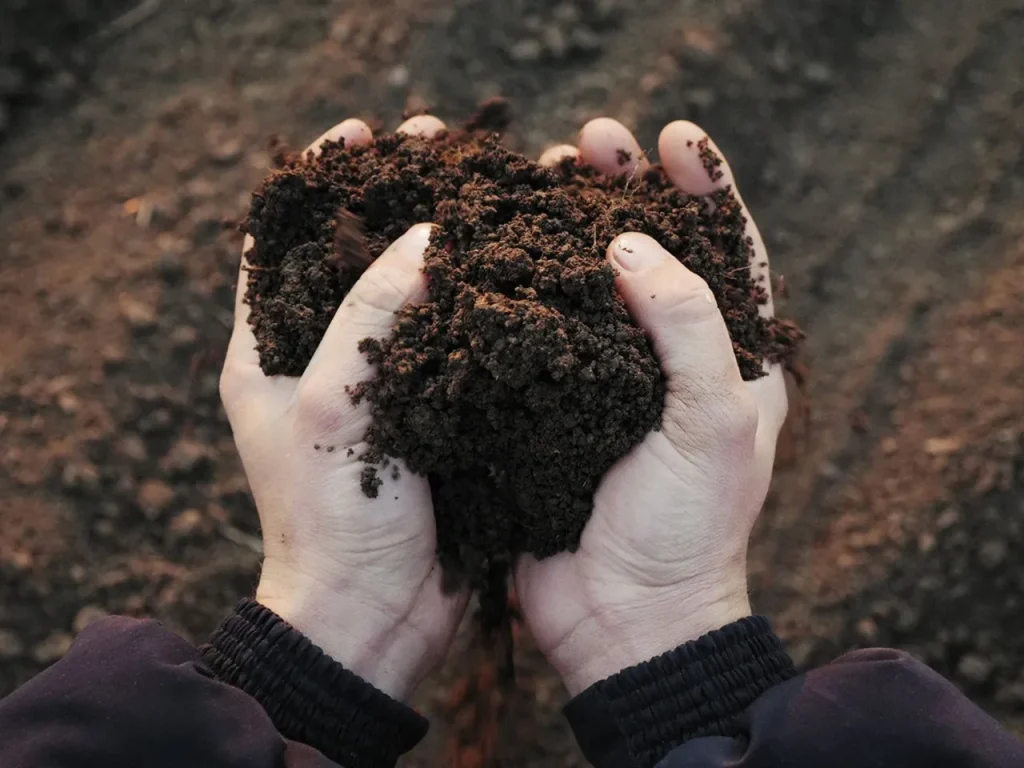
By nurturing your soil ecosystem at home, you can transform tired, frozen dirt into living soil that naturally nourishes your plants, improves your crops, and stays healthy year after year.
Let’s break it down in a simple, practical and actually doable way.
Signs Your Soil Ecosystem Needs Help
Before we talk solutions, check if your soil requires attention:
- Water collects on the surface instead of being absorbed
- Soil feels hard, flaky or dusty
- Plants grow slowly despite fertilization
- The leaves turn yellow easily
- Little or no earthworm
If you nodded yes to even one, nurturing the soil ecosystem should be your top priority.
Why Nurturing Soil Ecosystems at Home Beats Chemical Fixes
Accelerated fertilizers can give faster growth, but they:
- Kill beneficial microbes
- Create addiction
- Soil erosion over time
On the other hand, a healthy soil ecosystem:
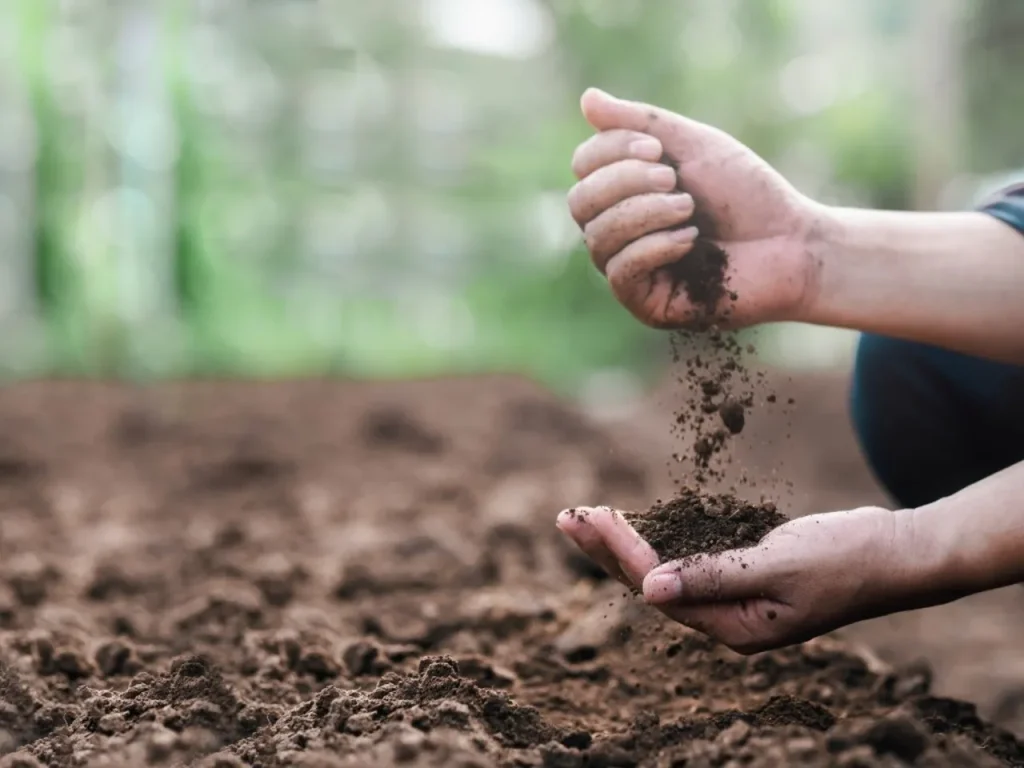
- Provides continuous food to the plants
- Improves long-term fertility
- Naturally reduces pests and diseases
- Saves money
Think long-term health, not short term growth.
1. Feed the Soil, Not Just the Plants
This is the golden rule of soil care.
Instead of asking, “What do my plants need?”
Ask, “What does my soil life need?”
Best soil-feeding materials:
- Compost
- Aged manure
- Leaf mold
- Worm castings

These materials don’t just add nutrients, they fuel microbial life, which then feeds your plants properly.
Tip: Apply compost 1–2 times per year as a top layer. No digging required.
2. Stop Over-Digging (Your Soil Hates It)
Digging may feel productive, but excessive tilling:
- Breaks fungal networks
- Disturbs beneficial organisms
- Causes moisture loss
Instead, try:
- No-dig gardening
- Gentle loosening with a garden fork
- Layering compost on top

Let nature do the mixing for you.
3. Mulch Like Your Soil Depends on It (Because It Does)
Mulch is one of the easiest ways to nurture soil ecosystems at home.
Benefits of mulching:
- Keeps soil moist
- Regulates temperature
- Prevents erosion
- Feeds microbes as it breaks down
Best organic mulches:
- Straw
- Shredded leaves
- Wood chips
- Grass clippings (thin layer)
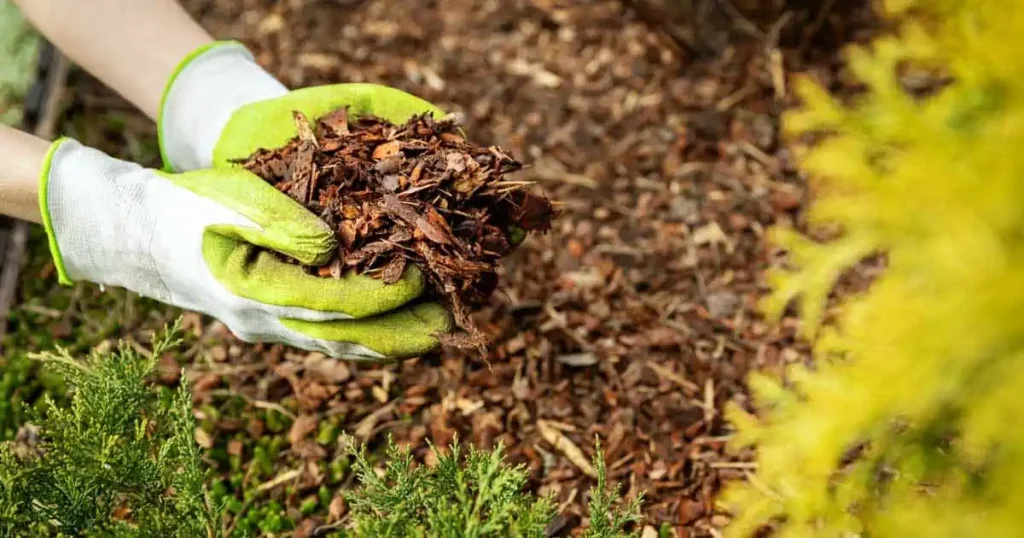
Aim for 2–4 inches, keeping mulch away from plant stems.
4. Encourage Beneficial Microorganisms Naturally
Microbes are the unsung heroes of soil health.
You can boost them by:
- Adding compost tea
- Using worm castings
- Avoiding chemical pesticides and herbicides
Even something as simple as leaving roots in the soil after harvest feeds microbes underground.
5. Grow Cover Crops (Even in Small Spaces)
Cover crops aren’t just for farms.
Plants like:

- Clover
- Alfalfa
- Mustard
- Winter rye
Protect soil, fix nitrogen, and feed microbes when cut down.
In raised beds or small gardens, even a short cover-crop cycle can dramatically improve soil life.
6. Rotate Crops to Prevent Soil Burnout
Planting the same crop in the same spot every season:
- Depletes specific nutrients
- Encourages pests
- Weakens soil ecosystems
Simple crop rotation keeps soil balanced and resilient.
7. Let Earthworms Do the Heavy Lifting
Earthworms:
- Aerate soil
- Improve drainage
- Produce nutrient-rich castings
How to attract them:
- Add organic matter
- Keep soil moist
- Avoid chemicals
If worms love your soil, your plants will too.
Common Mistakes That Kill Soil Ecosystems
Even good gardeners make these mistakes:
- Excessive use of artificial fertilizers
- Leave the earth bare
- Over irrigation
- Compact soil by walking on beds
- Remove all organic debris
Correcting these can dramatically improve soil health.

Troubleshooting Chart: Soil Ecosystem Problems and Solutions
| Problem | Possible Cause | Solution |
|---|---|---|
| The ground is hard and dense | Excessive digging or foot traffic | Stop plowing or tilling; add compost and apply organic mulch |
| Water logging on the surface | Poor soil structure or compaction | Add organic matter and avoid walking or working on wet soil |
| Plants grow slowly | Low microbial activity in the soil | Apply compost, compost tea, or worm castings |
| Yellowing leaves | Nutrient lock-up due to poor soil life | Improve soil biology instead of adding chemical fertilizers |
| Few or no earthworms | Chemical use or dry soil conditions | Avoid chemicals and keep soil evenly moist |
| Soil dries out quickly | Bare or exposed soil | Cover soil with organic mulch |
| Fungal diseases appear | Imbalanced soil microbes and poor airflow | Improve air circulation and increase soil biodiversity |
Final Thoughts: Create land once, always get benefits
Your garden doesn’t need more products.
It needs life.
By feeding microbes, protecting soil structure, and working with nature, you create a self-sustaining system that continues to improve each season.
Start small. Add fertilizer. Mulch generously. Stop digging too much. Your soil will do the rest


