
Taking care of your garden is beneficial for your health and for the environment. Because more people are worried about pesticides, genetically modified organisms, and synthetic fertilizers, organic gardening is becoming popular. For those interested in cutting costs, eating more nutritious food, or helping the environment, organic gardening management is a good idea.
At first, starting an organic garden may sound difficult, but once you have the proper information and try a bit, everyone can grow a healthy garden either in the backyard or on a small balcony. You’ll find here some great ways to garden with organic methods, focusing on what organic vegetables to plant, how to grow them, soil preparation, composting, managing pests and including air purifying plants.

What Is Organic Gardening?
It’s important to learn about organic gardening first before getting into the details. Growing plants in an organic way means using no synthetic pesticides, herbicides, fertilizers, or genetically modified organisms. Rather, it depends on nature and using compost, rotating crops, and keeping the garden balanced to ensure good results.
Organic Gardening Tips
1. Start With a Plan
Starting with organic gardening management means preparing a thorough plan first. There are a few items to consider before you begin digging:
Location:
Find a place that gets at least 6-8 hours of direct sun each day.
Find out the soil type:
Test your soil, if the soil is well aerated and contains the right minerals, the pH remains balanced and an organic garden will do well.

Water Source:
Ensure that having water is easy for everyone. It is a good thing to have rainwater collection systems.
Draw your garden so that it contains vegetables, herbs, flowers, and walkways. Planting together similar species in the same area such as basil and tomatoes, can help defend your organic garden from pests.
2. Build Healthy Soil
The main starting point of organic gardening is nutritious, living soil. Having healthy soil means it’s filled with useful microorganisms, fungi, and insects that break down waste and make nutrients accessible to plants.
Tips for Building Healthy Soil:
Compost:
It’s easy to make your own compost—try using kitchen scraps (like fruit peels or veggie remains) along with yard waste, coffee grounds, and eggshells. Compost makes soil healthier and is also a source of nutrients.
Mulch:
Straw, leaves, and bark are examples of organic mulches that control the weather in the soil, save water, and keep weeds under control.
Be Careful with Tilling:
Doing this tilling too often can destroy the soil and all helpful microorganisms. Don’t mix soil in your garden to stop it from falling apart.
3. Choose the Right Organic Vegetables to Plant
Before deciding what organic produce to grow, check your region’s weather, examine your soil, and match it to what you want to enjoy. Those new to gardening might want to try planting crops that don’t require much attention.
Easiest Organic Vegetables to Start With:
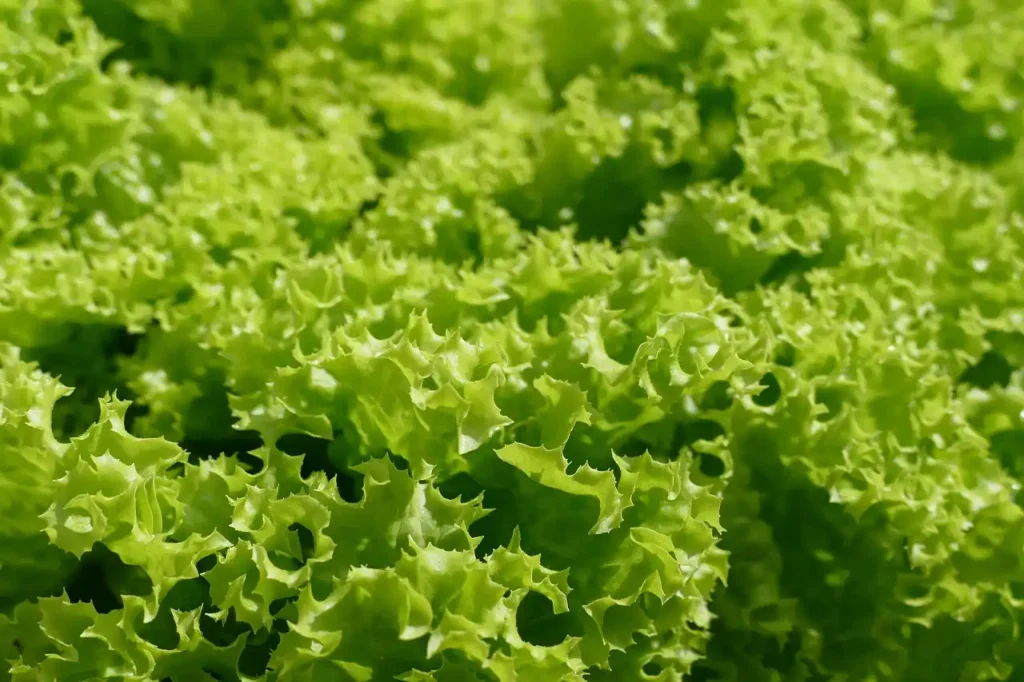
Lettuce:
Lettuce is one of the fastest greens to grow, makes great container plants, and prefers cooler weather.
Tomatoes:
If you don’t have a tomato in the garden, you really should consider getting one!
Zucchini:
You get plenty from zucchini and they usually stay pest-free.
Carrots:
Do best in loosened, sandy soil during cooler seasons.
Spinach:
Spinach has lots of nutrients and can withstand cold weather well.
Search for seeds that are organic or heirloom and skip any blend that says these are treated or GMO.
4. How to Grow Organic Vegetables Successfully
Organic vegetable gardening is about meeting plant needs and building healthy soil. We’ll look at some key practices shortly.
Watering
Make sure to water vigorously, but don’t water too often. The best way to prevent vanishing and fungal disease is to water your lawn in the morning, especially if it’s humid. Water dripping from hoses or using soaker hoses can conserve water and keep your plants dry.
Crop Rotation
Move the location of vegetables from one crop to another each season. Rotating crops helps to keep both pests and soil diseases to a minimum.
Natural Ways to Fertilize
Feed your plants using compost, aged manure, seaweed extract, or worm castings. By using these, the soil will be healthier for a longer time.
Control of weeds
People choose to hand weed, use mulch, and cover the ground using ground covers. Avoid using chemicals invented in a lab to control weeds.
5. Natural Pests and disease control
No matter what, pests will sometimes appear, but using chemicals isn’t allowed in an organic garden. It is better to practice integrated pest management strategies.

Pest Control Tips in Your Organic Garden
For example, ladybugs, lacewings, and parasitic wasps work as natural aphid and caterpillar control.
Neem Oil:
Neem Oil works as an eco-friendly insecticide and doesn’t bother helpful insects.
Insecticidal Soaps:
These soaps are useful for getting rid of aphids and whiteflies.
Companion Planting:
To ward off pests, put marigolds, nasturtiums, or garlic near your vegetables.
Crop Rotation & Interplanting:
When you mix up your crops and rotate where they are grown, you protect your plants from pest infestations.
6. Companion Plants & Air-Purifying Additions
Just using the word organic doesn’t limit your garden to vegetables alone. Using herbs and flowering plants in your garden attracts different species, keeps insects away, and helps your garden look better.
Top Companion Plants:
Basil:
Basil gives tomatoes a better taste and stops mosquitoes from bothering your plants.
Marigold:
Marigolds help to control pests and are also a delight to look at in your garden.
Mint:
Mint helps keep ants and aphids away, so plant it in a container because it spreads easily.
You might also want to set up some of the best air-purifying plants to join your garden spaces both inside and out.

7. Create a Pollinator-Friendly Environment
Your garden will do well if you have pollinators present. Fertilizing your plants becomes easier and yields may rise thanks to the actions of bees, butterflies, and hummingbirds.
How to Attract Pollinators:
- Introduce lavender, borage, and coneflowers to your pollinator garden by using native wildflowers.
- It is best to skip chemicals when treating your lawn.
- Display shallow birdbaths for water or make a pebble tray for birds.

8. Embrace Sustainability
There is more to organic gardening than avoiding chemicals; it’s also about cooperating with the environment rather than fighting it.
Organic Gardening Based on Sustainability:
To gather rainwater, install small barrels next to your downpipes.
Composting:
When you compost, you help reduce the amount you send to landfills and improve your soil’s quality.
Reuse and Recycle:
You can build bed-raised beds or create irrigation systems using containers, pallets, and used bottles.
Native Plants Species:
They do a better job-saving water and are naturally protected from pests and weather in your area.
Keep a Garden Journal:
When you keep a garden journal, it is easy to see which ideas work and which don’t. Track when you plant, the types of seed used, the current climate, pest attacks, and overall yields.
If you keep a journal, you can make gardening decisions each year that are better for growing your crops, timing your sowing, and the health of your soil.

10. Keep Trying and Be Calm
Patience is often a tip in organic gardening that isn’t focused on enough. There might be a slower start with organic gardening, yet the results you get are longer-lasting and very rewarding.
You may have to experiment at first. See what happens, get better from your errors, and make your changes accordingly. With the process of gardening enjoying the harvest comes from it.
The Benefits of Organic Gardening
Growing food organically is good for people, society, and the environment. This is why many people choose to cultivate their organic garden.
Health Benefits
Fresh, Chemical-Free Produce:
Fresh foods without chemicals help you stay healthy by avoiding health risks.
Increased Nutrient Intake:
Antioxidants and other vitamins are generally greater in organic foods.
Improved Mental Health:
Taking care of a garden helps soothe stress, anxiety, and the symptoms of depression.
Environmental Benefits
Soil Conservation:
By using these practices, gardeners help protect their soil, avoid erosion, and make the soil richer.
Diversity in Organics:
Many organic gardens grow a wide variety of plants which benefits the local habitat and its animals.
Water Conservation:
Putting emphasis on water conservation in your garden helps protect the environment and leaves fewer misused resources.

Economic Benefits
Cost-Effective:
Having your organic food can keep food costs down.
Increased Property Value:
If cared for, organic gardens increase how lovely your property looks and how much it is worth.
Supporting Local Economies
Community development is promoted when you buy local organic seeds, tools, and supplies.
Social Benefits
Community Building:
Working on an organic vegetable garden encourages people to come together and cooperate.
Educational Opportunities:
Having a garden at school or home is a useful way to learn about the environment and help make it sustainable.
Entrepreneurial Food:
If you live somewhere without nearby grocery shops, organic gardening will provide you with fresh, nutritious food.
Personal Benefits
Therapeutic Benefits:
Gardening can calm you and lower feelings of stress, and meditative activity, promoting relaxation and well-being.
Sense of Accomplishment
Getting your meals from an organic garden you’ve grown will give you a sense of self-pride and fulfillment.
Connection with Nature:
Learning to garden organically can encourage you to appreciate how nature and life operate on their own.

A Good Investment in the Future
- While organic gardening asks for an initial investment, it will save you money over time.
- Buying food is less expensive.
- All the money spent on equipment to grow organic food at home comes back after the start-up costs.
- You can make free compost and mulch out of scraps and garden waste.
- Heirloom seeds can be reused season after season.
Conclusion
When you start an organic garden, you help your health, your local community, and the environment. You can grow a beautiful garden packed with healthy foods and rich greenery by using caution, sustainable methods, and settling on natural ways of farming.
The first steps to living organically are found close at hand, like planting the right organic vegetables in your yard. If you’re just starting in gardening or are looking to improve your skills, using these organic gardening tips will benefit your mind and heart.


