Hey fellow gardeners! Have you ever spent hours working on your pepper plants, including some great bell peppers and hot peppers for chili, to wake up one day to see the leaves turning yellow? It happens to all of us! Pepper plant leaves turn yellow are one of the most common and frustrating problems growers experience.
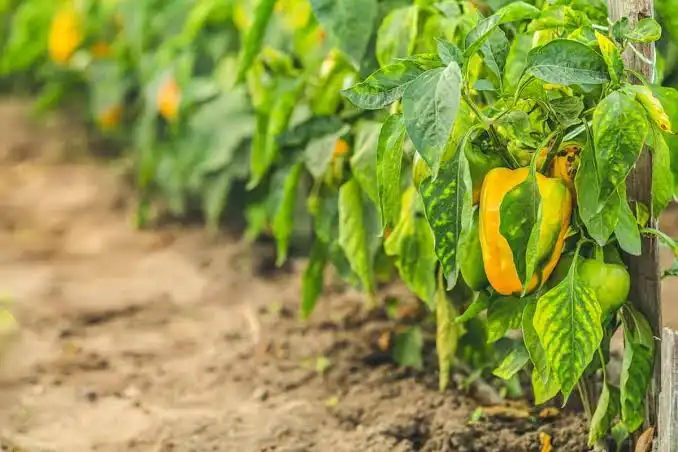
The good news is that yellow pepper plant leaves are generally correctable, as long as you catch it quickly! This guide is designed to help you identify the cause of yellow pepper plant leaves and to help you diagnose the problem like a pro. It will then guide you through the actual process of fixing the problem with practical solutions from real gardeners, as well as scientifically proven methods.
If you are growing your pepper plants in pots on a balcony in Faisalabad, or if you are growing them in a backyard, this guide will give you everything you need to fix your problems and get your plants back to their healthy, green state!
Why Pepper Plant Leaves Turn Yellow: Top Causes
Here are the most frequent culprits, ranked by how often they occur in home gardens:
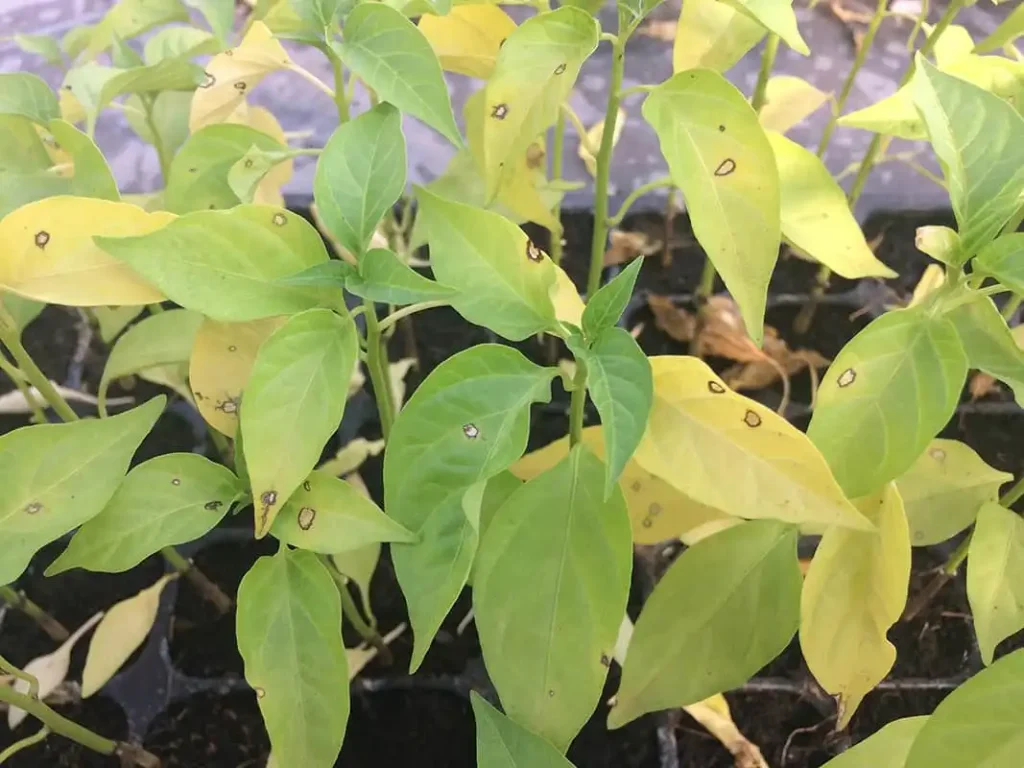
1. Nitrogen Deficiency (The #1 Cause)
Leafy growth requires nitrogen. Because they are heavy feeders, peppers readily absorb nitrogen from the soil, particularly in containers or after a lot of rain.
As the plant draws nitrogen from them to support new growth, older leaves become uniformly yellow and may even fall.
Fix: Immediately apply a fertilizer high in nitrogen. For rapid absorption, use fish emulsion, compost tea, or a water-soluble product like 10-10-10 or higher first-number NPK.
Use aged manure or blood meal as a side dressing. New growth should be vivid, but yellow leaves won’t completely turn green again. During active growth, reapply every one to two weeks.
2. Overwatering or Poor Drainage
An excessive amount of water can be a silent killer. Root rot and yellowing leaves that may feel soft or have brown spots are caused by soggy soil suffocating roots. Although they detest “wet feet,” peppers prefer constant moisture.
Fix: Before watering, allow the top 1-2 inches of soil to dry out. Avoid using saucers that retain water and add perlite or sand to pots to improve drainage. Use raised beds in soil with a lot of clay. Aim for 1-1.5 inches of water per week, adjusted for heat, but water deeply but infrequently.
3. Underwatering and Drought Stress
Dry soil causes leaves to yellow, wilt, and curl. Inconsistent watering stresses plants, especially in containers that dry out fast during hot weather.
Fix: Check soil moisture daily with your finger. Water thoroughly until it drains out the bottom. Mulch with straw or wood chips to retain moisture and regulate soil temperature.
4. Other Nutrient Deficiencies
- Magnesium (Mg): Interveinal chlorosis on older leaves. Common in acidic or sandy soils.
- Iron (Fe): Yellowing on new leaves with green veins, often due to high soil pH (above 7.0).
- Sulfur or Potassium: General paling or edge yellowing.
Fix: Get a soil test for accurate diagnosis. For magnesium, apply Epsom salts (1-2 tbsp per gallon of water) as a foliar spray or soil drench weekly. For iron, use chelated iron or lower pH with sulfur if needed. Balanced organic fertilizers prevent most issues.
5. Pests and Diseases
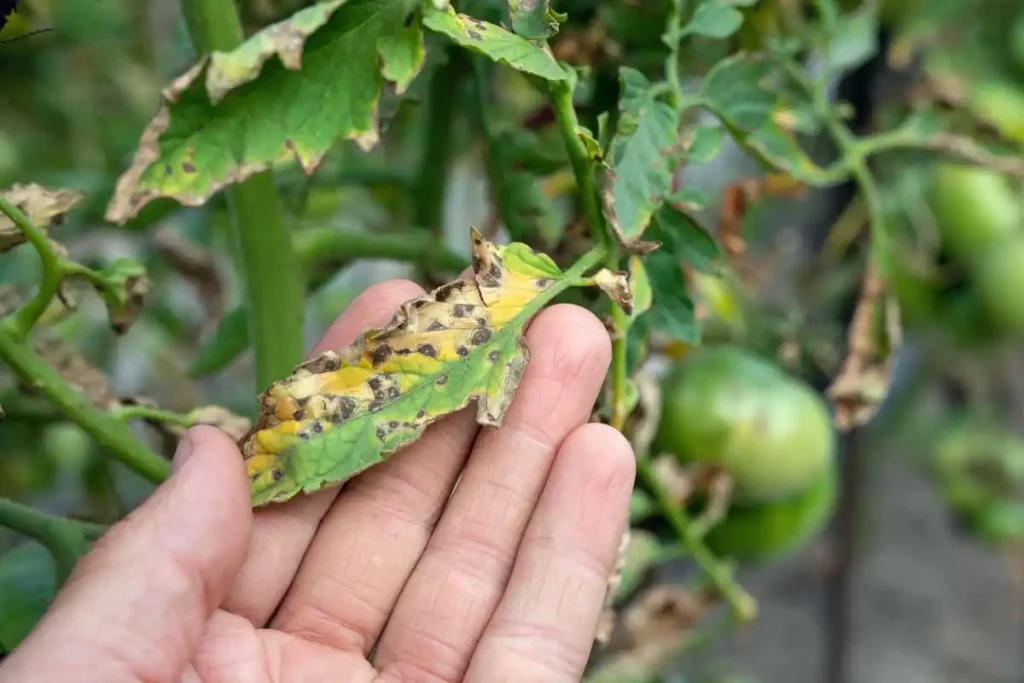
Aphids, spider mites, and psyllids suck sap, causing yellow stippling or overall decline. Diseases like bacterial leaf spot, wilt, or phytophthora show yellowing plus spots, wilting, or root damage.
Fix: Inspect undersides of leaves. Blast aphids with water or use neem oil/insecticidal soap. For diseases, improve air circulation, avoid overhead watering, and remove affected plants if severe (many are untreatable). Rotate crops yearly.
6. Environmental Stress
- Extreme temperatures (below 55°F or above 90°F)
- Transplant shock
- Poor soil pH (ideal 6.0-6.8)
- Natural aging (lower leaves yellow as plant matures)
Fix: Harden off seedlings properly before transplanting. Provide shade cloth during heat waves and row covers for cold snaps. Adjust pH if soil test shows imbalance.
Step-by-Step: How to Diagnose and Fix Yellow Pepper Leaves
- Observe the Pattern — Note which leaves are affected (old vs. new) and other symptoms like wilting, spots, or pests.
- Check Watering Habits — Stick your finger in the soil. Adjust schedule accordingly.
- Inspect Roots and Soil — Gently dig around the base (for potted plants, tip out carefully). Healthy roots are white and firm; brown/slimey means rot.
- Test Soil — Home kits or extension service tests reveal pH and nutrients.
- Apply Targeted Fixes — Start with nitrogen and watering corrections — they solve most cases fast.
- Monitor Progress — New growth should be green within 7-14 days. Prune yellow leaves to redirect energy.
For container peppers, fertilize more frequently since nutrients wash out faster.
Troubleshooting Table: Quick Diagnosis for Yellow Pepper Leaves
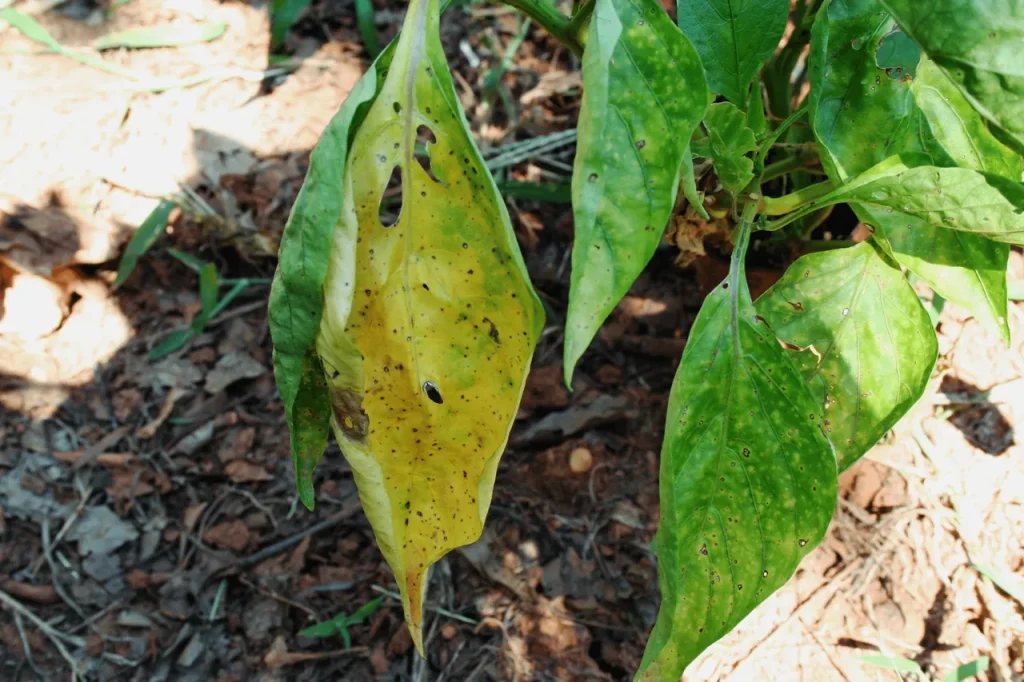
Use this table to match symptoms and apply fixes right away:
| Symptom | Likely Cause(s) | Quick Fixes |
|---|---|---|
| Older leaves yellow uniformly, plant otherwise healthy | Nitrogen deficiency | Apply water-soluble nitrogen fertilizer (fish emulsion); side-dress with compost or blood meal |
| Interveinal yellowing on older leaves | Magnesium deficiency | Foliar spray or drench with Epsom salts (1 tbsp/gallon); repeat weekly |
| Newer leaves yellow with green veins | Iron deficiency or high pH | Use chelated iron; acidify soil with sulfur if pH >7.0; soil test recommended |
| Yellow leaves + wilting, no spots | Underwatering or transplant shock | Water deeply; mulch; provide temporary shade; avoid fertilizing stressed plants |
| Yellow leaves + soft/wet soil, possible root rot | Overwatering or poor drainage | Reduce watering; improve drainage; repot if container-bound; trim damaged roots |
| Yellowing with tiny spots or webbing | Pests (aphids, mites) | Spray with neem oil or insecticidal soap; introduce beneficial insects |
| Yellow leaves with brown spots or wilting | Disease (bacterial spot, wilt) | Improve airflow; avoid overhead water; remove affected parts; may need to discard plant |
| General paling + stunted growth | Multiple nutrient issues or pH imbalance | Balanced fertilizer + soil test; adjust pH to 6.0-6.8 |
| Lower leaves yellowing naturally | Plant maturity or self-pruning | No action needed if new growth is healthy; prune old leaves for airflow |
When to Give Up on a Plant
If yellowing spreads rapidly despite fixes, roots are rotted, or the plant is severely stunted, it may be best to remove it to protect others. Compost healthy parts and sanitize tools.
Final Thoughts: Bring Your Pepper Plants Back to Life
Instead of being a death sentence, yellow leaves on pepper plants are typically a cry for assistance, usually due to a lack of nitrogen or improper watering.
Your plants can recover and produce a great crop with prompt diagnosis using the patterns and table above, along with focused treatments like nitrogen boosts and improved moisture management.
Check your watering schedule first, then give yourself a light nitrogen feed right now. All season long, fresh salsa, stuffed peppers, and homemade hot sauce are all possible with healthy peppers!
Have you ever had to deal with pepper leaves turning yellow? Leave a comment with your experience or the solution that worked best. See our instructions on starting peppers from seed or organic pest control for additional assistance.
Happy gardening! This is the beginning of your fiery success story!