Winter can be harsh on plants, leaving them stressed, weakened, or dormant. As temperatures rise and daylight increases, maintaining plant health after winter becomes essential to ensure strong growth, vibrant foliage, and abundant blooms. Whether you manage a home garden, landscape plants, or indoor greenery, proper post-winter care determines how well plants recover and thrive throughout the growing season.
In this comprehensive guide, you’ll learn expert-backed strategies for reviving plants after winter, preventing common issues, and building long-term plant resilience.

Step 1: Inspect Plants for Winter Damage
The first step in maintaining plant health after winter is a thorough inspection.
What to look for:
- Dead or brittle branches
- Discolored or mushy stems
- Cracked bark or frost splits
- Mold, mildew, or fungal growth
- Signs of pest infestation
Pro tip: Avoid rushing this step. Some plants leaf out late, so patience is key before declaring a plant dead.
Step 2: Prune for Recovery and Growth
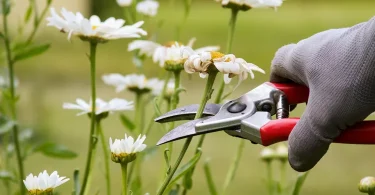
Pruning is one of the most effective ways to restore plant health after winter. It removes damaged tissue and redirects energy toward healthy growth.
Best pruning practices:

- Use sharp, sterilized tools
- Remove dead, diseased, or broken branches
- Prune just above healthy buds
- Avoid heavy pruning during early frost-prone periods
Pruning improves air circulation, reduces disease risk, and shapes plants for the upcoming season.
Step 3: Revitalize Soil Health After Winter
Winter depletes soil nutrients and compacts the ground. Healthy soil is the foundation of healthy plants.
How to improve soil after winter:
- Loosen compacted soil gently
- Add organic compost or aged manure
- Apply balanced, slow-release fertilizer
- Test soil pH if plants show nutrient deficiency
Healthy soil boosts root development, improves water retention, and enhances nutrient absorption.
Step 4: Adjust Watering Habits Carefully
Many plants suffer from dehydration during winter due to frozen soil and dry winds. However, overwatering after winter can be equally harmful.

Smart watering tips:
- Water deeply but less frequently
- Ensure proper drainage
- Water early in the day
- Adjust based on rainfall and soil moisture
Consistent hydration helps roots recover without encouraging root rot.
Step 5: Gradually Reintroduce Sunlight
Plants that were sheltered or indoors during winter need time to adjust to full sunlight.
How to prevent sun shock:
- Start with partial shade
- Increase sunlight exposure gradually
- Monitor leaf burn or wilting
- Rotate potted plants regularly
This step is especially important for houseplants and tender perennials.
Step 6: Protect Plants from Late Frosts
Even as spring approaches, unexpected frosts can still occur.

Frost protection methods:
- Use frost cloths or garden fabric
- Mulch around the base of plants
- Move containers indoors temporarily
- Avoid fertilizing before frost risk passes
Preventing frost damage ensures uninterrupted recovery.
Step 7: Feed Plants for Strong Regrowth
Plants emerging from dormancy require nutrients for leaf, stem, and root development.
Fertilizing tips:
- Use nitrogen-rich fertilizer for leafy growth
- Apply phosphorus for root strength
- Avoid over-fertilization
- Follow plant-specific feeding schedules
Organic fertilizers are ideal for long-term soil and plant health.
Step 8: Mulch to Maintain Moisture and Temperature

Mulching is a powerful technique for maintaining plant health after winter.
Benefits of mulching:
- Retains soil moisture
- Suppresses weeds
- Regulates soil temperature
- Adds organic matter as it decomposes
Apply mulch evenly, keeping it away from direct contact with plant stems.
Step 9: Monitor and Manage Pests Early
As temperatures rise, pests become active. Early detection prevents major infestations.
Common post-winter pests:
- Aphids
- Spider mites
- Slugs and snails
- Fungus gnats
Natural pest control options:
- Neem oil spray
- Insecticidal soap
- Beneficial insects
- Manual removal

Healthy plants are naturally more pest-resistant.
Step 10: Support New Growth with Staking and Training
Winter winds can weaken plant structure. Supporting plants early prevents breakage later.
Use supports for:
- Tall perennials
- Young trees
- Vining plants
- Top-heavy shrubs
Proper training improves airflow and sunlight exposure.
Troubleshooting Table: Post-Winter Plant Problems & Solutions
| Problem | Possible Cause | Solution |
|---|---|---|
| Leaves turning yellow | Nutrient deficiency or overwatering | Improve drainage and apply balanced fertilizer |
| No new growth | Dormancy stress or root damage | Be patient, prune lightly, and enrich soil |
| Mold or mildew | Excess moisture, poor airflow | Prune affected areas and improve ventilation |
| Wilting despite watering | Root rot or compacted soil | Loosen soil and reduce watering frequency |
| Leaf burn | Sudden sun exposure | Gradually acclimate plants to sunlight |
| Pest infestation | Weakened plants | Apply neem oil and inspect regularly |
| Broken stems | Winter wind or snow damage | Prune and support new growth |
| Soil remains hard | Compaction from snow | Aerate soil and add compost |
Long-Term Strategies for Healthier Plants Every Year
To reduce winter damage in the future:
- Choose cold-hardy plant varieties
- Mulch heavily before winter
- Water deeply before first frost
- Use windbreaks
- Avoid late-season fertilizing
Prevention is just as important as recovery.
Final Thoughts: Helping Plants Thrive After Winter
Maintaining plant health after winter is not a one-time task, it’s a gradual process that sets the tone for the entire growing season. By inspecting damage, improving soil health, pruning wisely, managing water, and protecting against pests and frost, you give your plants the best chance to flourish.
With consistent care and attention, your garden will reward you with lush growth, vibrant blooms, and long-lasting beauty