Healthy roots are the foundation of every thriving plant. No matter how good your soil or how premium your seeds are, improper care after planting can weaken root development and slow down growth. That’s why understanding post-planting care for stronger roots is essential for gardeners, farmers, and plant lovers alike.
In this complete guide, you’ll learn the best post-planting techniques to promote strong root systems, boost plant survival, and ensure faster, healthier growth whether you’re growing vegetables, flowers, trees, or indoor plants.
Best Post-Planting Care Practices for Stronger Roots
1. Watering: The Key to Root Success
Water is the most important factor for root development.
How to Water Correctly:
- Water immediately after planting
- Keep soil moist, not soggy
- Water deeply to encourage deep root growth
- Avoid shallow watering
Best Time to Water:
- Early morning or late evening
Tip: Overwatering suffocates roots and causes rot, while underwatering dries them out. Balance is crucial.
2. Soil Aeration and Drainage
Roots need oxygen to grow. Poor drainage leads to waterlogging, which suffocates roots.
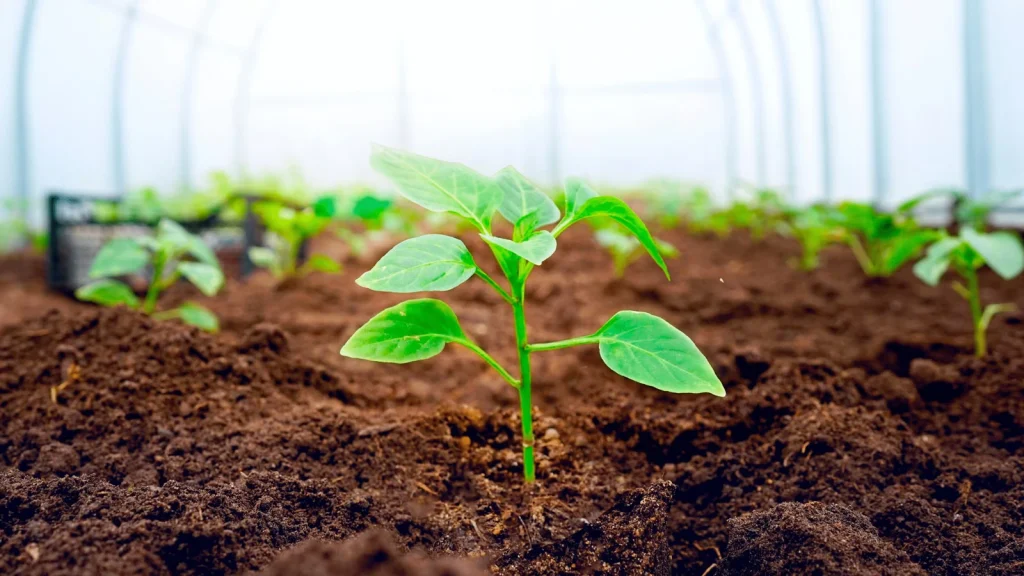
Improve Soil Drainage By:
- Adding compost or organic matter
- Mixing sand into clay soil
- Using raised beds for heavy soils
- Avoiding compacted soil
Loose, well-drained soil allows roots to spread freely.
3. Mulching for Root Protection
Mulch acts as a protective blanket for soil.
Benefits of Mulching:
- Retains soil moisture
- Regulates temperature
- Prevents weed growth
- Improves soil health
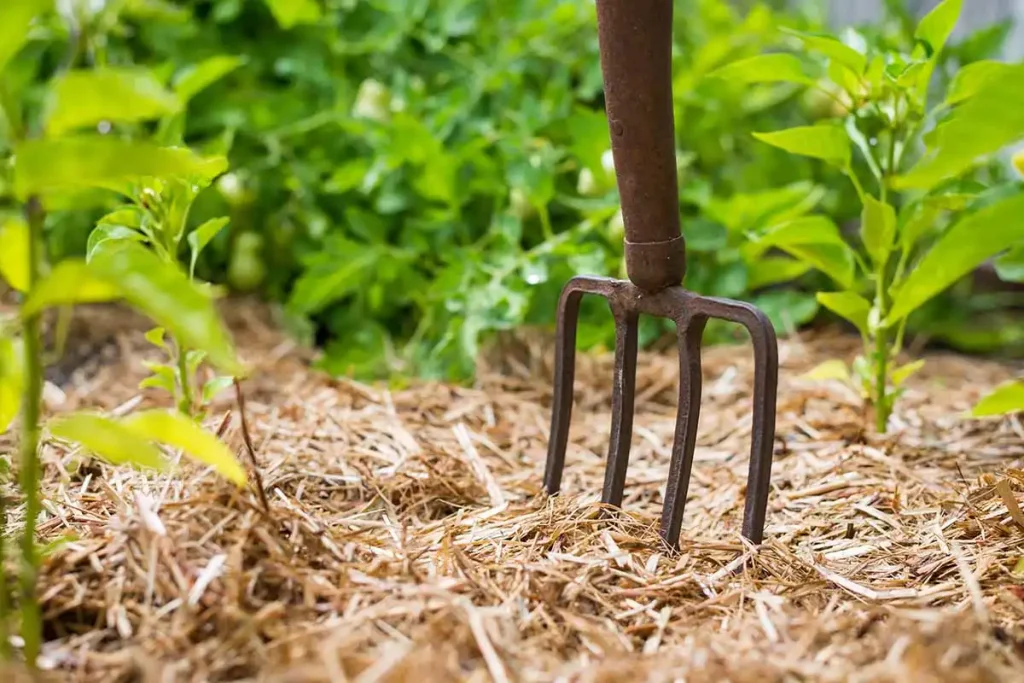
Use organic mulch like straw, bark, leaves, or compost around the base of plants.
4. Fertilizing After Planting
New plants need nutrients, but too much fertilizer can burn young roots.
Best Fertilizers for Root Growth:
- Compost
- Bone meal
- Seaweed extract
- Phosphorus-rich fertilizers
Apply fertilizer 2–3 weeks after planting when roots begin to establish.
5. Avoid Root Disturbance
Roots are fragile after planting.

Avoid:
- Frequent transplanting
- Digging near the plant base
- Pulling weeds roughly
Let the roots settle naturally for maximum strength.
6. Shade and Temperature Control
Extreme heat dries soil quickly and damages young roots.
Protection Methods:
- Shade cloth
- Temporary covers
- Mulch insulation
Maintain moderate soil temperature for healthy root growth.
7. Mycorrhizal Fungi for Root Boosting
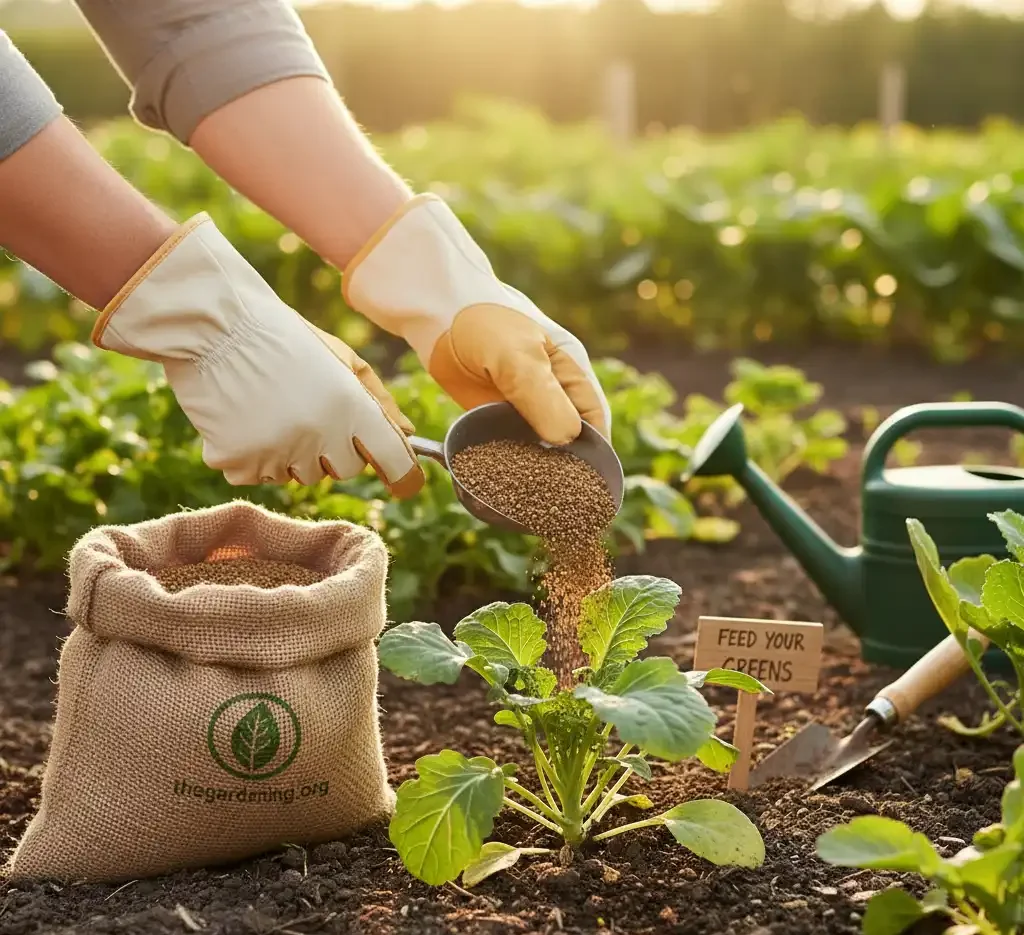
These beneficial fungi attach to roots and improve nutrient absorption.
Benefits:
- Stronger root system
- Better drought tolerance
- Increased plant immunity
Add mycorrhizal inoculant during planting or early growth stages.
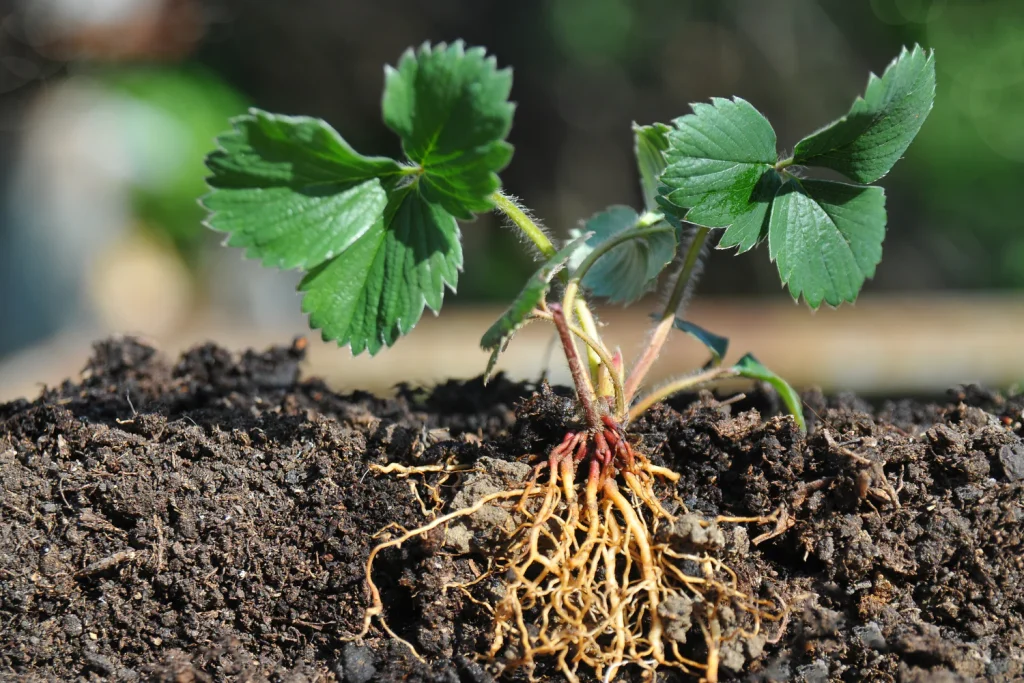
Signs of Strong Root Development
A healthy root system shows through the plant’s appearance:
- Steady growth
- Deep green leaves
- Upright posture
- Quick recovery from heat
- New leaf formation
If your plant looks healthy above ground, its roots are doing well below ground.
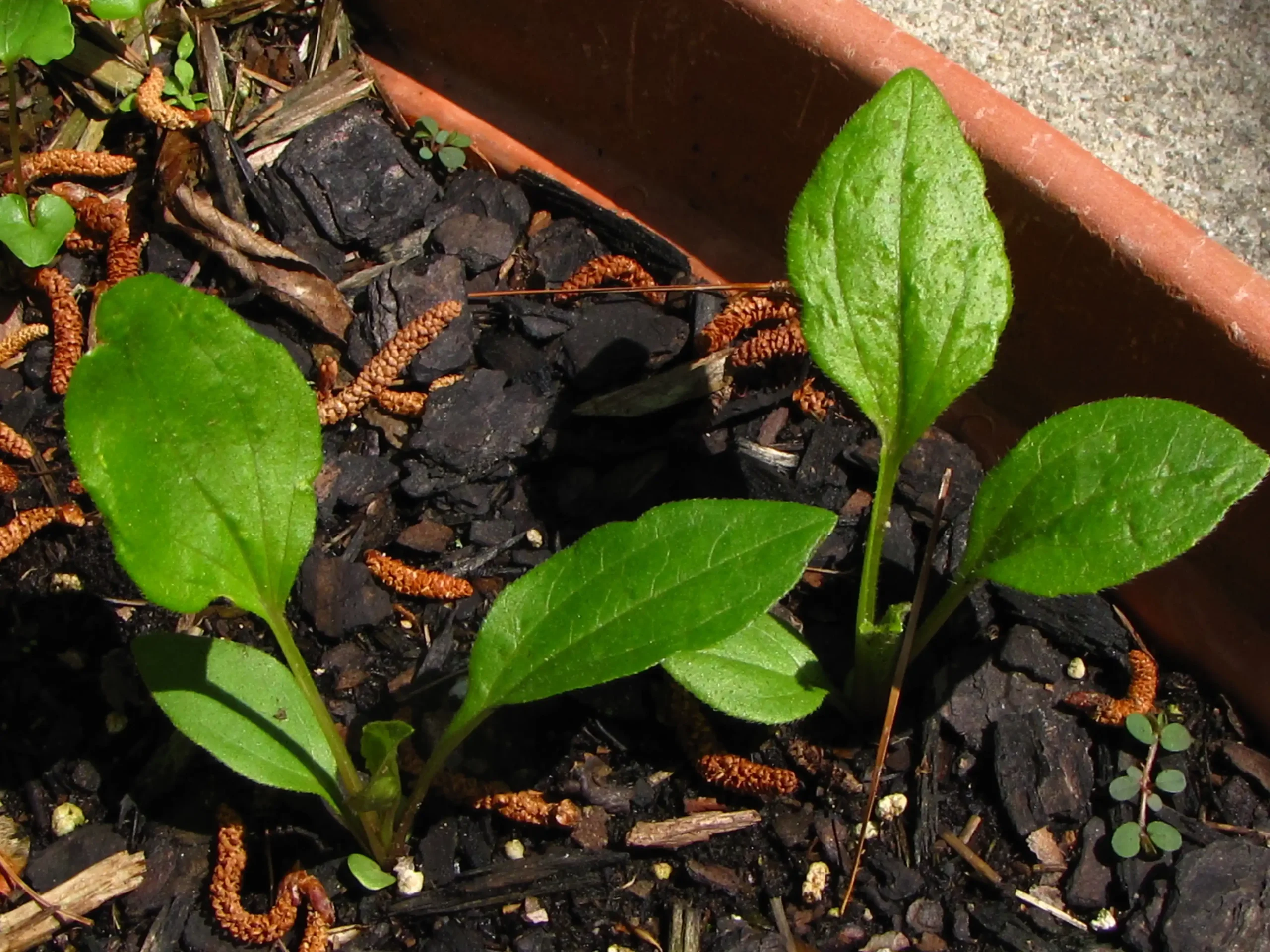
Common Mistakes in Post-Planting Care
Many gardeners unknowingly damage roots through small mistakes:
- Overwatering daily
- Planting too deep
- Using chemical fertilizers too early
- Ignoring soil quality
- Compacting soil by walking on it
Avoiding these errors helps your plant develop deep, strong roots naturally.
Troubleshooting Table: Post-Planting Root Problems
| Problem | Possible Cause | Symptoms | Solution |
|---|---|---|---|
| Wilting after planting | Transplant shock | Drooping leaves, slow growth | Water deeply, provide shade |
| Root rot | Overwatering, poor drainage | Yellow leaves, mushy roots | Improve drainage, reduce watering |
| Slow growth | Poor soil nutrition | Pale leaves, weak stems | Add compost or mild fertilizer |
| Dry soil | Underwatering | Curling leaves, dry soil | Increase watering frequency |
| Compacted soil | Heavy soil, foot traffic | Stunted growth | Loosen soil, add organic matter |
| Yellow leaves | Nutrient deficiency | Pale foliage | Apply balanced fertilizer |
| Fungal disease | Excess moisture | Leaf spots, mold | Improve air circulation |
| Weak anchoring | Shallow planting | Plant falling over | Replant at proper depth |
| Root burn | Too much fertilizer | Brown root tips | Flush soil with water |
| Pest damage | Soil insects | Chewed roots | Use organic pest control |
Conclusion
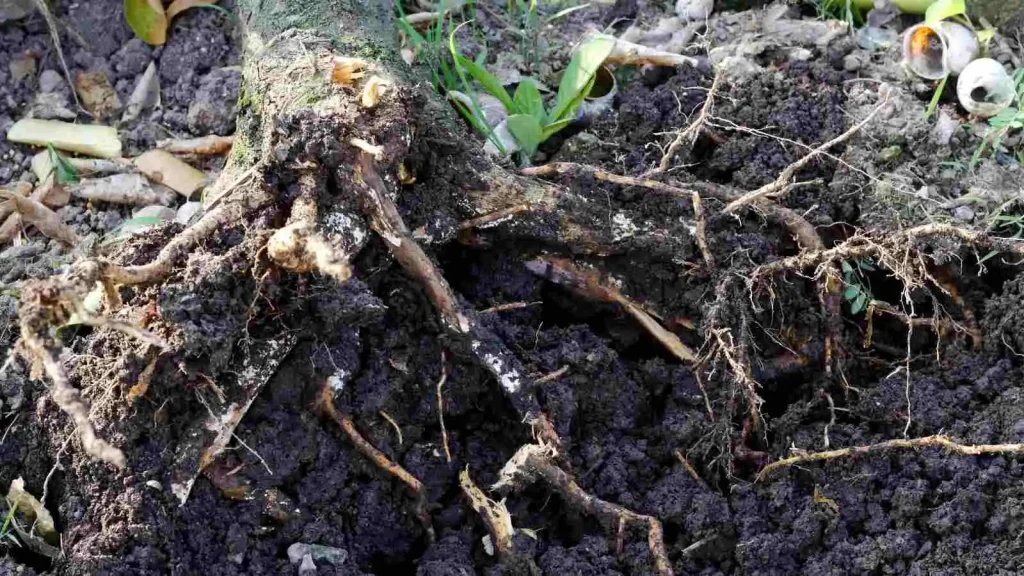
Strong roots are the secret to healthy, long-lasting plants. By following the right post-planting care for stronger roots, you ensure better nutrient absorption, improved resistance, faster growth, and higher yields.
Whether you’re growing vegetables in your backyard, caring for houseplants, or planting trees, these techniques will help your plants build a powerful foundation that lasts for years.
Remember: Healthy roots = Healthy plants.