You planted your garden. The soil looks great. The plants are in.
Now comes the part most gardeners underestimate; post-planting care in spring.
Spring planting is exciting, but what you do after planting is what truly decides whether your plants thrive or just… survive. I’ve learned this the hard way (hello, droopy tomatoes and mystery yellow leaves).
The good news? Spring post-planting care doesn’t have to be complicated. With the right timing, watering, feeding, and observation, you can help your plants establish strong roots and explode with healthy growth.
Let’s break it down step by step.
Why Post-Planting Care in Spring Matters So Much
Spring plants are like newborns.
They’re adjusting to:
- New soil
- New light conditions
- Temperature swings
- Transplant shock
Without proper post-planting care, plants can struggle even if you planted them perfectly.
Good spring care helps:
- Reduce transplant shock
- Encourage strong root development
- Prevent pests and diseases early
- Boost faster, healthier growth
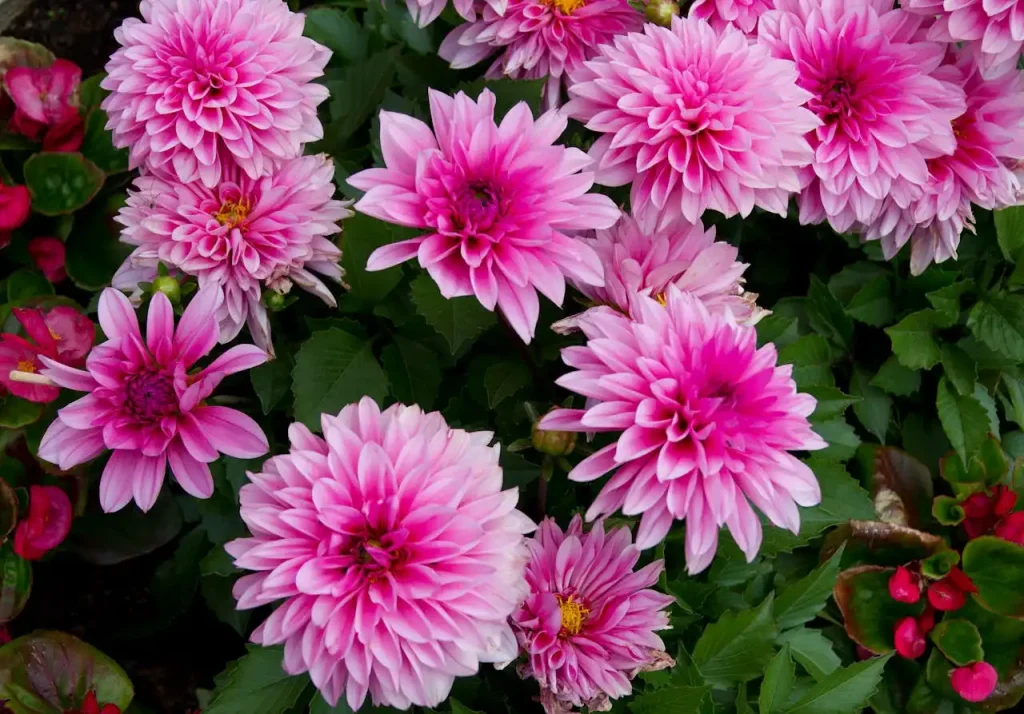
Think of it as setting the foundation for the entire growing season.
1. Watering After Planting: The Golden Rule
Watering is the #1 factor in post-planting success.
Immediately After Planting
Always water deeply right after planting, even if the soil looks moist. This:
- Removes air pockets
- Helps roots settle
- Reduces shock
Ongoing Spring Watering Tips
- Water deeply, not frequently
- Early morning is best
- Avoid shallow daily watering
Pro tip: Stick your finger 2 inches into the soil. If it’s dry, it’s time to water.

How Much Is Enough?
- Seedlings: light but consistent moisture
- Transplants: deep watering every 2–3 days (depending on weather)
- Containers: check daily; they dry out fast in spring winds
2. Mulching: Your Springtime Secret Weapon
Mulch is often skipped in spring, and that’s a mistake.
Why Mulch After Planting?
- Retains moisture
- Regulates soil temperature
- Prevents weeds
- Protects delicate roots
Best Mulch Options for Spring
- Straw
- Shredded leaves
- Compost
- Bark mulch (for ornamentals)
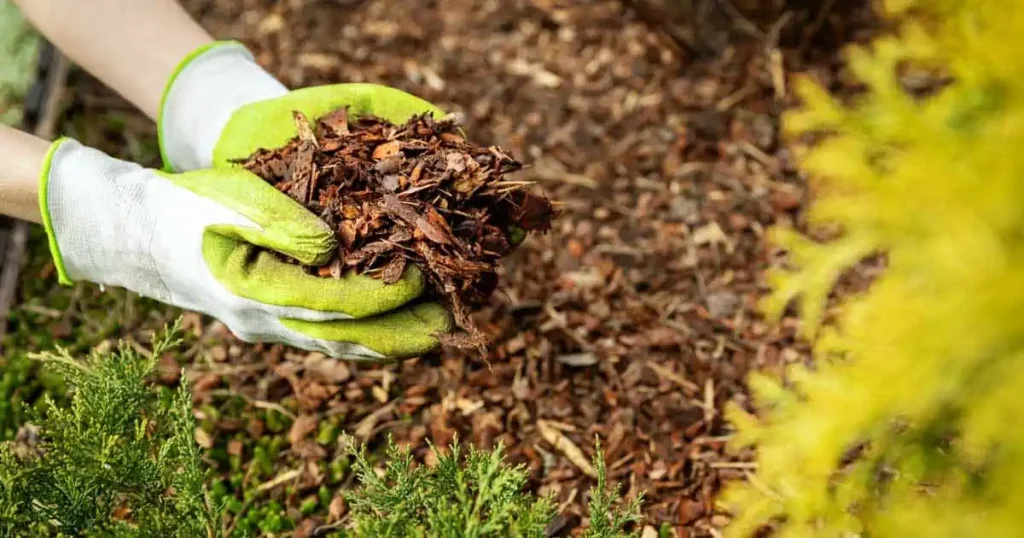
Apply 2–3 inches, keeping mulch a little away from the stem to avoid rot.
3. Feeding New Plants the Right Way
More fertilizer ≠ faster growth.
In spring, gentle feeding wins.
When to Fertilize
- Wait 2–3 weeks after planting
- Let roots settle first
Best Fertilizers for Spring
- Compost or compost tea
- Balanced slow-release fertilizer
- Organic granular feeds
Avoid high nitrogen early on, it can cause weak, leggy growth.
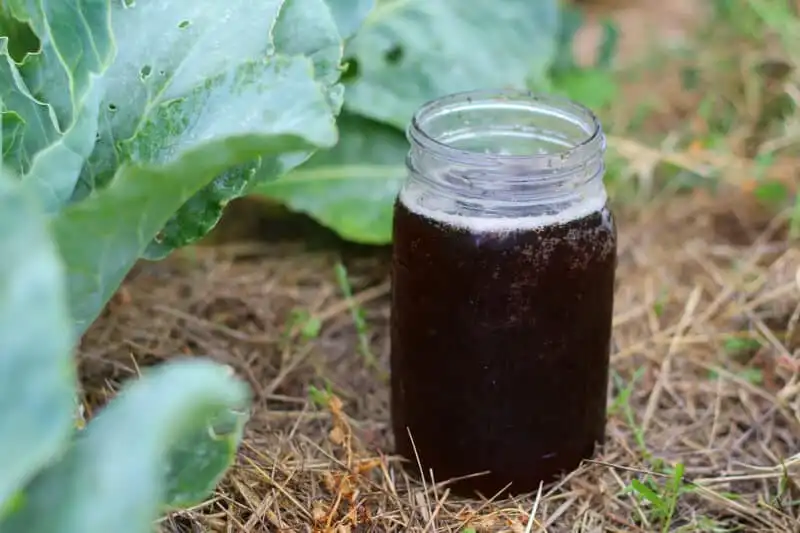
Rule of thumb: Feed the soil, not just the plant.
4. Protecting Plants from Spring Weather Surprises
- Spring weather loves drama.
- One day it’s sunny, the next it’s frost or heavy rain.
Frost Protection Tips
- Cover plants with garden fabric or old bedsheets
- Use cloches or plastic bottles for seedlings
- Water soil before frost; moist soil retains heat
Wind Protection
- Stake young plants early
- Use temporary wind barriers
- Group containers together
A little protection now saves weeks of recovery later.
5. Watching for Transplant Shock (And Fixing It)
Some wilting after planting is normal, panic not.
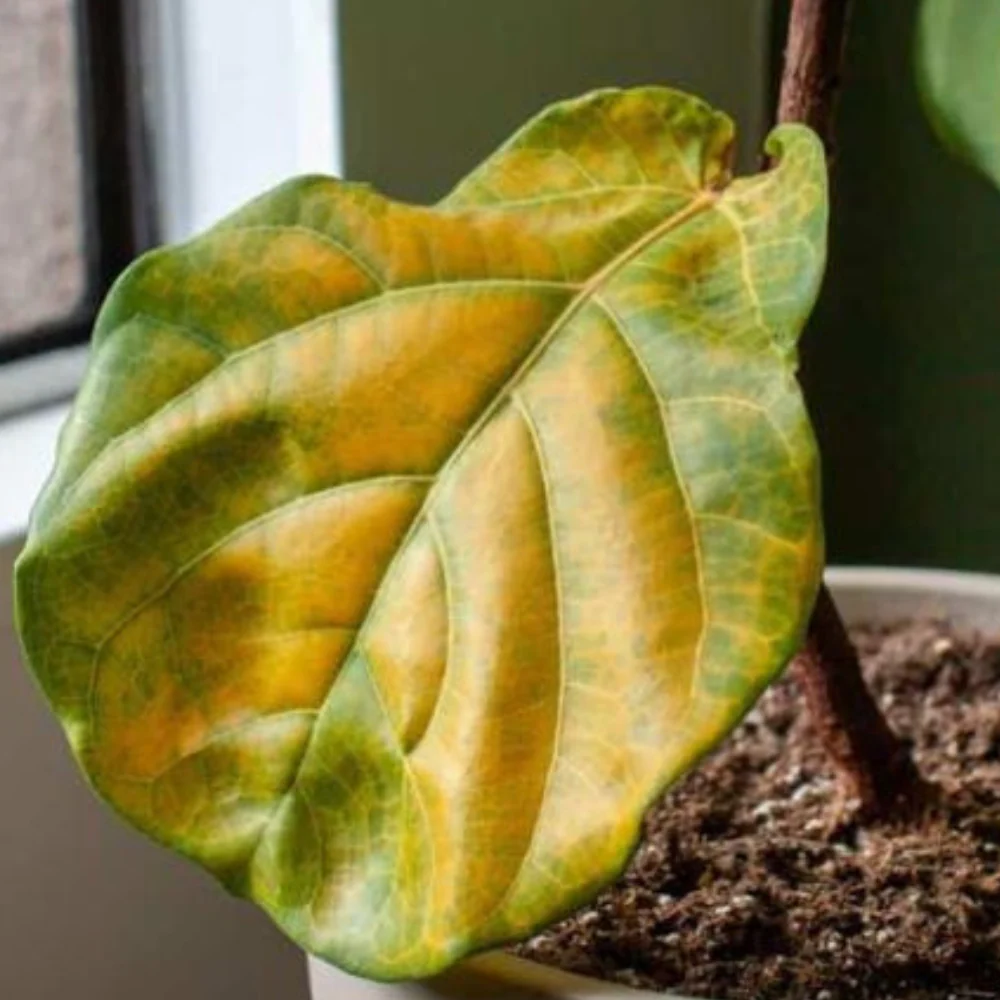
Signs of Transplant Shock
- Wilting despite moist soil
- Yellowing leaves
- Slow growth
How to Help Plants Recover
- Shade plants for a few days
- Avoid fertilizing immediately
- Keep soil consistently moist
Most plants bounce back within a week if cared for properly.
6. Pruning and Pinching: Less Is More
Not every plant needs pruning right away.
What You Should Do
- Remove damaged or broken leaves
- Pinch herbs like basil to encourage bushy growth

What to Avoid
- Heavy pruning right after planting
- Cutting stressed plants
Let plants settle first — pruning can wait.
7. Weed Control Early = Easy Season Later
Spring weeds grow faster than your plants. Annoying but true.
Best Post-Planting Weed Control
- Mulch immediately
- Hand weed while soil is soft
- Avoid disturbing plant roots
Ten minutes of weeding in spring saves hours in summer.
8. Soil Care After Planting
Healthy soil = healthy plants.
Simple Spring Soil Care Tips
- Avoid compacting wet soil
- Add compost around plants (top dressing)
- Check drainage after heavy rains
If water pools around plants, improve drainage ASAP; soggy roots lead to rot.
Post-Planting Care in Spring: Troubleshooting Table
| Problem | Likely Cause | Solution |
|---|---|---|
| Wilting after planting | Transplant shock | Water deeply, provide shade |
| Yellow leaves | Overwatering or poor drainage | Reduce watering, improve soil |
| Slow growth | Cold soil or lack of nutrients | Mulch, wait, feed lightly |
| Leaves curling | Wind stress or dehydration | Wind protection, consistent watering |
| Mold on soil | Poor air circulation | Remove excess mulch, improve airflow |
| Plants falling over | Weak roots or wind | Stake plants, reduce wind exposure |
| Leaf spots | Overhead watering | Water at soil level |
| Plants not flowering | Too much nitrogen | Switch to balanced fertilizer |

Final Thoughts: Spring Care Sets the Tone for the Season
Post-planting care in spring isn’t about doing everything.
It’s about doing the right things at the right time.
Water deeply. Mulch generously. Feed gently. Watch closely.
If you give your plants a strong start now, they’ll reward you with healthier growth, better harvests, and fewer problems all season long.
And remember, even experienced gardeners lose a plant or two. That’s not failure. That’s gardening.