
Protect garden from frost: Frost can be a serious threat to your beloved garden, striking with its icy grip during clear, cold nights. These ice crystals can wreak havoc on delicate plants, damaging their cells and potentially wiping out entire crops overnight. But just because your garden is susceptible to frost damage doesn’t mean you have to resort to artificial heating or chemical solutions – nature has its own effective ways of protecting plants.
In this article, we’ll explore various natural methods that can help shield your garden from frost damage. You’ll learn how simple materials like old bed sheets, organic mulch, and strategic watering techniques can create protective barriers around your plants. We’ll also discuss how certain garden features can be utilized for heat retention and how understanding weather patterns can aid in preventive measures.
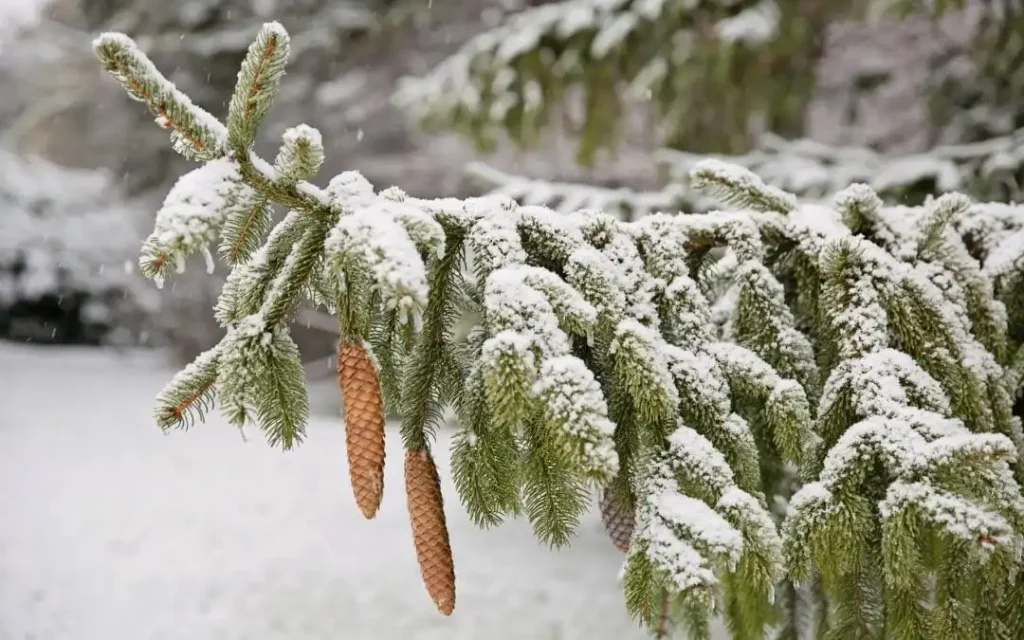
These age-old techniques have been passed down through generations of gardeners, proving that working in harmony with nature can yield dependable solutions for frost protection. So let’s dive into these natural methods and discover how you can safeguard your garden from frost damage, ensuring your plants thrive even during chilly spells without relying on artificial interventions.
Understanding Frost and Its Effects on Gardens
Frost forms when air temperatures drop to 32°F (0°C) or below, causing water vapor to transform directly into ice crystals. This natural phenomenon typically occurs on clear, calm nights when heat radiates freely from the ground into the atmosphere.
Two Types of Frost That Can Affect Your Garden
There are two main types of frost that can impact your garden:
- Radiation Frost: This type of frost forms during still, clear nights and creates a uniform layer of ice crystals. It is most common in valleys and low-lying areas when ground temperatures fall below freezing.
- Advection Frost: Advection frost develops with cold wind movement and creates uneven frost patterns. It affects exposed areas and higher ground and can occur at any time during cold weather.
Symptoms of Frost Damage in Plants
Plants display specific symptoms when damaged by frost:
- Blackened or brown leaves
- Soft, water-soaked foliage
- Splitting bark on woody plants
- Wilted or drooping growth
- Death of tender new shoots

Young seedlings and tender plants show frost damage first, with symptoms appearing within hours of exposure. The plant cells freeze, causing ice crystals to form and rupture cell walls. This cellular destruction leads to permanent tissue damage, particularly affecting spring growth and fall harvests.
Factors Influencing the Severity of Frost Damage
The severity of frost damage varies based on several factors:
- Plant species: Different plant species have varying levels of hardiness and susceptibility to frost damage.
- Growth stage: Plants in certain growth stages may be more vulnerable to frost than others.
- Exposure duration: The length of time a plant is exposed to freezing temperatures can impact the extent of damage.
Hardy plants might show minimal effects, while delicate varieties can suffer extensive damage or complete loss.
Natural Strategies to Protect Garden from Frost
Nature offers effective solutions to shield your garden from frost damage. These time-tested methods work harmoniously with your garden’s ecosystem while providing reliable protection during cold spells.
1. Covering Plants to Create a Protective Microclimate
Your first line of defense against frost lies in creating a protective barrier between your plants and the cold air. Natural fabric covers act as shields, trapping the earth’s warmth and protecting tender plants from freezing temperatures.
Effective covering materials include:
- Frost blankets (horticultural fleece)
- Old bed sheets
- Burlap sacks
- Row covers
- Natural fiber blankets
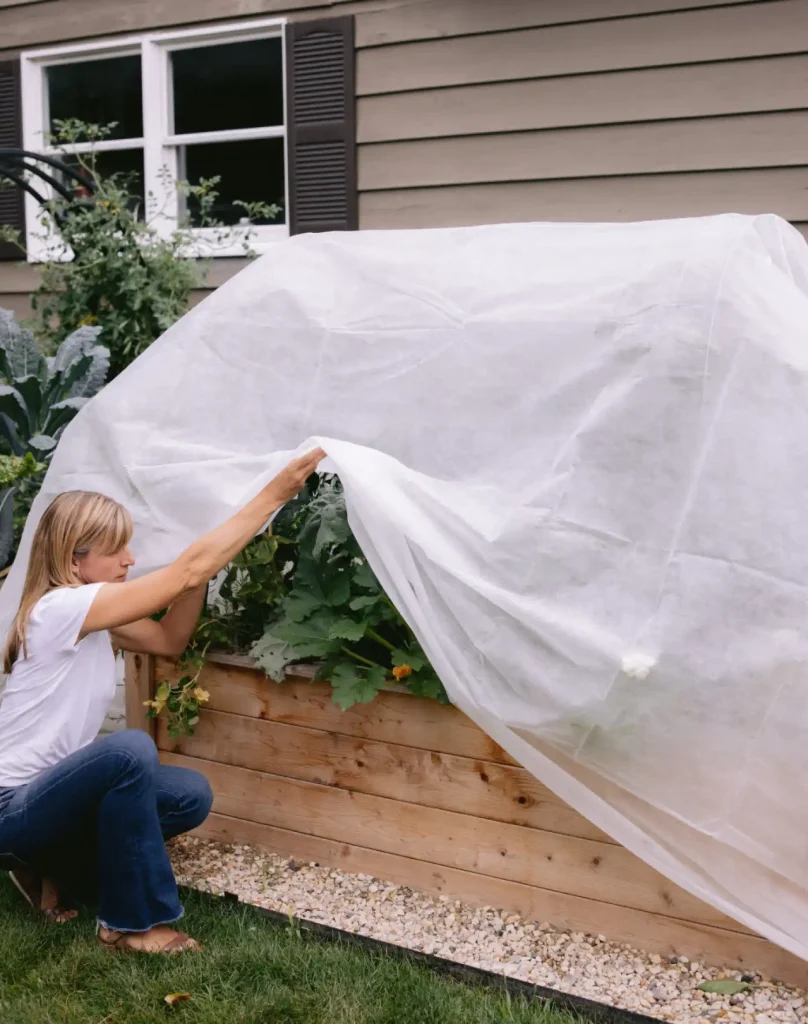
These materials create a microclimate by:
- Trapping heat radiating from the soil
- Blocking cold air from reaching plants
- Maintaining stable temperatures around vegetation
- Allowing air circulation to prevent moisture buildup
Essential covering techniques:
- Apply covers before sunset to capture maximum warmth
- Ensure fabric extends to ground level
- Leave slight slack for plant movement
- Secure edges with rocks, bricks, or garden pins
- Remove covers during sunny days to prevent overheating
Avoid using plastic sheets directly on plants. Plastic can:
- Transfer extreme cold to leaves on contact
- Create condensation that freezes
- Damage tender growth
- Restrict air flow
The key to successful plant covering lies in proper installation. Drape materials gently over support structures to prevent crushing delicate plants. Stakes, hoops, or tomato cages work well as support systems, creating tent-like protection that maintains space between the cover and plant surfaces.
Remember to check weather forecasts regularly during frost-prone periods. This practice helps you prepare covers in advance and ensures timely protection for your garden’s most vulnerable plants.

2. Mulching to Insulate Soil and Plant Roots
Mulching creates a protective barrier between your soil and harsh winter temperatures. A thick layer of organic mulch acts as nature’s insulation blanket, maintaining consistent soil temperatures and protecting delicate root systems.
Effective organic mulch options include:
- Straw: Lightweight, excellent insulator, ideal for vegetable gardens
- Fallen leaves: Free resource, rich in nutrients, breaks down to feed soil
- Pine bark: Long-lasting protection, maintains soil structure
- Compost: Nutrient-rich option that improves soil health while insulating
The secret to mulch’s effectiveness lies in its ability to trap air pockets. These pockets slow heat loss from the soil during cold nights, creating a stable environment for root systems. Moist mulch performs better than dry material, as water-filled spaces conduct less heat than air-filled ones.
Application tips for maximum protection:
- Apply mulch 3-4 inches deep around plant bases
- Keep mulch 2-3 inches away from plant stems to prevent rot
- Spread mulch evenly across garden beds
- Add extra layers when frost warnings are issued

3. Watering Techniques to Boost Soil Heat Retention
Strategic watering plays a vital role in natural frost protection. Moist soil acts as a heat bank, absorbing and storing warmth during daylight hours. When you water your garden during the morning or early afternoon before an expected frost, the soil captures solar heat throughout the day.
Key Benefits of Pre-Frost Watering:
- Wet soil holds up to 4 times more heat than dry soil
- Water-filled soil spaces conduct heat better than air-filled spaces
- Moist soil can raise air temperature by 2-5 degrees around plants
Best Watering Practices:
- Apply water at soil level to avoid wetting foliage
- Water deeply but avoid puddles or standing water
- Target the root zone within the plant’s drip line
- Stop watering 3-4 hours before sunset to prevent excess surface moisture
Warning Signs of Overwatering:
- Soggy soil that squelches when walked on
- Water pooling around plant bases
- Yellowing leaves or wilting despite wet conditions
The ideal soil moisture level feels like a wrung-out sponge – damp but not waterlogged. This balance provides maximum heat retention without risking root rot or other moisture-related issues.
4. Using Cloches and Cold Frames as Miniature Greenhouses
Cloches and cold frames create protective microclimates for individual plants or small garden sections. These miniature greenhouse structures shield plants from frost while maintaining essential light exposure for growth.
Benefits of Traditional Cloches:
- Bell-shaped glass or plastic covers
- Perfect for protecting single plants or seedlings
- Allow direct sunlight penetration
- Create warm air pockets around plants
Benefits of Cold Frames:
- Larger protective structures for multiple plants
- Slanted tops capture maximum sunlight
- Adjustable ventilation options
- Ideal for hardening off seedlings
Placement Tips:
- Position structures facing south or southeast
- Ensure stable, level ground
- Leave 2-3 inches of space around plant edges
- Set up before frost warnings
Maintenance Guidelines:
- Clean covers regularly for maximum light transmission
- Check ventilation on sunny days to prevent overheating
- Secure structures against strong winds
- Remove snow accumulation promptly
- Inspect for damage or gaps in seals

You can create DIY cold frames using old windows, transparent panels, or recycled materials. Place bricks or cement blocks as a base, adding straw bales around the edges for extra insulation.
5. Strategic Garden Design for Frost Protection
Smart garden design creates natural defense against frost damage. The positioning of your plants plays a crucial role in their survival during cold periods.
Heat-Retaining Walls
South and west-facing walls absorb heat throughout the day, releasing it gradually during the night. Place frost-sensitive plants like tomatoes, peppers, and tender herbs within 3-4 feet of these surfaces to benefit from the radiated warmth.
Creating Effective Windbreaks
- Install solid fences or dense hedges on the north side of your garden
- Plant tall, hardy species like evergreen trees or shrubs as natural barriers
- Space windbreaks 2-5 times their height away from protected areas
Heat Sinks for Temperature Regulation
- Large rocks or stone features store daytime heat
- Water features maintain steady temperatures
- Gravel paths absorb sunlight and release warmth at night
- Dark-colored materials capture more heat than light surfaces

Elevation Management
Cold air flows downhill and collects in low spots. Plant frost-resistant varieties in these areas and reserve higher ground for sensitive plants. Raised beds provide additional protection by lifting plants above the coldest air layer.
6. Moving Potted Plants Indoors During Frosty Nights
Potted plants need special attention during frost seasons. Their exposed roots make them particularly vulnerable to freezing temperatures, as containers offer minimal insulation compared to ground soil.
Best Indoor Locations for Frost Protection:
- Attached garages maintain temperatures several degrees warmer than outside
- Enclosed porches provide shelter while allowing natural light
- Basement windows offer adequate lighting and consistent temperatures
- Utility rooms work well for short-term protection
Pre-Winter Preparation Tips:
- Place containers on wheeled platforms or dollies
- Group smaller pots in easily movable trays
- Keep pathways clear for quick relocation
- Install ramps over steps to simplify transport
Your indoor space might limit the number of plants you can protect. Prioritize these plants for indoor relocation:
- Tender tropical varieties
- Young seedlings
- Flowering plants
- Valuable specimen plants
- Plants in terracotta pots (these crack easily in frost)

Remember to check soil moisture levels in relocated plants – indoor environments can dry out containers faster than outdoor conditions. For a successful transition, consider following these 7 steps to bring your houseplants back inside for the winter. Additionally, it’s crucial to prep indoor plants properly for winter to ensure their survival and health during the cold months.
7. Selecting Hardy Plant Varieties Adapted to Your Climate Zone
Choosing frost-resistant plants creates a resilient garden that thrives through cold seasons. The USDA Plant Hardiness Zone Map guides you in selecting plants suited to your local climate’s minimum temperatures.
Hardy Plants for Cold Climates:
- Vegetables: Kale, Brussels sprouts, winter cabbage, Swiss chard
- Herbs: Sage, thyme, oregano, winter savory
- Perennials: Yarrow, black-eyed susan, sedum, coneflower
- Shrubs: Boxwood, juniper, holly, mountain laurel
Your local climate zone determines which plants can survive winter temperatures. Zone 5 plants tolerate temperatures down to -20°F (-28°C), while Zone 8 plants handle 15°F (-9°C).
Tips for Hardy Plant Selection:
- Check plant labels for hardiness zone ratings
- Research native species in your area
- Ask local nurseries for cold-hardy recommendations
- Consider microclimate variations in your garden
Cold-hardy plants reduce the need for extensive frost protection measures, saving time and resources during winter months.

Combining Natural Methods for Maximum Frost Protection
A multi-layered defense strategy amplifies your garden’s resilience against frost damage. Each protective method works synergistically with others to create a robust shield for your plants.
Effective Method Combinations:
- Pair mulching with strategic watering to maximize soil heat retention
- Use both cold frames and frost blankets during severe temperature drops
- Combine windbreaks with heat-radiating walls to create protected growing zones
Timing Your Protection Strategy:
- Early autumn: Install permanent structures like cold frames
- Mid-autumn: Apply thick mulch layers
- Late autumn: Prepare coverings and test their fit
- Winter: Keep materials readily accessible for quick deployment
Weather Monitoring Tips:
- Track local weather forecasts daily during frost-prone seasons
- Install a garden thermometer to measure ground-level temperatures
- Set up weather alerts on your phone for frost warnings
- Check evening dew point readings to predict overnight frost risk

The success of integrated frost protection lies in preparation and quick response. Keep your chosen materials organized and within reach. A dedicated storage area near your garden enables swift action when temperatures threaten to drop. Your protective measures become more effective when implemented before the first signs of frost appear, rather than reacting after temperatures begin to fall.
Conclusion
Natural frost protection methods offer a sustainable way to protect your garden during cold seasons. These eco-friendly approaches work in harmony with nature, creating resilient garden spaces that thrive year after year.
Your garden’s health depends on proactive planning and dedicated care. By implementing natural protection strategies, you:
- Preserve soil health and biodiversity
- Reduce environmental impact
- Create stronger, more adaptable plants
- Save money on artificial heating solutions
The key to success is preparation and timing. Start your frost protection routine before the first cold snap hits. Monitor local weather patterns, understand your garden’s unique microclimate, and adjust your protection methods accordingly.
Remember: A garden protected naturally develops deeper resilience. Your efforts to shield plants from frost using sustainable methods contribute to a healthier ecosystem. You’re not just protecting your plants – you’re nurturing a thriving, sustainable garden that will reward you with abundant harvests for seasons to come.


