Winter doesn’t have to mean an empty garden—especially if you live in a frost-free zone. With the right planning, plant choices, and care techniques, winter planting in frost-free zones can be highly productive, rewarding, and cost‑effective. This in‑depth guide is to help you grow healthy crops all winter long while avoiding common mistakes.
What Are Frost-Free Zones?
Frost-free zones are regions where temperatures rarely or never drop below freezing. These areas typically fall within USDA Zones 9–11 and include parts of South Asia, Southern California, Florida, coastal regions, and other mild‑winter climates.
Because the soil doesn’t freeze, plants can continue growing through winter with minimal protection. This makes winter gardening in warm climates ideal for vegetables, herbs, flowers, and even some fruits.
High‑search related keywords:
- mild winter vegetables
- frost-free gardening
- winter gardening tips
- warm climate planting
Benefits of Winter Planting in Frost-Free Zones
Winter planting offers several advantages over traditional spring and summer gardening:
1. Extended Growing Season
You can grow crops year‑round without waiting for spring.
2. Fewer Pests and Diseases
Cooler temperatures reduce insect activity and plant stress.
3. Better Soil Health
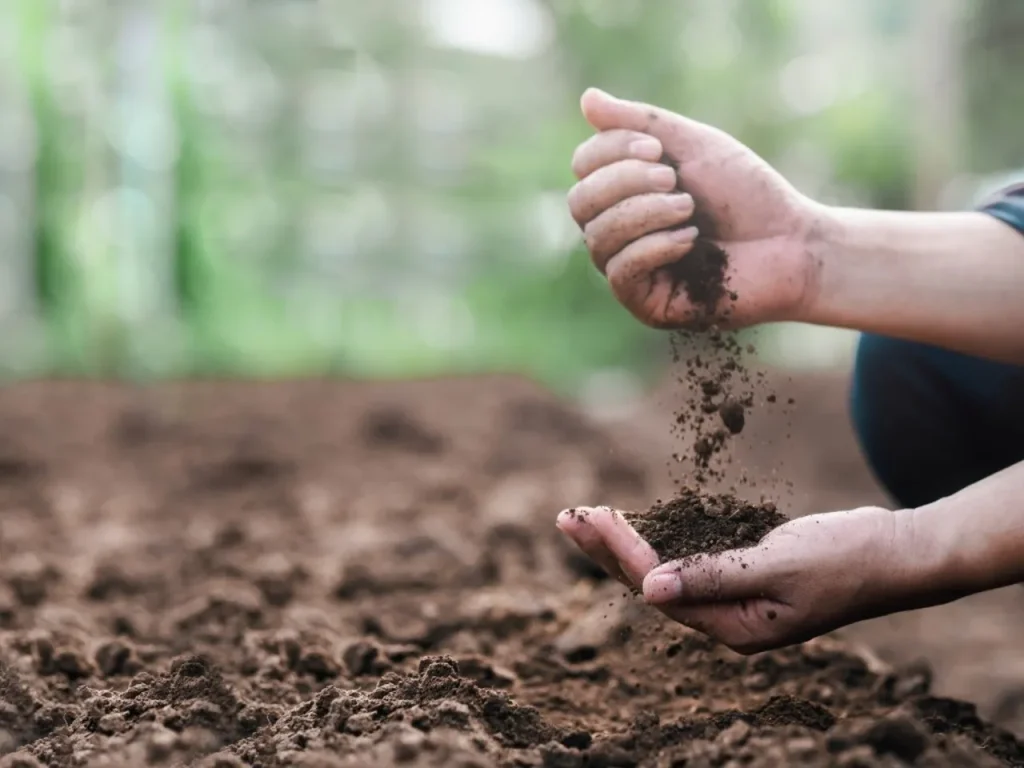
Winter crops prevent soil erosion and improve nutrient retention.
4. Lower Water Requirements
Cool weather slows evaporation, saving water and effort.
Best Vegetables for Winter Planting in Frost-Free Zones
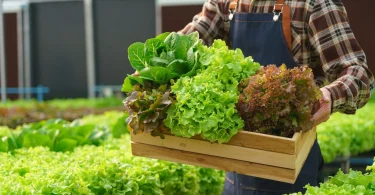
Choosing the right crops is key to success. Below are high‑search, winter‑friendly vegetables that thrive in frost‑free climates:
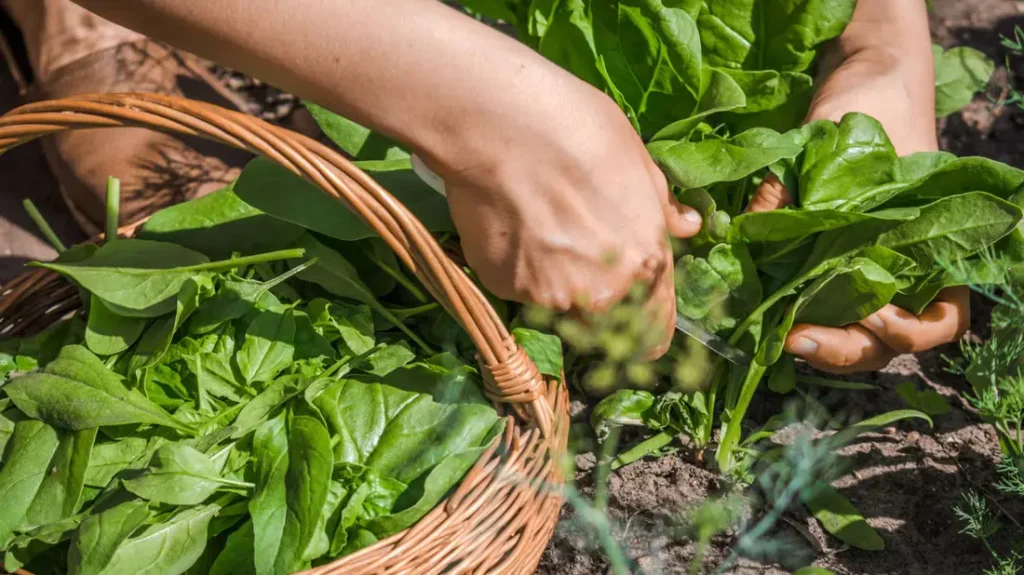
Leafy Greens
- Spinach
- Lettuce
- Kale
- Swiss chard
- Arugula
Root Vegetables
- Carrots
- Beets
- Radishes
- Turnips
Cruciferous Vegetables
- Broccoli
- Cauliflower
- Cabbage
- Brussels sprouts
Legumes & Others
- Peas
- Fava beans
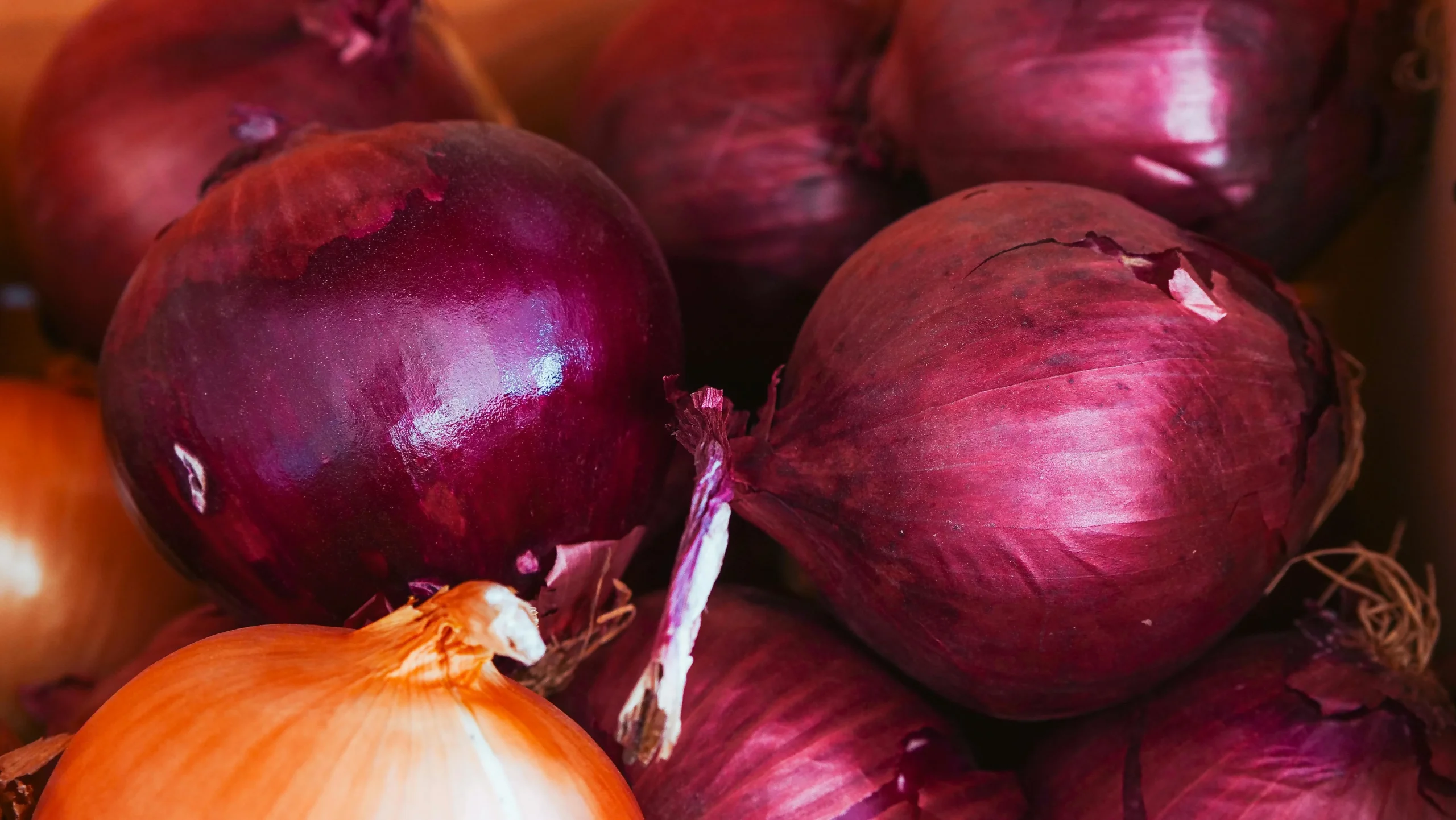
- Onions
- Garlic
Soil Preparation for Winter Planting
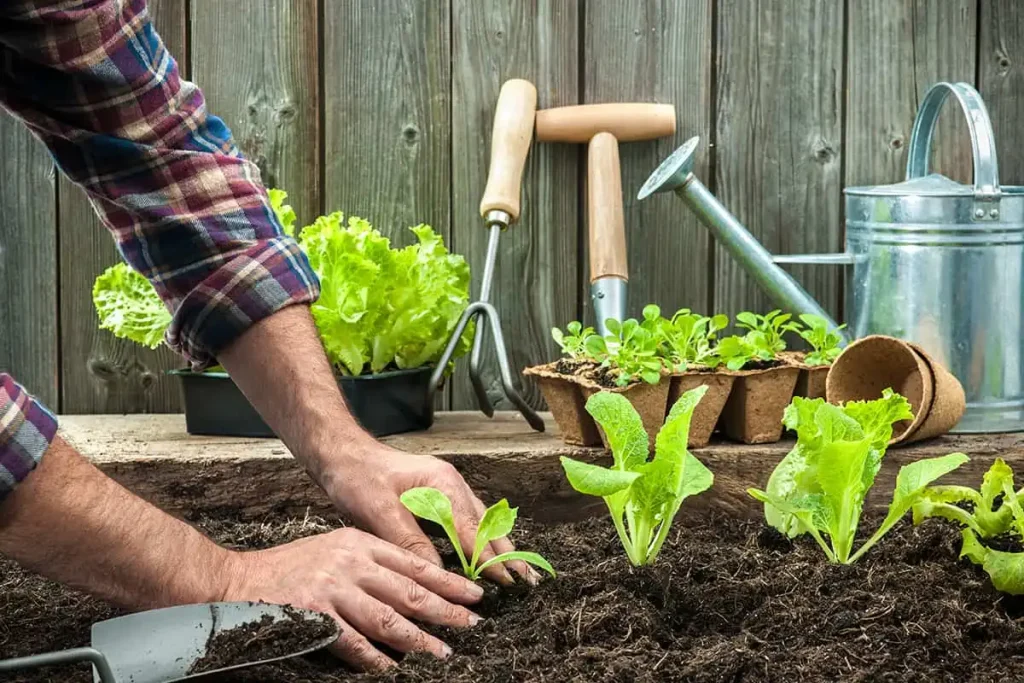
Healthy soil is the foundation of successful winter planting in frost-free zones.
Step-by-Step Soil Prep:
- Mulch lightly to retain moisture
- Remove old crop debris and weeds
- Loosen soil to improve aeration
- Add organic compost or aged manure
- Check soil drainage
Planting Techniques for Winter Success
Direct Sowing vs Transplants
- Direct sowing works well for carrots, radishes, and leafy greens
- Transplants are ideal for broccoli, cabbage, and cauliflower

Spacing & Sunlight
Even in winter, plants need 6–8 hours of sunlight. Avoid overcrowding to reduce disease risk.
Watering and Fertilizing in Winter
Although growth slows in winter, plants still need consistent care.
Watering Tips
- Water less frequently but deeply
- Avoid waterlogging
- Morning watering is best
Fertilization
Use light, organic fertilizers such as:
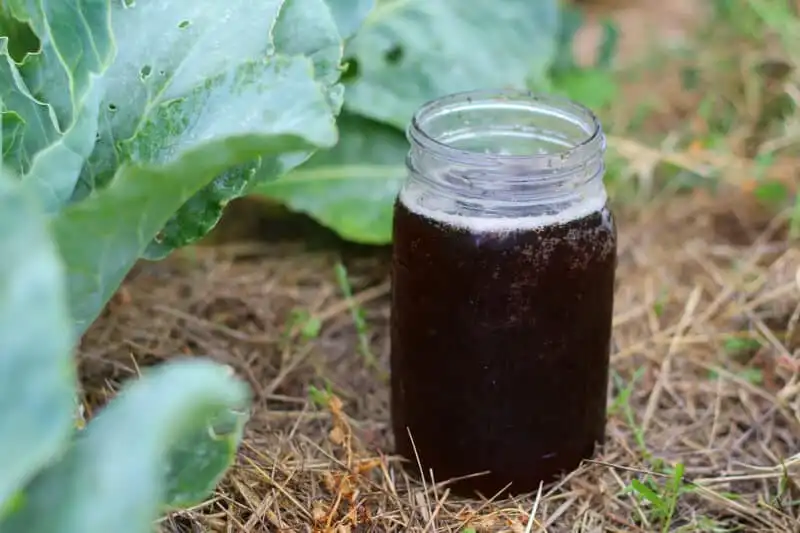
- Compost tea
- Fish emulsion
- Seaweed extract
High‑search keywords: winter watering tips, organic fertilizers, garden maintenance
Common Mistakes to Avoid
- Overwatering during cool weather
- Ignoring sunlight requirements
- Planting heat‑loving crops too late
- Skipping pest monitoring
Avoiding these mistakes will dramatically improve winter yields.
Troubleshooting Table: Winter Planting Problems & Solutions
| Problem | Likely Cause | Solution |
|---|---|---|
| Slow plant growth | Low sunlight | Move plants to sunnier location |
| Yellow leaves | Nutrient deficiency | Apply organic fertilizer |
| Root rot | Poor drainage | Improve soil drainage, reduce watering |
| Pest damage | Aphids or caterpillars | Use neem oil or organic pest control |
| Wilting plants | Overwatering | Allow soil to dry slightly between watering |

Pest Management in Winter Gardens
Even winter gardens can face pests. Common winter pests include aphids, snails, and caterpillars.
Organic Pest Control Methods:
- Neem oil spray
- Hand removal
- Beneficial insects
- Row covers
SEO keywords: winter garden pests, organic pest control, neem oil uses.
Companion Planting for Better Results
Companion planting improves plant health and yield:
- Carrots + onions
- Lettuce + garlic
- Cabbage + herbs
This technique boosts natural pest resistance and maximizes space.

Best Herbs for Winter Gardening
Herbs are low‑maintenance and ideal for winter planting:
- Cilantro
- Parsley
- Dill
- Chives
- Thyme
- Rosemary
These herbs grow steadily in mild winters and add fresh flavor to your kitchen year‑round.
Harvesting Winter Crops
Most winter vegetables are ready within 30–90 days. Harvest in the morning for best flavor and freshness. Regular harvesting encourages continuous growth.
Final Thoughts
Winter planting in frost-free zones is a proven and easy way to enjoy fresh produce all year long. By selecting the right crops, preparing your soil properly, and following smart winter care practices, you can turn the cold season into one of your most productive gardening periods.
Whether you’re a beginner or an experienced gardener, winter gardening in warm climates offers endless opportunities for healthy, sustainable growth.