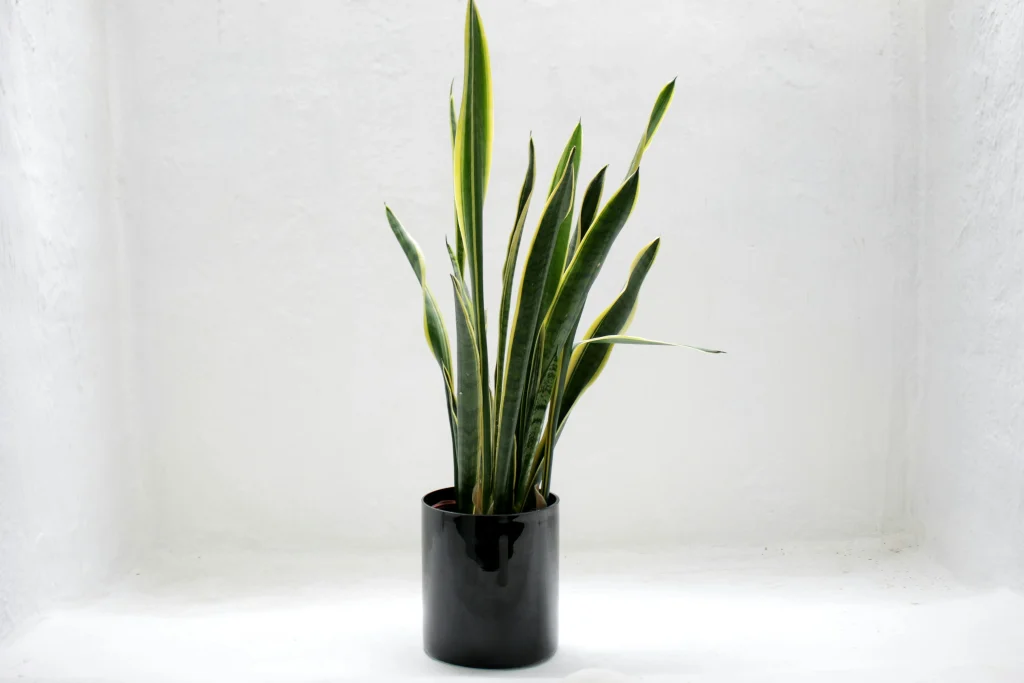
Snake plants (Dracaena trifasciata, formerly Sansevieria) are celebrated for their striking appearance, air-purifying qualities, and low-maintenance care, making them a favorite among houseplant enthusiasts. However, like any plant, they come with potential drawbacks that may affect your decision to bring one into your home. In this blog, we explore the disadvantages of snake plants, from toxicity concerns to care challenges, and offer tips to mitigate these issues for a successful plant-parenting experience.
Disadvantages of Snake Plant
1. Toxicity to Pets and Children
The Issue: Snake plants are mildly toxic to pets (such as cats and dogs) and humans if ingested. They contain saponins, which can cause gastrointestinal distress.
Symptoms: In pets or children, ingestion may lead to nausea, vomiting, diarrhea, or drooling. In severe cases, it can cause more significant discomfort, though fatalities are rare.
Mitigation:
- Place snake plants out of reach of pets and young children, such as on high shelves or in rooms they don’t access.
- Educate household members about the plant’s toxicity.
- If you suspect ingestion, contact a veterinarian or doctor immediately.
Consideration: If you have curious pets or toddlers, you may want to opt for non-toxic plants like spider plants or Boston ferns instead.
2. Slow Growth Rate
The Issue: Snake plants are notoriously slow growers, which can be a downside for those seeking fast-growing greenery to fill a space quickly.
Details:
- New shoots may take months to emerge, and leaves grow gradually, especially in low-light conditions.
- Certain rare varieties, like Sansevieria masoniana (Whale Fin), grow even more slowly, testing the patience of collectors.
Mitigation: - Place in bright, indirect light to encourage slightly faster growth.
- Be patient and appreciate the plant’s architectural beauty rather than expecting rapid growth.
- Pair with faster-growing plants for a dynamic indoor garden.
Consideration: If you prefer plants that quickly fill a pot or space, consider alternatives like pothos or philodendrons.
3. Susceptibility to Overwatering
The Issue: Despite their hardiness, snake plants are prone to root rot if overwatered, a common mistake for beginners.
Details:
- Overwatering leads to soggy, mushy leaves, yellowing, or a blackened base, often requiring significant intervention to save the plant.
- Poor drainage or heavy soils exacerbate this issue.
Mitigation: - Water only when the soil is completely dry (every 2–4 weeks, depending on conditions).
- Use a well-draining cactus or succulent soil mix and ensure pots have drainage holes.
- Choose terracotta pots, which allow moisture to evaporate more readily.
Consideration: If you tend to overwater plants, set reminders to check soil dryness or opt for plants that tolerate more frequent watering, like peace lilies.
4. Sensitivity to Cold Temperatures
The Issue: Snake plants are tropical and cannot tolerate cold environments, making them unsuitable for outdoor planting in cooler climates or drafty indoor spaces.
Details:
- Temperatures below 50°F (10°C) can cause leaf damage, wilting, or stunted growth.
- Prolonged exposure to cold drafts or frost can kill the plant.
Mitigation: - Keep snake plants in a warm environment (60–85°F or 15–29°C), away from windows or doors with cold drafts.
- If grown outdoors in warm climates (USDA zones 10a–11b), protect from unexpected temperature drops.
- Monitor indoor heating during winter to maintain stable conditions.
Consideration: If you live in a colder region, consider cold-hardy indoor plants like ZZ plants.
5. Limited Aesthetic Variety for Some
The Issue: While snake plants come in various shapes and variegations, their upright, linear form may not suit all decor styles or preferences.
Details:
- Their rigid, sword-like leaves may feel too stark for those who prefer lush, flowing foliage.
- Variegated varieties (e.g., Laurentii or Moonshine) are stunning but can be harder to find or more expensive.
Mitigation: - Pair snake plants with softer-textured plants like ferns or ivy to balance aesthetics.
- Experiment with unique pot designs or plant arrangements to enhance visual appeal.
- Explore rare varieties like Sansevieria cylindrica ‘Boncel’ for more sculptural shapes.
Consideration: If you prefer softer or more colorful foliage, plants like calatheas or begonias may better suit your style.
6. Potential for Pests
The Issue: While relatively pest-resistant, snake plants can attract pests like mealybugs, spider mites, or scale under certain conditions.
Details:
- Poor air circulation, overwatering, or nearby infested plants can invite pests.
- Pests cause speckled leaves, webbing, or sticky residue, detracting from the plant’s appearance.
Mitigation: - Regularly inspect leaves and wipe with a damp cloth to remove dust and early pest signs.
- Treat infestations with neem oil or insecticidal soap, and isolate the plant to prevent spread.
- Ensure good air circulation by spacing plants appropriately.
Consideration: If pest management feels daunting, opt for pest-resistant plants like cast iron plants.
7. Difficulty Propagating for Beginners
The Issue: Propagating snake plants can be tricky and time-consuming, especially for those new to plant care.
Details:
- Leaf cuttings take months to root and may not retain variegation (e.g., yellow stripes in Laurentii revert to green).
- Division of rhizomes is more reliable but requires careful handling to avoid root damage.
Mitigation: - Use division for faster, reliable propagation, separating healthy offsets with roots.
- For leaf cuttings, place in water or soil and be patient, ensuring bright indirect light.
- Research variety-specific propagation tips to maintain unique traits.
Consideration: If propagation is a priority, easier-to-propagate plants like spider plants may be a better fit.
8. Potential for Leaf Damage
The Issue: Snake plant leaves are prone to physical damage, which can permanently affect their appearance.
Details:
- Leaves can scar, bend, or break if knocked over or mishandled, and damaged areas don’t heal.
- Overcrowded pots or tight spaces can cause leaves to bend unnaturally.
Mitigation: Place in a stable location away from high-traffic areas. - Handle gently during repotting or cleaning, and support tall varieties with sturdy pots.
- Trim damaged leaves at the base to encourage new growth.
Consideration: If your space is prone to bumps or movement, consider more flexible plants like pothos.
Final Thoughts
While snake plants are beloved for their resilience and air-purifying benefits, they’re not without their challenges. From toxicity risks to slow growth and care sensitivities, these disadvantages may influence your decision to add one to your collection. However, with proper precautions—like pet-proof placement, mindful watering, and stable conditions—you can mitigate these drawbacks and enjoy the beauty and durability of snake plants. If the cons outweigh the pros for your lifestyle, consider alternatives like ZZ plants, pothos, or spider plants, which may better suit your needs.