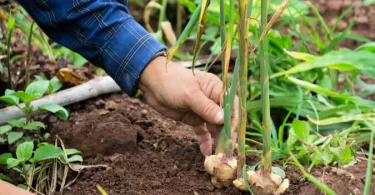
Growing your own herbs at home is rewarding, cost-effective, and perfect for adding fresh flavors to your cooking or natural remedies to your routine. For beginners, choosing low-maintenance herbal plants is the key to success. Below are 10 of the best herbal plants to grow at home, complete with care tips to help you cultivate a thriving herb garden.
Best Herbal Plants To Grow
1. Basil (Ocimum basilicum)
Basil’s sweet, aromatic leaves are a must for pesto, salads, and Italian dishes. This herb is beginner-friendly and grows quickly in warm conditions.
- Light: 6–8 hours of direct sunlight.
- Water: Water every 3–5 days, keeping soil consistently moist but not waterlogged.
- Care Tip: Pinch off flower buds to prolong leaf production.
2. Mint (Mentha)
Mint is a vigorous herb with a refreshing flavor, ideal for teas, cocktails, and desserts. Its resilience makes it perfect for new gardeners.
- Light: Bright, indirect light or partial shade.
- Water: Water every 4–6 days when the top inch of soil feels dry.
- Care Tip: Grow in a separate pot to contain its invasive roots.
3. Rosemary (Rosmarinus officinalis)
Rosemary’s pine-like flavor enhances roasts, breads, and soups. This drought-tolerant herb thrives with minimal fuss, making it great for beginners.
- Light: Full sun (6–8 hours daily).
- Water: Water every 1–2 weeks, allowing soil to dry out completely.
- Care Tip: Ensure well-draining soil to prevent root rot.
4. Parsley (Petroselinum crispum)
Parsley adds a fresh, mild flavor to soups, salads, and garnishes. It’s easy to grow and packed with nutrients, perfect for novice gardeners.
- Light: Bright, indirect light or partial sun.
- Water: Water every 4–6 days, keeping soil evenly moist.
- Care Tip: Harvest outer leaves to encourage continuous growth.
5. Thyme (Thymus vulgaris)
Thyme’s earthy flavor complements meats, vegetables, and stews. This hardy herb tolerates neglect, making it ideal for beginners.
- Light: Full sun or bright, indirect light.
- Water: Water every 1–2 weeks, letting soil dry out between waterings.
- Care Tip: Trim regularly to maintain a bushy shape.
Beginner Tips for Growing Herbs
- Choose Proper Containers: Use pots with drainage holes to avoid water buildup.
- Select Quality Soil: Opt for well-draining potting mix, ideally with perlite or sand for herbs like rosemary and oregano.
- Find a Sunny Spot: Most herbs thrive in bright light, so a south-facing windowsill is ideal.
- Harvest Wisely: Regularly trim herbs to encourage growth and prevent flowering.
- Start Small: Begin with 2–3 herbs to learn their care needs before expanding.
- Monitor Pests: Watch for pests like aphids and treat with neem oil if necessary.
Benefits of Growing Herbs at Home
Homegrown herbs provide fresh, organic flavors for your meals, save money, and offer therapeutic benefits through gardening. These 10 herbs are forgiving and easy to grow, making them perfect for beginners. Start your herb garden today and enjoy the satisfaction of nurturing your own plants!
Creative Ways to Use Your Homegrown Herbs
DIY Projects: Dry herbs like oregano or sage for homemade spice blends, or press chive flowers for craft projects.
Culinary Creations: Blend basil into pesto, steep mint for teas, or sprinkle rosemary on roasted potatoes for restaurant-quality dishes.
Herbal Infusions: Create infused oils or vinegars with rosemary, thyme, or oregano for gourmet cooking or gifting.
Natural Remedies: Brew sage or mint tea for soothing sore throats, or use parsley in detox smoothies for a nutrient boost.
Aesthetic Appeal: Arrange potted herbs on a windowsill or in decorative planters to enhance your home’s ambiance.
Conclusion
Embarking on your herb-growing journey is an exciting and rewarding adventure that brings fresh flavors, wellness benefits, and a touch of nature into your home. These 5 amazing herbal plants—basil, mint, rosemary, parsley, thyme, chives, oregano, cilantro, dill, and sage—are perfect for beginners due to their forgiving nature and simple care requirements. By starting small, choosing the right containers, and following the powerful care tips provided, you’ll cultivate a thriving herb garden in no time. Embrace the joy of growing your own herbs and transform your meals and living space with these vibrant, easy-to-grow plants. Start today and unleash the full potential of your green thumb!