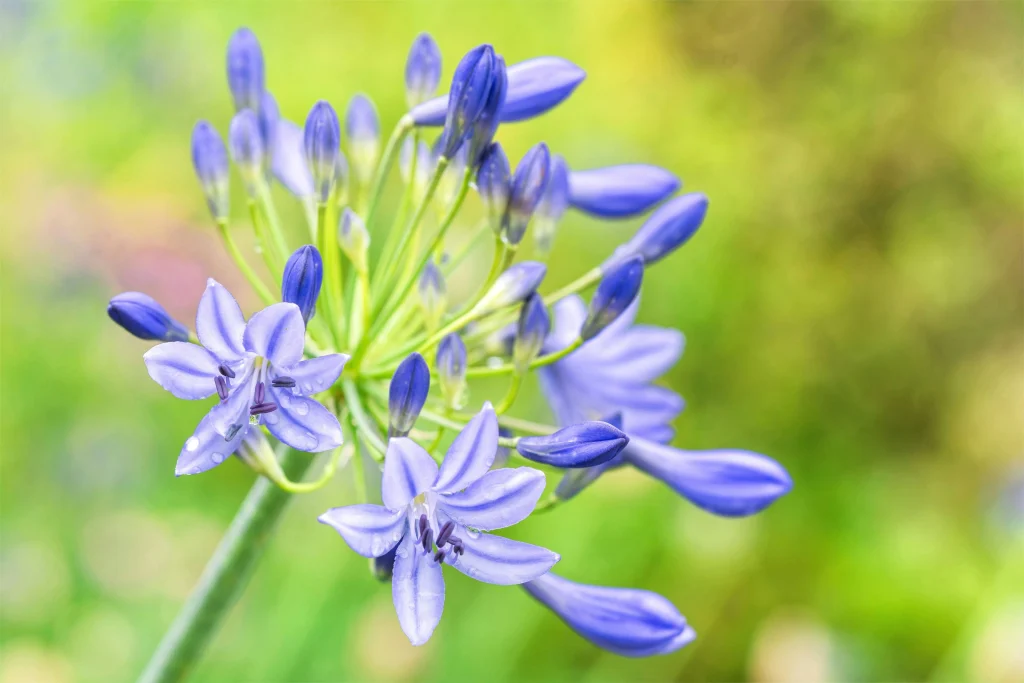
African corn lilies (Ixia spp.), also known as wand flowers, are vibrant, star-shaped blooms native to South Africa. These bulbous perennials are cherished for their dazzling displays of color pink, white, yellow, orange, or red—often with striking dark centers. Perfect for borders, rock gardens, or containers, African corn lilies are relatively easy to grow and add a touch of exotic beauty to any garden. In this blog, we’ll explore how to grow ixia flowers, including planting, care, and propagation tips to ensure a stunning floral show.
Why Grow Ixia Flowers?
African corn lilies are a gardener’s delight for several reasons:
- Vibrant Blooms: Their star-shaped flowers create eye-catching displays in late spring to early summer.
- Versatility: They thrive in garden beds, containers, or as cut flowers for arrangements.
- Low Maintenance: Once established, they require minimal care, making them ideal for beginners.
- Pollinator-Friendly: Their nectar-rich blooms attract bees and butterflies, supporting local ecosystems.
Whether you’re a seasoned gardener or a novice, African corn lilies are a rewarding addition to your landscape. Let’s dive into how to grow them successfully.
Planting African Corn Lilies
When to Plant
The best time to plant African corn lily bulbs (corms) is in early spring for most climates, or in fall in milder regions (USDA Zones 8–10). Planting in spring ensures blooms by early summer, while fall planting allows corms to establish roots before winter dormancy.
Choosing the Right Location
African corn lilies thrive in:
- Light: Full sun (6–8 hours daily) for optimal flowering. Partial shade is tolerated but may reduce blooms.
- Soil: Well-draining, sandy loam with a pH of 6.0–7.0. Avoid heavy clay soils that retain water, as this can cause corm rot.
Steps for Planting
- Prepare the Soil: Loosen the soil to a depth of 12 inches and mix in compost or well-rotted manure to improve drainage and fertility.
- Plant the Corms: Dig holes 3–4 inches deep and place corms pointy-side up, spacing them 3–5 inches apart for dense displays.
- Cover and Water: Cover with soil, firm gently, and water lightly to settle the soil. Avoid overwatering during establishment.
- Mulch: Add a thin layer of organic mulch (e.g., bark or straw) to retain moisture and regulate soil temperature.
Tips for Success
- Spacing: For a fuller look, plant corms closer together (3 inches apart). For individual clumps, use 5-inch spacing.
- Container Planting: Use a pot at least 8 inches deep with drainage holes. Fill with a mix of potting soil and sand (3:1 ratio).
Caring for African Corn Lilies
Once planted, African corn lilies are relatively low-maintenance but benefit from consistent care to thrive.
Watering
- During Growth: Keep soil consistently moist but not waterlogged during the growing season (spring to early summer). Water once or twice weekly, depending on rainfall.
- After Blooming: Reduce watering as foliage dies back, allowing corms to enter dormancy. Overwatering dormant corms can lead to rot.
Fertilizing
- Apply a balanced fertilizer (e.g., 10-10-10 N-P-K) at planting and again when flower buds form. Avoid over-fertilizing, as this can lead to excessive foliage at the expense of blooms.
- For container plants, use a liquid fertilizer monthly during the growing season.
Deadheading
- Remove spent flowers to encourage more blooms and prevent energy waste on seed production. Cut flower stalks at the base once petals fade.
Winter Care
- In Zones 8–10, corms can remain in the ground with a layer of mulch for protection.
- In colder climates (below Zone 8), dig up corms after foliage dies back, store them in a cool, dry place (50–60°F), and replant in spring.
Propagation Methods
African corn lilies can be propagated by division or seeds, with division being the most common and efficient method.
Propagation by Division
African corn lilies produce small cormlets (offsets) around the parent corm, which can be separated and replanted.
- Timing: Divide corms in fall after foliage dies back or in early spring before new growth.
- Dig Up Corms: Carefully lift the clump with a garden fork, shaking off excess soil.
- Separate Cormlets: Gently break off cormlets, ensuring each has a growing point. Discard any damaged or soft corms.
- Replant: Plant cormlets 3–4 inches deep in well-draining soil, spacing as above. Water lightly after planting.
- Care: Cormlets may take 1–2 years to produce flowers but will establish faster than seeds.
Propagation by Seeds
Growing from seeds is slower and less common but ideal for creating new hybrids.
- Collect Seeds: Harvest seeds from mature plants after flowers fade and seed pods dry out.
- Sow Seeds: In early spring, sow seeds in trays filled with a well-draining seed-starting mix. Cover lightly with soil (1/8 inch).
- Germination: Place trays in a warm (65–75°F), sunny location. Keep soil moist. Germination takes 3–6 weeks.
- Transplant: Move seedlings to individual pots or the garden when they have 2–3 true leaves. Expect blooms in 2–3 years.
Tips for Propagation
- Division: Ensure each cormlet has roots for better establishment.
- Seeds: Be patient, as seed-grown plants take longer to mature. Soak seeds in water for 24 hours before sowing to improve germination.
Common Challenges and Solutions
- Poor Flowering: Insufficient sunlight or nutrient deficiency. Move to a sunnier spot or apply a balanced fertilizer.
- Corm Rot: Caused by overwatering or poor drainage. Ensure well-draining soil and reduce watering during dormancy.
- Pests: Aphids or spider mites may appear. Use insecticidal soap or neem oil for control.
- Fungal Diseases: Prevent by avoiding overhead watering and ensuring good air circulation.
Companion Planting Ideas
African corn lilies pair beautifully with other shade-tolerant or sun-loving plants:
- Ferns: Add lush greenery to complement Ixia’s vibrant blooms.
- African Hostas: Their spotted foliage contrasts with Ixia’s delicate flowers.
- Daylilies: For a succession of blooms in mixed borders.
- Ornamental Grasses: Add texture and movement to garden beds.
Why African Corn Lilies Are Worth Growing
African corn lilies bring a burst of color and elegance to any garden with minimal effort. Their ability to thrive in sunny conditions, attract pollinators, and adapt to various settings makes them a versatile choice for gardeners. Whether you’re planting them in borders, pots, or rock gardens, their cheerful blooms will brighten your space year after year.
Start growing African corn lilies today and enjoy their vibrant beauty! For more gardening inspiration, explore our guides on companion planting or low-maintenance perennials. Happy gardening!