
Japanese maple trees (Acer palmatum) are beloved for their stunning foliage, graceful structure, and vibrant seasonal colors. With leaves ranging from deep red to bright green and intricate branching patterns, these trees are a favorite for gardens, patios, and even container planting. However, their delicate beauty requires specific care to thrive. This guide covers everything you need to know about japanese maple tree care.
Understanding Japanese Maples
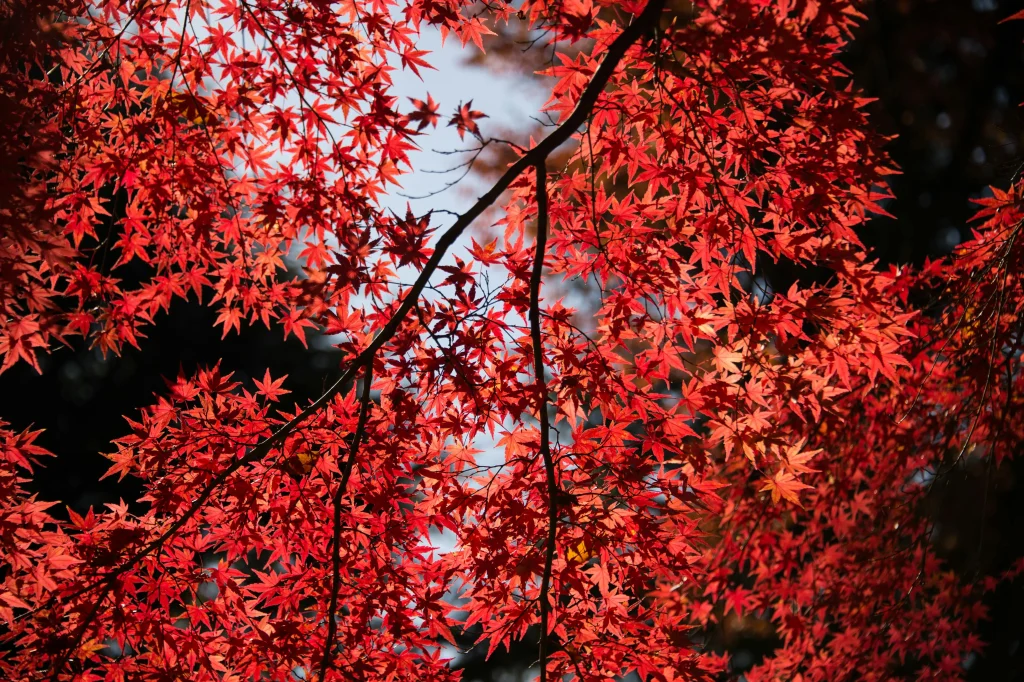
Native to Japan, Korea, and China, Japanese maples are small deciduous trees or shrubs that typically grow 10–25 feet tall, though dwarf varieties are perfect for smaller spaces. Their leaves, which can be palmate or lace-like, display a spectrum of colors, especially in fall when they turn brilliant shades of red, orange, and yellow. Proper care ensures these trees remain a stunning focal point in your landscape.
Guide to Japanese Maple Tree Care
Light Requirements
Japanese maples thrive in partial shade, ideally receiving morning sun and afternoon shade. In hotter climates, protect them from intense afternoon sun to prevent leaf scorch. Varieties with green leaves tolerate more sun, while red-leafed cultivars, like ‘Bloodgood,’ prefer shadier spots. If grown in containers, move them to a sheltered location during harsh weather to maintain optimal light conditions.
Watering Needs
Consistent moisture is key for Japanese maples, especially during their first few years. Water deeply when the top 1–2 inches of soil feel dry, typically once or twice a week, depending on climate and season. Ensure well-draining soil to avoid waterlogging, which can lead to root rot. Mulch around the base with 2–3 inches of organic material, like bark, to retain moisture and regulate soil temperature. In winter, reduce watering but don’t let the soil dry out completely.
Soil and Planting
Japanese maples prefer slightly acidic, well-draining soil rich in organic matter. A mix of loamy garden soil, compost, and sand or perlite works well. When planting, choose a site with good drainage and avoid heavy clay soils. If planting in a container, use a high-quality potting mix and ensure the pot has drainage holes. Plant the tree at the same depth as it was in its nursery container, and water thoroughly after planting.
Temperature and Climate
Japanese maples are hardy in USDA zones 5–8, tolerating temperatures as low as -20°F (-29°C) when established. Protect young trees from frost by wrapping them in burlap or moving potted trees to a sheltered area in winter. In hot climates, ensure adequate shade and humidity to prevent leaf burn. Avoid placing trees near heat-reflecting surfaces like concrete walls, which can stress the plant.
Fertilizing Your Japanese Maple
Feed Japanese maples sparingly to avoid excessive growth that weakens the tree. In early spring, apply a slow-release, balanced fertilizer (e.g., 10-10-10) or a specialized formula for acid-loving plants. Avoid high-nitrogen fertilizers, which can promote leaf growth at the expense of overall health. For container-grown trees, fertilize lightly every 6–8 weeks during the growing season (spring to early summer).
Pruning and Maintenance
Prune Japanese maples in late winter or early spring while the tree is dormant to maintain its shape and remove dead or crossing branches. Use clean, sharp pruning shears to make precise cuts, preserving the tree’s natural, elegant form. Avoid heavy pruning, as Japanese maples grow slowly and may not recover quickly. Regularly remove fallen leaves and debris from the base to prevent fungal issues.
Common Pests and Problems
Japanese maples are relatively pest-resistant but can face issues like:
- Aphids: Small insects that cause leaf curling. Treat with insecticidal soap or neem oil.
- Scale: Hard, shell-like pests on branches. Remove manually or use horticultural oil.
- Verticillium Wilt: A fungal disease causing wilting branches. Prune affected areas and improve soil drainage.
- Leaf Scorch: Brown, crispy leaf edges from too much sun or insufficient water. Adjust light and watering.
Monitor your tree regularly and address issues promptly to maintain its health.
Propagating Japanese Maples
Propagation is typically done through cuttings or grafting, though it’s challenging for beginners. To propagate via cuttings, take a 6-inch softwood cutting in early summer, dip it in rooting hormone, and plant it in a moist, well-draining medium. Keep in a humid, shaded area until roots form (6–8 weeks). Grafting, often used for specific cultivars, is best left to professionals.
Choosing the Right Variety
With hundreds of Japanese maple varieties, consider these popular ones:
- ‘Bloodgood’: Deep red leaves, grows 15–20 feet, ideal for bold color.
- ‘Sango Kaku’ (Coral Bark): Bright green leaves and striking red bark in winter, reaches 20–25 feet.
- ‘Shaina’: Compact, dwarf variety with red foliage, perfect for containers (4–6 feet).
- ‘Dissectum’ (Laceleaf): Weeping form with delicate, lacy leaves, grows 6–8 feet.
Select a variety based on your space, climate, and aesthetic preferences.
Toxicity Note
Japanese maples are non-toxic to humans and pets, making them a safe choice for family-friendly gardens. However, always discourage pets from chewing on plants to avoid digestive upset.
Final Tips for Success
- Protect from Wind: Strong winds can dry out leaves or break delicate branches. Plant in a sheltered location.
- Seasonal Care: In fall, enjoy the vibrant colors, but rake up fallen leaves to prevent pests. In winter, protect roots with mulch.
- Container Growing: For potted maples, repot every 2–3 years and ensure proper drainage to avoid root-bound issues.
- Patience: Japanese maples grow slowly, so focus on consistent care rather than rapid growth.
Conclusion
Japanese maple trees are a stunning addition to any garden or patio, offering year-round beauty with proper care. By providing the right light, water, soil, and maintenance, you can enjoy their vibrant foliage and elegant structure for decades. Whether you choose a bold ‘Bloodgood’ or a delicate ‘Dissectum,’ these trees will reward your efforts with a spectacular display of color and grace.


