Wandering Jew Plant Poisonous to Dogs
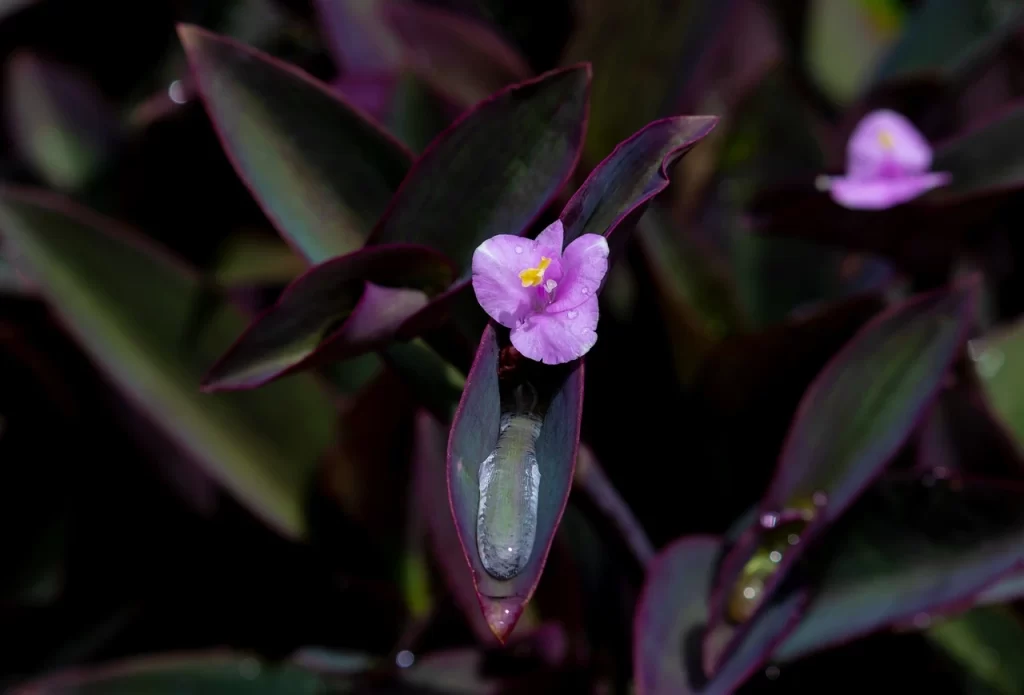
The Wandering Jew plant (Tradescantia spp.), also known as inch plant or spiderwort, is a popular houseplant admired for its vibrant purple, green, or silver-striped foliage and easy-care nature. Its trailing vines make it a favorite for hanging baskets or as ground cover in gardens. However, if you’re a dog owner, you may be concerned about whether this plant is safe for your furry friend. This blog explores, Is Wandering Jew Plant Poisonous to Dogs, symptoms to watch for, and steps to keep your pet safe.
Read: Is Silver Squill Toxic to Dogs? – Understanding the Toxicity Risk
Symptoms of wandering jew plant poisonous to dogs
- Redness and inflammation on the feet, between the toes, under the abdomen, and chest. Blisters and irritation on skin areas. Moreover, symptoms of toxicity in pets may include vomiting, diarrhea, or other signs of discomfort.
- Redness around the eyes, muzzle, and possible conjunctivitis.
- Generalized itching, loss of fur, and potential secondary infections.
Diagnosis and Treatment
In the event that you notice the symptoms mentioned earlier, seek immediate medical attention. The vet may conduct a skin scraping and blood work to identify allergies and rule out other causes. However, depending on the severity, the vet may prescribe creams or antibiotics to alleviate symptoms.
Recovery
Prompt treatment minimizes the need for extensive medications. However, keep dogs away from Wandering Jew plants to avoid recurring issues.
Safeguarding Your Pets from Wandering Jew Plants
The wandering Jew plant is famous for its ornamental beauty but is poisonous to dogs and other household animal companions if ingested. However, you can take various precautions to create a safe environment for your pets and ensure they coexist peacefully with your ornamental plants, including the Wandering Jew[1]Wandering Jew Plant Toxicity. Read.
Here’s an illustrated set of instructions on how to protect your furry household companions:
- Educate yourself about the potential dangers of Wandering Jew plants. Understand the symptoms of pet toxicity, such as vomiting, diarrhea, or lethargy.
- Place Wandering Jew plants in areas inaccessible to your pets. Consider hanging baskets or elevated shelves to prevent curious nibbling.
- Identify a section of your home as a pet-friendly zone, keeping any potentially toxic plants away from it.
- Offer safe and pet-friendly plants as alternatives to satisfy your pets’ natural curiosity for being attracted to greenery.
- Use discourage undesirable behavior around toxic household plants to keep pets away.
- If you suspect your pet has ingested Wandering Jew or is showing signs of toxicity, seek immediate veterinary assistance.

Read: ZZ Plant Toxic To Cats? A Must-Know Guide
Benefits of Wandering Jew Plants (Despite Risks)
Wandering Jew plants remain popular for their:
- Aesthetic Appeal: Vibrant foliage enhances indoor and outdoor spaces.
- Low Maintenance: Thrives in a range of light conditions and requires infrequent watering.
- Air Purification: Helps remove indoor air pollutants, though less studied than snake plants.
What to Do If You Can’t Keep Wandering Jew Plants Safe
If your dog repeatedly tries to access the plant despite precautions:
Store Temporarily: Place the plant in a pet-free area (e.g., a greenhouse) until you can create a safer setup.
Rehome the Plant: Gift it to a pet-free household or a friend.
Use Artificial Plants: Opt for a realistic-looking artificial Wandering Jew to maintain the aesthetic without risk.
Conclusion
The Wandering Jew plant (Tradescantia spp.) is considered mildly to moderately toxic to dogs. While it is not typically fatal, contact with or ingestion of the plant can cause adverse reactions such as skin irritation, redness, and itching (especially on the paws or belly), and in some cases, gastrointestinal upset like vomiting or diarrhea. Pet owners should keep this plant out of reach of dogs and consult a veterinarian if their pet shows any signs of exposure. Regular monitoring and prompt action can help prevent serious health issues.