Gardening in a small space does not mean compromising on variety or harvest. With the right planning and smart pairing, edible plant combinations for small gardens can help you grow more food, improve plant health, and reduce maintenance.

For many aspiring gardeners, the dream of a bountiful harvest is often confined by the reality of limited space. Small gardens, balconies, and even windowsills can, however, be transformed into highly productive edible oases with a little planning and the magic of companion planting. This ancient practice, rooted in observation and ecological understanding, involves strategically pairing plants to create mutually beneficial relationships. When done right, companion planting can deter pests, attract beneficial insects, improve soil health, enhance growth, and ultimately, maximize your yield in a small footprint.
Why Edible Plant Combinations Are Ideal for Small Gardens
Small gardens face unique challenges such as limited space, restricted sunlight, and soil nutrient depletion. Strategic plant combinations solve many of these issues.
Key Benefits
- Space maximization: Tall plants provide shade for smaller ones
- Fewer pests: Some plants repel harmful insects naturally
- Healthier soil: Nitrogen-fixing plants enrich the soil
- Lower maintenance: Reduced need for fertilizers and pesticides
When done correctly, companion planting turns a small garden into a self-supporting ecosystem.
Best Edible Plant Combinations for Small Gardens
1. Tomatoes and Basil
This is one of the most popular and effective edible plant combinations.

Why it works:
- Basil repels pests like aphids and whiteflies
- Improves tomato flavor
- Both plants have similar water and sunlight needs
Best for: Pots, raised beds, balconies
2. Carrots and Onions
This underground pairing works beautifully in tight spaces.

Why it works:
- Onion scent repels carrot flies
- Carrots loosen soil, helping onion roots
- Minimal competition above ground
Best for: Narrow beds, deep containers
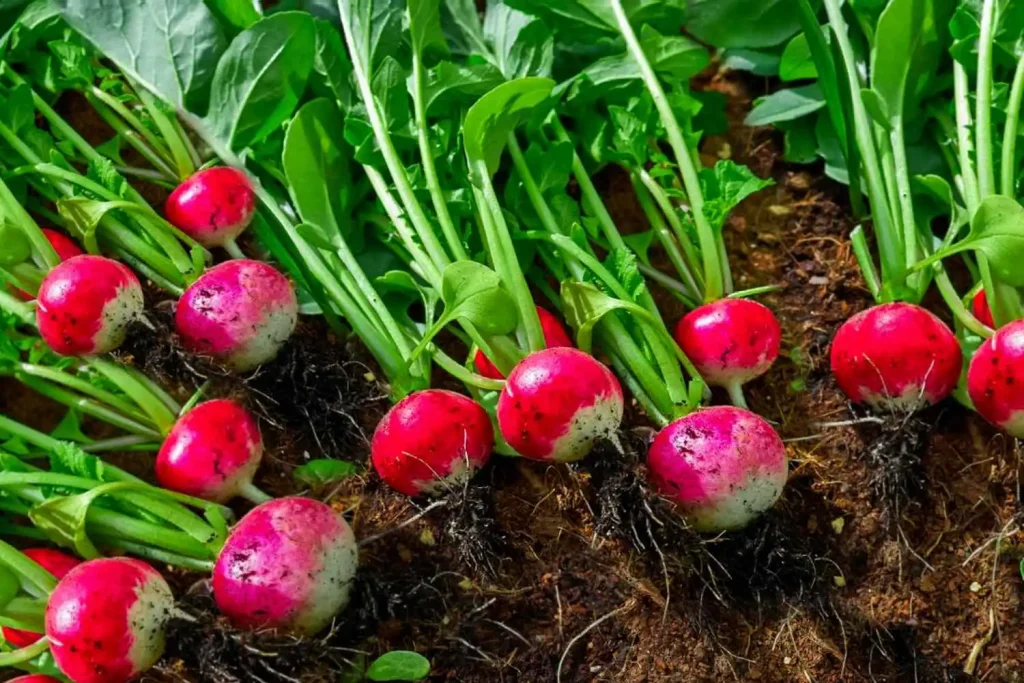
3. Lettuce and Radishes
Perfect for quick harvests in small gardens.
Why it works:
- Radishes grow fast and loosen soil
- Lettuce benefits from improved soil aeration
- Efficient use of growing time
Best for: Shallow containers, window boxes
4. Spinach and Strawberries
A smart leafy-and-fruit combination.

Why it works:
- Spinach acts as living mulch
- Keeps soil cool and moist
- Strawberries spread while spinach grows upright
Best for: Raised beds and ground-level gardens
5. Corn, Beans, and Squash (Mini Version)
Even small gardens can adapt this traditional trio.

Why it works:
- Corn provides support for beans
- Beans fix nitrogen in the soil
- Squash shades soil and suppresses weeds
Best for: Compact raised beds with careful spacing
6. Peppers and Herbs (Oregano, Thyme)
Herbs are excellent companions in limited spaces.

Why it works:
- Herbs repel pests
- Attract beneficial insects
- Do not compete heavily for nutrients
Best for: Containers and vertical gardens
7. Cucumber and Dill
This combination improves pollination and plant health.
Why it works:
- Dill attracts pollinators
- Cucumber vines benefit from insect diversity
- Efficient vertical growth
Best for: Trellises and balcony setups
How to Plan Edible Plant Combinations in Small Gardens

1. Understand Plant Height
Place taller plants at the back or center to avoid shading smaller crops excessively.
2. Match Water and Sun Needs
Only pair plants with similar requirements to prevent stress and uneven growth.
3. Use Vertical Space
Trellises, hanging baskets, and wall planters allow more combinations in less ground area.
4. Rotate Crops
Avoid planting the same combinations in the same spot every season to maintain soil health.
Troubleshooting Table: Edible Plant Combinations for Small Gardens
| Problem | Possible Cause | Solution |
|---|---|---|
| Plants growing slowly | Nutrient competition | Reduce density and add compost |
| Yellowing leaves | Poor pairing or nitrogen deficiency | Introduce nitrogen-fixing plants |
| Pest infestation | Ineffective companion selection | Add pest-repelling herbs |
| Wilting plants | Different water needs | Reorganize plant combinations |
| Poor fruiting | Lack of pollinators | Add flowering companion plants |
| Mold or fungus | Poor airflow | Increase spacing and prune plants |
| Roots tangled | Incompatible root depths | Separate deep and shallow-root plants |

Final Thoughts
Growing food in a limited space is not a limitation, it’s an opportunity to garden smarter. By using powerful edible plant combinations for small gardens, you can increase productivity, improve plant health, and create a balanced, sustainable growing environment.
Whether you garden on a balcony, rooftop, or compact backyard, companion planting allows you to grow more food with less effort. Start small, observe your plants, and refine your combinations each season for the best results.