Here’s nothing quite like the spring blooming flowers pushing through the soil after a long winter. Those vibrant tulips, cheerful daffodils, and fragrant hyacinths don’t just signal warmer days ahead, they feed our souls and transform our gardens into living works of art.
But here’s a secret many beginners don’t know: creating a spectacular spring garden is much easier than it looks. With the right knowledge and a few simple techniques, you can enjoy months of breathtaking color with minimal effort.
This guide will walk you through everything from choosing the right bulbs to creating stunning combinations that will make your garden the envy of the neighborhood. Whether you have acres of land or just a few containers on a balcony, you can create a spring spectacle that lifts your spirits day after day.

Why Spring Blooming Flowers Deserve a Spot in Your Garden
Beyond their obvious beauty, spring flowers offer practical benefits that make them garden must-haves:
Early Pollinator Support: When bees and butterflies emerge from hibernation, early bloomers like crocus and hellebores provide crucial food sources1. You’re not just growing flowers, you’re supporting the ecosystem.
Low Maintenance Magic: Most spring bulbs are perennial, meaning they’ll return year after year with minimal care. Plant once, enjoy for decades, now that’s a great gardening investment!
Psychological Boost: Multiple studies show that exposure to flowers reduces stress and increases happiness. Your spring garden isn’t just pretty, it’s therapy.
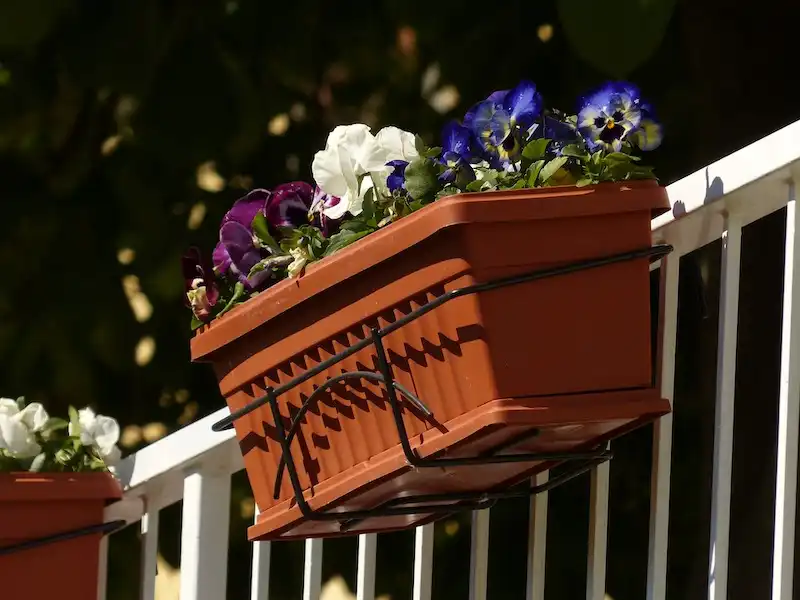
Perfect for Small Spaces: Many spring bloomers are compact enough for containers, window boxes, or tiny garden beds. No space is too small for a little spring magic.
The Ultimate Spring Flower Comparison Table

| Flower | Planting Time | Bloom Time | Height | Light Needs | Special Features |
|---|---|---|---|---|---|
| Tulips | Fall | Mid-Late Spring | 6-24 inches | Full Sun | Massive color variety, great for cutting |
| Daffodils | Fall | Early-Mid Spring | 6-30 inches | Full Sun to Part Shade | Deer-resistant, naturalize over time |
| Crocus | Fall | Late Winter-Early Spring | 3-6 inches | Full Sun to Part Shade | Earliest bloomers, great for lawns |
| Hyacinths | Fall | Mid-Spring | 8-12 inches | Full Sun to Part Shade | Incredible fragrance, compact growth |
| Alliums | Fall | Late Spring | 12-48 inches | Full Sun | Dramatic spherical blooms, deer-proof |
| Pansies | Fall or Early Spring | Early Spring through Summer | 6-9 inches | Full Sun to Part Shade | Continuous blooms, edible flowers |
| Hellebores | Fall or Spring | Late Winter-Early Spring | 12-24 inches | Part to Full Shade | Evergreen foliage, deer-resistant |
| Muscari | Fall | Mid-Spring | 6-8 inches | Full Sun to Part Shade | Naturalize easily, grape-like clusters |
Step-by-Step: Planting Spring Bulbs for Guaranteed Success
When to Plant
The golden rule for spring-blooming bulbs: get them in the ground in fall, ideally 6-8 weeks before the ground freezes. This gives them time to establish roots before winter. In most regions, this means September through November.
Pro Tip: If you forgot to plant in fall, many garden centers sell pre-cooled bulbs in spring that you can plant for immediate blooms.
How to Plant Bulbs Perfectly Every Time
- Choose the right location: Most spring bulbs need well-drained soil and at least 6 hours of sun daily
- Prepare the soil: Work in 2-3 inches of compost to improve drainage and nutrition
- Dig properly: The general rule is to plant bulbs 2-3 times as deep as the bulb is tall
- Place correctly: Position bulbs with the pointy end up (if you can’t tell, plant them sideways)
- Water thoroughly: After planting, give them a good drink to settle the soil and trigger root growth

Don’t make this common mistake: Avoid planting in single-species clusters. Instead, plant in drifts of 10-15 bulbs for natural-looking impact.
Designing Your Spring Garden for Maximum Impact
Create Continuous Bloom
The secret to months of color? Layer your planting by bloom time:
Early Spring: Crocus, snowdrops, and hellebores start the show
Mid-Spring: Daffodils, tulips, and hyacinths take over
Late Spring: Alliums, late tulips, and pansies keep the color coming
Color Combinations That Work Every Time
- Classic Elegance: White daffodils with purple hyacinths
- Sunny Celebration: Yellow tulips with blue muscari
- Romantic Charm: Pink tulips with white pansies
Don’t Forget Foliage!
Spring-flowering bulbs often have short-lived foliage. Plant them among perennials like hostas or ferns that will emerge later to hide the dying leaves.
Essential Care Tips for Healthy Spring Flowers
Watering Wisdom
Spring bulbs need consistent moisture during their growth and blooming period. Water deeply once a week if rainfall is insufficient. Container plantings may need more frequent watering.
Feeding for Future Blooms
After flowering, bulbs are storing energy for next year. Apply a balanced, slow-release fertilizer as blooms fade to ensure a great show next spring.
The Critical Post-Bloom Rule
Resist the urge to cut back foliage until it has yellowed completely. Those leaves are photosynthesizing and storing energy for next year’s flowers. Instead, braid or fold leaves neatly if they bother you.
Common Spring Flower Problems (And Easy Solutions)

Squirrels eating your bulbs? Plant daffodils and alliums—squirrels avoid them. For tulips, lay chicken wire over newly planted areas.
Flopsy stems? Ensure adequate sun and plant in well-drained soil. Heavy, wet soil causes rot.
Poor blooming? Most likely caused by insufficient sun, cutting foliage too early, or overcrowded bulbs that need dividing.
Pro Tip: The Royal Horticultural Society recommends deadheading spent flowers but leaving the stems intact to allow energy transfer back to the bulb.
Beyond Bulbs: Other Easy Spring Bloomers
While bulbs get most of the attention, these plants deserve space in your spring garden:
Pansies and Violas: These cheerful faces handle light frosts and bloom continuously from early spring through summer. Their edible flowers make beautiful salad garnishes.
Hellebores (Lenten Roses): These shade-loving perennials bloom incredibly early and offer evergreen foliage year-round. New varieties come in stunning colors and patterns.

Forget-Me-Nots: These self-seeding beauties create clouds of blue flowers that naturalize beautifully in partially shaded areas.
Your Spring Garden Planning Checklist
- Assess your space: Note sun patterns and soil conditions
- Choose your palette: Select colors and varieties that work together
- Shop early: The best bulb selection happens in early fall
- Prepare soil: Add compost before planting
- Plant properly: Remember depth and spacing requirements
- Mark locations: Label where you’ve planted so you don’t disturb bulbs later
- Enjoy the show: Take photos and note what works for next year
Conclusion: Your Spectacular Spring Garden Awaits
Growing spring flowers is one of gardening’s most rewarding experiences. That first crocus pushing through snow, the cheerful daffodils waving in spring breezes, the breathtaking tulips in full glory, these moments make all the effort worthwhile.
Remember that gardening is a journey, not a destination. Even experienced gardeners learn something new each season. Start small if you’re new, experiment with combinations, and don’t be afraid to make mistakes. Every great gardener has buried bulbs upside down or planted in the wrong spot.
Your beautiful spring garden begins with a single bulb planted at the right time. This fall, when you’re planting, remember that you’re not just putting flowers in the ground, you’re planting hope and anticipation for the beautiful show to come.
Ready to start planning? Download our free spring garden planning worksheet and join our newsletter for seasonal gardening tips!