Are the little black flies that swarm your houseplants when you water them too much getting to you? You’re dealing with fungus gnats; one of the most commonly encountered indoor plant pests, they’re not as harmless as they appear, as the larvae feed on roots and organic materials/soil that is always wet causing stress to your plants, and even causing yellowing leaves and stunted growth.
The good news? You can get rid of fungus gnats in an environmentally safe way, quickly!
In this guide, you will be able to find solutions for your houseplant insect problem that are effective and safe for your plant based on trials performed by actual gardeners, including; drying out the soil, using Bti (mosquito bits), sticky traps, etc.
Whether you have a Monstera, pothos, or fiddle leaf fig suffering from fungus gnat infestations, all you have to do is follow the steps outlined in this guide and your plants will be back to normal soon! Together, we can bring your houseplant collection back to life.
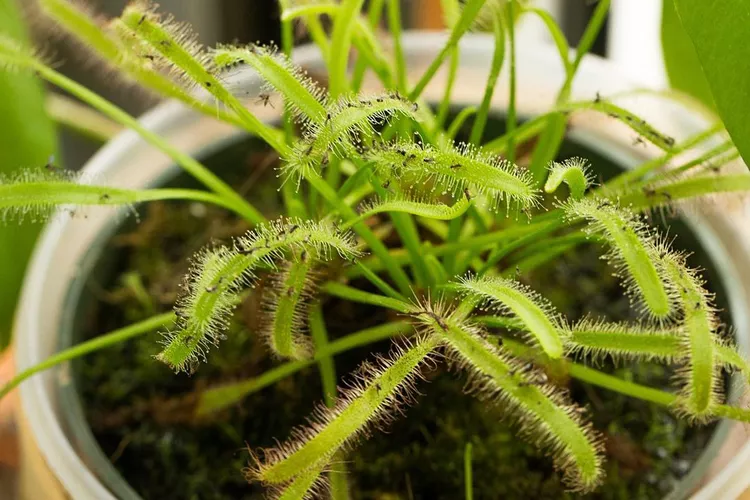
Fast & Easy Natural Ways to Eliminate Fungus Gnats
The secret to fast elimination: Attack both adults (to stop egg-laying) and larvae (to end the next generation). One method alone rarely works – combine 2–3 for best results.
1. Let the Soil Dry Out (The #1 Fastest Prevention Step)
When the top 1-2 inches of soil dries out, fungus gnat larvae quickly perish because they are unable to withstand dry conditions.
- Use a moisture meter or your finger to check the soil; water only when the top two inches are dry.
- This is simple for the majority of houseplants, such as succulents, snake plants, and ZZ plants. Use a well-draining mix or bottom-water for thirstier plants (such as peace lilies and ferns).
- Pro tip: Watering from the bottom (putting the pot in a saucer of water) hydrates the roots while keeping the surface dry.
Many gardeners report 70–90% reduction in adults within 7–10 days just from drying soil.
2. Yellow Sticky Traps – Catch Adults Instantly
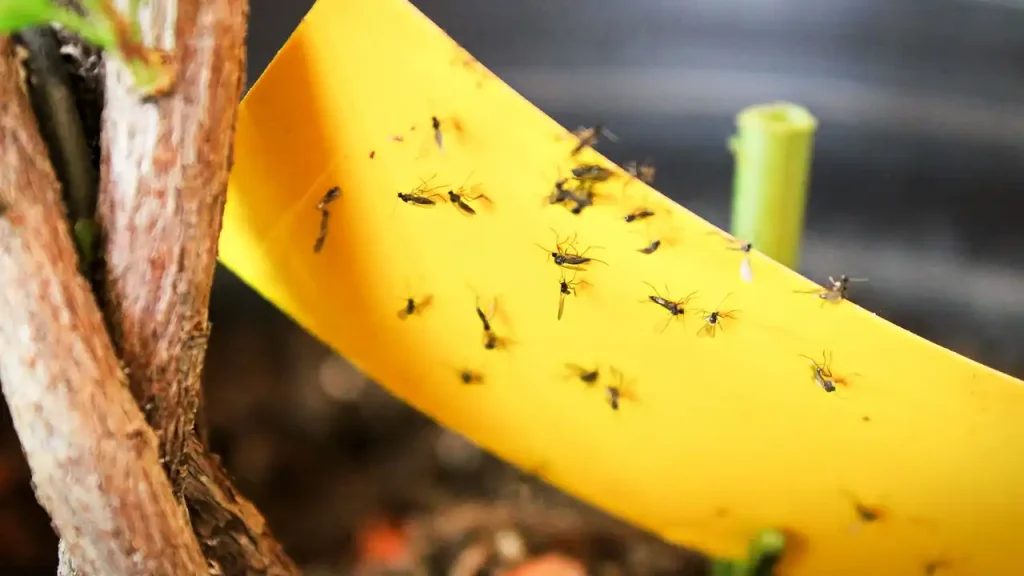
Adults are drawn to yellow. Sticky traps trap them before they lay more eggs.
- Place yellow sticky stakes or cards right above soil level.
- Use 1–2 per pot; replace when covered.
- DIY option: Cut yellow paper, coat with petroleum jelly, stick in soil.
This method reduces adult population fast – often visible drop in days.
3. Bti (Bacillus thuringiensis israelensis) – The Gold Standard Larvicide
Bti is a natural soil bacterium (found in Mosquito Bits/Dunks) that kills gnat larvae on contact – safe for plants, pets, humans.
- Crumble ¼–½ Mosquito Dunk into watering can; let sit overnight.
- Water plants normally – repeat every 2–4 weeks for 2–3 months (full life cycle coverage).
- Alternative: Steep Mosquito Bits in water, strain, and drench soil.
This is the most recommended method in recent gardener reports – often clears infestations in 2–4 weeks.
4. Hydrogen Peroxide Soil Drench – Quick Larvae Killer
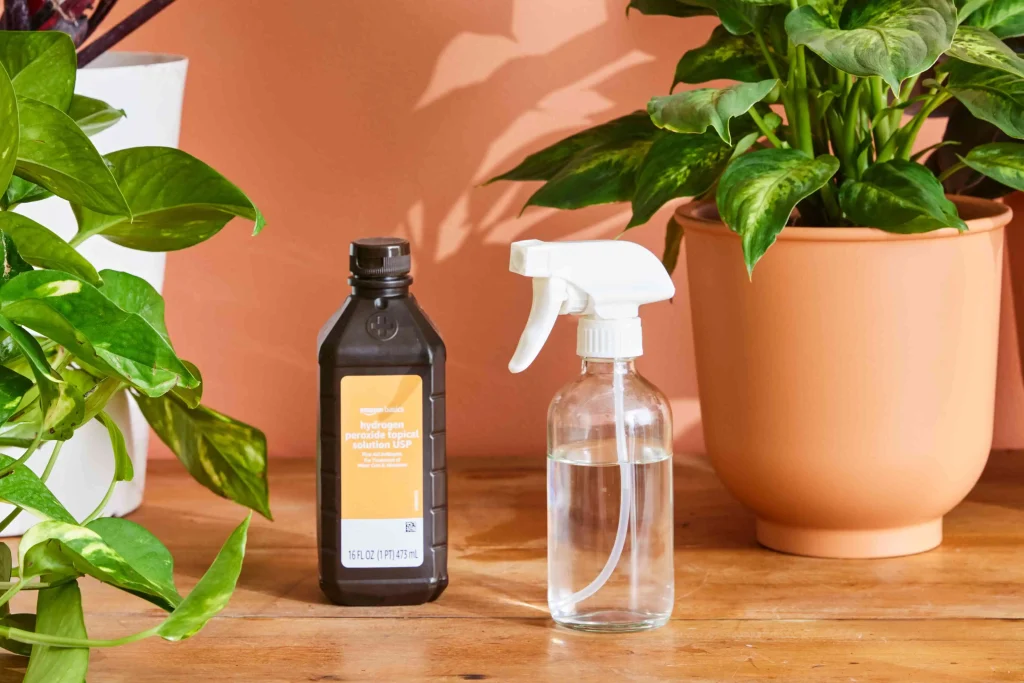
3% hydrogen peroxide bubbles on contact, killing larvae and aerating soil.
- Mix 1 part 3% H2O2 to 3–4 parts water.
- Water thoroughly until it drains out bottom.
- Use once, then switch to drying/Bti for prevention.
Great for immediate knockdown – many see fewer flies in days.
5. Cinnamon or Chamomile – Natural Fungus Disruptors
Larvae feed on soil fungi – starve them by reducing fungi.
- Sprinkle ground cinnamon generously on soil surface; lightly work in.
- Or brew strong chamomile tea (cool), use as drench.
Both are antifungal and safe – repeat weekly.
6. Sand/Gravel Top Dressing – Physical Barrier
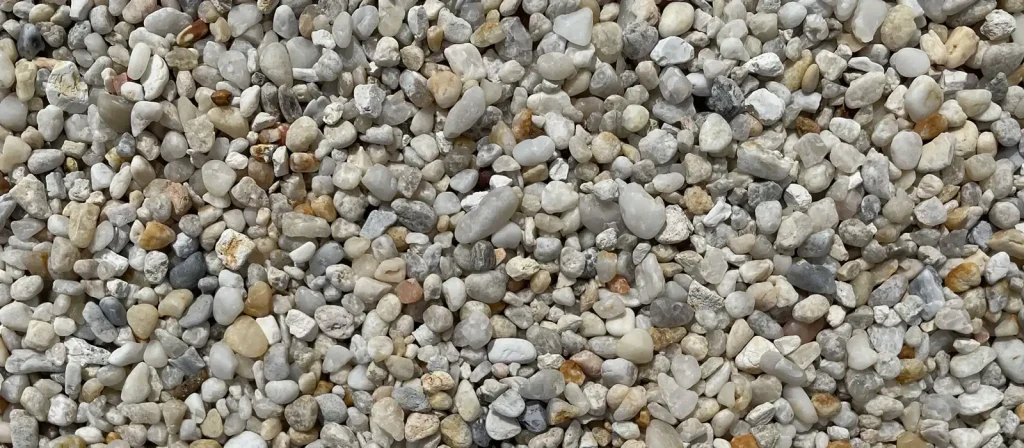
Cover soil with ½–1 inch layer of coarse sand, gravel, or decorative stones.
- Prevents adults from laying eggs in soil.
- Keeps surface dry; looks nice too.
Combine with drying for strong prevention.
7. Apple Cider Vinegar Traps – Adult Trap Backup
- Fill shallow dish with apple cider vinegar + few drops dish soap; cover with plastic wrap poked with holes.
- Gnats drown attracted to scent.
8. Neem Oil or Insecticidal Soap – Foliage & Soil Spray
- For heavy cases: Spray diluted neem or soap on soil and leaves (test first).
- Targets adults and deters egg-laying.

Step-by-Step Action Plan to Eliminate Fungus Gnats Fast
- Isolate infested plants.
- Set yellow sticky traps everywhere.
- Let top 2 inches soil dry out completely.
- Apply Bti drench (Mosquito Bits) every watering for 1–2 months.
- Optional: One-time H2O2 drench + cinnamon sprinkle.
- Add sand top layer.
- Monitor traps – when no new gnats in 2 weeks, you’re winning!
- Prevent: Always use well-draining soil; quarantine new plants; check soil before watering.
Troubleshooting Common Fungus Gnat Issues – Quick Table
| Problem | Symptoms / Signs | Likely Cause | Fast Fix / Solution |
|---|---|---|---|
| Gnats still flying after 2 weeks | Adults persist despite traps | Larvae still hatching | Continue Bti every watering; dry soil more aggressively; add H2O2 drench |
| Plants wilting/yellowing | Droopy leaves, slow growth | Larvae root damage + overwatering | Dry soil top 2″; repot in fresh mix if severe; use Bti; reduce watering |
| Traps catch few but gnats remain | Traps empty but flies seen | Adults hiding or new eggs | More traps near windows/plants; cinnamon sprinkle; check for overwatered pots |
| Soil stays wet too long | Constant moisture even after drying attempt | Poor drainage, dense soil | Repot with perlite-heavy mix; bottom water only; add sand top layer |
| New plants bring gnats | Gnats appear after adding plant | Eggs/larvae in nursery soil | Quarantine new plants 2–4 weeks; inspect soil; treat with Bti immediately |
| H2O2 causes fizzing/foaming | Bubbles in soil | Normal reaction (kills larvae) | Normal – let drain; don’t overuse (once is enough) |
| Cinnamon not working | Gnats persist after sprinkle | Not enough coverage or fungi remain | Reapply weekly; combine with drying + traps |
| Plants stressed from drying | Leaves droop or wrinkle | Too dry for plant type | Bottom water; choose drought-tolerant plants; monitor closely |
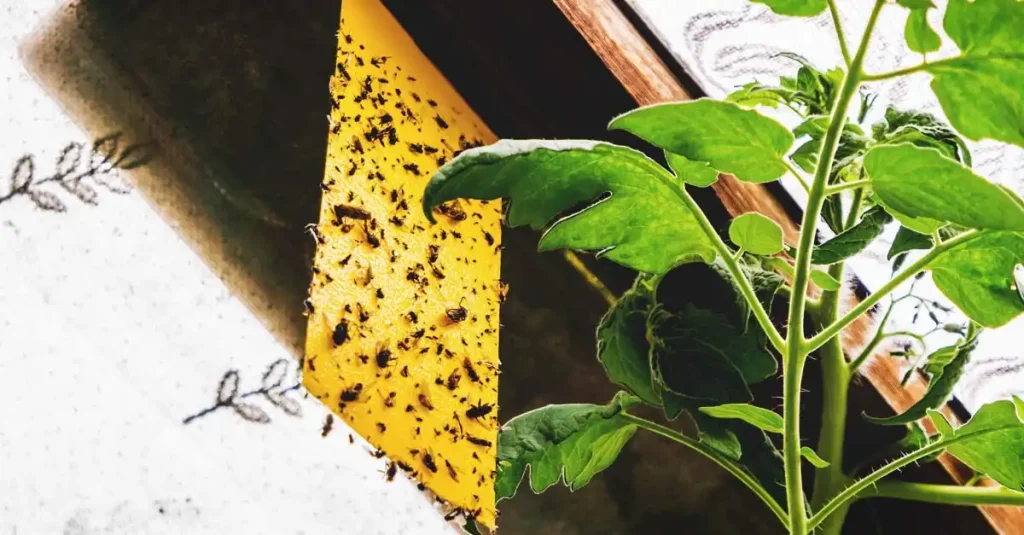
Final Thoughts: Say Goodbye to Fungus Gnats for Good!
Although they are bothersome, fungus gnats do not kill plants. Most infestations go away in two to four weeks with regular soil drying, Bti, and sticky traps. Combine techniques for the quickest results and take pleasure in houseplants free of fungus gnats!
Which approach did you find most effective? Have you tried cinnamon or BTI? Let’s support one another in keeping our plant babies flourishing by sharing your successes (or horror stories) in the comments!
Your collection will soon be free of gnats. Happy plant parenting!