When the cold months arrive, most gardeners assume their plants don’t need much water. But in reality, winter watering is just as important as summer care only the approach changes. Watering your plants efficiently in cold weather can protect them from frost, root damage, and dehydration caused by dry air and chilly winds.

In this guide, you’ll learn how to water plants efficiently in cold months, including the best techniques, timing, and practical tips to keep your garden healthy all winter long.
Why Winter Watering Matters?
Even in cold months, plants continue to breathe and use water, though at a slower rate. The misconception that plants don’t need water in winter often leads to root stress and dehydration.
Here’s why efficient watering in winter is essential:
- Prevents Root Damage:
Cold winds and frost can draw moisture from the soil, leaving roots dry and fragile. - Supports Evergreen Plants:
Evergreen trees, shrubs, and perennials continue photosynthesis year-round and require consistent moisture. - Protects Against Freeze Damage:
Properly watered soil holds warmth better than dry soil, helping to shield roots from frost. - Prepares for Early Spring Growth:
Well-hydrated plants in winter are stronger and bounce back faster when the growing season returns.
Understanding How Cold Weather Affects Watering
During the cold months, the rate of evaporation decreases, and plants’ water uptake slows. The soil may stay damp longer, but freezing temperatures can make surface water unavailable to roots.
A few key things to remember:
- Snow is not enough. A layer of snow might seem like it waters plants, but it often doesn’t provide sufficient moisture.
- Frozen soil = no water absorption. Roots can’t take up water if the soil is frozen solid.
- Cold air is dry air. Despite the cold, low humidity still dehydrates leaves and stems.
Best Time to Water Plants in Cold Months
Timing is everything when it comes to watering in winter.
- Water on warmer days:
Choose days when the temperature is above 5°C (40°F) and the ground isn’t frozen. - Morning is best:
Watering in the morning allows moisture to soak in before nightfall, reducing the risk of freezing around roots. - Avoid evening watering:
Cold nights can cause water to freeze around plant bases, leading to root damage.
Tips to Water Plants Efficiently for Cold Weather
Let’s explore practical and efficient methods to water plants during the cold months.
1. Deep Watering
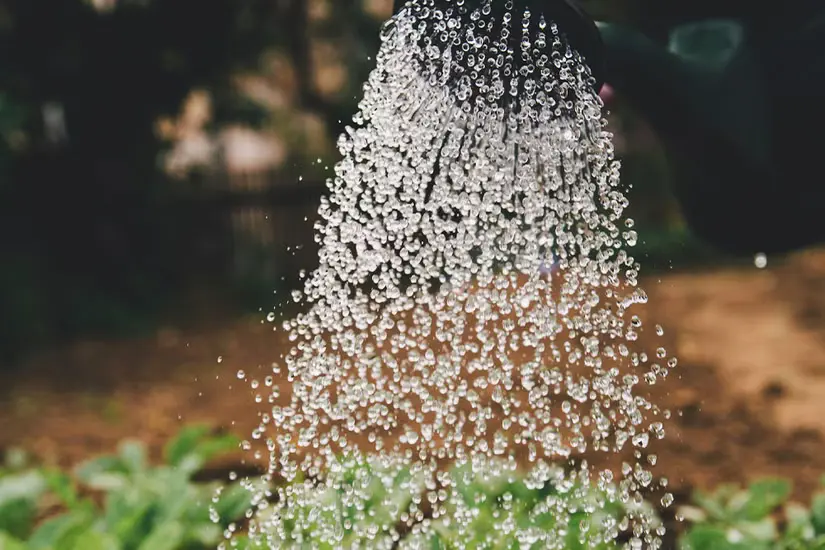
Instead of light daily watering, water deeply once every two to three weeks. Deep watering ensures moisture reaches the root zone, where it’s needed most.
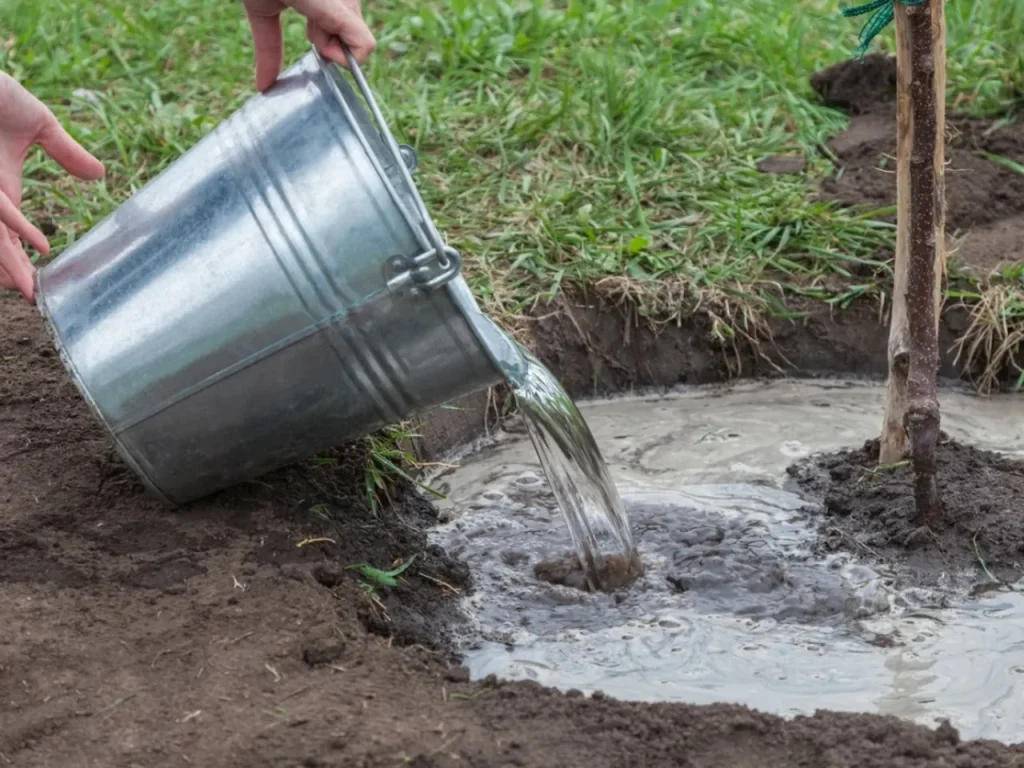
Tip: Use a slow trickle from a hose or a drip irrigation system for better absorption.
2. Use Mulch as a Moisture Shield
A thick layer of organic mulch (like straw, shredded leaves, or wood chips) helps the soil retain moisture and prevents freezing.
Benefits of mulching:
- Reduces evaporation
- Keeps soil temperature stable
- Protects roots from frost
Spread 2–3 inches of mulch around plants but avoid piling it against stems to prevent rot.
3. Check Soil Moisture Before Watering
Overwatering can be just as harmful as underwatering in cold weather. Always check the soil first.
How to test:
- Insert your finger about 2 inches into the soil.
- If it feels dry, it’s time to water.
- If it’s damp, wait a few more days.
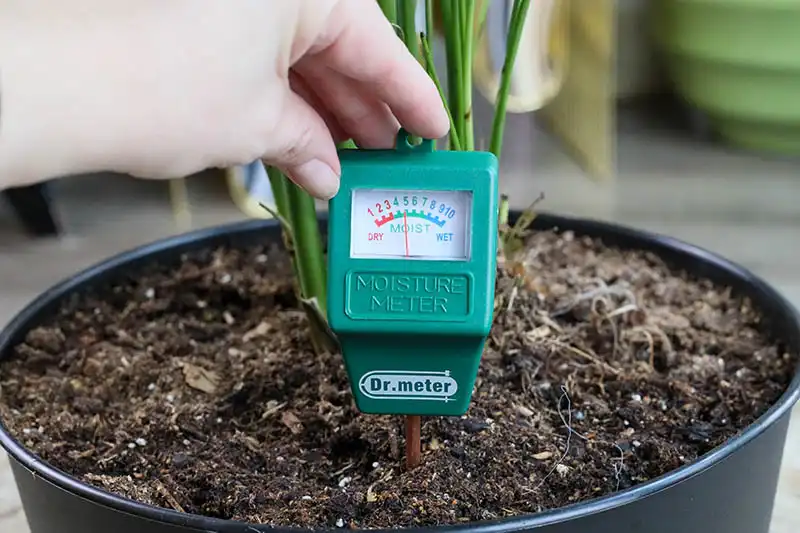
You can also use a moisture meter for more accuracy.
4. Use Lukewarm (Not Hot) Water
When watering during very cold spells, slightly lukewarm water (not hot) can prevent shocking the roots. It also helps melt any frost on the soil surface.
Just ensure the water is room temperature, never boiling.
5. Focus on the Root Zone, Not the Leaves
In cold months, aim water directly at the soil rather than spraying leaves. Wet leaves can freeze overnight, causing tissue damage.
6. Adjust Frequency by Plant Type
Different plants have different winter watering needs.
| Plant Type | Watering Frequency | Notes |
|---|---|---|
| Evergreen shrubs | Every 2–3 weeks | Needs consistent moisture |
| Deciduous trees | Once a month | Water only during dry spells |
| Potted plants | Every 1–2 weeks | Soil dries faster in containers |
| Succulents | Rarely | Water sparingly to avoid rot |
7. Use Drip Irrigation or Soaker Hoses
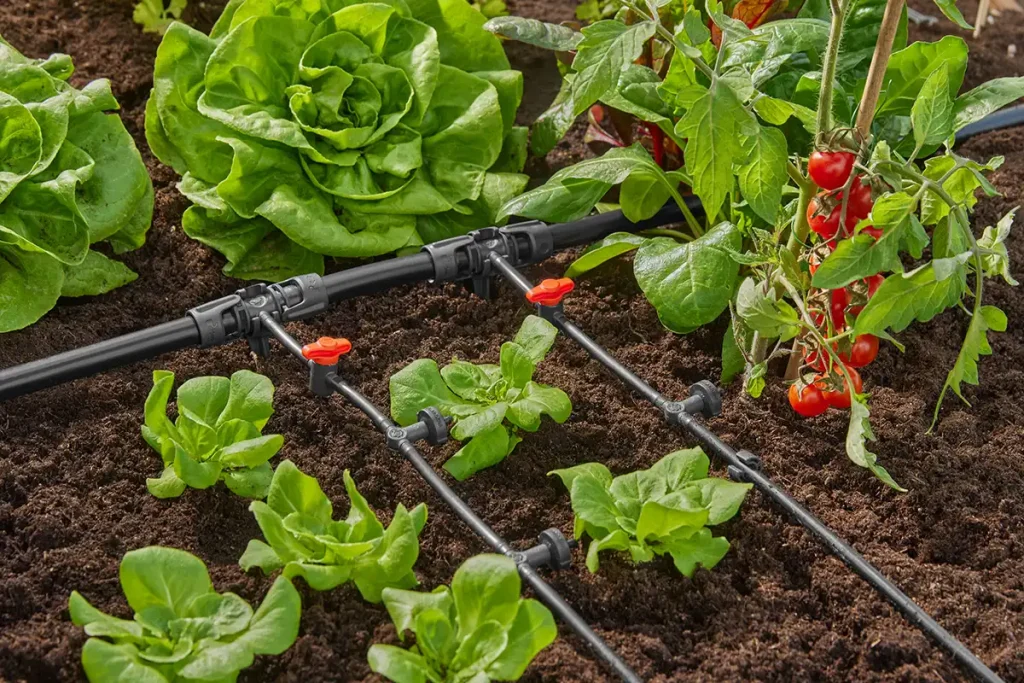
Drip systems deliver water slowly and directly to roots, minimizing waste. In winter, this method is ideal because it avoids splashing water on leaves or stems that might freeze.
Pro Tip: Drain hoses after use to prevent freezing and cracking.
Special Tips for Potted and Indoor Plants
Cold air, indoor heating, and less sunlight can stress potted and indoor plants too.
Here’s how to water them efficiently:
- Group plants together to create a humid microclimate.
- Reduce watering frequency but keep humidity up.
- Use well-draining soil to prevent root rot.
- Avoid letting water sit in saucers under pots.

Final Thoughts
Watering plants in cold months is all about balance and timing. Plants need enough moisture to stay hydrated but not so much that roots drown in cold, soggy soil.
By following these efficient watering tips, you’ll:
- Protect roots from winter damage
- Conserve water
- Encourage healthy growth for spring
Remember, a little care during the cold months goes a long way in keeping your garden strong, green, and ready to flourish once warmth returns.