Growing food when the weather turns cold feels like a real challenge for many gardeners. But what if you could harvest fresh vegetables straight from your garden all winter long? Learning about winter crops lets us extend our growing seasons far beyond the usual spring and summer, boosting local food supplies and cutting down on food travel. This growing interest in year-round farming means more fresh food for everyone, even when temperatures drop.

When we talk about crops “surviving freezing temperatures,” it means they can handle cold without dying. Some plants just go dormant, waiting for warmer days. Others are truly hardy, able to keep growing even when it’s icy. Discovering these tough plants opens up new ways to garden, giving us tasty harvests with fewer worries about frost. Imagine the savings and the unique flavors these resilient plants bring to your table.
Understanding Cold Hardiness in Plants
Plants have amazing ways to deal with the cold. They don’t just “shiver” their way through winter; they have built-in survival tools. Knowing how plants cope with freezing temperatures helps us pick the best ones for our winter gardens. This science helps us understand which crops can truly brave the chill.
The Science of Frost Tolerance
Many plants avoid ice crystals forming inside their cells, which is usually deadly. They do this by making their cells dehydrate, pushing water into spaces between the cells. Here, ice can form without harming the plant. Other plants use natural “antifreeze” substances, like sugars and proteins, which lower the freezing point of their cell sap. This is called supercooling, keeping water liquid even below zero. Some plants are merely frost tolerant, meaning they can bounce back from a light freeze. Others show true freeze tolerance, handling much colder temps and often even snow.

Factors Influencing Cold Hardiness
How well a plant handles cold depends on a few things. Older, more mature plants often stand up to frost better than young seedlings. Acclimatization, or “hardening off,” also helps a lot. This means slowly exposing plants to colder weather over time so they can adapt. Soil moisture plays a role too; moist soil holds heat better than dry soil. Most important, though, is picking the right variety for your climate, guided by your local USDA Plant Hardiness Zone map. These zones tell you the average coldest winter temperature in your area.
Top Winter Crops for Freezing Climates
Ready to discover which vegetables are winter warriors? These crops don’t just survive the cold; they often thrive in it. With a little know-how, you can enjoy fresh produce even when snow covers the ground. Let’s look at some of the best choices for your cold-weather garden.
Hardy Leafy Greens
Leafy greens are some of the easiest plants to grow through winter. Spinach, kale, and collard greens are especially tough. Arugula and Swiss chard also do well in chilly weather, though they might need a bit more protection. You can plant these in late summer for a fall harvest, or in fall to overwinter for an early spring crop.
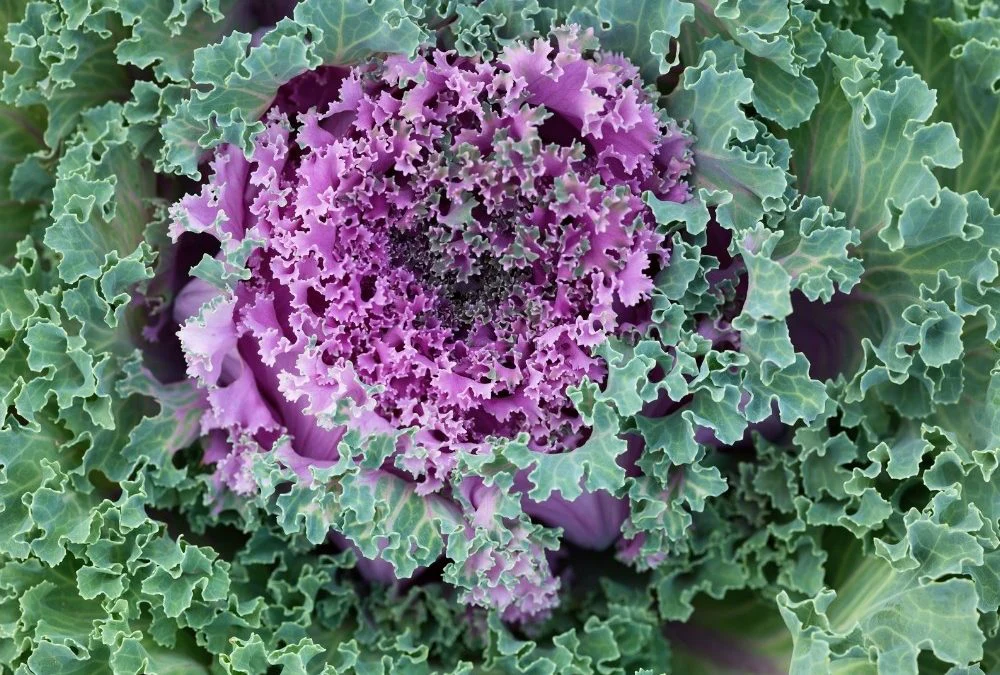
- Spinach: Can handle temperatures down to 15°F (-9°C). Many communities, particularly in the Pacific Northwest, are known for their successful winter spinach harvests. Just snip the outer leaves to keep the plant growing new ones.
- Kale: This superfood laughs at cold, often tasting sweeter after a light frost. It tolerates temperatures down to 10°F (-12°C). Cut the lower leaves first, leaving the top to continue growing.
- Collard Greens: Like kale, collards get sweeter with a touch of cold. They can stand temperatures in the low teens. Harvest them similarly to kale, taking the outer leaves.
Root Vegetables for Winter Storage and Harvest
Root vegetables are champions of cold weather, often improving in flavor. Carrots, parsnips, beets, turnips, and radishes can all handle freezing temps. The cold actually turns starches into sugars in their roots, making them taste much sweeter. Plant these for a late fall harvest or leave them in the ground to dig up throughout winter.
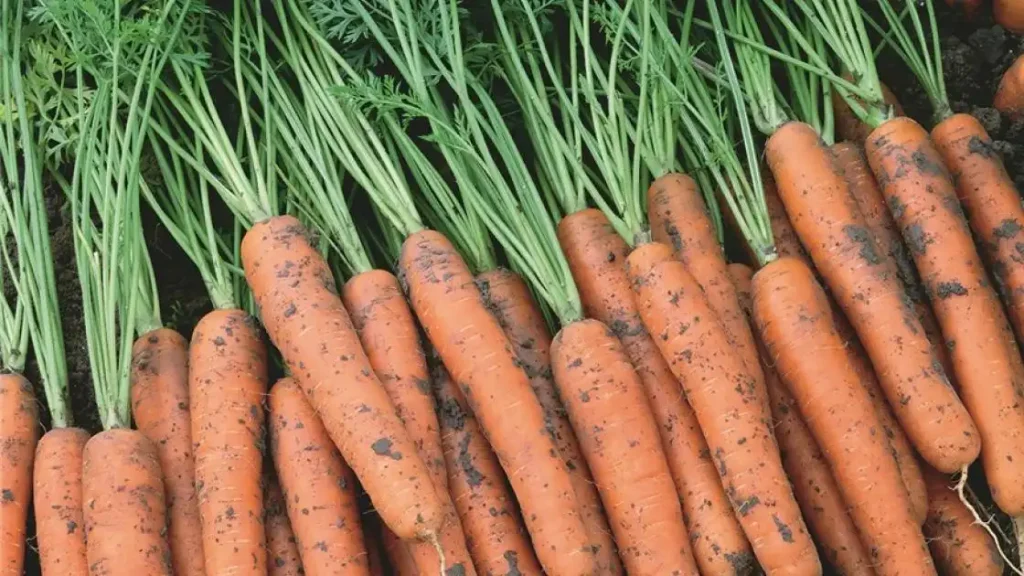
- Carrots and parsnips taste incredible after a good frost. You can leave them in the ground and harvest them as needed, even pulling them from under a blanket of snow.
- Beets and turnips also keep well in the ground. They are a great source of fresh food when other plants are dormant.
- Radishes can give you a quick crop in early spring or late fall. They grow fast, even in cooler soil.
Actionable Tip: Cover your root vegetables with a thick layer of straw mulch. This keeps the ground from freezing solid, making them easier to dig up later.
Brassicas That Thrive in the Cold
The brassica family includes many cold-loving plants. Broccoli, cauliflower, cabbage, Brussels sprouts, and kohlrabi are all great choices. Their tolerance levels vary, so pick varieties known for winter hardiness. Young plants usually need some cover from early, hard frosts.

- Cabbage: Certain varieties can survive down to 10°F (-12°C). Plant them in late summer for a fall or early winter harvest.
- Brussels Sprouts: These actually need cold weather to develop their best flavor. Farmers in colder climates often wait until after the first hard frosts to harvest. The chill makes them taste nutty and sweet.
- Broccoli and Cauliflower: These can be tricky. Look for “winter” or “cold-hardy” types. They might need row covers to protect developing heads.
Alliums and Legumes for Winter Resilience
Don’t forget about your alliums and some legumes for winter success. Garlic and certain types of onions can overwinter beautifully. Peas, too, have some cold-hardy varieties that can produce early crops.
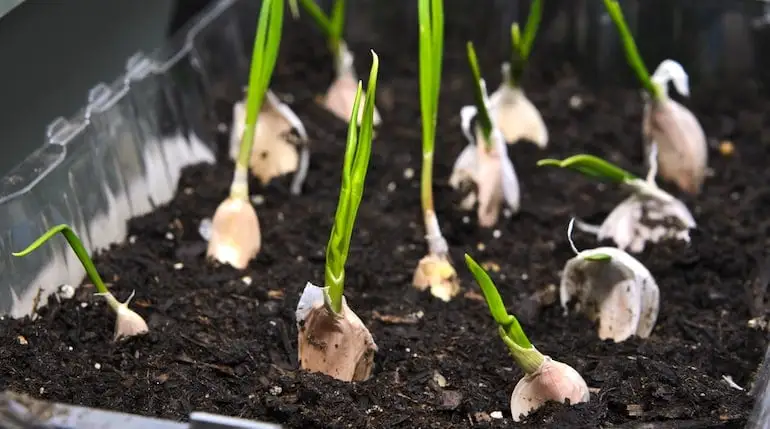
- Garlic: Plant garlic bulbs in the fall before the ground freezes solid. They’ll spend the winter developing roots and shoot up in spring. This strategy often leads to bigger, healthier bulbs.
- Overwintering Onions: Some onion varieties are bred to be planted in the fall. They’ll survive the winter as small plants and grow quickly once spring arrives.
- Peas: Certain “snow pea” or “snap pea” types can handle light frosts. You can plant them very early in spring or in late fall for a brief winter crop in milder areas.
Strategies for Protecting Winter Crops
Even the toughest crops need a helping hand when winter gets really harsh. Using simple protective measures can make a huge difference in your harvest size and success. These tricks help create a mini-climate for your plants, keeping them cozy.
Utilizing Season Extension Techniques
Season extension tools are like warm blankets for your garden. Cold frames, hoop tunnels, and cloches all trap heat and protect plants from cold winds and heavy frosts. They work by creating a warmer, more stable environment around your crops. You can use these to start seeds earlier or keep plants growing longer.

- Cold Frames: These are simple boxes with clear tops. They collect sunlight and hold warmth. You can build a basic cold frame with wood and an old windowpane. For more on building your own cold frame, check out local gardening resources.
- Hoop Tunnels/Low Tunnels: These use flexible hoops covered with clear plastic or fabric. They protect rows of plants from freezing temperatures and wind.
- Cloches: These are small, bell-shaped covers that protect individual plants. You can use old plastic jugs as quick, homemade cloches.
The Power of Mulch and Cover Crops
Mulch is an unsung hero in the winter garden. A thick layer of straw, fallen leaves, or wood chips acts as insulation for the soil. It keeps the ground warmer, protects roots, and holds moisture. Mulch also helps stop weeds and adds nutrients as it breaks down. Studies show that mulching can increase soil temperature by 5-10°F (2-5°C) during cold snaps.
Cover crops like winter rye or hairy vetch can also help. Planted in fall, they create a living mulch, protecting the soil from harsh weather. They also add organic matter when tilled under in spring. They are a smart way to prepare your garden for the next season.

Choosing the Right Location and Soil
Where you plant your winter crops matters a lot. Pick a spot that gets full sun, even in winter. Also, look for sheltered areas, perhaps near a south-facing wall or fence. These spots can offer extra warmth and block cold winds. Good soil drainage is super important too. Cold, wet soil can lead to root rot, which is bad news for plants. Adding compost improves soil structure, helping it drain well and hold nutrients.
Preparing for Winter Planting and Harvest
Getting ready for a winter garden takes a bit of planning. But a well-thought-out schedule makes all the difference. Knowing when to plant and how to harvest ensures you get the most from your efforts. It’s all about timing and knowing your plants.
Planning Your Winter Garden Schedule
Your local climate dictates when you should plant for winter. You need to count backward from your first expected frost date. Look at the “days to maturity” for each crop variety. For fall and winter harvests, you often plant earlier than you might think. Many cool-season crops need to be a certain size before the really cold weather hits.
Actionable Tip: Create a detailed planting calendar for your winter crops. Mark down frost dates, planting times, and expected harvest windows. This helps you stay organized and on track.
Harvesting in Cold Conditions

Harvesting in winter is different than in summer. For leafy greens, use a “cut and come again” method. Snip outer leaves, letting the plant continue to grow new ones from the center. This lets you get multiple harvests. For root vegetables, try to harvest before the ground freezes solid. If it does freeze, a thick layer of mulch can keep parts of the ground workable. Many agricultural extension services recommend harvesting during the warmest part of the day to reduce shock to the plants and yourself.
Overcoming Challenges and Maximizing Yields
Even with the best planning, winter gardening can bring its own set of problems. But with a few smart moves, you can keep your crops healthy and get a great harvest. Staying prepared for common issues means more success.
Pest and Disease Management in Winter
Winter gardens often have fewer pests than summer ones, but some can still be a problem. Slugs love the damp, cool conditions under row covers. Check regularly and remove them by hand. Certain fungal issues can appear in enclosed, humid spaces. Make sure your protective structures have good airflow to prevent this. Using organic pest controls and good garden hygiene helps keep problems at bay.
Dealing with Extreme Weather Events

Severe freezes, heavy snow, or ice storms can be tough on even the hardiest plants. During these times, protective structures are key. Add extra layers of old blankets or burlap over your cold frames or hoop tunnels for severe freezes. For root crops left in the ground, pile on more mulch. Some experienced farmers, like those in the upper Midwest, have learned to rely on thick straw bales around their raised beds to buffer extreme cold. These methods can make all the difference between losing a crop and having a successful winter harvest.
Conclusion
Growing winter crops that survive freezing temperatures brings many rewards. You get fresh produce all season, improve food security, and enjoy the resilience of nature. It truly extends your harvest and makes your garden more productive year-round.
Understanding plant hardiness zones and using smart protective strategies are key to success. Don’t be afraid to try season extension techniques like cold frames and mulching. With a little planning and effort, winter gardening is quite accessible, letting you contribute to a more sustainable food system right from your backyard. What are you waiting for? Your winter garden adventure starts now.