Winter can be one of the most challenging seasons for gardeners. Cold temperatures, frost, reduced sunlight, and dormant soil conditions can stress plants if proper care is not taken. However, with the right winter maintenance tips for planted areas, you can protect your garden, maintain soil health, and ensure a strong, healthy comeback when spring arrives.
This guide covers everything you need to know from soil preparation and mulching to watering, pruning, and troubleshooting common winter plant problems.
1. Prepare the Soil Before Winter Sets In
Healthy soil is the foundation of winter plant protection. Before temperatures drop significantly, focus on improving soil structure and nutrition.
Soil Preparation Tips
- Remove weeds and fallen plant debris to prevent disease
- Loosen compacted soil carefully around plant bases
- Add organic matter such as compost or well-rotted manure
- Avoid excessive tilling, which can expose roots
Rich, well-aerated soil retains moisture and insulates roots better during cold weather.
2. Mulching: The Most Important Winter Protection Step
Mulching is one of the most effective winter maintenance tips for planted areas. It acts as an insulating blanket for soil and roots.

Best Mulch Materials for Winter
- Straw or hay
- Dry leaves
- Pine needles
- Bark chips or wood mulch
How to Apply Mulch Correctly
- Apply mulch after the first light frost
- Spread 2–4 inches thick around plants
- Keep mulch slightly away from plant stems to prevent rot
Mulch helps regulate soil temperature, retain moisture, and prevent frost heaving.
3. Adjust Watering Practices During Winter
Watering needs change significantly in winter. Overwatering can cause root rot, while underwatering can lead to dehydration, especially in dry winters.
Winter Watering Guidelines
- Water deeply before the ground freezes
- Reduce frequency, not depth
- Water evergreen plants during dry spells
- Avoid watering when soil is frozen

Moist soil holds heat better than dry soil, offering extra protection to roots.
4. Protect Plants from Frost and Freezing Winds
Frost and icy winds can damage leaves, stems, and buds. Physical protection is essential for vulnerable plants.
Frost Protection Methods
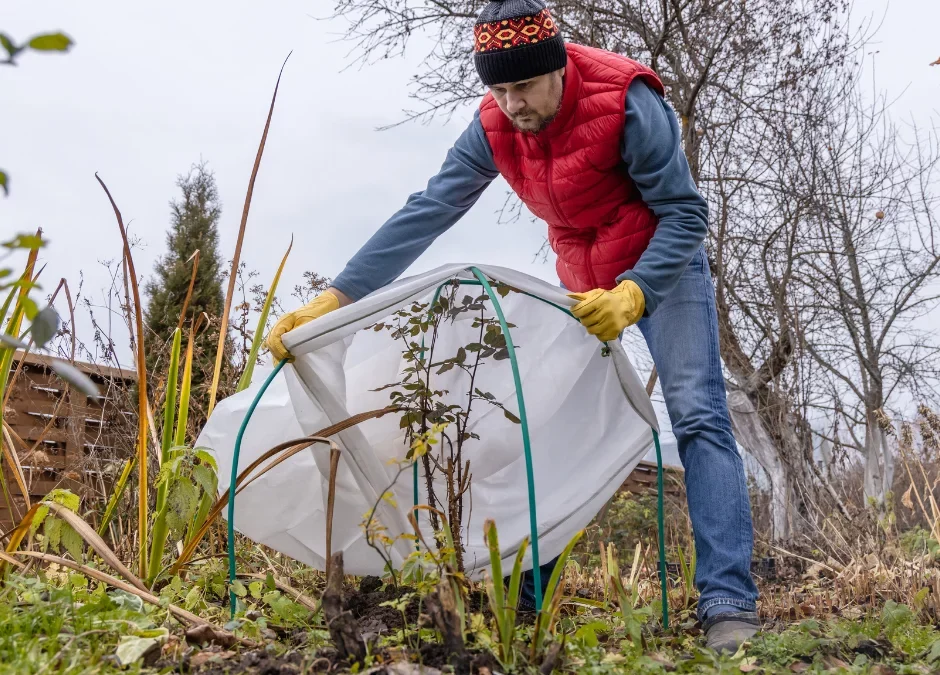
- Use frost cloths or garden fleece
- Cover plants during extreme cold nights
- Remove covers during daytime to prevent overheating
- Create wind barriers using burlap or garden screens
Pay special attention to young plants, tropical varieties, and newly planted areas.
5. Pruning and Cutting Back Wisely
Winter pruning should be done carefully. Improper pruning can expose plants to cold damage.
Winter Pruning Tips

- Remove dead, diseased, or damaged branches
- Avoid heavy pruning of flowering plants
- Cut back perennials only if recommended for the species
- Leave seed heads on some plants for insulation and wildlife
Correct pruning improves air circulation and reduces disease risk.
6. Care for Lawns and Ground Covers
Planted areas often include lawns and ground covers that need special winter care.
Lawn Winter Maintenance Tips
- Avoid walking on frozen grass
- Keep lawn clear of debris
- Apply winter fertilizer if suitable
- Mow slightly shorter before winter dormancy
Healthy lawns recover faster and greener in spring.
7. Container Plants and Raised Beds in Winter
Plants in containers and raised beds are more vulnerable because their roots are exposed to colder air.

Protection Tips
- Move containers to sheltered areas
- Wrap pots with burlap or insulation
- Elevate containers to prevent waterlogging
- Mulch heavily in raised beds
Consider grouping containers together to conserve warmth.
8. Prevent Pests and Diseases During Winter
Many pests and diseases overwinter in soil and plant debris.
Prevention Strategies
- Clean up fallen leaves and old plant matter
- Inspect plants for pest eggs or damage
- Avoid excessive moisture buildup
- Use organic pest deterrents if needed

A clean garden reduces spring infestations significantly.
9. Feed Plants Lightly (If Needed)
Most plants don’t need heavy feeding in winter, but some benefit from light nourishment.
Winter Feeding Tips
- Avoid high-nitrogen fertilizers
- Use slow-release organic compost
- Feed only evergreen or winter-growing plants
Overfeeding can stimulate weak growth vulnerable to frost.
10. Monitor Weather and Respond Quickly
Sudden weather changes are common in winter.
Smart Monitoring Habits
- Check forecasts regularly
- Be ready to cover plants during cold snaps
- Remove snow gently from branches
- Improve drainage during heavy rains
Quick action can prevent lasting damage.

Troubleshooting Common Winter Plant Problems
| Problem | Possible Cause | Solution |
|---|---|---|
| Wilting plants in winter | Dry soil or wind dehydration | Water during dry spells and add wind protection |
| Yellowing leaves | Poor drainage or nutrient deficiency | Improve soil drainage and add compost |
| Root rot | Overwatering or waterlogged soil | Reduce watering and improve drainage |
| Frost-burned leaves | Exposure to extreme cold | Use frost cloths and mulch |
| Mold or fungus | Excess moisture and poor airflow | Remove debris and increase ventilation |
| Broken branches | Heavy snow or ice | Gently shake off snow and prune damaged parts |
| Pest damage in spring | Overwintering insects | Clean garden thoroughly before winter |
Final Thoughts
Proper winter maintenance tips for planted areas can make the difference between struggling plants and a thriving spring garden. From mulching and watering to frost protection and troubleshooting, every small effort adds up. Winter may seem like a dormant season, but it is actually a time of preparation.
By protecting your plants now, you’re investing in stronger roots, healthier soil, and vibrant growth in the seasons ahead. 🌱