Tropical fruits make your home garden pop. They add bright colors and unique tastes. Think of sweet mangoes and sharp pineapple zest. These fruits improve your recipes. They also turn your yard into a small piece of paradise. Growing tropical fruit yourself feels great. You get fresh, organic food. This practice helps you stay close to nature. This simple guide covers everything you need. Learn how to pick, plant, and care for these exotic plants. You can still get a big harvest, even if you do not live in the tropics. Are you new to gardening? Maybe you have planted for years. This guide shows anyone guide to tropical fruits garden.
Why Grow Tropical Fruits?

Tropical fruits hold plenty of good nutrients. They are full of vitamins, antioxidants, and healthy fiber. Adding these fruits to your meals is a smart choice for better health. Grow your own produce at home for fruits free of chemicals. You can also pick rare types that stores never stock. These plants make the yard look fantastic. Their leaves are deep green, and the fruits add bright pops of color. Citrus and papayas are often easier to grow than people think.
They do well outside in warmer regions, Zones 9 to 11. If you live somewhere colder, Zones 5 through 8, just use large containers instead. Planting tropical fruits works as a fun family project. Kids learn patience while caring for nature. This hands-on activity is truly educational.
Ultimate Guide to Tropical Fruits: Pick the Best
Choosing tropical fruit plants starts with your backyard. Think about the space you have. Your local weather makes a huge difference too. Of course, personal taste always comes first. Below are the most popular choices available. We cover what makes each one special. You will also see exactly how to keep them thriving.
Mango (Mangifera indica): Everyone knows mangoes taste sweet and juicy. These trees really need a lot of sun. They must also have soil that drains water easily. For home growing, look at types like ‘Alphonso’ or ‘Tommy Atkins’. They only survive outside in planting zones 10 and 11. You can grow them as full-size trees if you wish. Container planting lets you keep the size small.

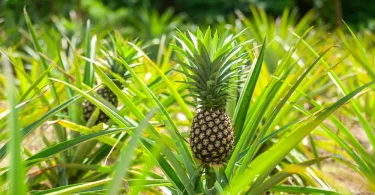
Pineapple (Ananas comosus): This bromeliad needs full sun and acidic soil (pH 4.5–6.5) to produce sweet, tangy fruit. It grows well in zones 9–11 and is ideal for containers.
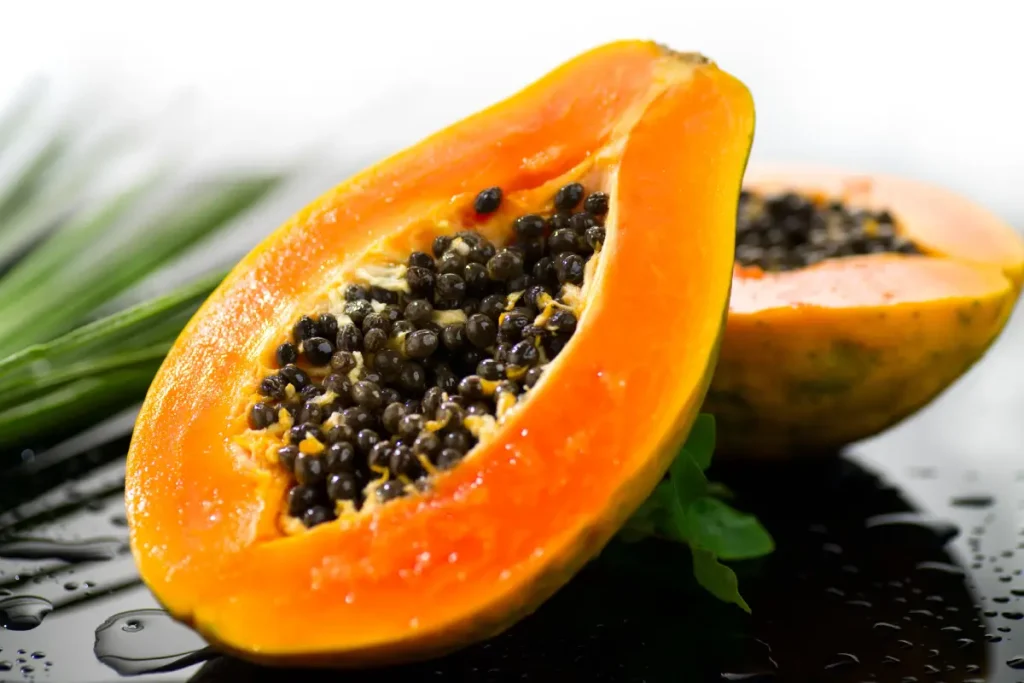
Papaya (Carica papaya): This bromeliad needs full sun and acidic soil (pH 4.5–6.5) to produce sweet, tangy fruit. It grows well in zones 9–11 and is ideal for containers.
Banana (Musa spp.): Bananas provide lush foliage and sweet, creamy fruit. Dwarf cultivars, such as “Dwarf Cavendish,” are excellent for containers or tiny areas. Zones 9–11 are ideal for them.
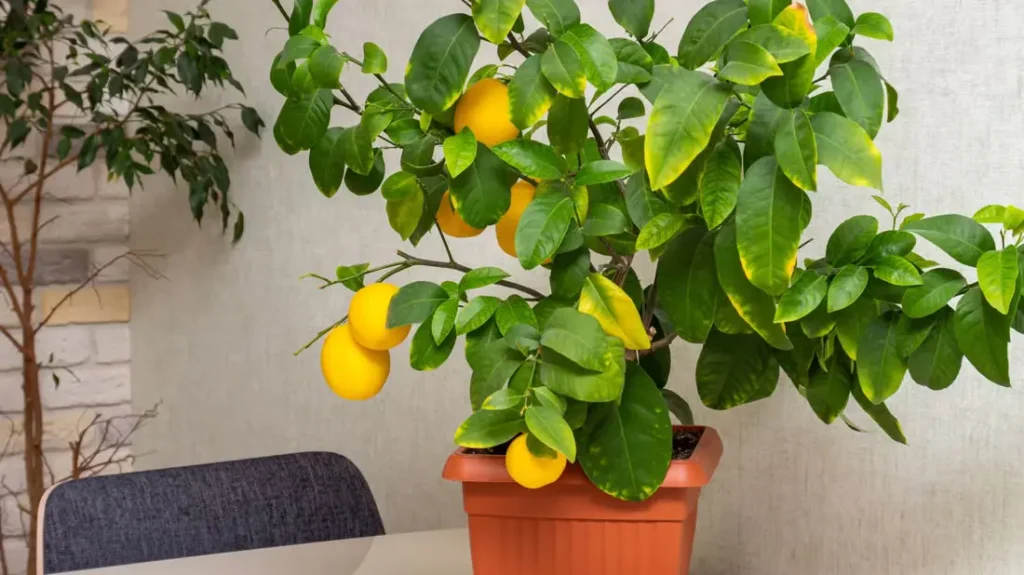
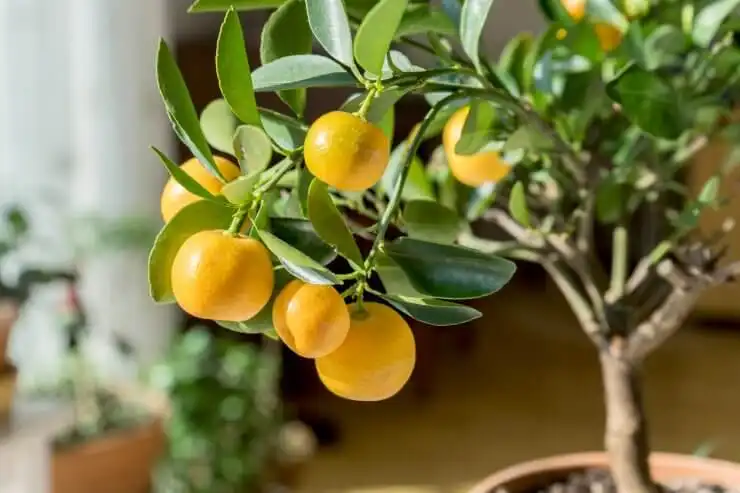
Citrus (Citrus spp.): In zones 8–11, oranges, lemons, and limes are hardy and adaptable. Pots and indoor growing are ideal for small varieties like “Meyer Lemon.”
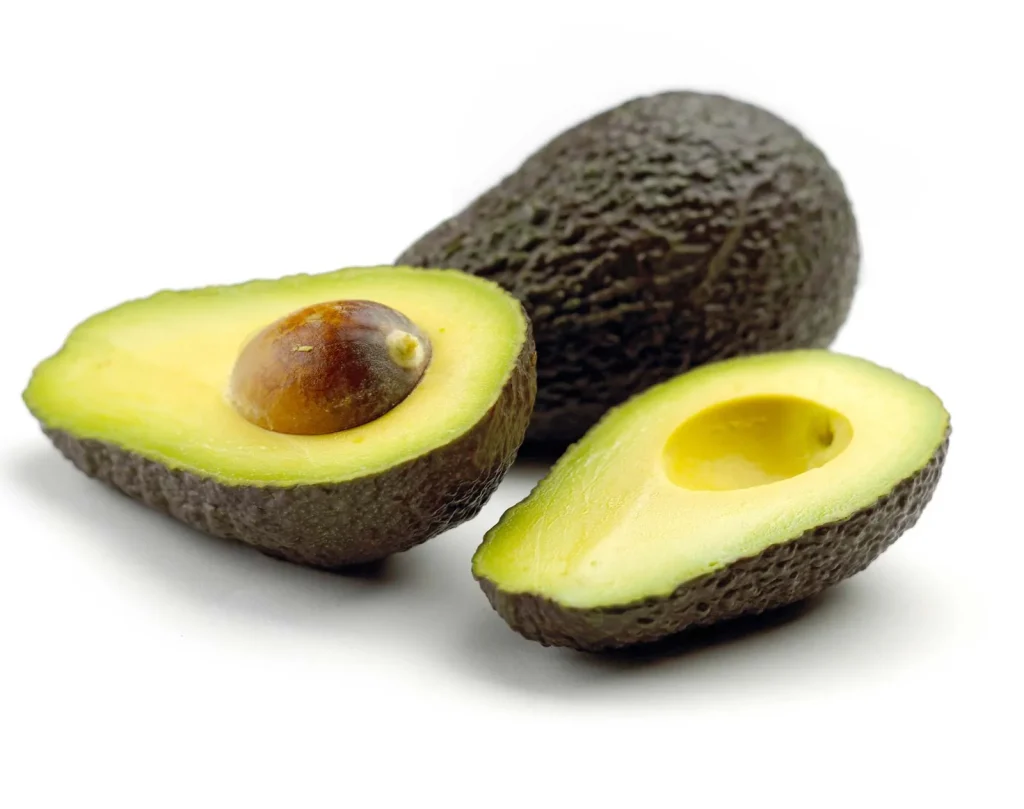
Avocado (Persea americana): Full sun and well-draining soil are necessary for creamy avocados. In zones 9–11, dwarf cultivars like “Wurtz” work well in containers or smaller gardens.
Factors to Consider
- Climate: In zones 5–8, grow tropical fruits in containers and move indoors during winter. In zones 9–11, they can be planted directly in the ground.
- Space: Choose dwarf or compact varieties for small gardens or patios. Vining plants like passionfruit need trellises.
- Soil and Sun: Most tropical fruits need full sun (6–8 hours daily) and well-draining, fertile soil (pH 5.5–7.0).
Step-by-Step Guide to Growing Tropical Fruits
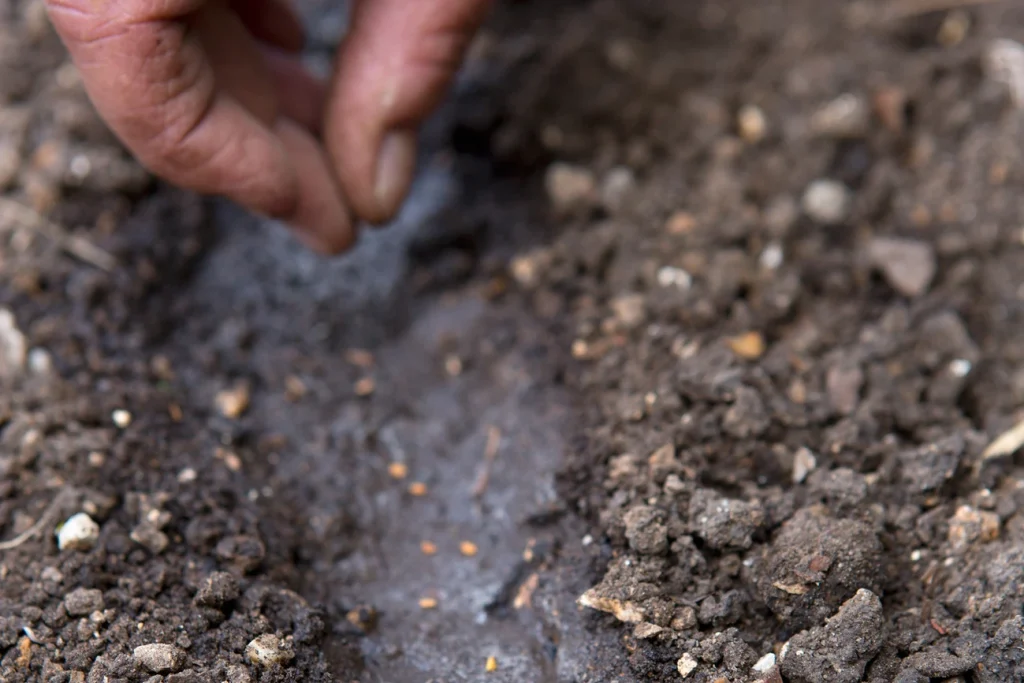
1. Select Healthy Plants or Seeds
- Quality Matters: Purchase plants, saplings, or seeds from reputable nurseries. Look for vibrant leaves, strong stems, and no signs of pests or disease.
- Seeds vs. Saplings: Seeds (e.g., papaya, passionfruit) are cost-effective but take longer to fruit. Saplings (e.g., mango, citrus) offer quicker results.
- Timing: Buy and plant in spring for outdoor growth in warm climates or start seeds indoors in late winter for cooler zones.
2. Prepare the Planting Site
- Sunlight: Choose a location with 6–8 hours of direct sunlight. South-facing spots are ideal for maximum sun exposure.
- Soil Preparation:
- Dig to a depth of 12–18 inches to loosen soil and promote root growth.
- Mix in compost or well-rotted manure to enrich fertility. For acidic-loving plants like pineapples, add peat moss.
- Ensure proper drainage by testing; water should drain within a few hours. Use raised beds or amend with sand/perlite for heavy soils.
- Soil Testing: Use a soil test kit to check pH and nutrients. Adjust with lime (to raise pH) or sulfur (to lower pH) as needed.
3. Planting Tropical Fruits
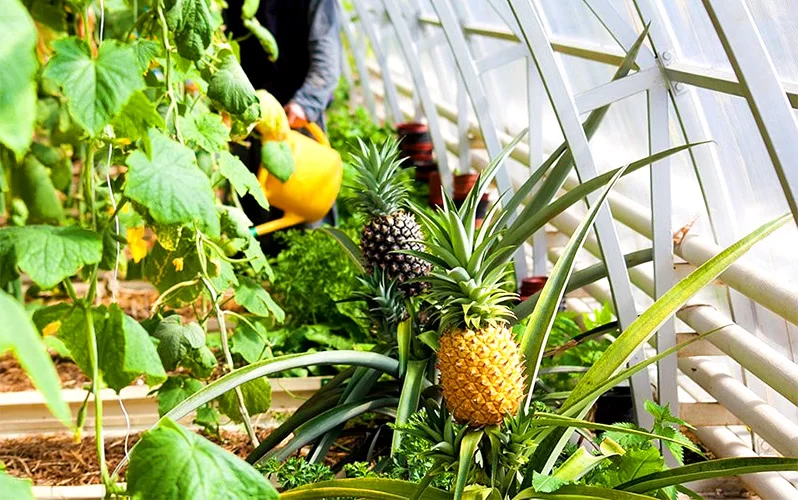
- Outdoor Planting (Zones 9–11):
- Dig a hole twice as wide and as deep as the root ball.
- Place the plant so the root ball’s top is level with the soil surface.
- Backfill with amended soil, firm gently, and water thoroughly.
- Container Planting (Zones 5–8):
- Use pots with drainage holes (15–20 inches wide for small trees, 10–12 inches for pineapples or papayas).
- Fill with a mix of potting soil, compost, and perlite (2:1:1).
- Plant at the same depth as in the nursery pot and water well.
- Spacing: Space trees (mango, avocado) 10–15 feet apart, shrubs (pineapple, papaya) 3–5 feet apart, and bananas 6–10 feet apart.
- Pineapple Specific: Plant the crown (top) of a store-bought pineapple after drying for 1–2 days. Place 2 inches deep in soil.
4. Caring for Tropical Fruit Plants

- Watering: Keep soil consistently moist during establishment (first 4–6 weeks). Once established, water when the top inch is dry (every 1–2 weeks). Avoid overwatering to prevent root rot.
- Fertilizing: Apply a balanced, slow-release fertilizer (e.g., 10-10-10) every 4–6 weeks during spring and summer. For fruit production, use a high-potassium fertilizer (e.g., 8-3-9) for citrus or bananas.
- Mulching: Apply a 2–3 inch layer of organic mulch (e.g., bark, wood chips) around the base to retain moisture and suppress weeds. Keep mulch 2 inches from the stem to prevent rot.
- Pruning: Prune in early spring to remove dead, damaged, or crossing branches. For trees like mango or avocado, shape to improve air circulation and light penetration.
- Pest and Disease Management: Monitor for pests like aphids, scale, or spider mites. Use insecticidal soap or neem oil. Prevent fungal issues by ensuring good drainage and avoiding overhead watering.
5. Growing Tropical Fruits Indoors
- Pot Selection: Choose containers with drainage holes, sized appropriately for the plant’s mature size.
- Light: Place in a south-facing window with 6–8 hours of bright light or use grow lights (12–16 hours daily).
- Care: Water when the top inch of soil is dry, fertilize monthly, and maintain humidity (50–60%) with misting or a pebble tray. Keep temperatures between 65–80°F.
- Repotting: Repot every 1–2 years or when roots become crowded, using fresh potting mix.
6. Harvesting Tropical Fruits
- Timing: Harvest when fruits are ripe:
- Mango: When skin turns color and fruit yields slightly to pressure (3–6 months after flowering).
- Pineapple: When fruit turns golden and smells sweet (18–24 months).
- Papaya: When skin is mostly orange (6–12 months).
- Banana: When fruit is plump and yellow (9–18 months).
- Citrus: When fruit is fully colored and slightly soft (6–12 months).
- Avocado: When skin darkens and fruit yields to gentle pressure (6–12 months).
- Method: Use clean shears to cut fruit, leaving a short stem to avoid plant damage.
- Storage: Store at room temperature for ripening or in the fridge for 1–2 weeks (except bananas, which store at room temp).
Common Challenges and Solutions
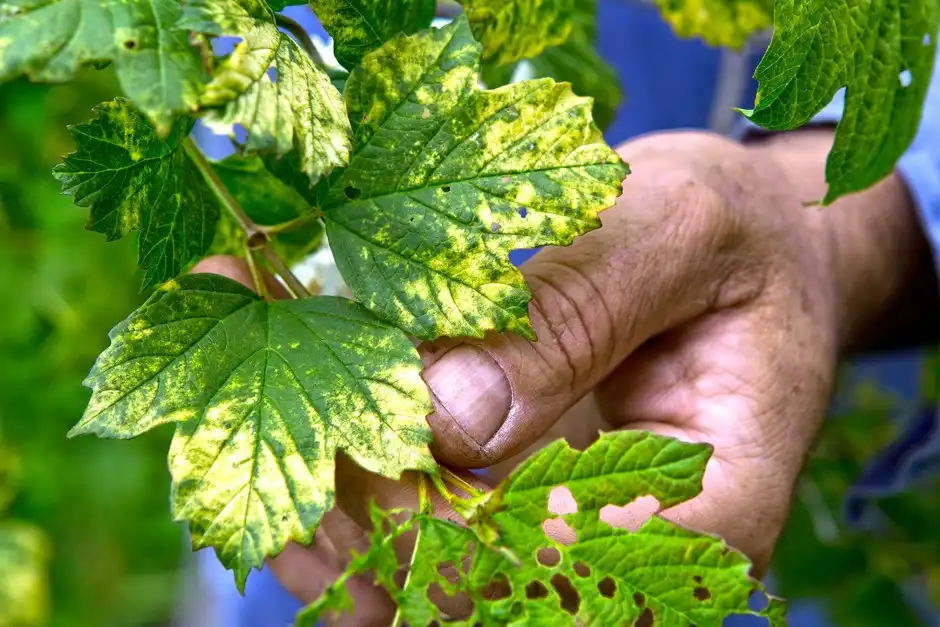
- Poor Fruit Production: Insufficient light, nutrients, or pollination. Ensure full sun, fertilize appropriately, and hand-pollinate indoor plants if needed.
- Pests: Aphids, scale, or fruit flies may attack. Treat with insecticidal soap or neem oil and remove affected fruit.
- Yellowing Leaves: Overwatering, poor drainage, or nutrient deficiency. Adjust watering, improve drainage, and apply balanced fertilizer.
- Root Rot: Caused by waterlogged soil. Use well-draining mix and water sparingly.
Tips for Success
- Container Gardening: Dwarf varieties are ideal for patios or indoor spaces. Move pots indoors in winter for zones 5–8.
- Pollination: Some fruits (e.g., papaya, avocado) may need hand-pollination indoors. Use a small brush to transfer pollen between flowers.
- Companion Planting: Pair with marigolds or basil to deter pests and enhance garden aesthetics.
- Zone Considerations: In cooler zones, use greenhouses or indoor setups for year-round growth.
- Culinary Uses: Experiment with tropical fruits in smoothies, salsas, or desserts for fresh, homegrown flavor.
Fun Facts About Tropical Fruits
- Mango Diversity: Over 1,000 mango varieties exist worldwide, each with unique flavors.
- Pineapple Origins: Pineapples were once a symbol of wealth in Europe, grown in heated greenhouses.
- Banana Facts: Bananas are technically berries and grow upside-down on the plant.
Troubleshooting Table
| Issue | Cause | Solution |
|---|---|---|
| Poor fruit production | Low light or nutrients | Ensure 6–8 hours of sun, use high-potassium fertilizer, hand-pollinate. |
| Yellowing leaves | Overwatering or nutrient deficiency | Reduce watering, improve drainage, apply balanced fertilizer. |
| Pests | Aphids, scale, or fruit flies | Use insecticidal soap or neem oil, remove affected fruit. |
| Root rot | Waterlogged soil | Use well-draining mix, water sparingly, ensure drainage holes. |
Conclusion
Growing tropical fruits is a delightful way to bring exotic flavors and vibrant beauty to your home garden. With the right varieties, proper planting techniques, and consistent care, you can enjoy a bountiful harvest of mangoes, pineapples, papayas, and more. Whether in a sunny backyard or a cozy indoor setup, this guide to tropical fruits empowers you to create your own slice of paradise. Start planting this spring, and savor the fruits of your labor!