Keeping your vegetable garden healthy and thriving is every gardener’s dream. However, fungal diseases can quickly ruin that dream, spreading rapidly and damaging your plants. From powdery mildew to root rot, these issues can devastate crops if not handled early. The good news? You can prevent fungal disease in vegetables naturally — without relying on harsh chemicals.
Let’s explore effective, eco-friendly ways to protect your garden and keep your vegetables vibrant all season long.
What Causes Fungal Disease in Vegetables?
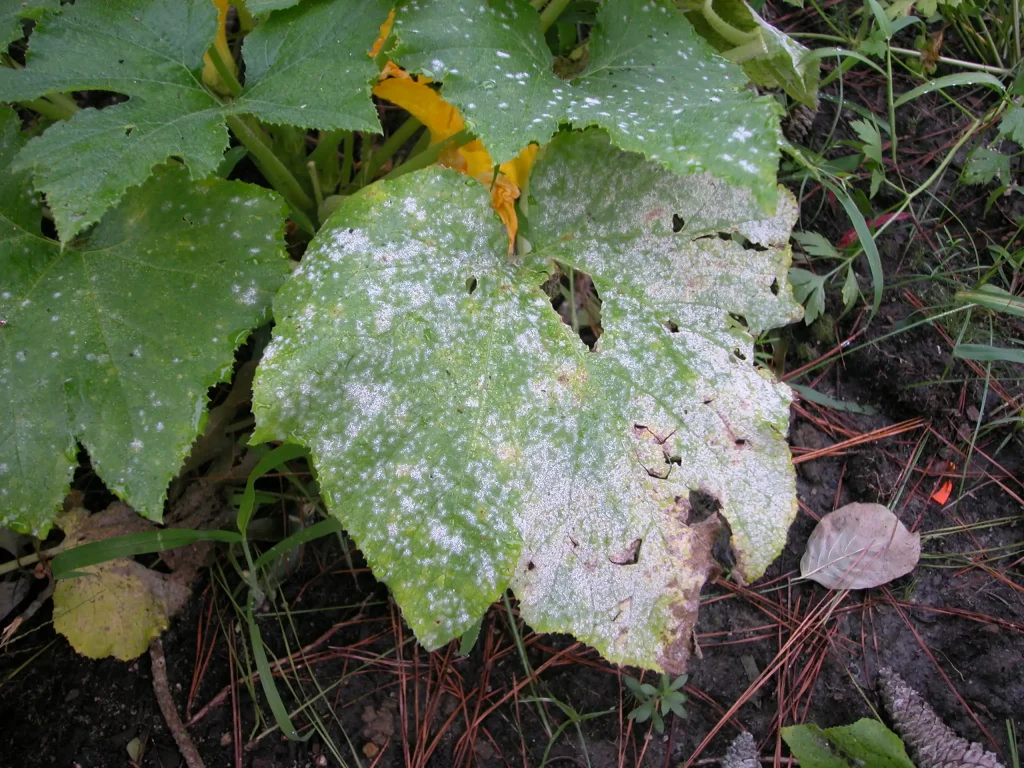
Fungi thrive in warm, humid, and poorly ventilated environments. When leaves stay wet for too long, spores settle and multiply. Overwatering, overcrowding, and poor soil drainage create perfect breeding grounds for fungal infections.
Some common fungal diseases in vegetables include:
- Powdery Mildew – white powdery patches on leaves and stems.
- Downy Mildew – yellow or brown spots on the upper leaf surface.
- Blight – rapid leaf and fruit decay, often in tomatoes and potatoes.
- Root Rot – decaying roots caused by excessive moisture.
Understanding what causes these diseases helps you act before they spread.
1. Choose the Right Location and Spacing
Good airflow is your garden’s first defense. Space your vegetable plants properly so that air can circulate between them. Avoid planting in areas that remain damp or shaded for most of the day. Sunlight helps dry leaves and reduce humidity — two enemies of fungal growth.
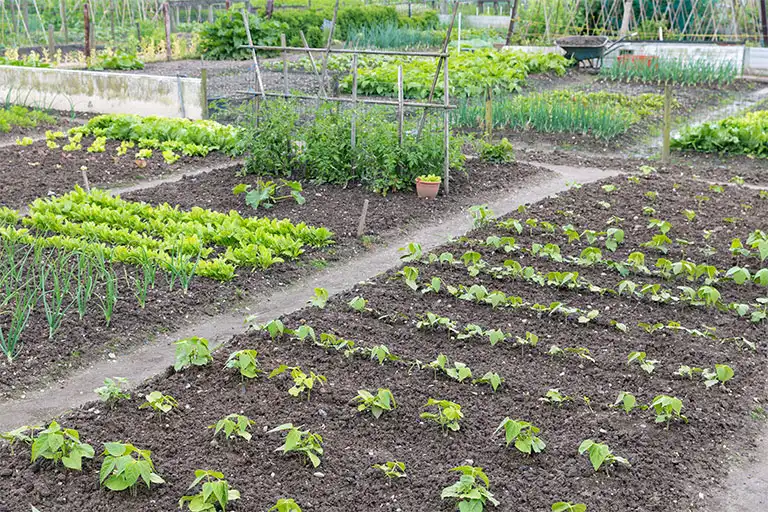
Tip: Follow the spacing instructions on seed packets or plant labels. Overcrowding traps moisture and invites fungal spores.
2. Water Smartly — From the Roots, Not the Leaves
One of the most common gardening mistakes is overhead watering. Wet leaves encourage fungal spores to germinate. Instead, water directly at the base of plants using a soaker hose or drip irrigation.
Also, water early in the morning so excess moisture evaporates during the day. Avoid watering in the evening, as overnight dampness promotes fungal growth.
3. Mulch to Control Moisture and Splash
A layer of organic mulch such as straw, dry leaves, or compost helps maintain soil moisture while preventing water from splashing onto leaves. Splashed soil can carry fungal spores onto plant surfaces.
Bonus: Mulch also suppresses weeds and improves soil fertility over time.

4. Practice Crop Rotation
Growing the same vegetable in the same spot year after year can lead to soil-borne fungal buildup. To prevent this, rotate your crops every growing season.
Example rotation:
- Year 1: Tomatoes
- Year 2: Leafy greens
- Year 3: Root vegetables
This breaks the life cycle of fungi and keeps your soil healthier.
5. Use Disease-Resistant Varieties
When shopping for seeds, look for labels that say “disease-resistant” or “blight-tolerant.” These varieties are bred to resist common fungal diseases naturally.

Some examples:
- Peas: ‘Green Arrow’
- Tomatoes: ‘Defiant,’ ‘Mountain Magic’
- Cucumbers: ‘Marketmore 76’
6. Apply Natural Fungicides
Nature offers many safe antifungal treatments that protect your vegetables without harming beneficial insects or soil life.
Try these natural remedies:
- Neem Oil: Effective against powdery mildew and blight.
- Baking Soda Spray: Mix 1 tsp baking soda + few drops of mild soap in 1 liter of water. Spray weekly.
- Garlic Extract: Natural antifungal properties help deter pathogens.
Always test a small area first to avoid leaf burn.

7. Improve Soil Health
Healthy soil = healthy plants. Add organic compost, manure, or worm castings to enrich your soil with beneficial microbes. These microbes compete with harmful fungi and improve root immunity.
Consider adding mycorrhizal fungi, beneficial fungi that protect plant roots and enhance nutrient absorption.
8. Observe and Act Early
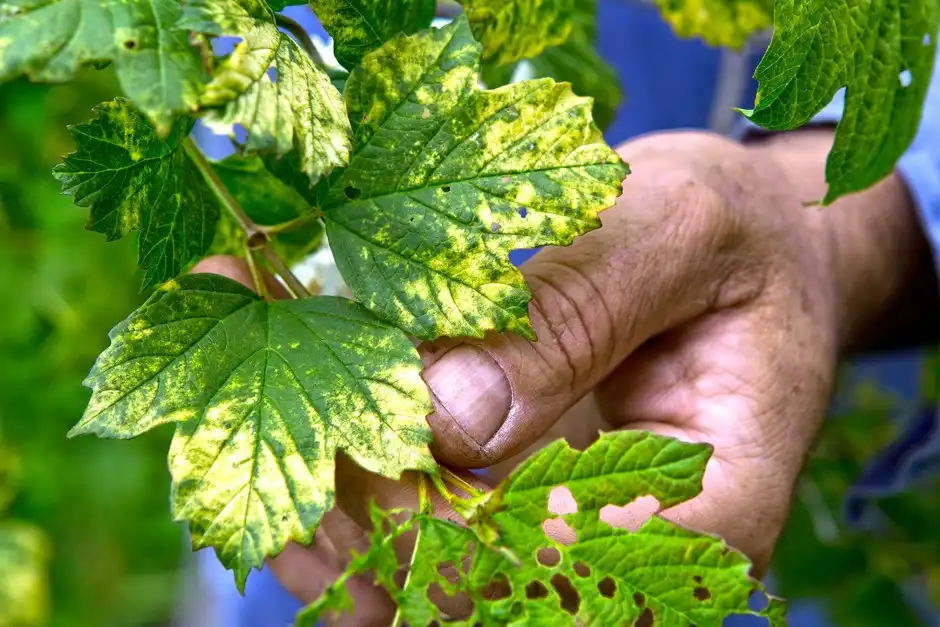
Inspect your plants regularly. If you notice yellowing leaves, white spots, or mold, remove infected parts immediately to prevent spread.
Early intervention is key, fungal diseases multiply fast!
Conclusion: Keep Your Vegetables Thriving Naturally
Preventing fungal disease in vegetables doesn’t require chemicals — just smart, sustainable gardening habits. By managing moisture, improving airflow, rotating crops, and using natural fungicides, you can grow healthier vegetables naturally and enjoy a thriving, eco-friendly garden all year long.
Stay observant, nurture your soil, and let nature help you keep your garden disease-free!