Water is one of the most essential resources for gardening, yet it is also one of the most commonly wasted. Many gardeners unintentionally overwater, use inefficient watering tools, or follow habits that let precious moisture escape into the air or deep into the soil where roots cannot benefit. As water scarcity continues to rise globally, using smart gardening habits to reduce water waste is no longer optional, it is a responsibility every gardener should embrace.

Smart watering habits benefit not only the environment but also your garden’s overall health. Plants that receive the right amount of water grow stronger roots, resist diseases better, and produce higher yields. In this blog, we explore practical, effective, and eco-friendly strategies that help you reduce water waste while maintaining a thriving garden.
1. Choose the Right Time for Watering
When you water your garden matters just as much as how much water you use. The best time to water is early in the morning, ideally between 5 AM and 9 AM. During these hours:
- The temperature is cooler
- Evaporation is minimal
- Plants have the entire day to use water efficiently
- Fungal disease risk is reduced
Watering in the afternoon wastes a significant amount due to evaporation. Evening watering can lead to fungal infections since leaves stay wet overnight.
By simply adjusting watering schedules, you can reduce water waste by up to 50%.
2. Switch to Drip Irrigation or Soaker Hoses
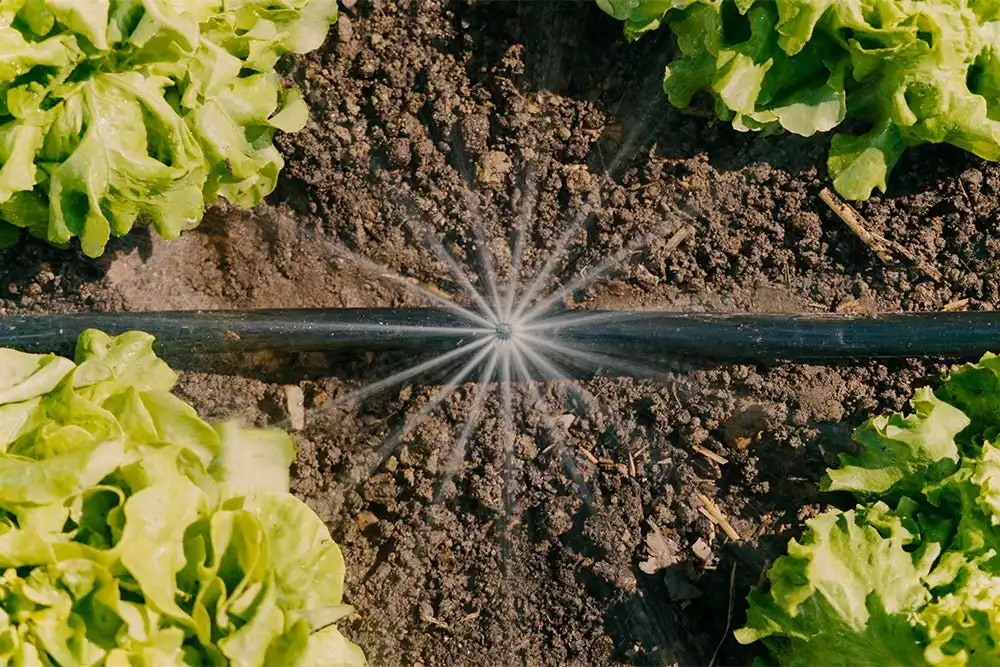
Traditional sprinklers spray water everywhere on leaves, walls, pathways, and soil that doesn’t need watering. This results in massive water loss.
A better approach is drip irrigation or soaker hoses, which deliver water directly to the base of your plants. These systems:
- Reduce evaporation
- Prevent runoff
- Use 30–60% less water
- Keep roots hydrated
- Minimize weed growth by limiting surface moisture
Once installed, drip irrigation becomes a long-term solution requiring little maintenance.
3. Mulching: Your Garden’s Moisture Shield
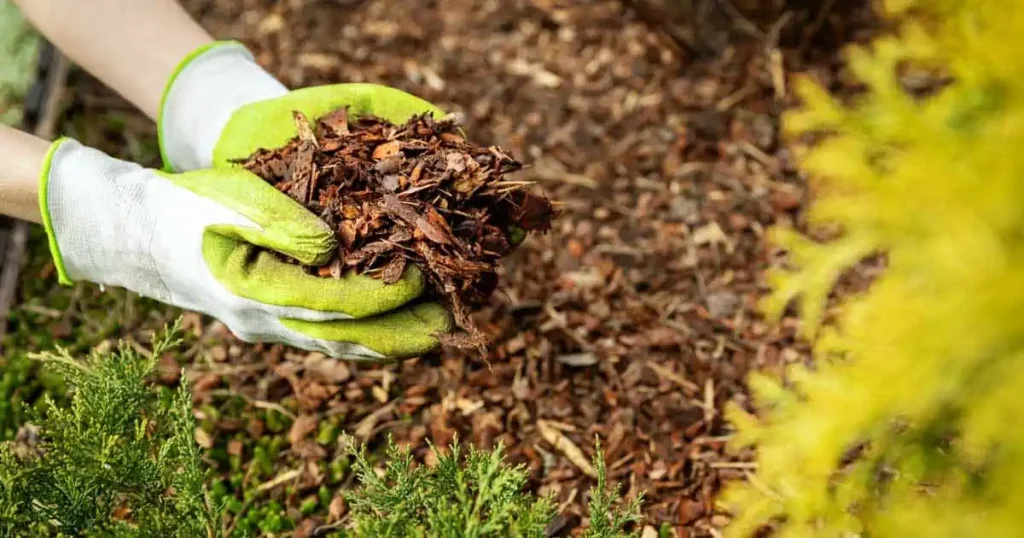
Mulch is one of the simplest and most effective ways to reduce water waste. Adding a 2–4 inch layer of organic mulch helps:
- Slow down evaporation
- Regulate soil temperature
- Prevent weed growth
- Improve soil structure
- Reduce the need for frequent watering
Popular mulching materials include:
- Wood chips
- Straw
- Grass clippings
- Shredded leaves
- Pine needles
Mulch acts like a protective blanket, keeping the soil moist for longer periods.
4. Select Drought-Tolerant Plants

Some plants naturally require far less water than others. If you live in a dry region or want a low-maintenance garden, choosing drought-tolerant species can dramatically reduce water waste.
Examples include:
- Lavender
- Rosemary
- Sedum
- Coneflower
- Yarrow
- Salvia
- Ornamental grasses
Native plants are especially water-efficient because they are adapted to local climate conditions.
5. Improve Soil Health for Better Water Retention

Healthy soil holds moisture like a sponge. When soil is compacted or low in organic matter, water drains too quickly or pools on the surface. Improving soil structure helps reduce waste.
- Add compost regularly
- Use cover crops in off-seasons
- Avoid excessive tilling
- Add organic matter like manure or leaf mold
Good soil retains water longer, meaning you can water less often.
6. Collect and Reuse Rainwater
Rainwater harvesting is an eco-friendly technique that saves gallons of tap water every month. Install a rain barrel, roof gutter system, or underground tank to collect runoff during rainy seasons.
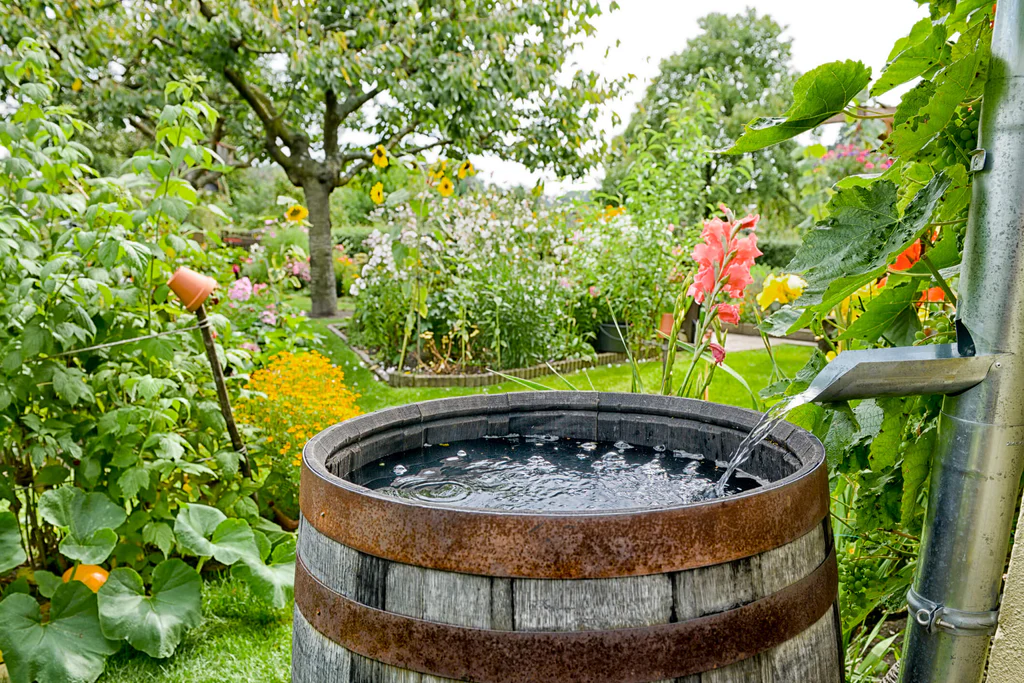
Benefits include:
- Free water supply
- Reduced dependency on municipal water
- Lower water bills
- Natural minerals beneficial for plants
Rainwater is softer and chemical-free, making it ideal for sensitive plants.
7. Group Plants Based on Their Water Needs
This strategy is called hydrozoning. Instead of planting thirsty plants next to drought-tolerant ones, group them according to their water requirements.
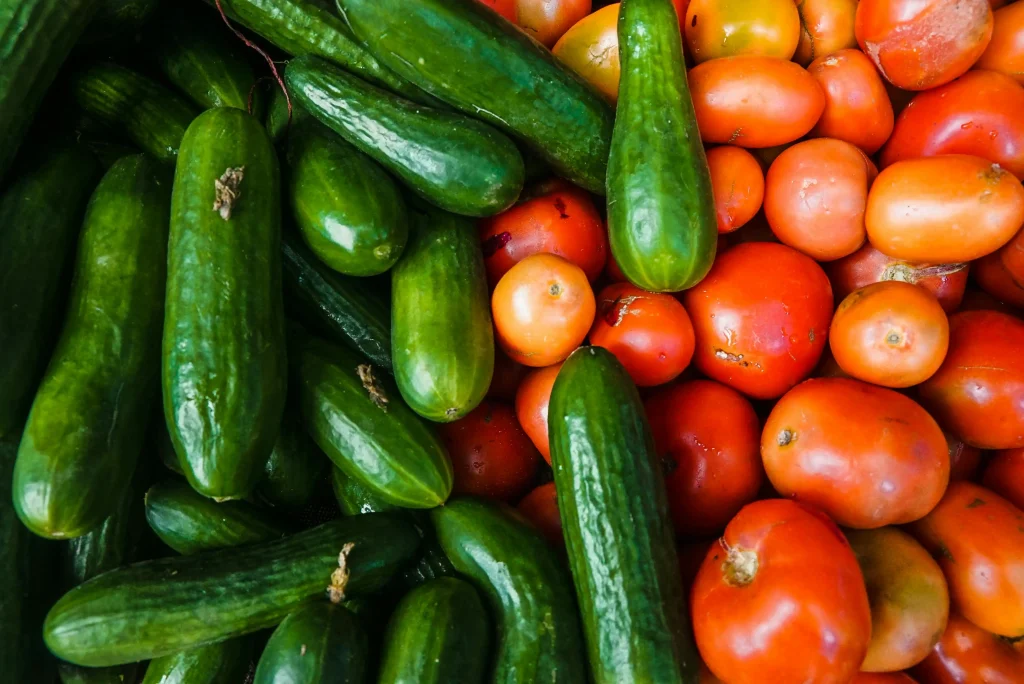
Categories include:
- High-water plants (e.g., ferns, hydrangeas)
- Moderate-water plants (e.g., tomatoes, cucumbers)
- Low-water plants (e.g., lavender, aloe, sage)
Hydrozoning ensures accurate watering and prevents overuse.
8. Water Deeply, Not Frequently
Many gardeners make the mistake of giving plants shallow sips of water daily. This encourages weak, shallow roots and excessive water use.
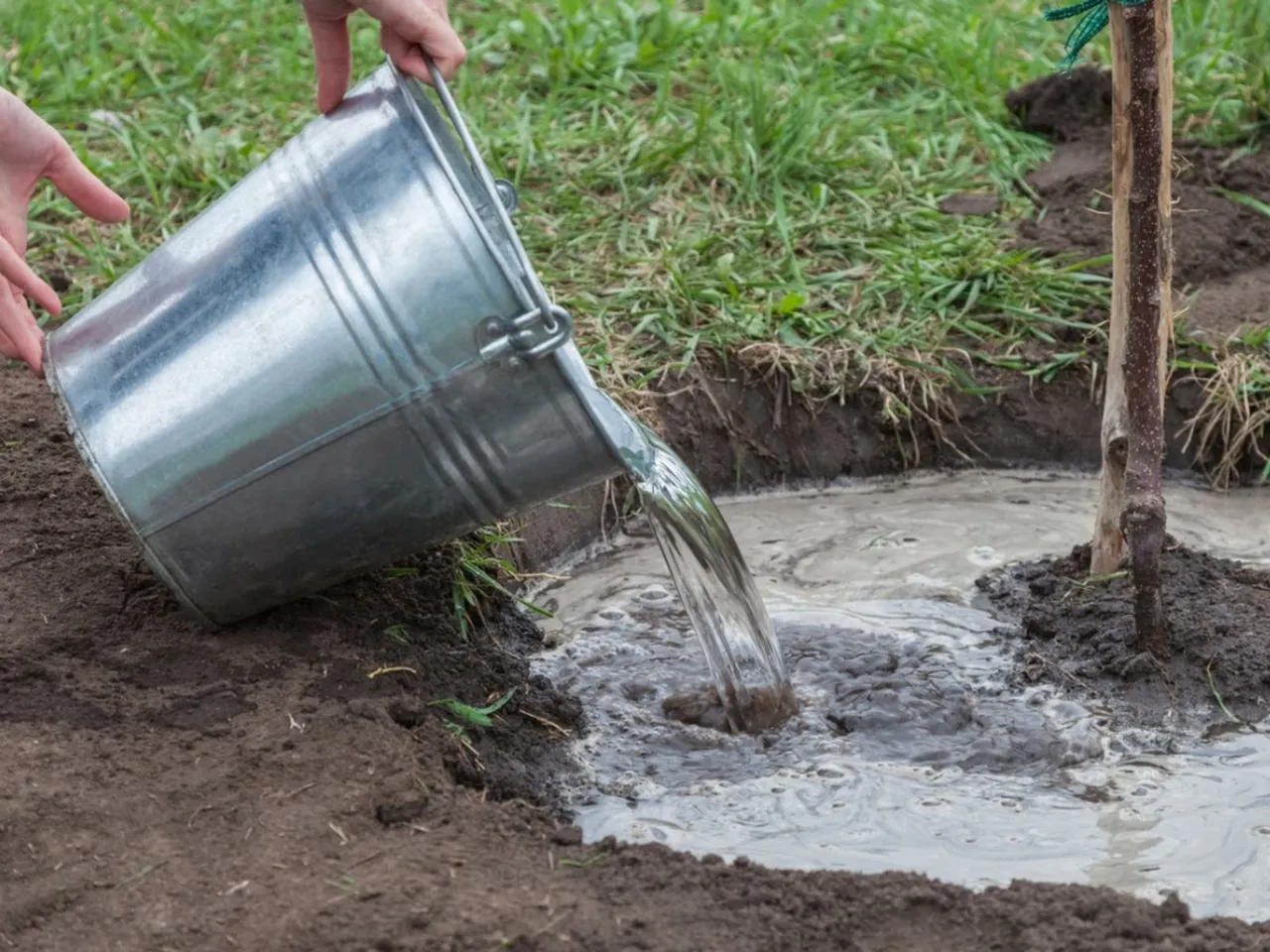
Deep watering, watering less often but allowing moisture to penetrate deeper helps:
- Encourage strong root growth
- Improve drought resistance
- Reduce water waste
- Maintain soil moisture longer
A good rule is to water until the soil is moist 6–8 inches deep.
Troubleshooting Table: Common Water-Wasting Problems & Solutions
| Problem | Possible Cause | Solution |
|---|---|---|
| Plants are wilting despite frequent watering | Water not reaching roots | Switch to deep watering or drip irrigation |
| Water pooling on soil surface | Compacted soil | Add compost, aerate soil |
| High water bills | Hidden leaks | Inspect hoses, faucets, and sprinkler lines |
| Soil dries out too quickly | Lack of mulch | Add 2–4 inches of organic mulch |
| Brown leaf tips | Overwatering or poor drainage | Improve drainage, reduce watering frequency |
| Mushy or yellowing plants | Waterlogged soil | Use raised beds, reduce watering |
| Sprinkler overspray | Sprinkler misalignment | Adjust sprinkler heads or switch to drip system |
| Rainwater barrel not filling | Blocked gutter or downspout | Clean gutter system |
| Patchy lawn | Uneven watering | Install smart irrigation or adjust sprinkler zones |
| Fungal growth | Watering at night | Water in early morning only |
Conclusion
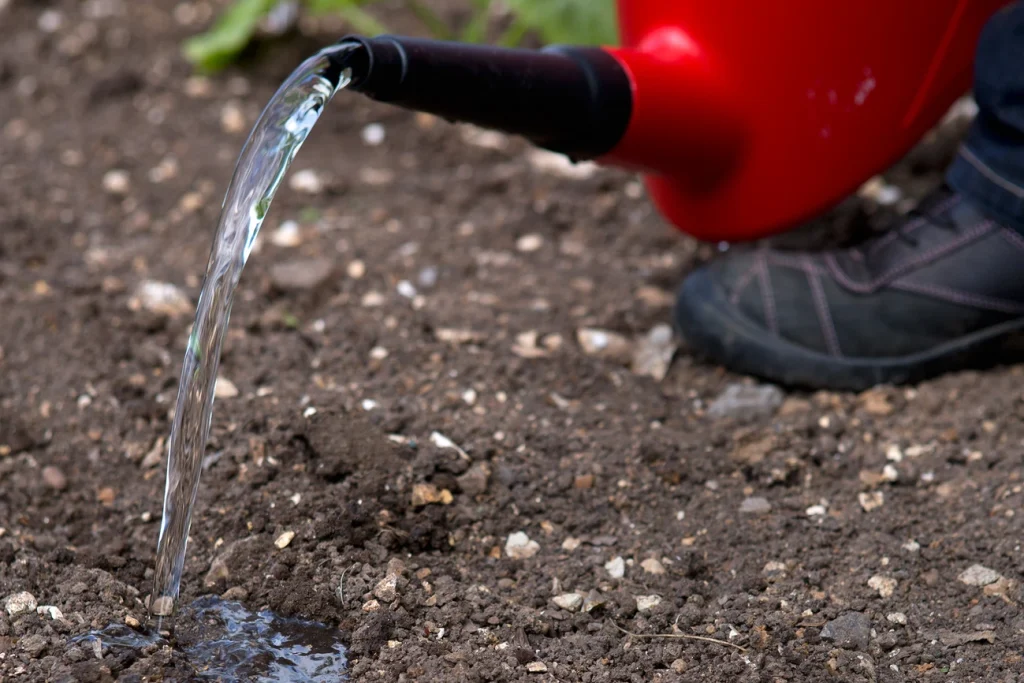
Reducing water waste with smart gardening habits is a simple yet powerful way to protect our environment while nurturing a healthier, more resilient garden. By making thoughtful choices such as watering at the right time, using efficient irrigation systems, mulching, and choosing drought-tolerant plants, you can save water, reduce costs, and support sustainable gardening practices.
Small steps create big change. Start incorporating these habits today and watch your garden flourish with less water and more efficiency.