If you love growing herbs, you already know how satisfying it is to pick fresh leaves for cooking, teas, or natural remedies. But many beginners face a common issue: their herbs stop growing, become leggy, or produce fewer leaves with time. The secret to keeping herbs lush and full is simple pruning.
Learning how to prune herbs correctly to encourage new leaves is one of the most valuable skills for any gardener, whether you grow herbs indoors, outdoors, or on a balcony. Proper pruning helps herbs produce more foliage, stay bushy rather than tall and weak, and remain productive through the entire growing season.
Why Pruning Is Essential for Herb Growth
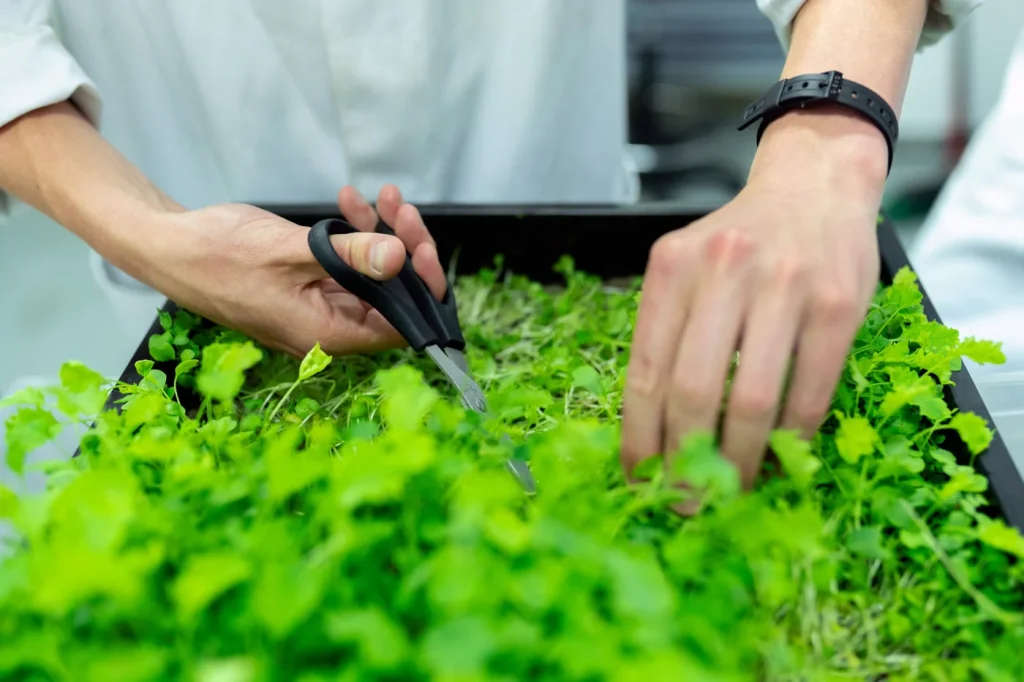
Herbs naturally grow upward. If left untouched, many species become tall, thin, and woody. When you prune or pinch them, you trigger a hormonal response that encourages the plant to branch out.
Here’s what pruning does:
- Stimulates new leaf growth
- Keeps herbs compact and bushy
- Prevents flowering too early (which stops leaf production)
- Improves flavor and aroma
- Extends the life of the herb plant
Whether you’re growing mint, basil, rosemary, or thyme, pruning is what transforms a weak plant into a thriving one.
How to Prune Herbs Correctly to Encourage New Leaves
Different herbs require slightly different pruning techniques. Below you’ll find methods for both soft-stem herbs and woody herbs.
Pruning Soft-Stem Herbs (Basil, Mint, Oregano, Cilantro, Parsley)

Soft-stem herbs have flexible green stems and respond quickly to pruning. These are the easiest herbs to manage.
1. Identify a pair of healthy leaves
Look for a spot where two leaves grow opposite each other. This is where new branches will form.
2. Cut or pinch above a leaf node
Always cut about ¼ inch above a leaf node (the bump where new leaves emerge).
3. Remove no more than one-third of the plant
This prevents shock and ensures fast regrowth.
4. Repeat every 7–10 days
Regular light pruning gives you continuous fresh leaves.

Example: How to Prune Basil
- Find a spot where two small leaves are emerging.
- Pinch just above them.
- Those two tiny leaves will become new stems.
- Your basil plant becomes twice as bushy with every prune.
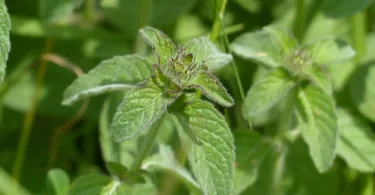
Example: How to Prune Mint
- Mint spreads rapidly and benefits from frequent cutting.
- Encourage side shoots for fuller growth.
- Trim stems back by one-third.
How Often Should You Prune Different Herbs?
| Herb | Frequency | Notes |
|---|---|---|
| Basil | Weekly | Pinch often to prevent flowering |
| Mint | Every 10 days | Fast-growing, prune regularly |
| Oregano | Every 2 weeks | Take light cuts |
| Parsley | Every 2 weeks | Cut outer stems first |
| Cilantro | Weekly | Prevent bolting by trimming |
| Rosemary | Monthly | Avoid woody stems |
| Thyme | Monthly | Trim lightly |
| Sage | Monthly | Prune after flowering |

How to Encourage the Fastest New Leaf Growth
To make herbs grow back faster after pruning, follow these care tips:
1. Give at least 6 hours of sunlight
Herbs need strong light for reproduction and leaf formation.
2. Use well-draining soil
Waterlogged soil slows new leaf growth.
3. Feed lightly every 3–4 weeks
Use an organic fertilizer, but avoid heavy feeding which can reduce flavor.
4. Water correctly

Keep soil slightly moist, not soggy.
5. Remove flower buds quickly
This redirects all energy toward new leaf growth.
| Problem | Possible Cause | Solution |
|---|---|---|
| Herbs not growing new leaves | Pruned too low or too much | Always prune above leaf nodes; remove only 30% |
| Herbs look tall and leggy | Not enough pruning or sunlight | Prune top growth; move to brighter location |
| Leaves turning yellow after pruning | Overwatering or plant stress | Reduce watering; prune lightly next time |
| Herbs stopped producing leaves | Allowed to flower | Remove flower buds immediately |
| Woody herbs not growing back | Cut into old wood | Only trim green, flexible stems |
| Slow regrowth | Poor soil or low light | Fertilize lightly; increase sun exposure |
| Brown tips on leaves | Pruned incorrectly or dry soil | Cut above nodes; maintain steady watering |
Conclusion
Knowing how to prune herbs correctly to encourage new leaves is one of the simplest and most effective ways to improve your herb garden. By pruning regularly and using the techniques above, you’ll enjoy fuller plants, richer flavors, and continuous harvests all season long.
With the right approach, every cut you make helps your herbs grow stronger and bushier. Remember: gentle, consistent pruning is the secret to an abundant herb garden!