Weeds are a gardener’s biggest headache. They steal nutrients, block sunlight, absorb water meant for your plants, and make your garden look messy. While chemical weed killers work fast, many gardeners prefer a natural and eco-friendly approach to controlling weed growth, especially when growing vegetables, herbs, or flowers close to home.
The good news? You can reduce weed growth significantly with the right planting techniques. This guide shares practical, effective, and proven planting tips to minimize weeds without using harsh chemicals. Whether you’re a beginner or an experienced gardener, these natural methods will help you maintain cleaner beds, healthier soil, and thriving plants.
1. Start with Healthy Soil Preparation
Good soil is your first defense against weeds. Poor soil structure creates empty spaces where weed seeds easily take hold.
Best Soil Preparation Steps
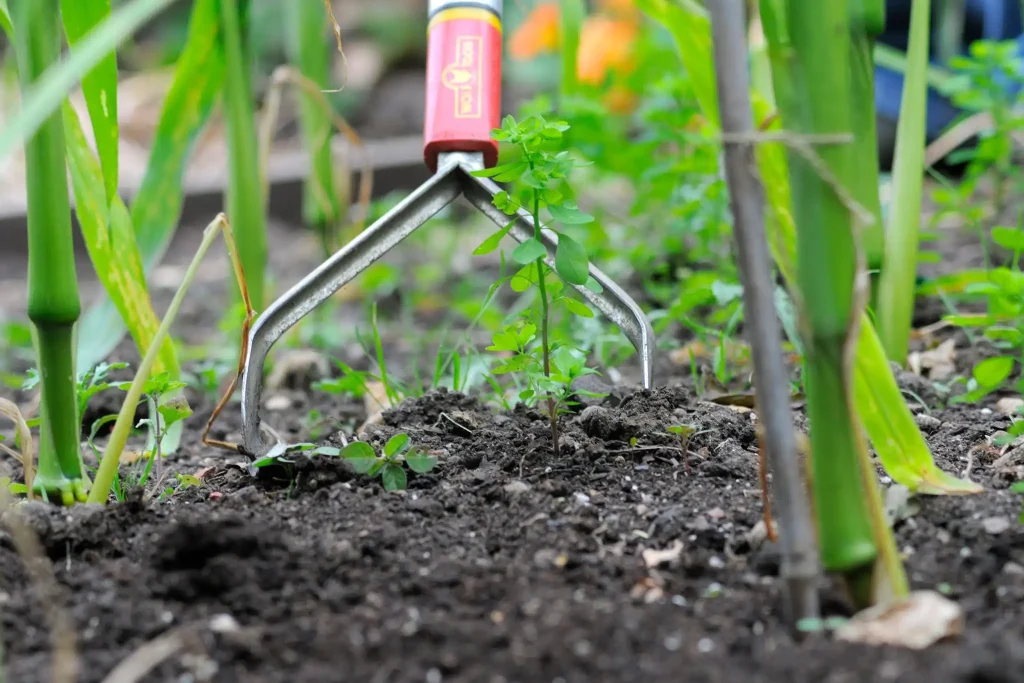
A) Remove Weeds Before Planting
Clear old weeds manually, including roots. Leaving even small pieces of root (like with Bermuda grass or couch grass) encourages regrowth.
B) Add Organic Matter
Compost or well-rotted manure improves soil texture and reduces space for weed seeds to sprout.
C) Use Solarization (Optional but Powerful)
Solarization uses sunlight to heat and sterilize soil.

Steps:
- Water the soil thoroughly.
- Cover it with clear plastic.
- Leave for 4–6 weeks in summer.
This reduces weed seeds naturally.
2. Mulching – The Most Effective Natural Weed Barrier
Mulch blocks sunlight, smothers weed seeds, and keeps soil moist. It’s one of the simplest and most effective natural techniques.
Best Types of Organic Mulch
- Wood chips
- Straw
- Shredded leaves
- Grass clippings
- Pine needles
Add a 2–4 inch layer around your plants but keep mulch away from stems to avoid rot.
Living Mulch

Plants like clover or creeping thyme act as living ground covers. They protect soil from weeds while adding nutrients.
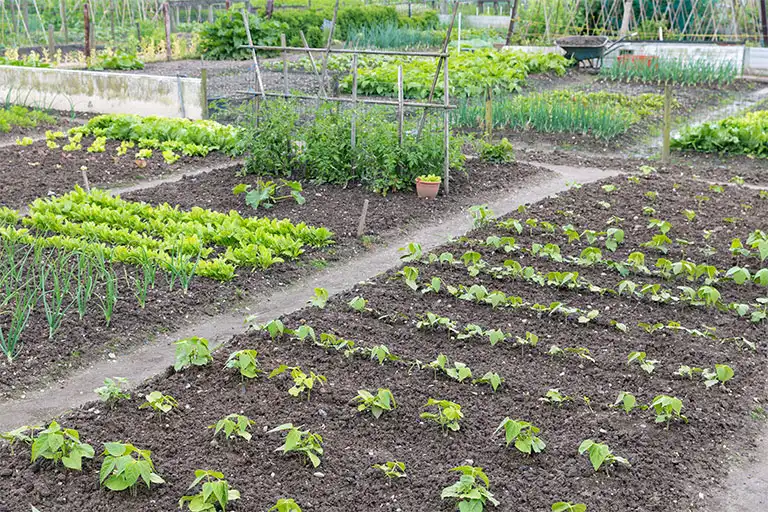
3. Use Proper Plant Spacing to Shade Out Weeds
Weeds thrive in open spaces with plenty of sunlight. When plants are spaced strategically, they create shade that prevents weeds from growing.
Spacing Tips
- Avoid planting too far apart.
- Choose denser planting for leafy vegetables.
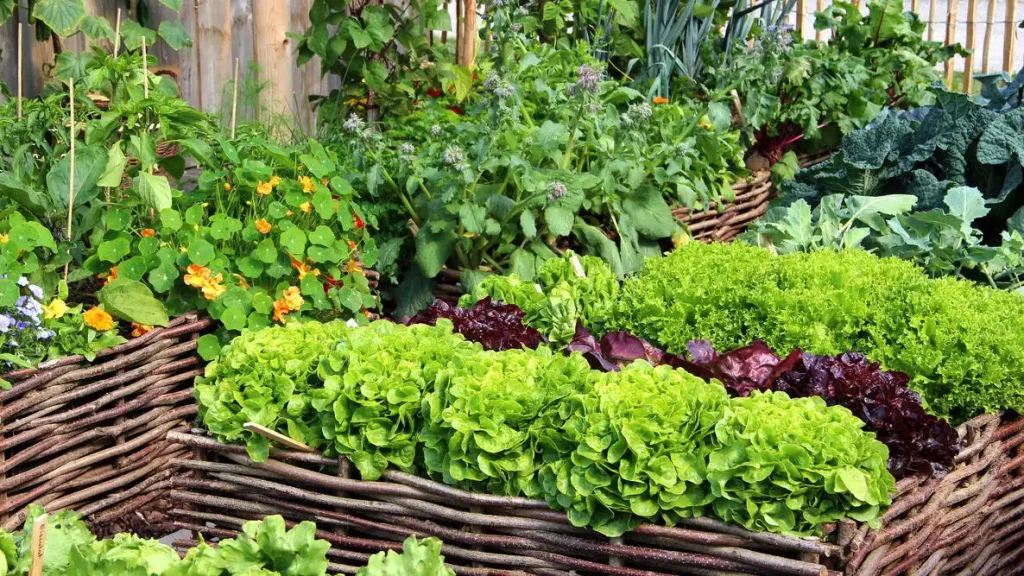
- Use companion planting to fill gaps.
Examples
- Lettuce + radish = minimal open soil
- Tomatoes + basil = natural weed suppression
- Bush beans + marigold = dense shade cover
4. Choose Fast-Growing and Weed-Resistant Plants
Some plants naturally outcompete weeds because of their strong root systems and rapid growth.
Weed-Competitive Plants
- Sweet potatoes
- Pumpkins
- Squash
- Sunflowers
- Dense perennial herbs (oregano, thyme, rosemary)
These plants cover the soil quickly and reduce weed growth in vegetable and flower gardens.
5. Use Landscape Fabric or Biodegradable Paper
For areas with heavy weed pressure, landscape fabric offers long-term protection.
Landscape Fabric Tips
- Cut holes only where you plant
- Cover fabric with mulch for best results
- Use biodegradable paper options for eco-friendly gardening
Fabric blocks weeds but allows air and water to reach plant roots.
6. Practice Crop Rotation and Cover Cropping
Rotating crops confuses weed patterns and interrupts their life cycles.
Good Crop Rotation Examples
- Tomatoes → leafy greens → beans
- Corn → squash → legumes
Cover Crops for Weed Suppression
Plant these during off-season:
Cover crops enrich soil and block weed growth naturally.
Troubleshooting Table: Common Weed Problems and Natural Solutions
| Problem | Cause | Natural Solution |
|---|---|---|
| Too many weeds after planting | Soil not cleared properly | Remove old roots, add mulch |
| Weeds growing through mulch | Mulch layer too thin | Increase mulch to 3–4 inches |
| Persistent grassy weeds | Rhizome roots left behind | Dig deeper; use landscape fabric |
| Weeds sprouting in vegetable beds | Overwatering | Switch to drip irrigation |
| Weed seeds blowing in from lawn | Wind-borne seeds | Use border edging or ground covers |
Conclusion
Reducing growth naturally doesn’t have to be difficult. With the right planting strategies mulching, proper spacing, soil improvement, selective watering, and regular maintenance, you can enjoy a clean, healthy garden without chemicals.
These planting tips not only suppress weeds but also enrich your soil, boost plant health, and create a thriving ecosystem in your backyard. With consistent care and a smart planting approach, natural weed control becomes both effective and effortless.